

Iran targets US bases in Jordan and the Gulf after Trump orders strikes near Hormuz
Washington says the operation was a proportional response, while Tehran warns of harsher retaliation and targets American assets across the region.



 Messenger
 Whatsapp
 Threads
 Email
Email
 Print
Print
 X
X
 Facebook
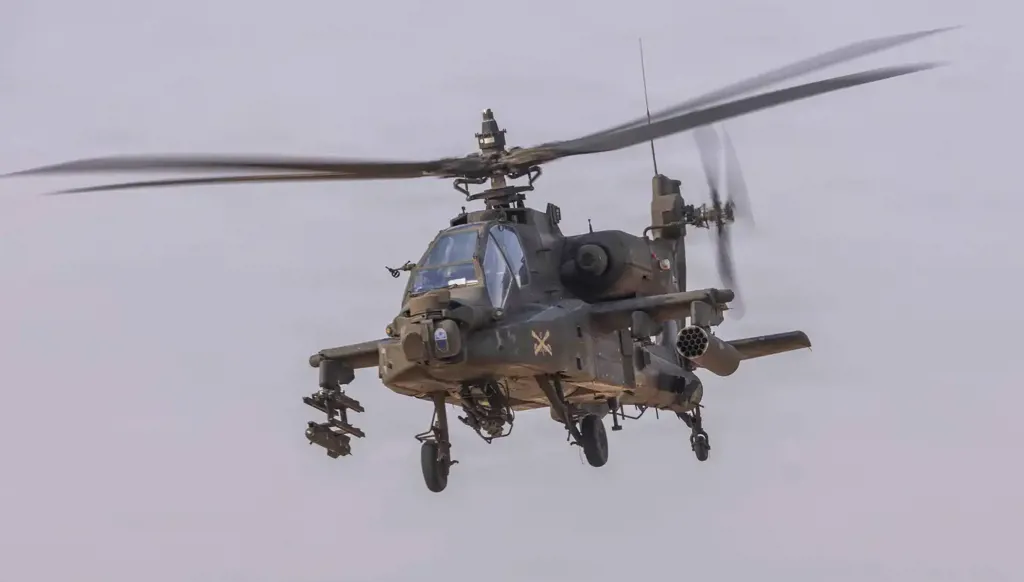
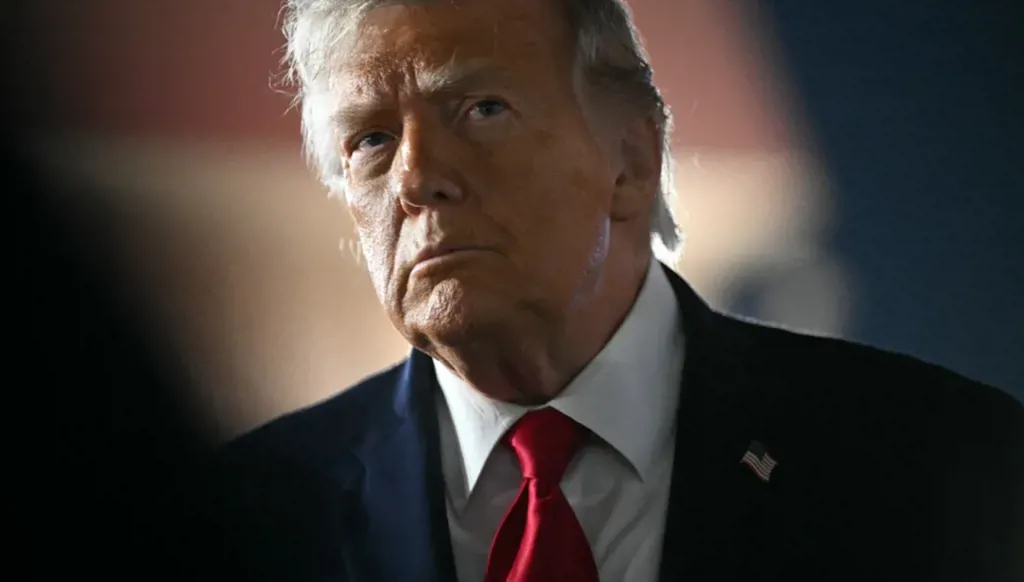


The United States Central Command (CENTCOM) announced early Wednesday that it had carried out "defensive strikes against Iran" under orders from the commander-in-chief of the armed forces, in response to the downing of a U.S. Army Apache helicopter. Meanwhile, Iran's Revolutionary Guards reported launching attacks on American bases in the region.
In a statement, CENTCOM said its forces struck Iranian air defense sites, ground control stations, and surveillance radar facilities near the Strait of Hormuz using precision-guided munitions fired by U.S. Air Force and Navy fighter jets.
According to the statement, the operation was a proportional response to recent attacks targeting American forces and international commercial vessels transiting territorial waters.
U.S. officials said the strikes were carried out in three successive waves.
The raids targeted bases, radar installations, and artillery positions at five sites along Iran's southern coastline, officials added.
"No Injuries or Casualties Among Personnel" on Targeted US Bases
In this context, The New York Times quoted a U.S. official as saying that the Iranian strikes targeting regional bases caused no significant material damage and resulted in no injuries or casualties among American personnel.
The official added that initial assessments indicate most Iranian missiles and drones were intercepted due to the readiness of air defense systems deployed throughout the region.
Meanwhile, The Wall Street Journal, citing officials, reported that President Donald Trump was initially reluctant to respond to Iran but later changed his position following recommendations from the Secretary of Defense and the Chairman of the Joint Chiefs of Staff.
Fox News, citing a senior U.S. official, reported that 20 sites inside Iran were targeted.
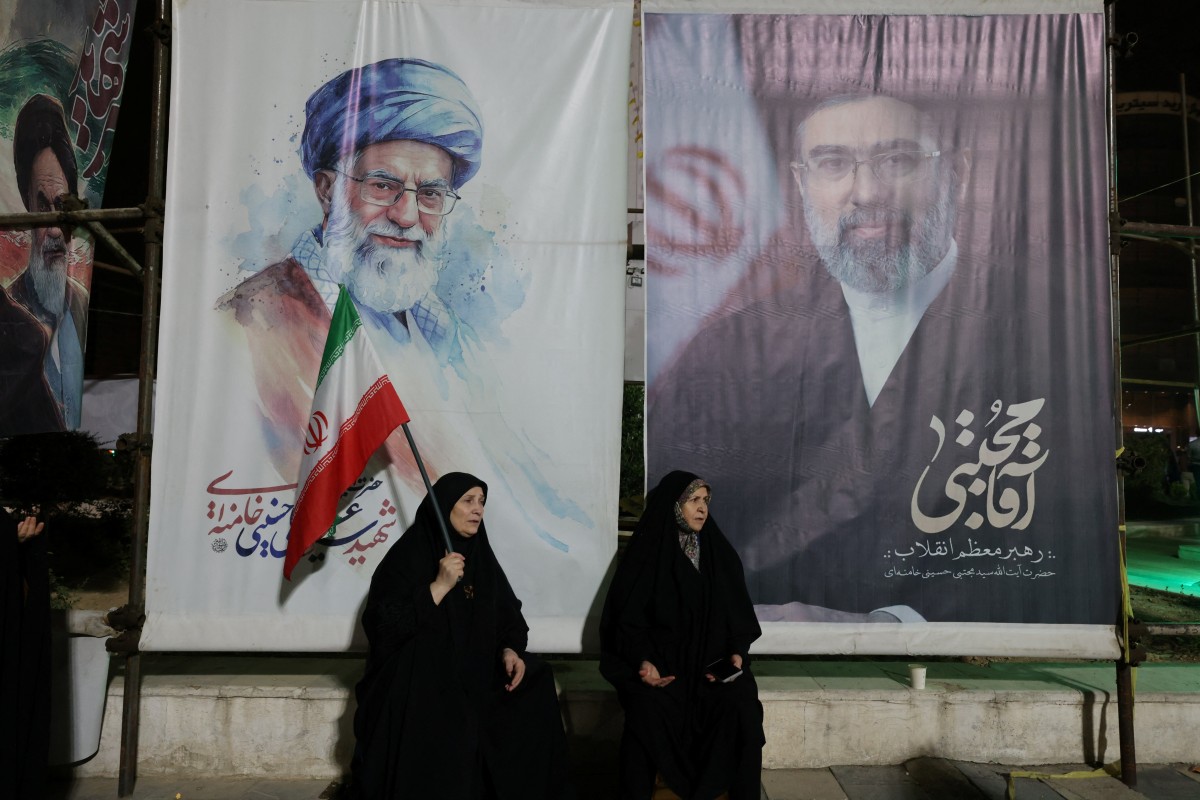
Trump Comments on Recent Iran Developments
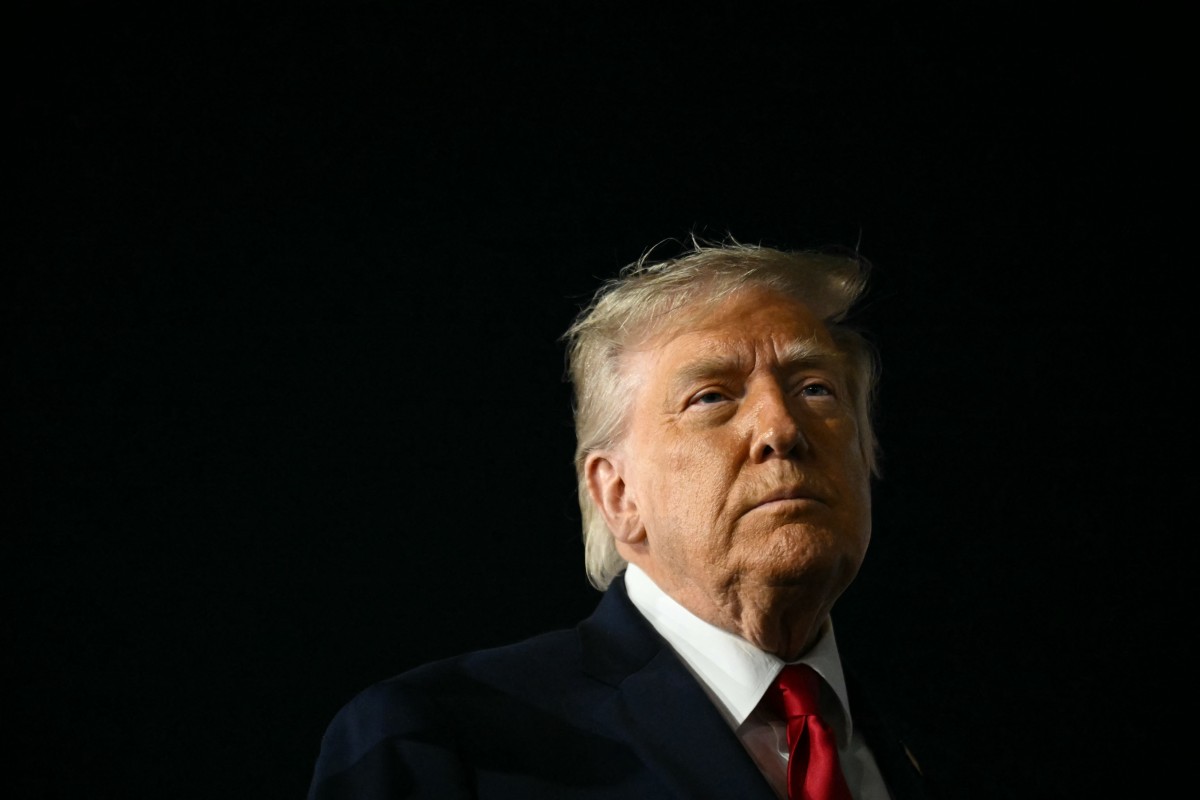
Commenting on the developments, U.S. President Donald Trump told ABC: "We are responding to Iran at the moment... This response is very important because they shot down a helicopter."
He continued: "I believe the response to Iran must be very strong and decisive, and that is what we are doing now," adding, "I believe in responding with force, and this is my approach. We have a very good agreement with Iran, and I think it will remain so."
CNN, citing a U.S. official, reported that the strikes were intended to send a warning message to Iran. The official added: "We believe the strikes will not hinder negotiations aimed at ending the war."
In the same context, a U.S. official told Politico: "Trump believes a deal with Iran is near despite the strikes."
Jordanian Army Announces the Interception of Iranian Missiles
The Jordanian Armed Forces announced that they intercepted and shot down five missiles launched from Iran toward the Azraq base, confirming that no injuries or damage resulted from falling debris following the interception operations.
The army stated that it remains at the highest level of readiness to protect the kingdom's airspace, defend its sovereignty, and ensure the safety of its territory.
Iran Targets US Fleet in Bahrain
Iranian state media reported that the Revolutionary Guards said they had targeted the U.S. Fifth Fleet in Bahrain with drones in response to the American raids.
In a statement, the Guards warned of a "more severe response" if what they described as "American aggression" continues. They also said that the U.S. strikes damaged a communications tower and two water tanks in the coastal city of Sirik in southern Iran.
In addition, Fars News Agency reported that the Revolutionary Guards launched a missile attack on the U.S. Azraq base in Jordan.
The Guards also announced the downing of a U.S. MQ-9 drone over the city of Jam in Bushehr Province in southern Iran.
Araghchi: "The United States Has Decided to Test Iran's Resolve"
Earlier, Iranian Foreign Minister Abbas Araghchi said that the United States had decided to test Iran's resolve despite what he described as its battlefield defeats.
He stressed that Iran's armed forces would not leave any attack or threat unanswered and warned that any aggression would be met with reciprocal measures.
Araghchi added that the United States should leave the region if it wishes to ensure the safety of its forces and interests, noting that the history of the Arabian Gulf contains many examples of the harsh fate faced by outside powers.
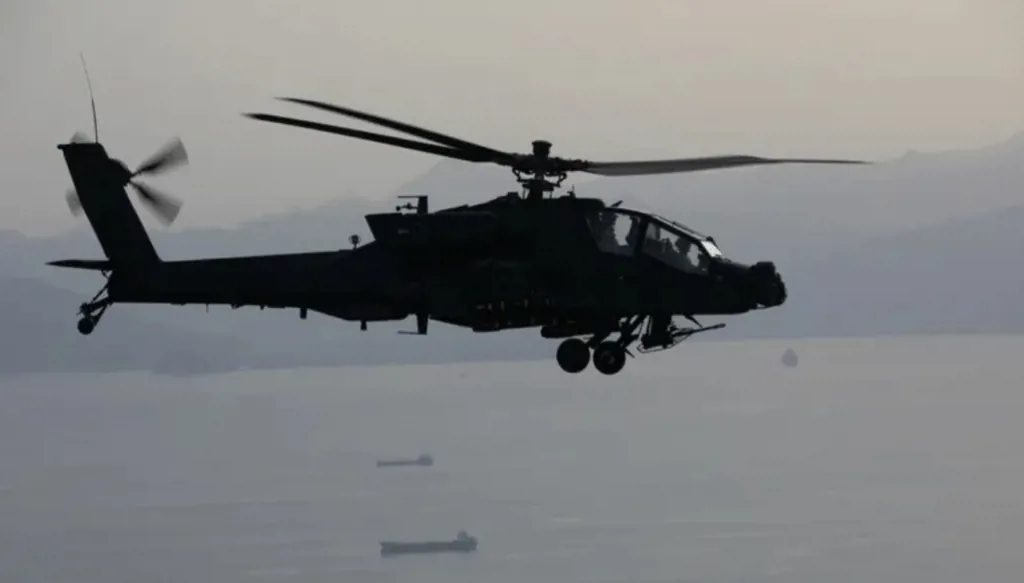
Downing of a US helicopter
Earlier, Trump stated that Iran was responsible for downing a U.S. Apache helicopter over the Strait of Hormuz and that Washington must respond. However, Iranian state television later quoted a military source as saying that Iran had conducted no aerial operations in the Strait of Hormuz during the previous 24 hours.
The source added that if "enemy aggression" resumed under the pretext of the Apache incident, Tehran would respond decisively.
Trump wrote on Truth Social: "I have been informed by our military that the Iranians last night shot down one of our advanced Apache helicopters during a patrol over the Strait of Hormuz. The pilots were safe and unharmed. Nevertheless, it is necessary for the United States to respond to this attack."
According to Axios, preliminary investigations concluded that an Iranian drone collided with the U.S. helicopter, causing it to crash, although it remains unclear whether the collision was intentional.
CNN, citing a source familiar with the matter, reported that an Iranian Shahed drone collided with the helicopter.
Araghchi noted on Tuesday that foreign forces stationed in the region are always at risk of being caught in crossfire.