

Trump draws red line for Netanyahu: No automatic U.S. backing for war with Iran
As tensions flare across Lebanon, Iran, and the wider Middle East, Donald Trump is signaling that U.S. backing for Israel is no longer unconditional—raising new questions about Benjamin Netanyahu's freedom to escalate regional conflicts.




 Messenger
 Whatsapp
 Threads
 Email
Email
 Print
Print
 X
X
 Facebook
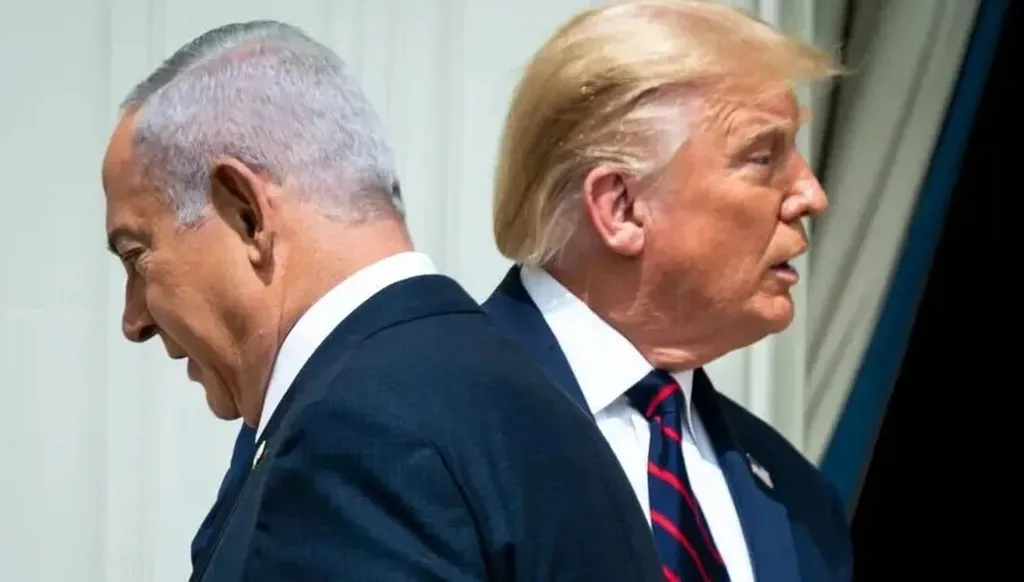
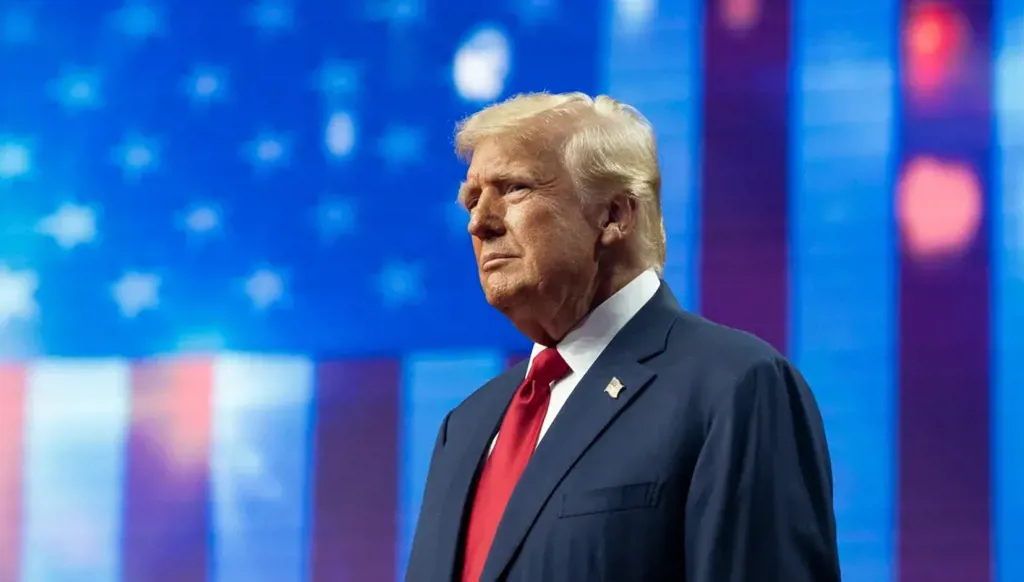


“Bibi, you'd better be careful, or you'll find yourself alone soon.”
Donald Trump's warning to his "friend" Benjamin Netanyahu about the possibility of ending up alone in a confrontation with Iran was not merely a passing remark during a tense phone call.
In the context of recent weeks, the statement appears more like a sign of a new pattern in the management of the relationship between the American president and the Israeli prime minister.
It suggests that while U.S. support for Israel remains firmly in place, Washington is not always willing to fight the wars Netanyahu wants, particularly when they threaten an agreement Trump is eager to secure with Iran.
During their latest conversation, which came after an exchange of strikes between Iran and Israel following the targeting of Beirut's southern suburbs, Axios reported that Trump warned Netanyahu against further escalation, telling him he could find himself alone if Israel resumed war with Iran.
According to accounts published by American and Israeli media outlets, Netanyahu was pressing for a broader response to the Iranian attacks, while Trump was focused on quickly ending the confrontation in order to preserve the path of negotiations with Tehran.
What followed was significant. Israel scaled down its response and later announced a halt to the strikes after Trump requested it. Iran, meanwhile, declared an end to its operations after stating that it had carried out a "painful retaliation" for Israeli strikes inside its territory. In this sense, the American intervention was more than a diplomatic detail—it was a direct factor in preventing a limited exchange of strikes from escalating into a broader regional confrontation.
A Call Amid Escalating Context
The latest phone call derives its importance from the fact that it is part of a series of increasingly tense communications between Trump and Netanyahu in recent weeks.
Just days earlier, the two leaders reportedly engaged in a sharp discussion over Israeli escalation in Lebanon.
According to Axios, Trump strongly opposed expanding attacks on Beirut, warning of the consequences of igniting the Lebanese front at a time when Washington was attempting to stabilize a ceasefire and advance negotiations with Iran.
Trump later confirmed that he had sharply criticized Netanyahu during that conversation, giving the reports a political significance that went beyond media leaks. The disagreement evolved from a tactical dispute over a specific strike or response into a broader question of who ultimately holds decision-making authority when Israeli security calculations collide with American diplomatic objectives.
That dynamic became even clearer when Trump was asked about Netanyahu's position regarding a potential agreement with Iran. In an interview with the Financial Times, Trump replied that the Israeli prime minister "will have no choice," adding: "I'm the one who decides. I'm the one who makes all the decisions. He doesn't make decisions."
In both cases—Lebanon and Iran—Trump appeared to be drawing limits around Israel's freedom of action. He did not withdraw support for Israel or portray it as an adversary. However, he sent a clear message that Washington would not necessarily endorse every escalation, particularly when it viewed Netanyahu as jeopardizing a broader American strategic objective.
The Houthis Precedent
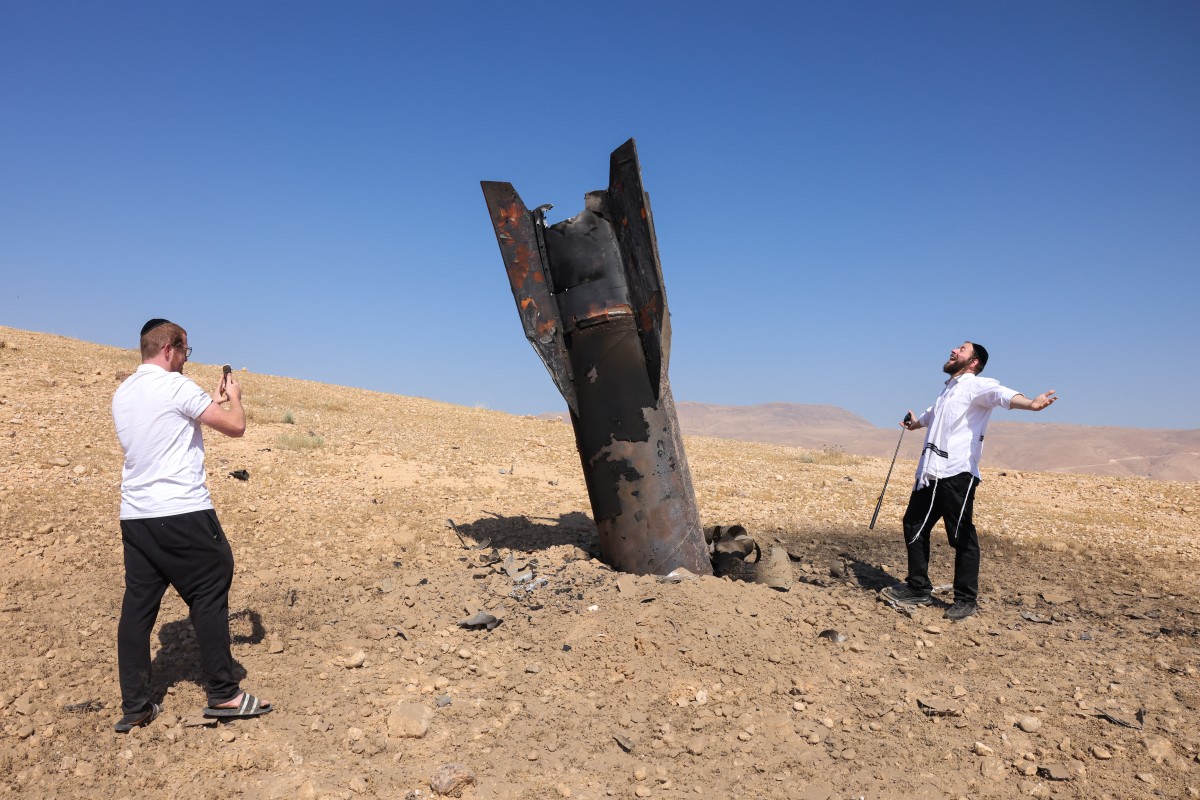
This approach has not been limited to the Iranian file. In the case of the Houthis, Trump previously helped broker an agreement through Omani mediation that ended American strikes on Yemen in exchange for the Houthis halting attacks on U.S. vessels in the Bab al-Mandab Strait. However, the agreement did not include Israel and did not prevent the group from continuing its threats against the Jewish state.
For Israel, this represented a sensitive precedent. Washington ended its military campaign against the Houthis once its direct interests had been secured, while remaining outside Israel's conflict with the group. Although the circumstances differ between Yemen and Iran, the political message was largely the same: when direct American interests can be separated from Israel's conflicts, Trump may choose to prioritize "America First."
This is what gives Trump's warning to Netanyahu its significance. The statement does not necessarily signal an American abandonment of Israel, nor does it indicate a reversal of the strategic alliance. Rather, it suggests that Trump wants the final say whenever a war risks undermining a major diplomatic deal or dragging the United States deeper into Middle Eastern conflicts.
Conditional Support, Not a Break
So far, there is no indication of a rupture between Trump and Netanyahu. The United States remains Israel's most important military and political ally, possessing tools of influence and pressure that are difficult to replace. What appears to be changing, however, is the nature of the political cover Washington provides.
In the past, Netanyahu often operated under the assumption that any major escalation would ultimately pull the United States to Israel's side. Today, Trump seems intent on dismantling that assumption.
The American president wants an agreement with Iran—or at the very least, a negotiation track capable of preventing a broader war as the World Cup approaches and midterm elections draw nearer. He also wants to project the image of a leader capable of managing both allies and adversaries.
As a result, he does not appear to view Netanyahu as an equal partner in decision-making, but rather as an ally who may occasionally require public pressure, an angry phone call, or even the threat of being left alone in a military confrontation.
This does not mean Israel will suspend its military operations, nor that Netanyahu will abandon escalation when he considers it necessary. It does mean, however, that his calculations have become more complicated. Before authorizing any major strike, he must now assess the limits of American backing before evaluating the capabilities of Iran, Hezbollah, or the Houthis to respond.
In that sense, "fight alone" may not be an official policy in Washington, but it is increasingly emerging as a tool of pressure in Trump's hands. It reflects a relationship with Netanyahu that appears to have entered a more pragmatic and less emotional phase—one in which being a close ally is no longer enough to guarantee a blank check for every round of escalation.