Cabriolet Film Festival lights up Lebanon with free short film celebrations across the country
Across Lebanon, the Cabriolet Film Festival transforms public spaces into free cinemas and cultural hubs celebrating short films and collective imagination.



 Messenger
 Whatsapp
 Threads
 Email
Email
 Print
Print
 X
X
 Facebook


Micheline Abu Khater
The 18th edition of the Cabriolet Film Festival, held from 5 to 7 June, dedicated to showcasing short films at an internationally.
This year, it reaffirmed its place once again in the Lebanese scene. From Beirut to Jounieh, passing through Jbeil, Amatour, Zahle, Dhour El Choueir, Saida, Douma, and Deir el Qamar, the seventh art met a wide audience that enjoyed a fully free program.
For 18 years, organizer Ibrahim Samaha has ensured that the festival takes place on the first weekend of June, establishing a firmly rooted cultural tradition in Lebanon.
The festival’s official slogan, “Life is too short to watch long films,” reflects its distinctive and people friendly spirit. This edition’s theme was “dreams,” a highly symbolic choice in a country that has been lacking dreams this year, yet cinema gives it a space to collectively reinvent them.
The selection process was meticulous. Out of 35,000 films, only 35 short films were chosen for the official competition. Afterwards, the audience was invited to vote for the best Lebanese short film and the best international film, reinforcing the festival’s participatory and democratic nature.
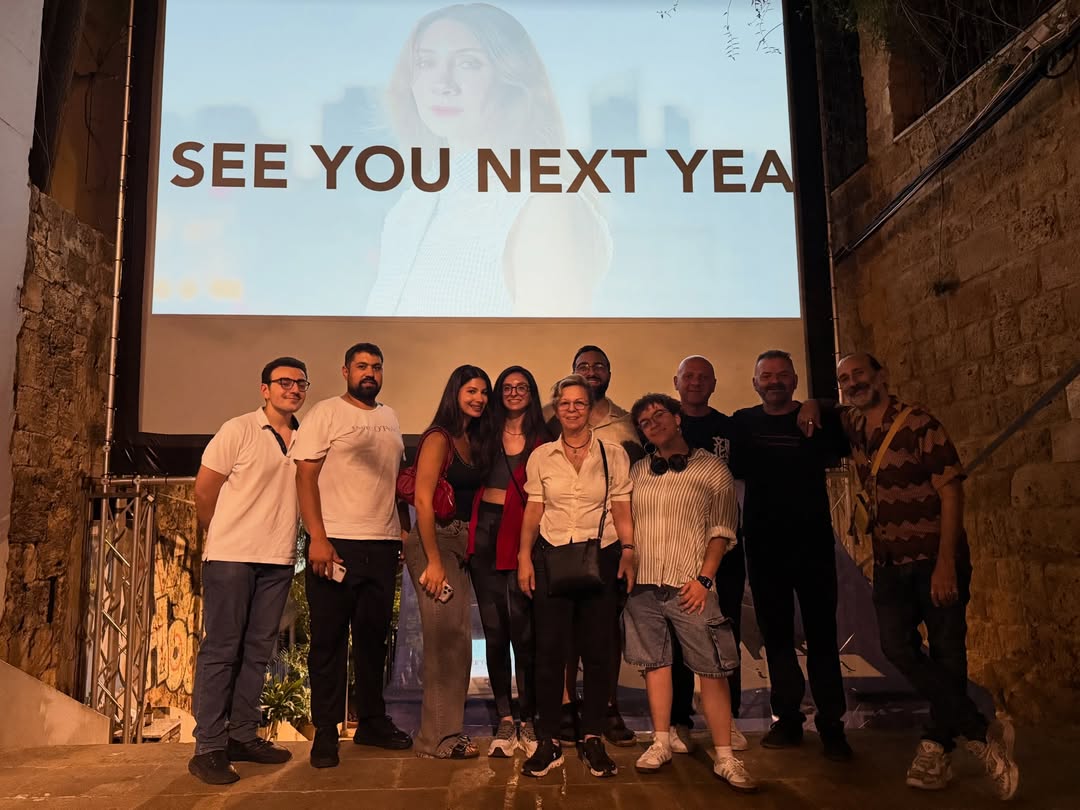
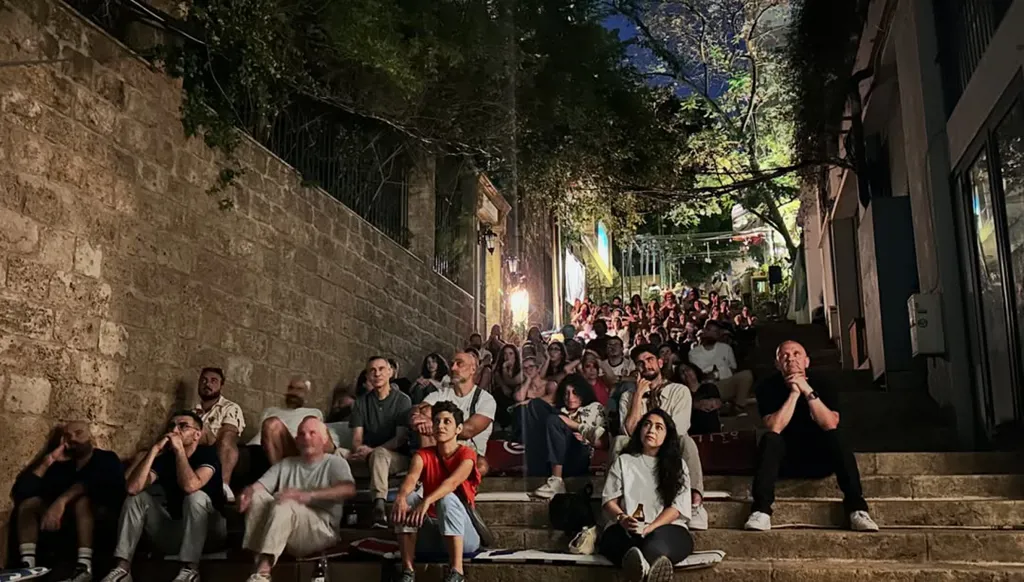
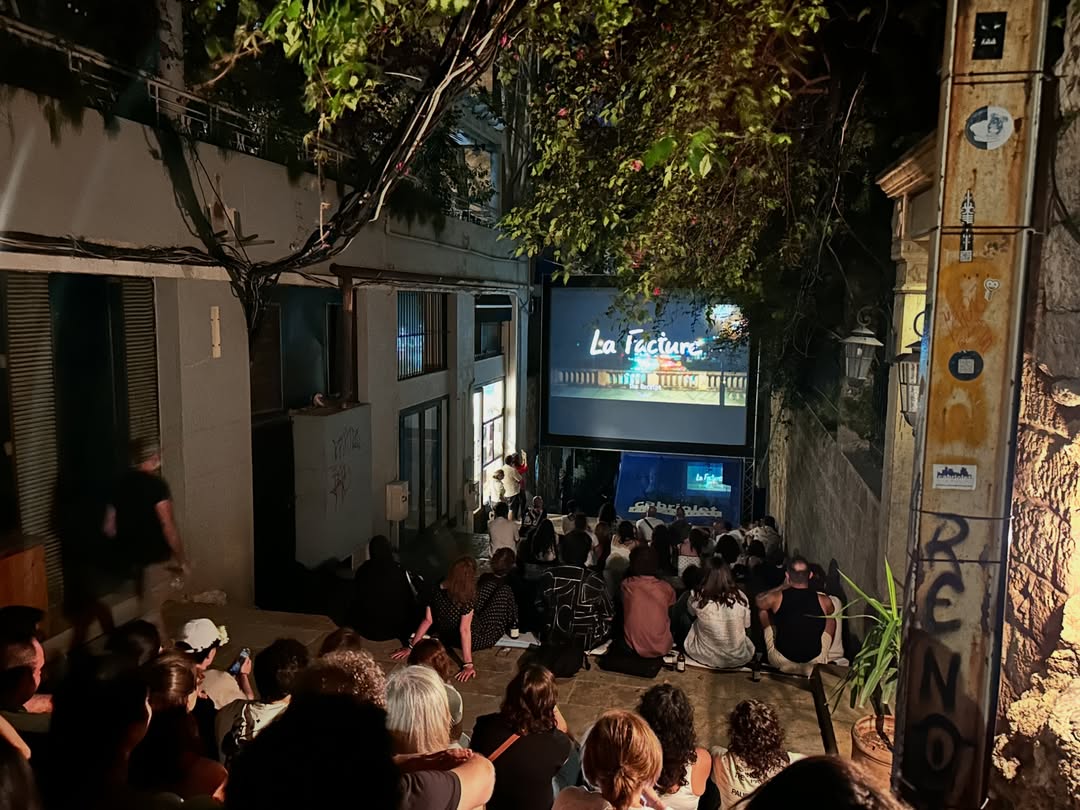
In Beirut, the staircase of Saint Nicholas in Gemmayzeh once again served as an open-air cinema under the sky every evening from 8 p.m. to 11 p.m. The audience also took part in in-depth discussions, most notably at District 7 on artistic freedom in times of war, titled “Can art remain free in times of war?”, with the participation of Michelle Tueni, Diamand Abou Abboud, and Amin Dora.
Director Ely Dagher gave a talk at “Rebirth Beirut,” while Saturday 6 June was dedicated to the “Cabriolet Kids” program at Sursock Museum in Ashrafieh, where children were introduced to performing and cinematic arts through screenings and workshops, while adults attended panels with Fadi Al Halabi and Solange Trak.
One of the highlights was the tribute to the works of emerging Lebanese director Karim Rahbani, who presented a short film co-written with his father Ghadi, with music composed by his brother Omar. The film received notable critical acclaim, participating in 17 international festivals and winning 11 awards, confirming the festival’s role as a launching platform for Lebanese cinema.