

Trump and Netanyahu: Growing tensions over Iran and Lebanon
Recent escalation and disagreements over strikes and negotiations show rising differences between Washington and Tel Aviv, despite continued cooperation.




 Messenger
 Whatsapp
 Threads
 Email
Email
 Print
Print
 X
X
 Facebook
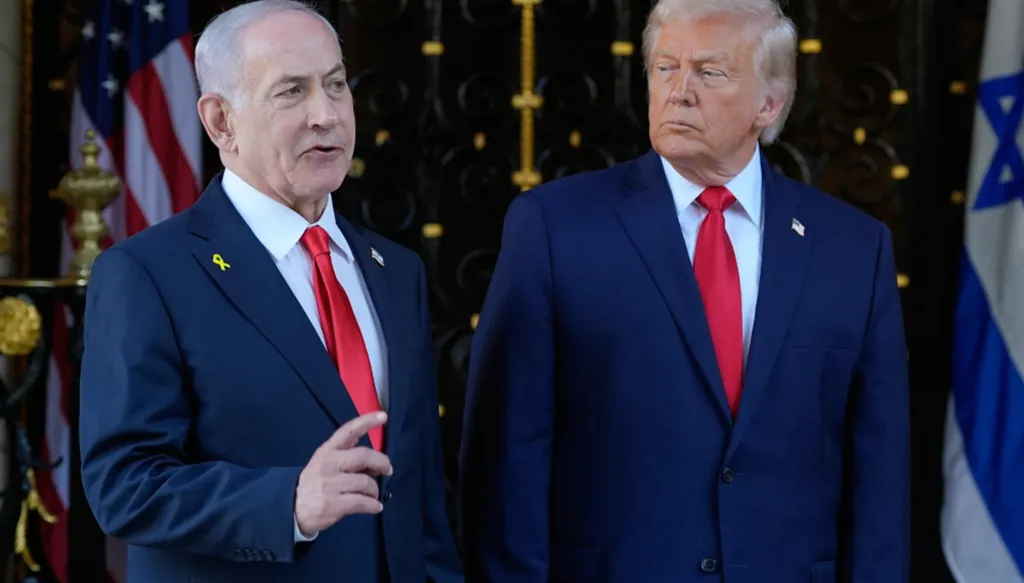
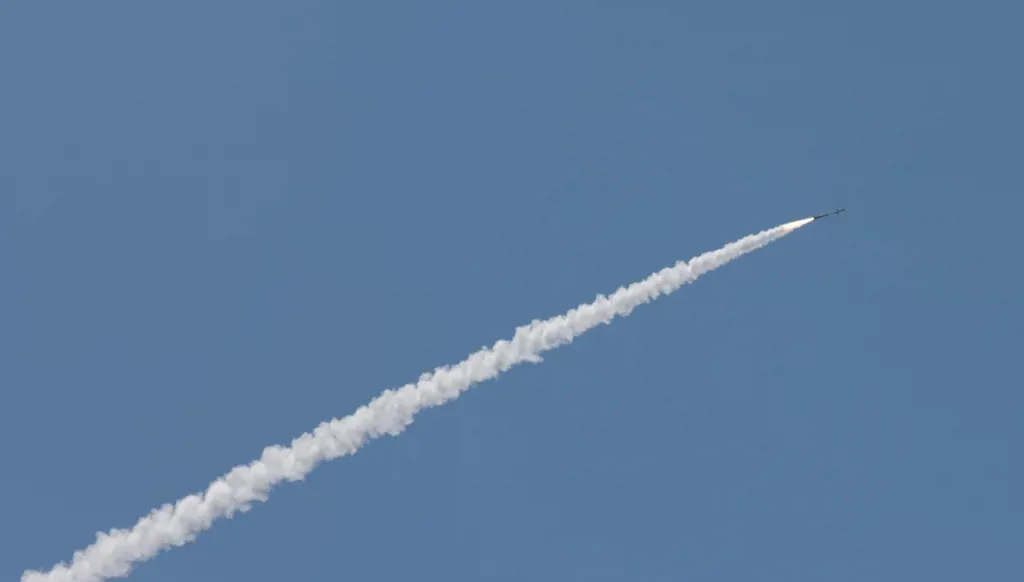
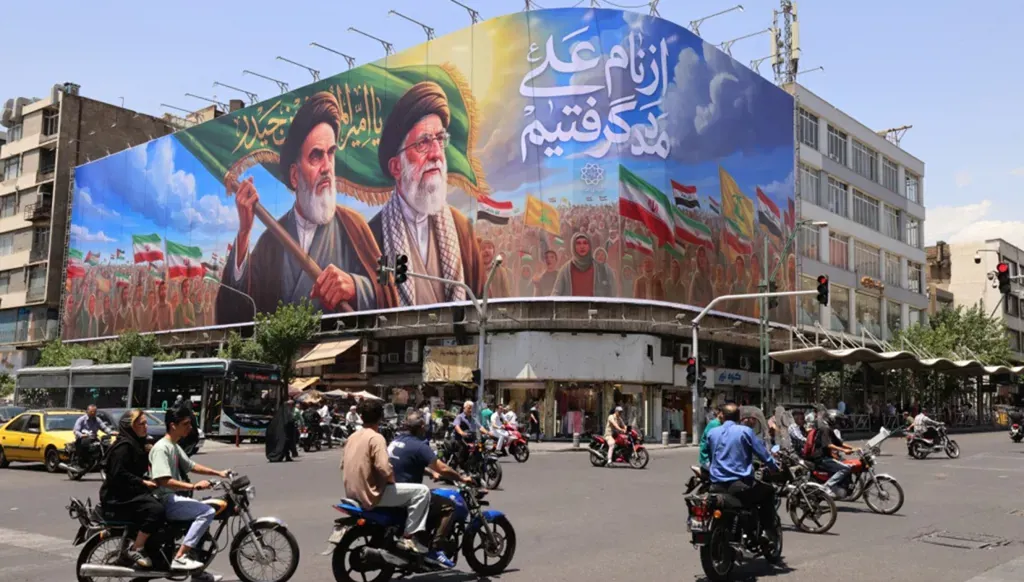


With the exchange of military strikes between Israel and Iran, it has become clear that Israeli Prime Minister Benjamin Netanyahu is trying to break free from Washington’s grip. US President Donald Trump is aware of this.
The tension between Trump and Netanyahu during a phone call last week was not surprising. In Iran, and to a large extent in Lebanon, Trump appeared to be tightening pressure on Netanyahu ahead of the Israeli elections. Accordingly, Netanyahu’s defiance of the US president was only a matter of time.
A temporary easing of tension between the two leaders?
On Sunday afternoon, Israel targeted infrastructure belonging to Hezbollah in the southern suburb of Beirut, according to its claims, after the group launched rockets toward northern Israel. Netanyahu crossed Trump’s “red line” against striking that area.
However, the strike was largely “limited” compared to most previous attacks. In that sense, it appeared to be a message to the Israeli domestic audience that Netanyahu still retains freedom of action and is not constrained by US pressure. After Iran fired around 10 ballistic missiles at Israel, Trump held a call with Netanyahu, the outcome of which was to give Israel time before responding, while Trump assessed the direction the negotiations would take.
Nevertheless, the escalation continued, with ongoing strikes between Israel and Iran until around midday on Monday, when a rapid de-escalation began to take hold, as Iran announced the end of its military operations on the condition that Israel also comply and refrain from attacking Lebanon.
Trump realized how difficult it is to ignore Israel’s interests after facing a strong wave of opposition within his circle, following leaks about a weak nuclear deal with Iran about two weeks ago. Nevertheless, Trump still holds the upper hand.
The United States continues to supply Israel with advanced weapons, although overall military support is declining compared to Israeli defense spending (around 15 percent).
At the same time, Netanyahu may feel that he has demonstrated strength to the Israeli domestic audience following the escalation, which reduces the justification for going too far in angering his main ally, at least for now.
Despite the low likelihood of a serious public clash between Trump and Netanyahu over the recent escalation, there are few factors preventing a shift in the situation in the future. The two men differ significantly in their views of the Middle East, with Israel’s approach appearing strategic while Donald Trump’s approach is tactical and changeable.
The US president told the Financial Times on Sunday that Netanyahu would have “no choice” but to accept a deal with Iran because he (Trump) is “the one who decides.” Trump also has a strong desire to appear powerful in the eyes of Americans.
On its part, Netanyahu’s office said that Tel Aviv will not accept a formula in which Israel is targeted in response to every strike it carries out on Beirut’s southern suburbs.
Axios reported that Sunday’s call between Trump and Netanyahu was polite, but that the latter resisted the US president’s request not to respond. In other words, there are fractures in the relationship between Trump and Netanyahu that are too deep to be resolved by time or by the temporary mutual needs between the two sides. The latest escalation is short, but its long-term consequences are significant.
Israel feels it is facing an unsustainable equation: being constrained in both the Iran and Lebanon files at the same time, while it believes the balanced formula lies in freedom of action in Lebanon in exchange for non-interference in negotiations with Iran.
Trump does not want this, because the Lebanon file could derail the broader negotiations. Iran is adept at exploiting this divergence in objectives between Washington and Tel Aviv. Latent tension is the almost permanent defining feature of the Trump–Netanyahu relationship.
Disclaimer: The opinions expressed by the writers are their own and do not necessarily represent the views of Annahar.