

Can Syria Join the Fight Against Hezbollah in Lebanon?
As Donald Trump raises the prospect of a Syrian role against Hezbollah, political, military, and logistical realities suggest Damascus has little appetite for opening a new front in Lebanon.




 Messenger
 Whatsapp
 Threads
 Email
Email
 Print
Print
 X
X
 Facebook
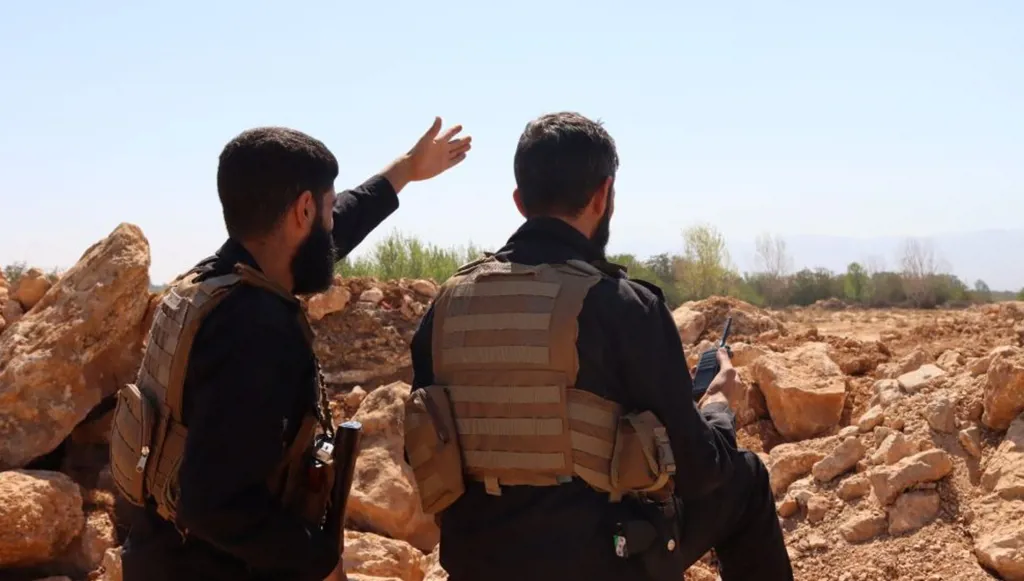


American media reports increasingly address the possibility of Syrian army forces entering Lebanon and taking part in fighting against “Hezbollah,” while its opponents spare no opportunity to pressure it and disrupt its military wing.
U.S. President Donald Trump has also referred to this issue on more than one occasion, most recently the day before yesterday, which is being received with great approval by Benjamin Netanyahu as an opportunity to retaliate against an armed group whose capabilities he has not been able to eliminate for a number of reasons, despite all the rounds of open conflict against the party in the south.
If the relations of the new authorities that removed Bashar al-Assad from the presidency are not open with “Hezbollah,” President Ahmed al-Sharaa has not shown any inclination toward engaging in any battles or confrontations in Lebanon with the party. This is what he has communicated to Lebanese officials and to Walid Jumblatt, who is active in promoting the development of relations between the two countries.
According to information, there are considerations that prevent him from engaging in any confrontations or sending his forces into border towns in the Bekaa, because “Hezbollah” would be fighting alongside tribal groups that also reject any non-Lebanese military presence on their land. A number of Lebanese villages on the Syrian map were abandoned by their inhabitants, and families of Syrian soldiers moved into their homes.
According to available information, there are reasons preventing him from engaging in any confrontations or from having his forces enter the border towns in the Bekaa, as Hezbollah, along with tribes that also reject any non-Lebanese military presence on their land, would oppose such a move.
It is noteworthy that a number of Lebanese villages located on the Syrian map have been vacated by their residents, and Syrian military families have settled in their homes.
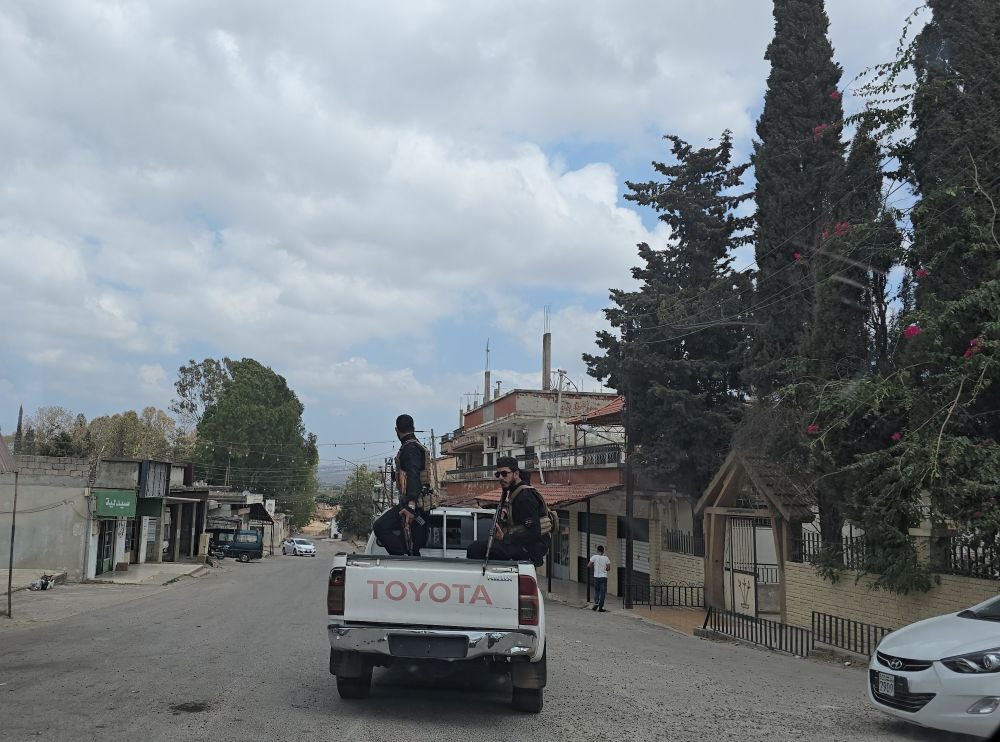
Hezbollah's strategic operational zone
A number of towns and regions along the eastern mountain range form the military rear operational zone of Hezbollah on the strategic depth of the eastern mountain range, where there is a network of facilities that do not escape Israeli surveillance, though Israel is unable to destroy them except through commando landing operations, with several obstacles preventing anything less.
If Damascus decides to carry out an attack toward villages in the Bekaa and engage with “Hezbollah” strongholds, this would place the Lebanese government in an awkward position, especially after it did not delay in releasing Syrian prisoners who had not completed their sentences. The Lebanese army would be the first to find itself in an embarrassing position if Syrian forces were to enter the Bekaa.
From this perspective, the leadership in Damascus, even if it has not forgotten the participation of Hezbollah units fighting alongside the Assad regime throughout the years of war, seeks to turn the page.
It is worth noting that its military institution has not yet fully extended its authority over several military areas that continue to serve as an operational area for ISIS, without underestimating the threat of Israel, which has occupied large areas in southern Syria and is only a short distance from Damascus.

Trump: Syria could deliver "more precise strikes"
In this context, Trump reiterated that Syria could play a “role in facilitating the execution of more precise strikes” against “Hezbollah,” and that al-Sharaa may be willing to do so amid regional and international efforts.
A Syrian security source told “Annahar” that the measures taken on the border with Lebanon “do not conceal any intentions; on the contrary, we are working to establish the best channels of joint cooperation between the two countries.”
Lebanese security sources report that they have not detected any indication that the Syrian side intends to deploy units toward Lebanon. Instead, coordination between the two sides is ongoing, in addition to open cooperation with the Internal Security Forces and General Security in Beirut.
They add that a security delegation is preparing to travel to Damascus in the coming days “for further cooperation, coordination, and to address outstanding issues.”
On the other hand, logistical considerations prevent Damascus from carrying out any attack against Lebanon, as Popular Mobilization Forces groups in Iraq could move toward the Syrian border, disrupting its military capabilities inside Syria.