

The economy of stardom beyond the grave: How artists keep earning after their deaths
How deceased artists continue generating income through rights, streaming, and evolving legal frameworks.



 Messenger
 Whatsapp
 Threads
 Email
Email
 Print
Print
 X
X
 Facebook
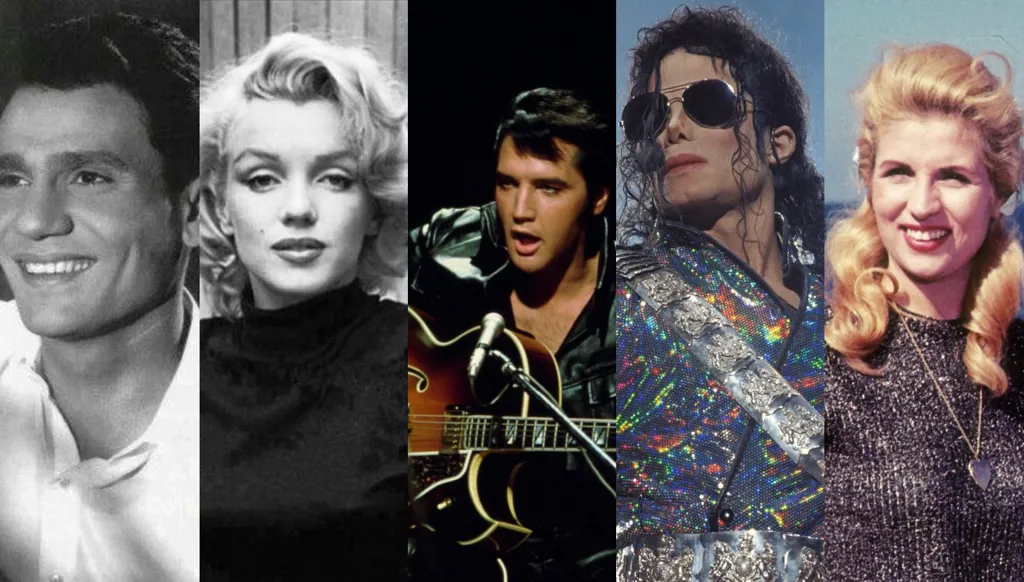


The economic impact of artists does not stop after their death, as their musical and artistic works continue to generate revenue for many years and sometimes for decades, thanks to intellectual property rights, publishing rights, broadcasting rights, and commercial exploitation rights.
With digital development and the spread of streaming and listening platforms, the works of deceased stars have become a continuous source of income for their heirs and rights holders, while artificial intelligence is also opening a new debate about the use of voices and images after death.
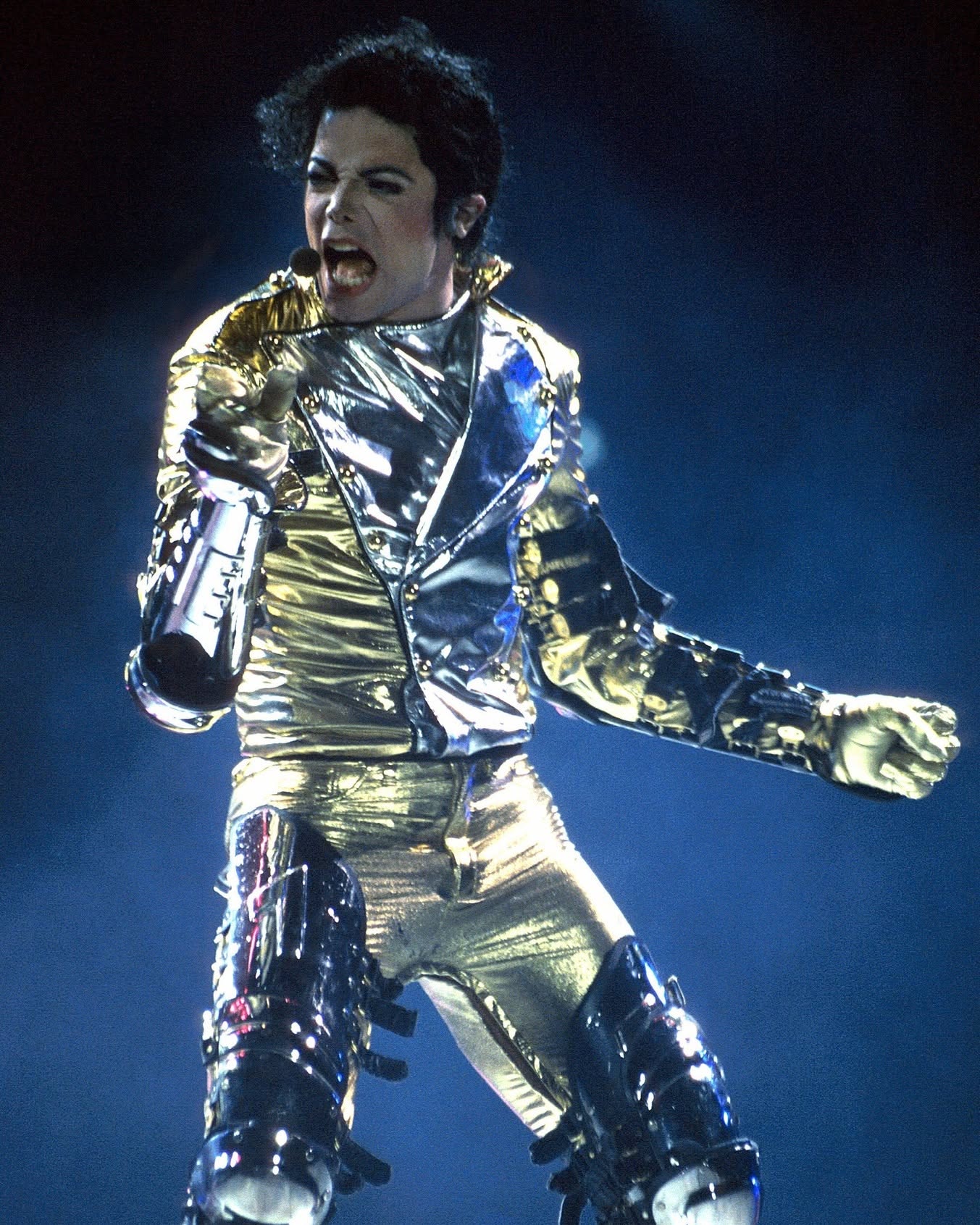
In this context, Forbes revealed the list of the highest earning deceased celebrities in 2025, where Michael Jackson topped the list with revenues reaching 105 million dollars.
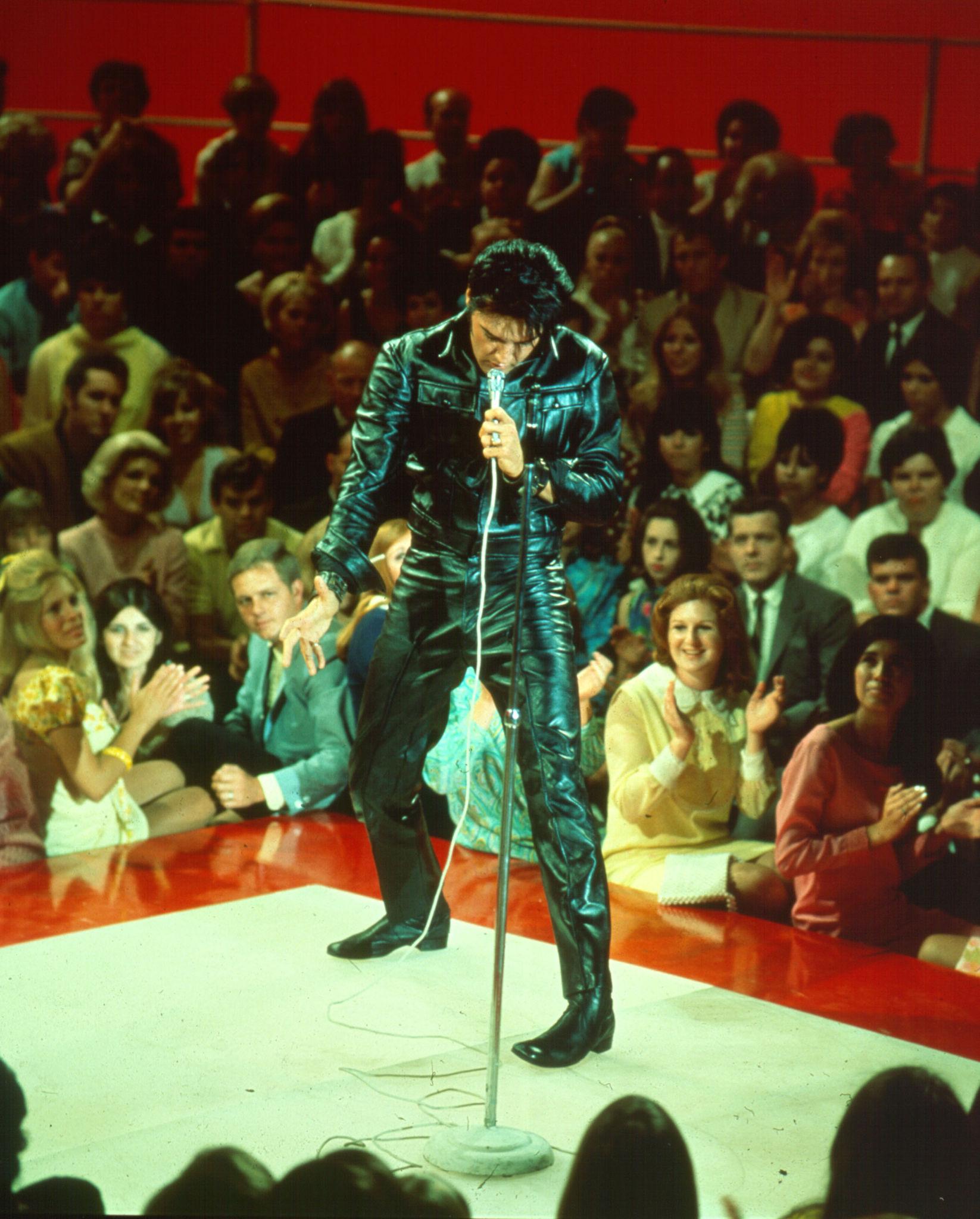
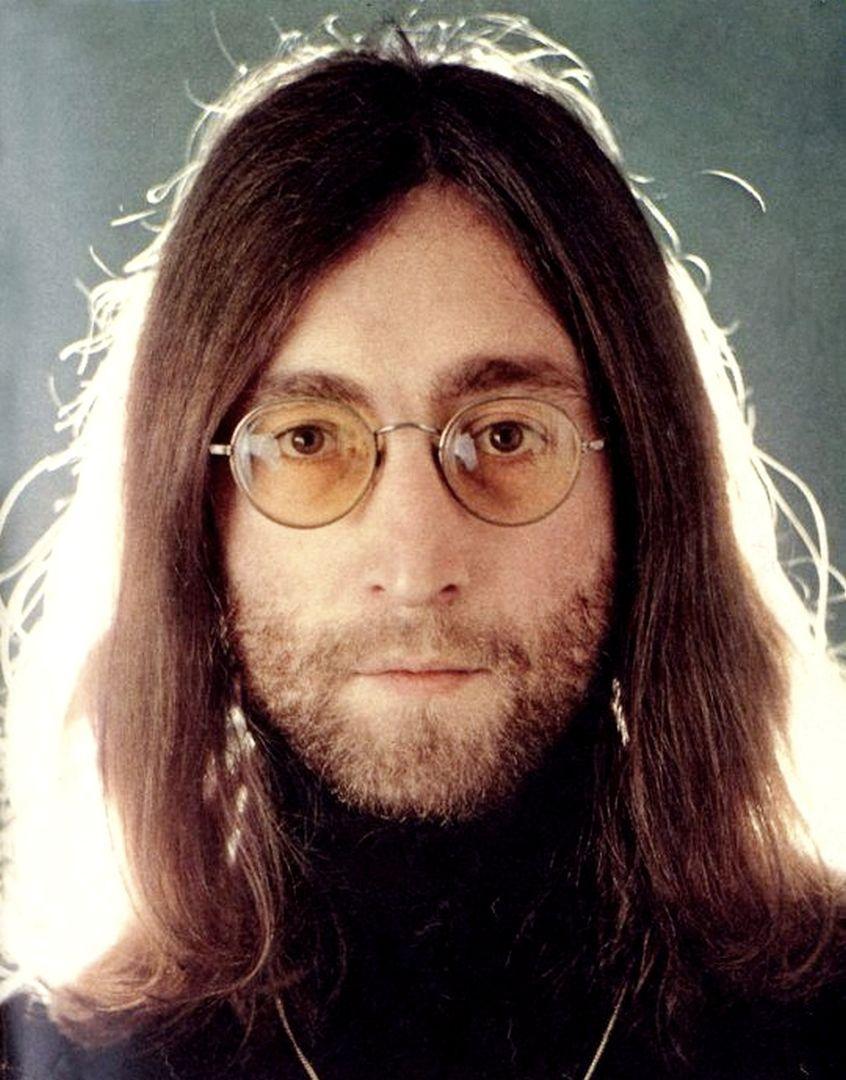
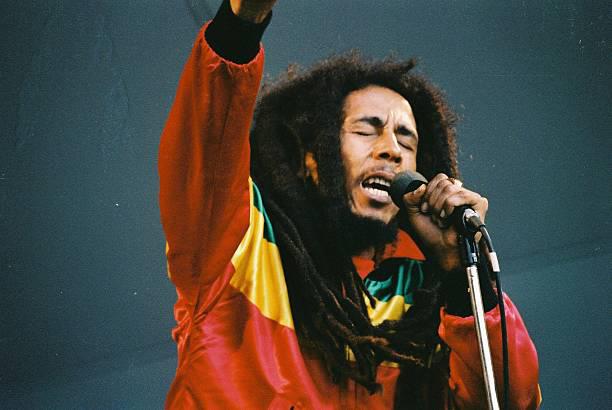
Miles Davis came in second with revenues of 21 million dollars, followed by Elvis Presley with 17 million dollars, then Jimmy Buffett with 14 million dollars, Bob Marley with 13 million dollars, John Lennon with 12 million dollars, while Prince generated revenues of 11 million dollars.
Despite her passing more than six decades ago, Marilyn Monroe continues to generate millions of dollars annually, in one of the most notable examples of the “deceased celebrity economy.”
According to a report by The Economist, the works and products associated with her name and image generate around 80 million dollars per year, while the estimated commercial value of her estate today ranges between 20 and 30 million dollars, compared to no more than 800,000 dollars at the time of her death.

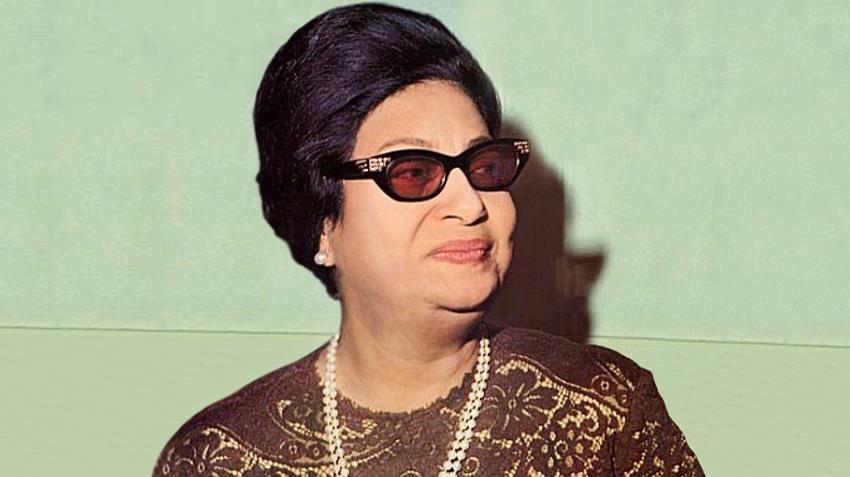
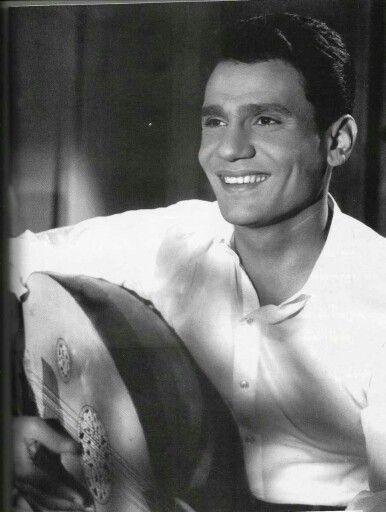
Arab artists and undisclosed revenues
As for deceased Arab stars, there are no official reports revealing the level of income their works continue to generate after their death. However, the head of the Board of Distributors and Composers at “CACL”, the Lebanese body operating under a cooperation protocol with the French SACEM to manage and collect musical copyright royalties, the producer and composer Osama Rahbani, explains that artistic works can continue generating revenue for decades through radio and television broadcasting, digital streaming platforms, live performances, and the use of songs in films, advertisements, and other forms of commercial exploitation.
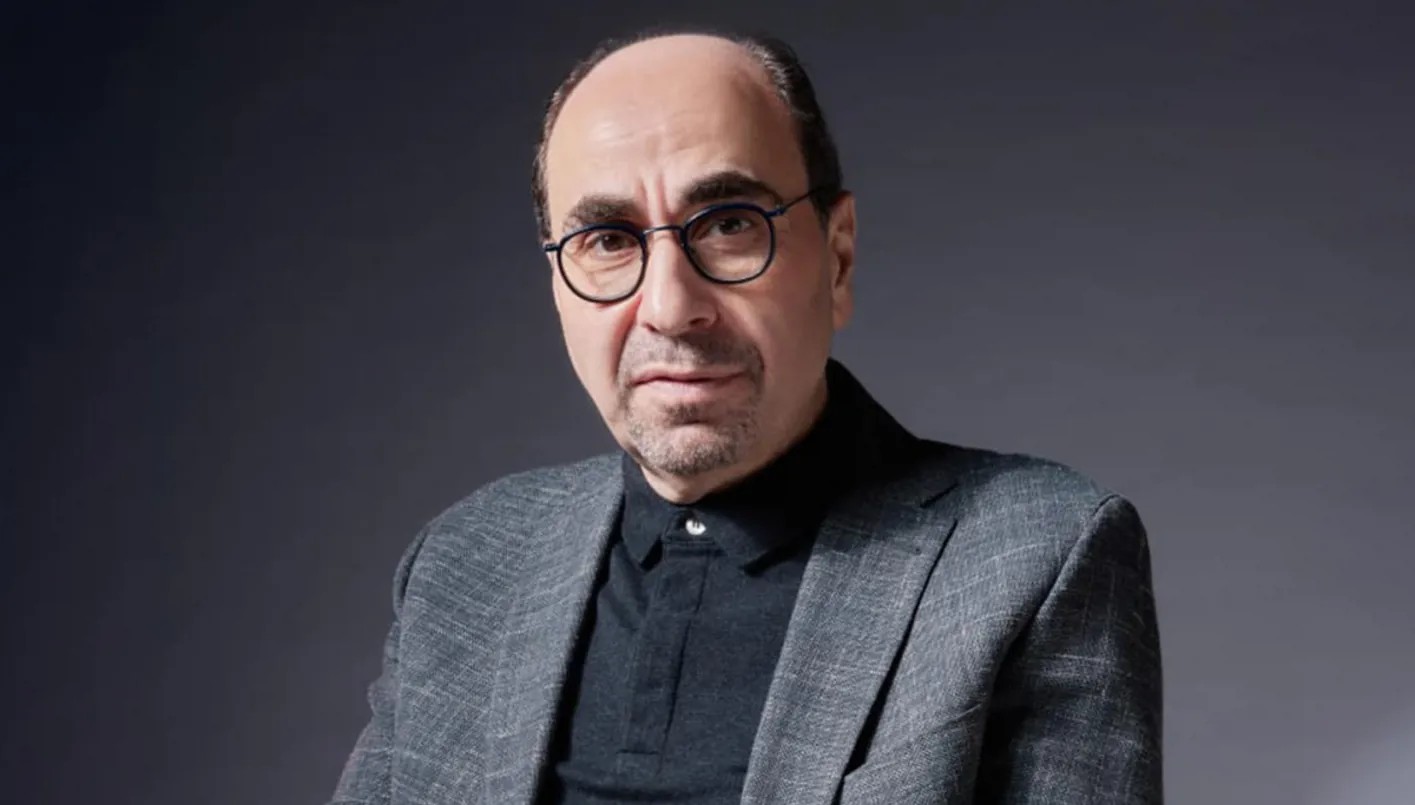
He told Annahar that the protection of authors’ and composers’ rights continues in most countries for a period ranging between 50 and 70 years after the death of the last person who contributed to writing or composing the work. This explains the continued flow of income generated by the works of many deceased artists, even decades after their passing.
He confirms to Annahar that the protection of authors’ and composers’ rights lasts in most countries between 50 and 70 years after the death of the last person who contributed to writing or composing the work, which explains the continued flow of revenues from the works of many deceased artists decades after their passing.
Who owns the rights to a song?
Osama Rahbani points out that the core rights of a song belong to the lyricist, the composer, and the music publisher, explaining that many people confuse authors’ rights with neighboring rights related to the performer’s performance and sound recording.
When a song is used, rebroadcast, or performed in public spaces, the revenues generated from public performance rights go to the lyricist, composer, and publisher, while the singer’s rights are linked to the sound recording and the performance they delivered.
How are public performance rights collected?
One of the most important of these rights is what is known as public performance, a field managed by specialized collecting societies that handle copyright collection and distribution, such as SACEM in France, ASCAP in the United States, GEMA in Germany, and SOCAN in Canada.
Entities that use music publicly are required to pay fees or fixed percentages of their revenues according to local laws, and they must also provide detailed lists of the musical works they used during the year.
After collecting these revenues, rights management societies deduct their administrative costs and then distribute the remaining royalties to the rights holders or their heirs.
Income sources: from concerts to digital platforms
He confirms that song revenues are not limited to radio and television broadcasting, but also include concerts, musical performances, theatrical and opera productions, as well as the use of songs in film and television productions and commercial advertisements.
As for digital platforms such as Spotify, Apple Music, YouTube, Anghami, and Deezer, revenues are distributed among the digital platform, distribution companies, production companies, publishers, composers, lyricists, and holders of neighboring rights.
He also explains that radio and television stations in many countries are legally required to pay a percentage that can reach up to 10% of their revenues to copyright management societies when broadcasting music.
These revenues are later distributed to songwriters, composers, and publishers according to the number of broadcasts and uses, while the singer’s share varies depending on the type of rights associated with the song and their recorded performance.
Artificial intelligence raises new legal challenges
Osama Rahbani points out that rapid technological development, particularly artificial intelligence technologies, raises new legal challenges related to the use of artists’ voices and images and the reproduction of their works in ways that did not previously exist.
It has now become possible to recreate voices or modify musical works using advanced technological tools, at a time when legislation in many countries is still trying to keep up with these rapid changes.
He notes that this development raises increasing questions about the ownership of works produced or modified by artificial intelligence, and who is entitled to the resulting rights and revenues.
In the absence of clear legislation in many countries, these issues remain the subject of broad legal debate, creating new challenges for the intellectual property protection system.
Can a song be re-recorded by another artist?
He confirms that re-performing a song previously recorded by another artist is possible in a non-commercial context, but recording it or filming it as a music video or publishing it on digital platforms requires prior permission from the rights holders or the entities managing them, as no one is allowed to exploit or distribute the song without legal authorization.
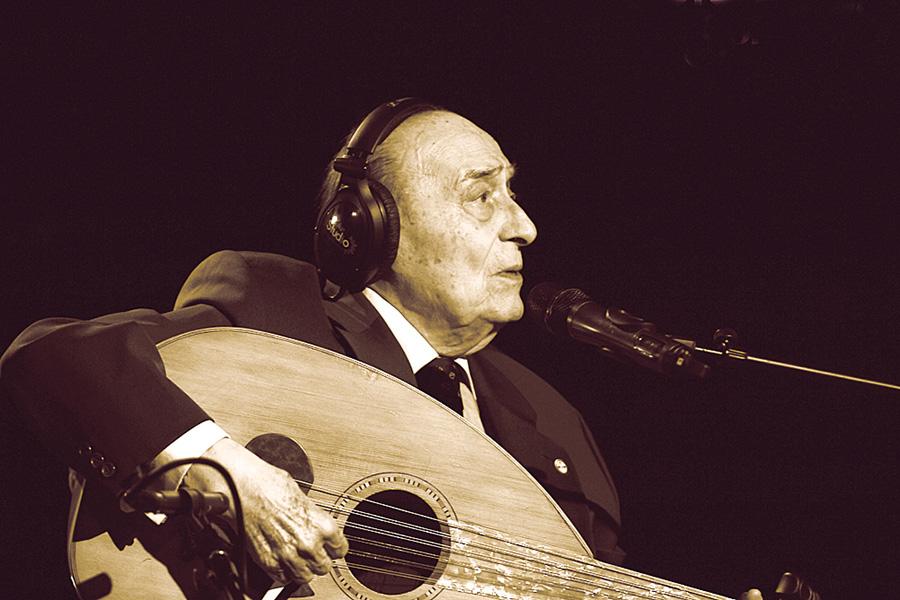
The Arab world between delay and development
Despite the existence of legal frameworks for intellectual property protection in several Arab countries, the mechanisms for collecting and distributing public performance royalties still suffer from weak implementation, including in Lebanon.
However, Osama Rahbani notes that Lebanon is considered one of the most active Arab countries in attempting to collect these rights and transfer them to international bodies responsible for distributing them to rights holders, but weak compliance and enforcement remain key obstacles to achieving tangible results.
In contrast, some Gulf countries are witnessing rapid progress in regulating the intellectual property sector by developing legislation and strengthening mechanisms for protecting musical and artistic rights, in line with the global transformations taking place in the creative industry.