

Israel-Lebanon tensions escalate as internal Israeli disputes over Beirut strikes intensify
Israeli officials, analysts, and media voices reveal deep divisions over Lebanon policy, ceasefire limits, and continued operations in southern areas amid fragile regional de-escalation efforts.



 Messenger
 Whatsapp
 Threads
 Email
Email
 Print
Print
 X
X
 Facebook
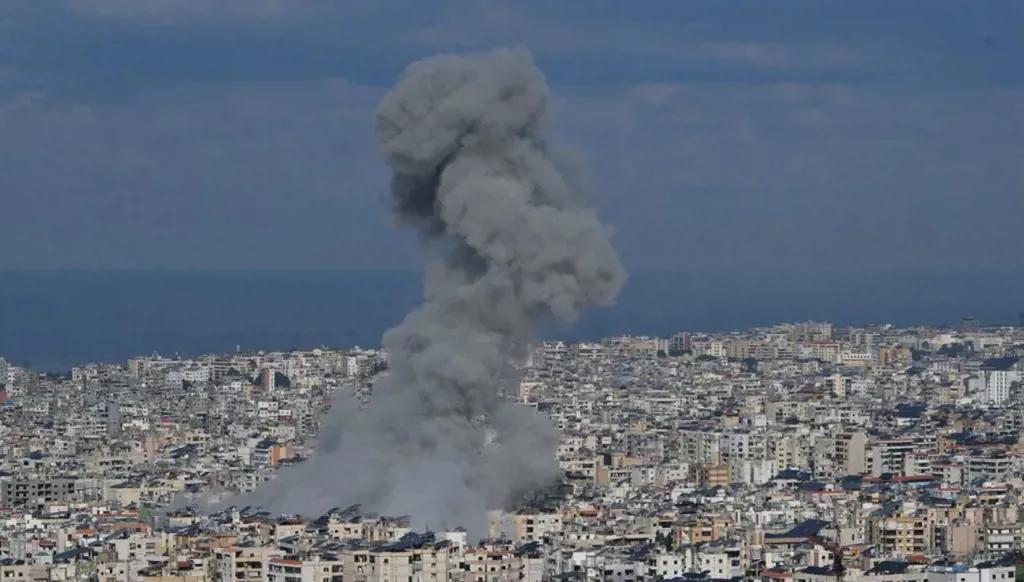


Despite American restrictions imposed on Israel that prevent targeting the southern suburbs of Beirut, opponents of Israeli Prime Minister Benjamin Netanyahu have expressed “disappointment” over these constraints and continue to call for the resumption of raids on Beirut.
In an inciting hint calling for its bombing, Israeli Finance Minister Bezalel Smotrich wrote the word “Dahieh!” on the platform “X”.

For her part, Settlement Minister and cabinet member Orit Strook said that “the restrictions on bombing Beirut should not be accepted.”
She added: “The agreement with Lebanon, as I understand it, is not a full ceasefire agreement... On the contrary, it is legitimate to continue working to destroy infrastructure in the entire South Lebanon area.”
Additionally, the Hebrew newspaper Maariv reported that “senior Israeli officials expressed their disappointment that Donald Trump stopped the Israeli attack on Beirut at the last moment, a move they claim restored Hezbollah’s sense of victory.”
Military analyst Amos Harel, writing in Haaretz, said that “Israel is experiencing a bloody political stalemate in Lebanon.”
He stated: “The last week was the bloodiest for Israel in Lebanon, and the goals of the war have not been achieved,” adding that “Iran and Hezbollah are exploiting Trump’s desire to end the war.”
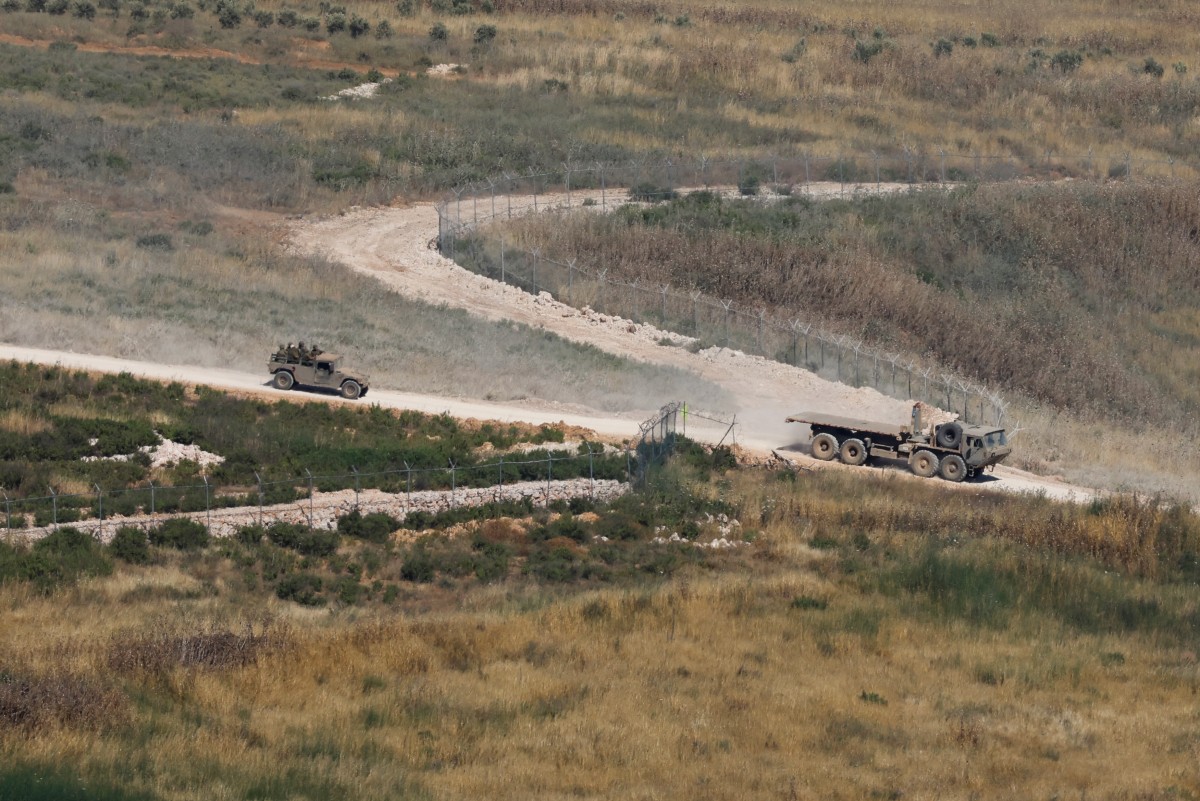
Israeli Operations in Southern Lebanon
The Israeli Broadcasting Authority (KAN) reported an “Israeli army claim to have found a secret hideout inside Chateau Fort, allegedly belonging to Hezbollah.”
Moreover, the Hebrew news site Walla reported that “the Israeli army has already begun executing localized ground incursions in the outskirts of the city of Nabatieh, and has also used various types of robots to detect explosives and uncover armed cells in the area.”
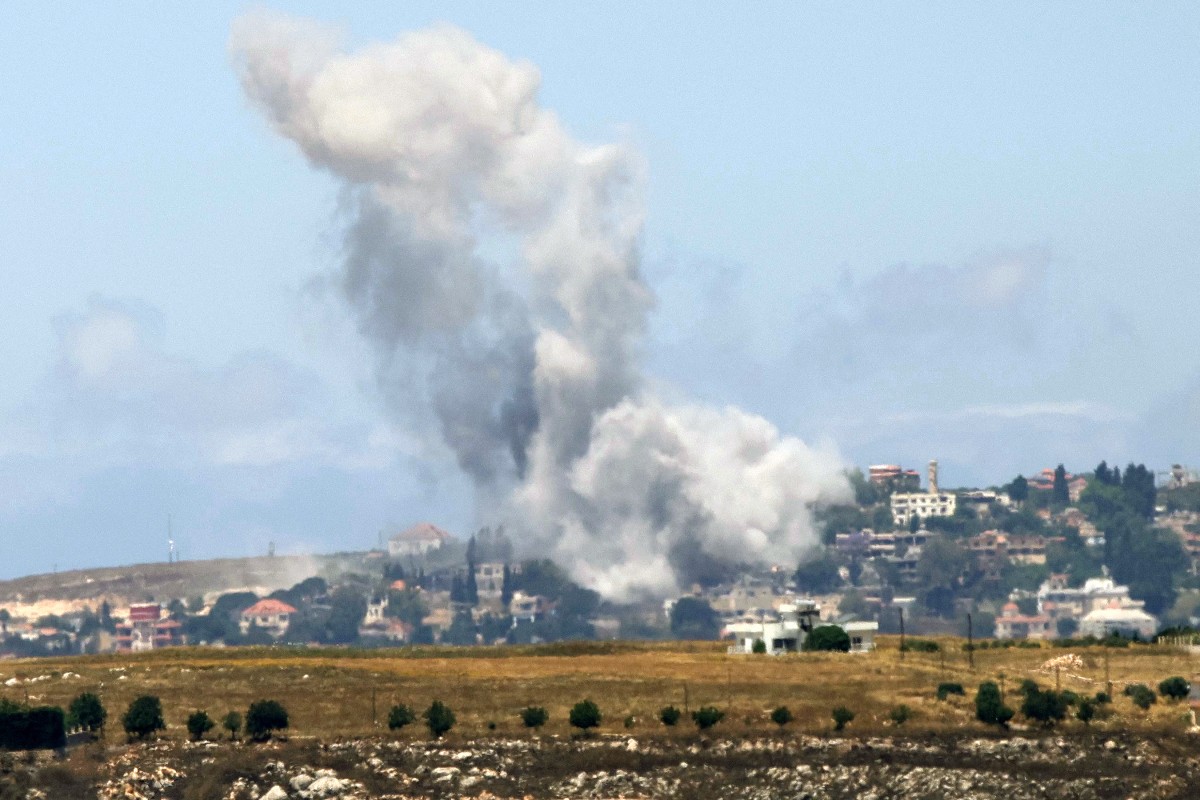
Israeli Targeting of the Lebanese Army
Military analyst Amir Bar Shalom from the Zman Israel site pointed out that “Israel is embroiled in Lebanon, not just against Hezbollah,” adding: “There is a cost to Israel’s presence in Lebanon, manifested in a slow deterioration, one aspect of which is the erosion of Israeli power.”
He noted that “targeting Lebanese military personnel is embarrassing for the Lebanese government after the announcement last week of a ceasefire agreement between it and Israel, following direct negotiations between the two sides in Washington.”
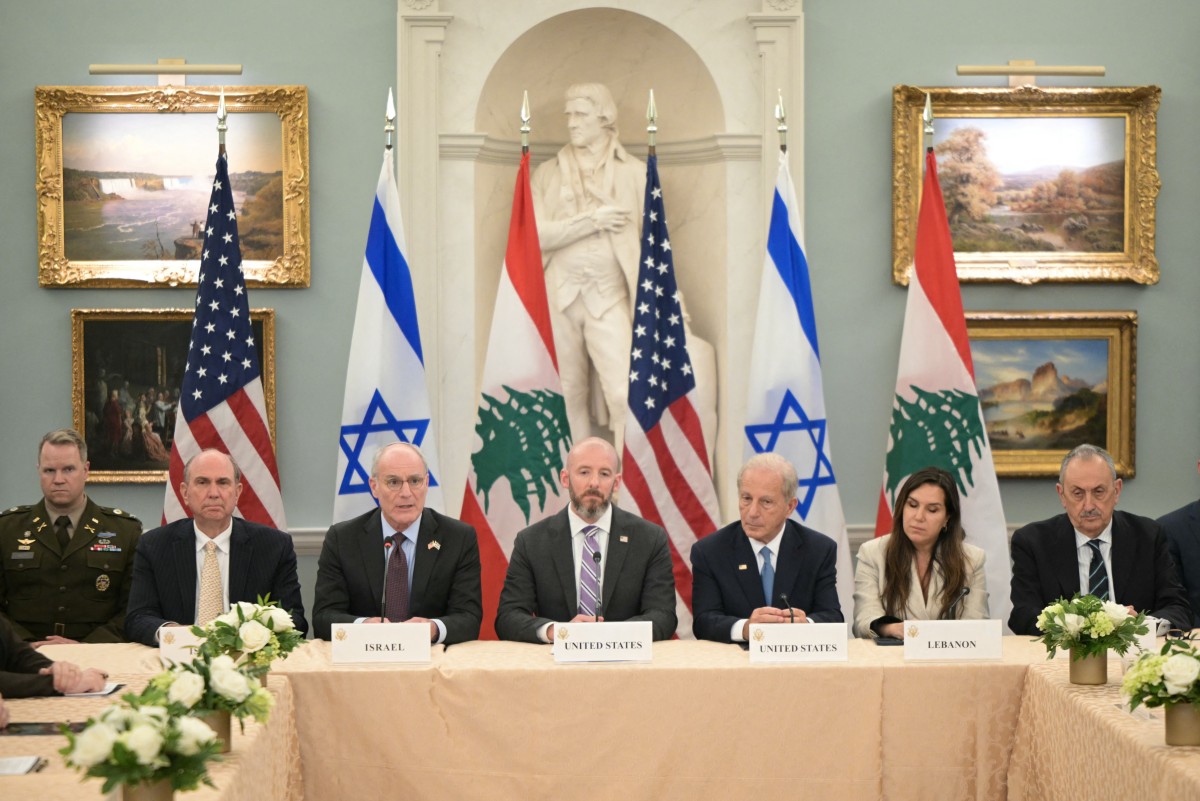
He also alleged that Israel precisely targets locations in Lebanon, but claims it did not identify the targeted vehicle as belonging to the Lebanese army and that Lebanese soldiers were inside it, arguing that “its passage was not coordinated in the area with the Israeli army. The route the vehicle took is one where any movement is pre-coordinated through the American coordination mechanism.”
According to the correspondent, Israeli Army Chief of Staff Eyal Zamir believes that “fighting in the aftermath of the Washington agreement should be confined to southern Lebanon only,” but added three conditions: freedom of action for the Israeli army similar to the situation following the ceasefire in Lebanon in November 2024; Israeli forces remaining in southern Lebanon up to the Litani River; and Hezbollah’s withdrawal north of the Litani.
The Zman Israel site quoted an informed Israeli source saying that “the Lebanese government agreed to all these conditions, which means the ball is once again in the Israeli political level’s court.”