

US Considers Redirecting Iranian Assets to Gulf Countries
As Washington weighs using Iranian assets to compensate Gulf allies for attack-related damages, tensions with Tehran deepen. With clashes spreading from the Strait of Hormuz to Lebanon, diplomatic efforts face mounting obstacles amid fears of a wider regional confrontation.



 Messenger
 Whatsapp
 Threads
 Email
Email
 Print
Print
 X
X
 Facebook
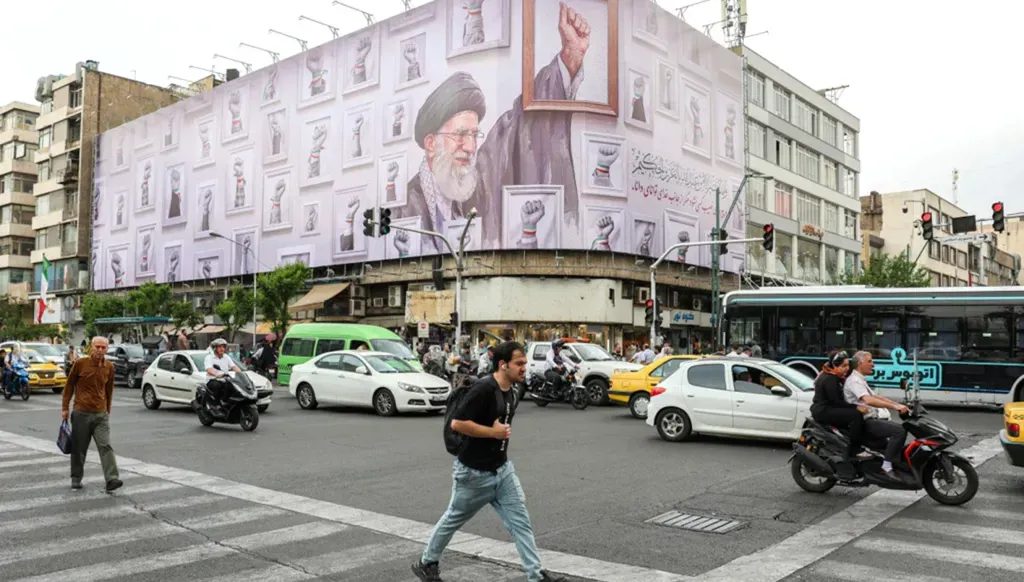


Sources informed Reuters that the United States is considering redirecting Iranian assets toward Gulf countries to finance reconstruction efforts and compensate for damages resulting from recent attacks, a move that could further complicate the fragile negotiations between Washington and Tehran.
Iranian Assets on the Negotiating Table
According to the source, U.S. Treasury Secretary Scott Bessent has tasked a specialized team with assessing the extent of the damages suffered by Washington's allies in the Gulf.
Discussions are reportedly underway regarding the possible use of Iranian assets to cover repair costs. The exact nature of these assets remains unclear, although indications suggest the proposal is not limited to frozen funds alone.
The development follows remarks by Iranian Supreme Leader adviser Mohsen Rezaee, who linked any peace agreement to the release of $24 billion in frozen Iranian assets.
Mutual Attacks and Expanding Tensions
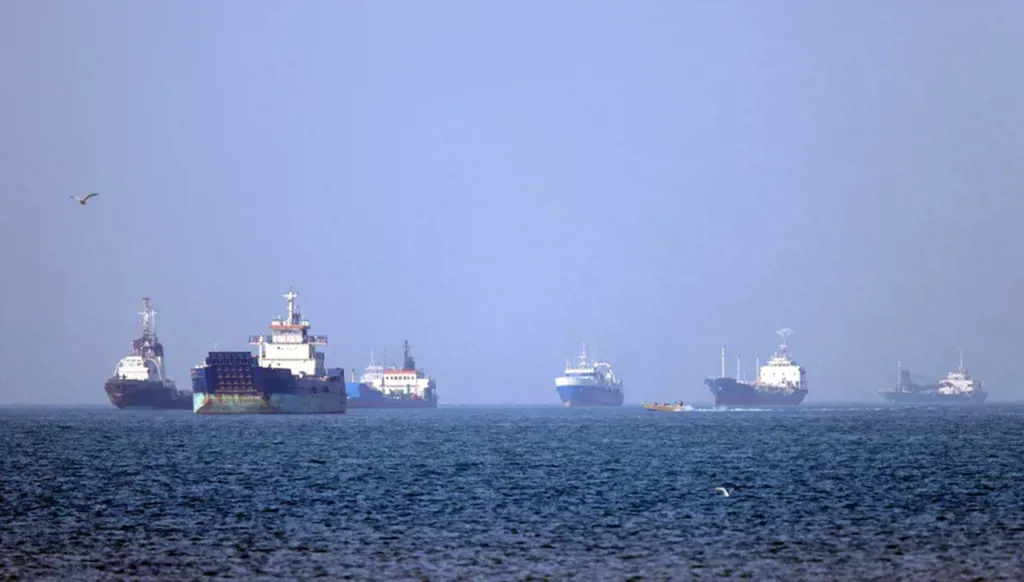
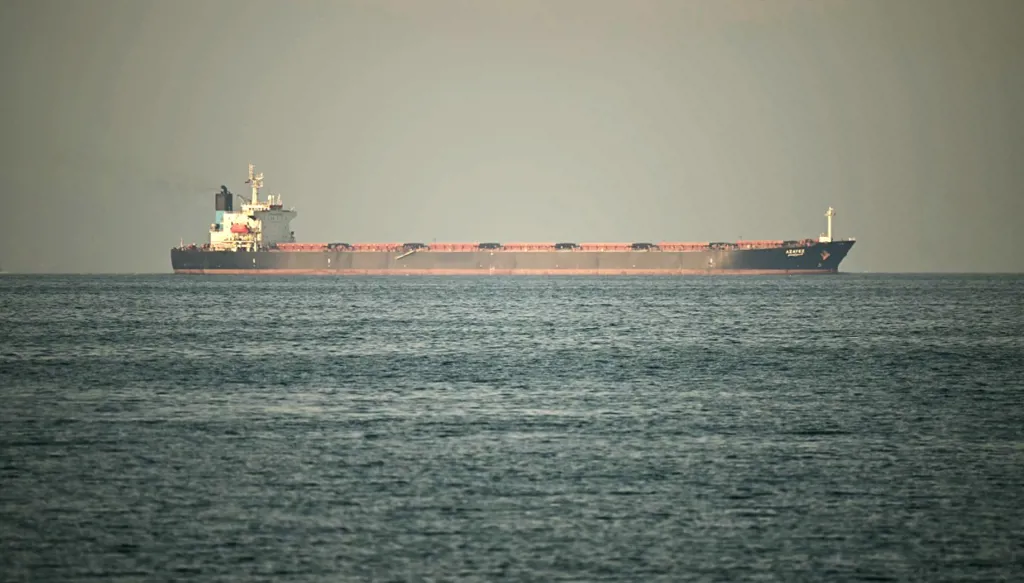
On the ground, confrontations between the parties have intensified. The United States announced that it had targeted Iranian radar sites overlooking the Strait of Hormuz after claiming that drones had threatened maritime navigation.
In response, Iran's Revolutionary Guard announced attacks on U.S. bases in Kuwait and Bahrain. Kuwait reported intercepting ballistic missiles, while sirens sounded across Bahrain amid calls for residents to seek shelter.
Stalled Negotiations and Mediation Messages
Despite ongoing indirect negotiations between Washington and Tehran, the prospects for reaching an agreement remain slim amid repeated escalations. Iran continues to seek sanctions relief, access to oil revenues, and the restoration of free navigation through the Strait of Hormuz, which has been significantly affected.
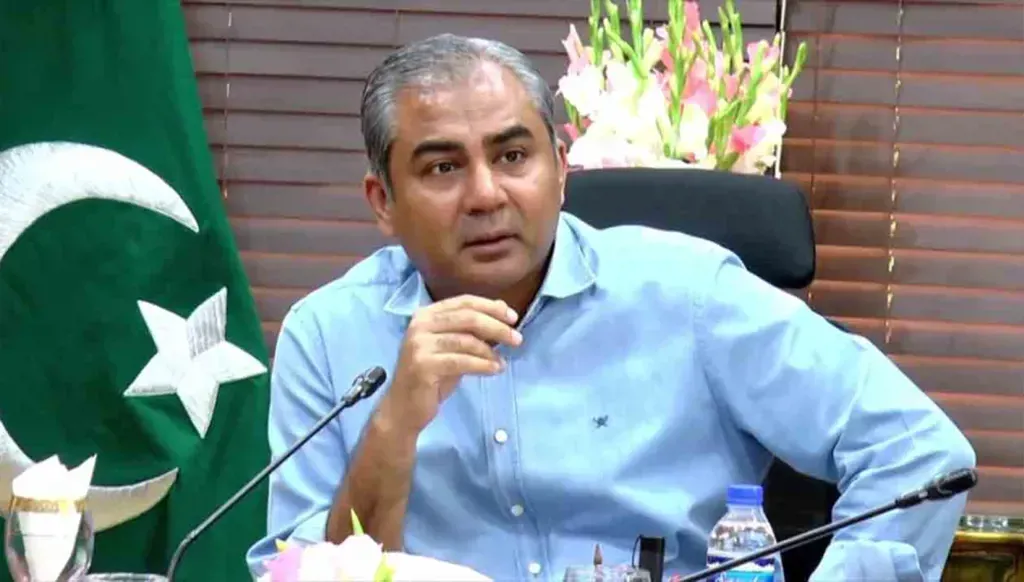
In this context, Pakistani Interior Minister Mohsin Naqvi arrived in Tehran carrying a message from the Pakistani leadership aimed at reviving mediation efforts.
Iran's Tasnim News Agency quoted Naqvi upon his arrival as saying that the message he brought to Tehran was "important," expressing hope that it would help advance the talks.
The Pakistani minister is expected to meet several Iranian officials, including Foreign Minister Abbas Araghchi, as part of Islamabad's efforts to bridge the gaps between the two sides.
Internal Pressure on Trump
In Washington, President Donald Trump is facing growing domestic pressure due to what he described as "the consequences of the war," particularly rising energy prices. He also acknowledged that Iran retains part of its missile and drone capabilities despite strikes targeting its military infrastructure.
Lebanon Remains at the Heart of Indirect Clashes
At the same time, the regional escalation continues to reverberate in Lebanon, where members of the Lebanese Army were killed in an Israeli strike in the south. Meanwhile, Tehran continues to link any agreement with Washington to a ceasefire between Israel and Hezbollah.
Israel, for its part, remains committed to continuing its operations, while Washington insists on separating the Lebanese track from negotiations with Iran, further complicating the regional landscape and keeping the possibility of a broader escalation alive.