From sea turtles to sirens: Mona Khalil’s Orange House under fire
An environmental sanctuary built around sea turtle conservation in southern Lebanon is shaken as war reaches the Orange House, where Mona Khalil’s life work took root.



 Messenger
 Whatsapp
 Threads
 Email
Email
 Print
Print
 X
X
 Facebook
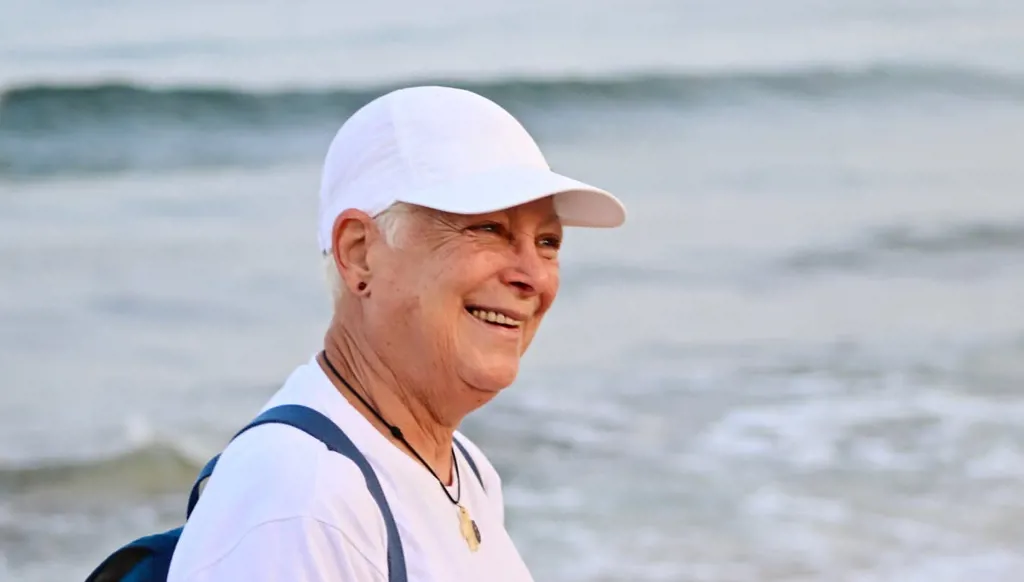


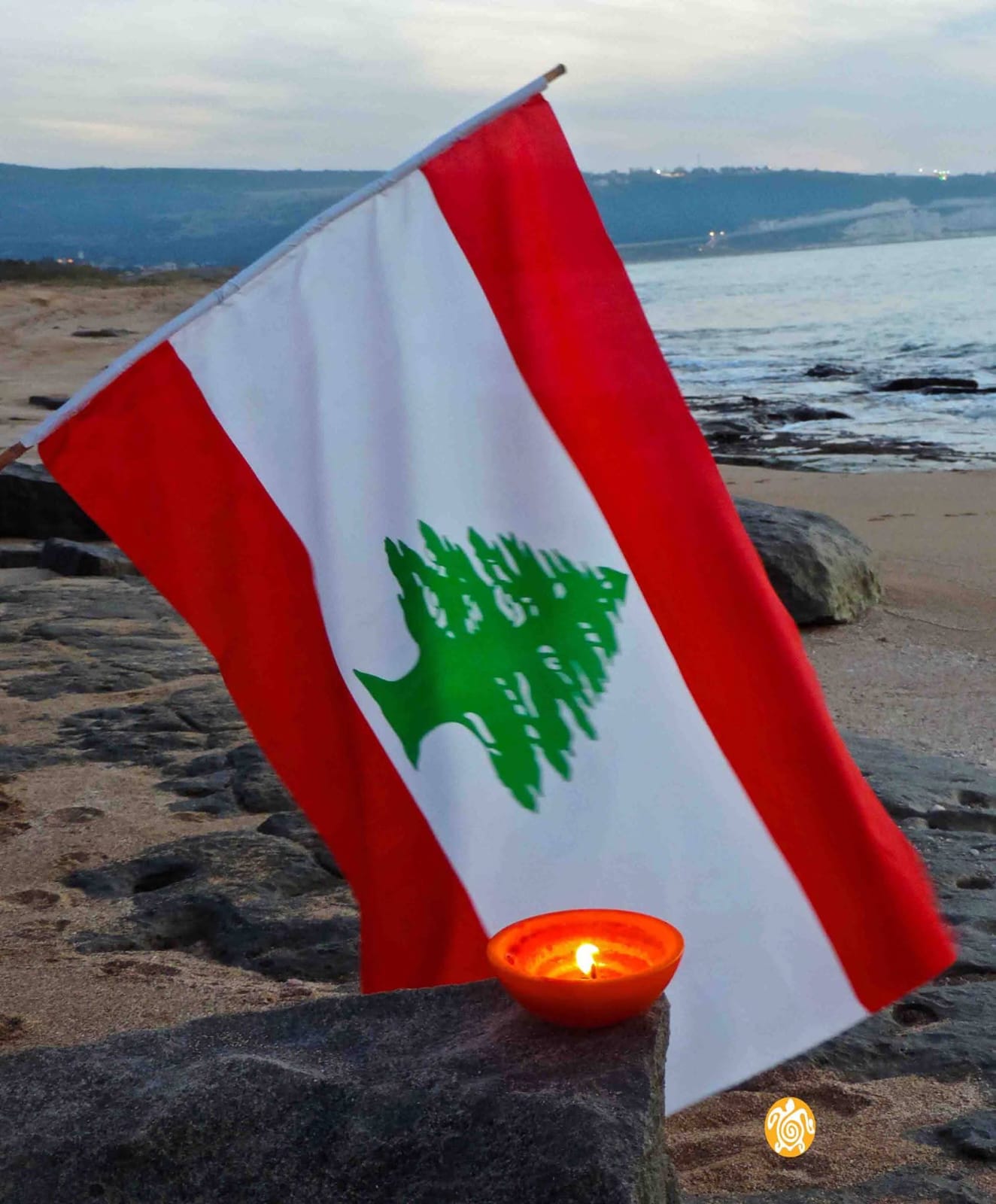
At a moment that was meant to be dedicated to celebrating World Environment Day, the Mansouri beach in southern Lebanon became a scene of pain shaped by both war and environmental destruction.
Lebanese environmental activist Mona Khalil was injured in an Israeli airstrike that targeted her home, known as the Orange House.
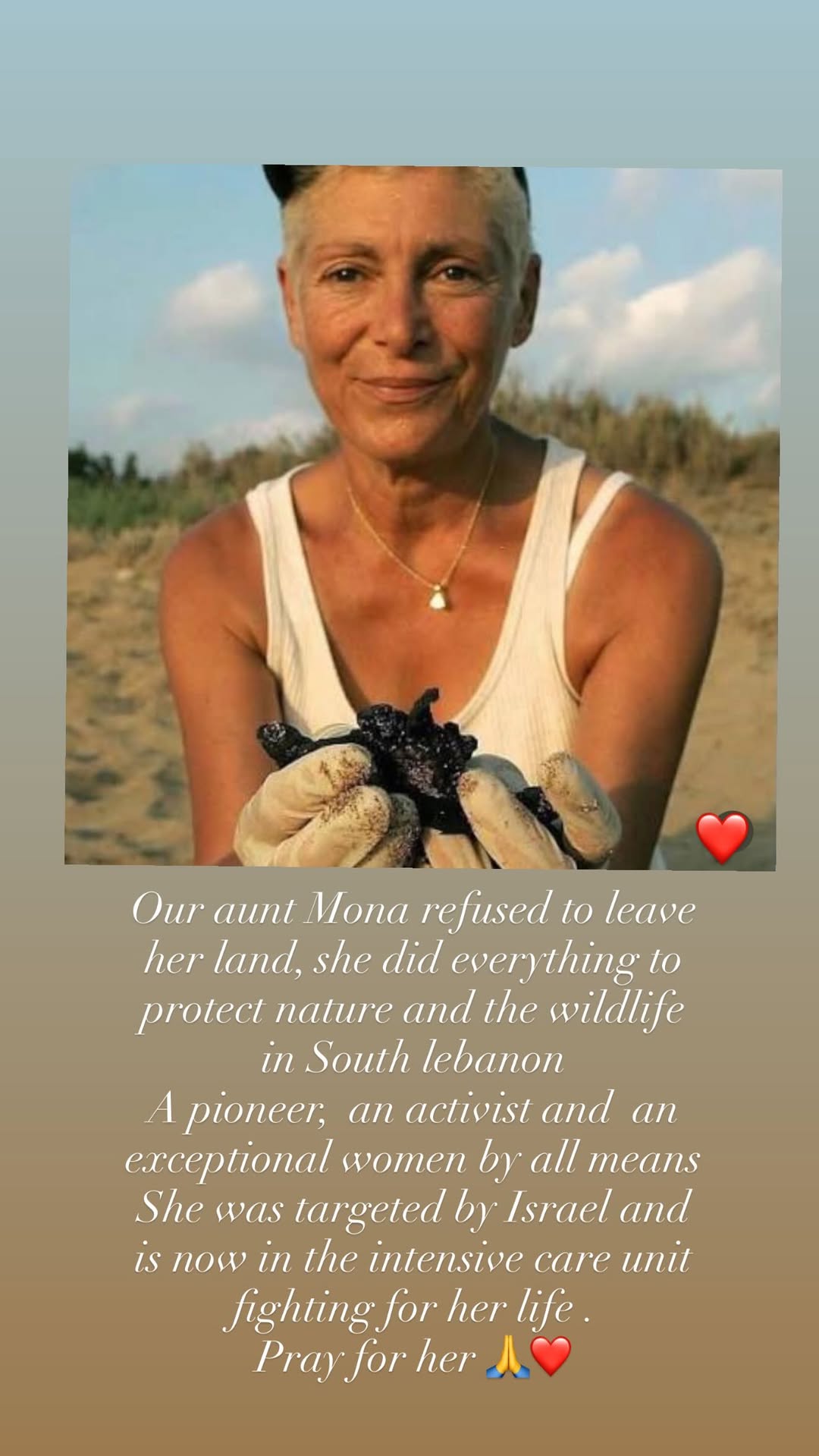
Mona Khalil, who devoted her life to protecting sea turtles, found herself at the center of an attack instead of being at the heart of an environmental celebration.
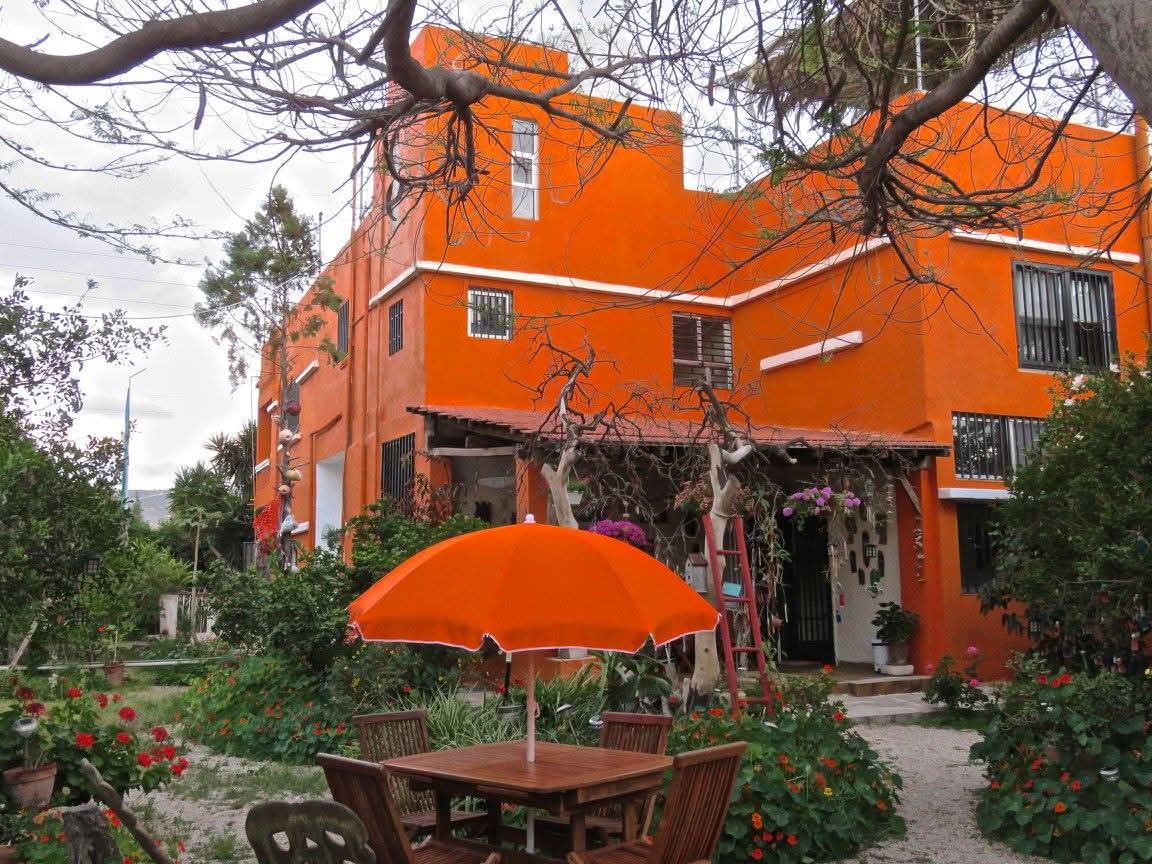
Mona Khalil's Health Condition: Testimonies from Those Close to Her
According to Annahar, the airstrike also injured Khalil's housekeeper, who suffered burns. Both women were taken to Jabal Amel Hospital, where Khalil underwent surgery after sustaining severe injuries, including a critical abdominal wound. She was later transferred to the American University of Beirut Medical Center for further treatment. Her condition has been described as critical.
One of Khalil's relatives, Lebanese designer and entrepreneur Sarah Beydoun, expressed deep sorrow. Speaking to Annahar, she said with evident anguish: "The situation is extremely difficult. What happened to her is a true definition of criminality."
She added: "Years of resilience, years of endurance in her own way. She chose to resist through her love for nature and her commitment to protecting the land, the sea, and the turtles. She never accepted the idea of leaving. We tried many times to convince her to relocate, but she refused because she believed that staying was part of her mission."
She continued: "Her determination to remain was rooted in her identity as a peaceful civilian who believed that her presence itself offered a form of protection. Unfortunately, she never imagined that such criminal acts could reach this level."
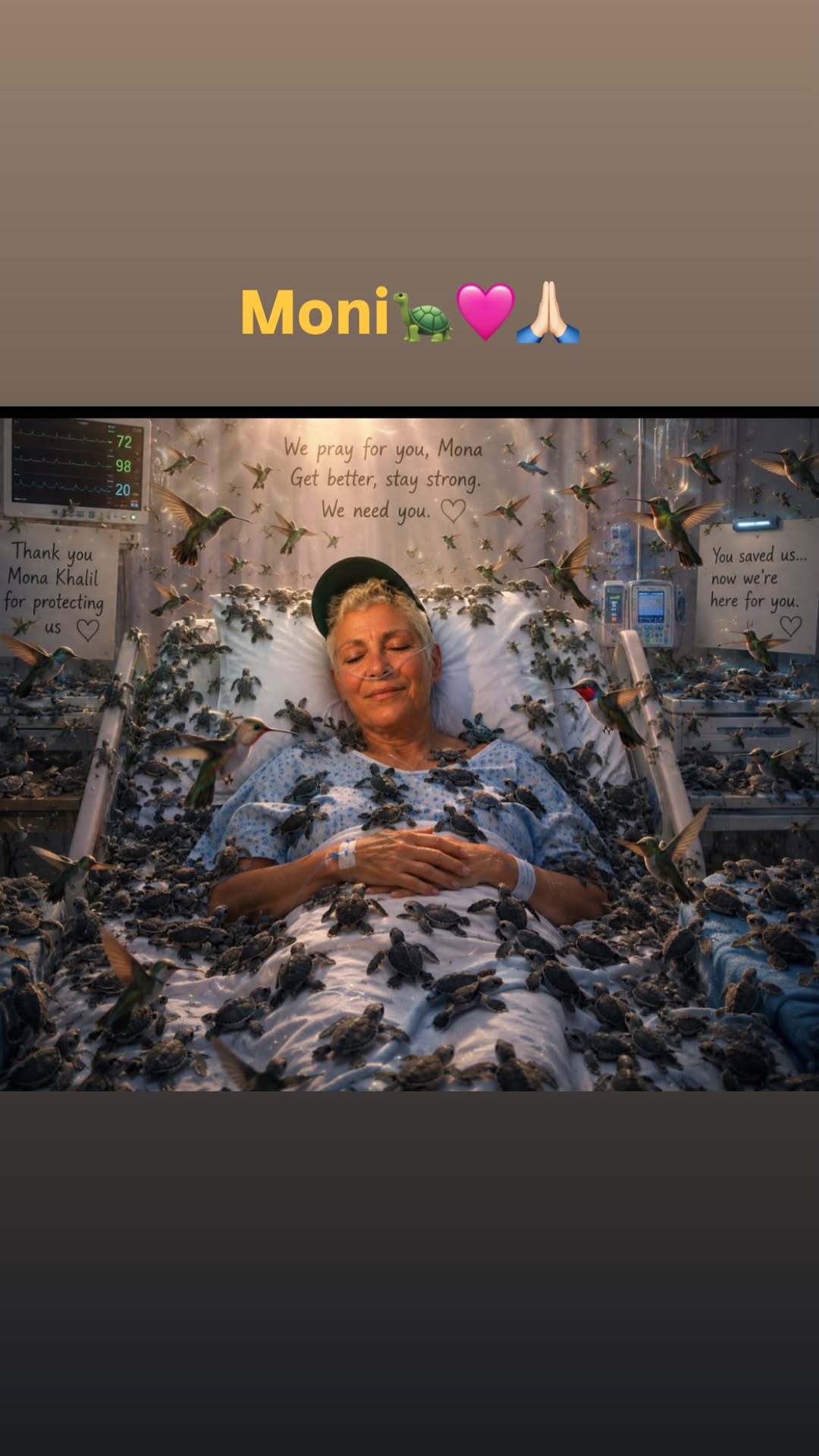
Lebanese food blogger Tina Khalil (Mrs. Clueless), who is also a relative of Mona Khalil, wrote an emotional message: "We are praying for you, Mona. Recover, stay strong, we need you."
An expressive image shared by Tina, depicting Mona in the hospital surrounded by the turtles she once rescued, became a powerful and poignant symbol. It was as if the very marine life she had spent years protecting had returned to repay her kindness, saying: "Now we are here for you."
Environmental Activist Fadia Jomaa on Mona Khalil's Mission
Environmental activist Fadia Jomaa, who spoke to Annahar about the incident, said that Mona was at her home overlooking Mansouri Beach when it was struck. Despite the growing dangers, she had remained determined to stay.
Jomaa said: "Mona considers herself a civilian in every sense. She carries no weapon and is not involved in any conflict. She believed that remaining in her home was part of protecting it, and that the Orange House was not simply a residence but a living space and a symbol of life."
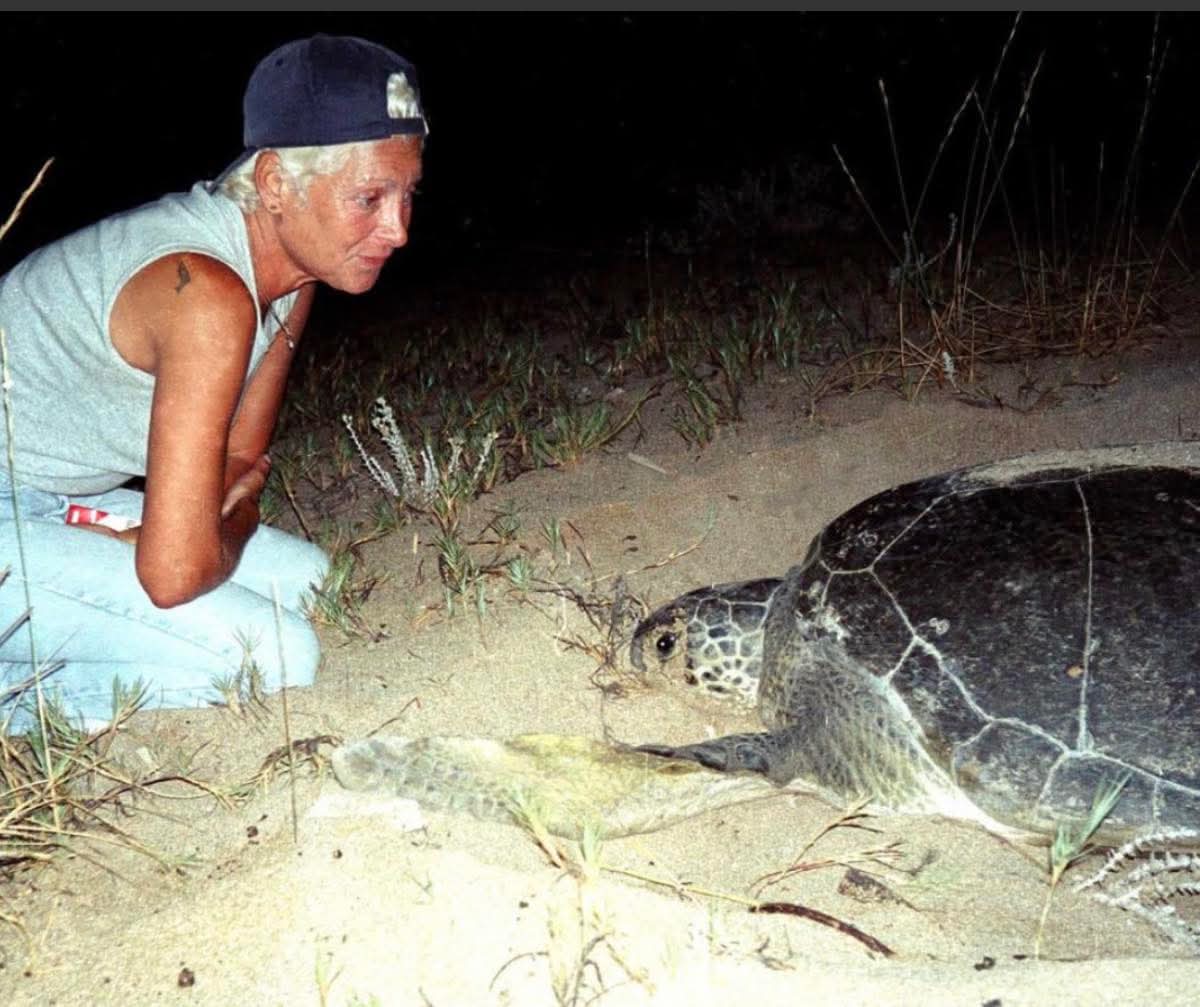
However, Mona Khalil's story did not begin with the attack. It is the culmination of a long journey that made her one of Lebanon's most prominent environmental advocates.
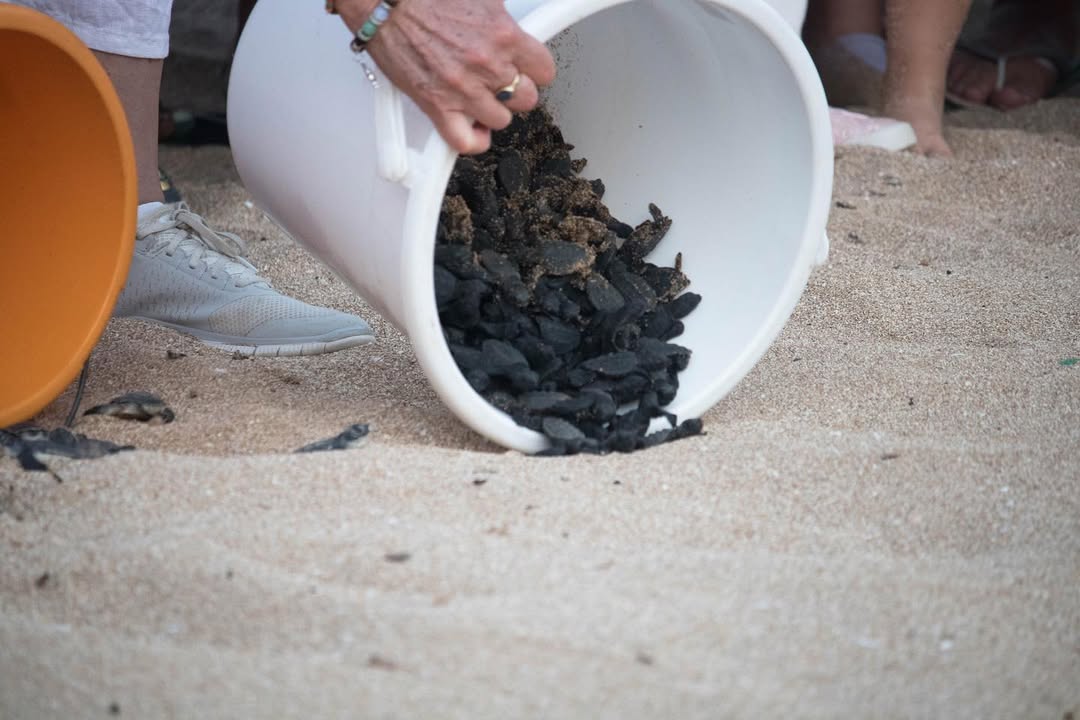
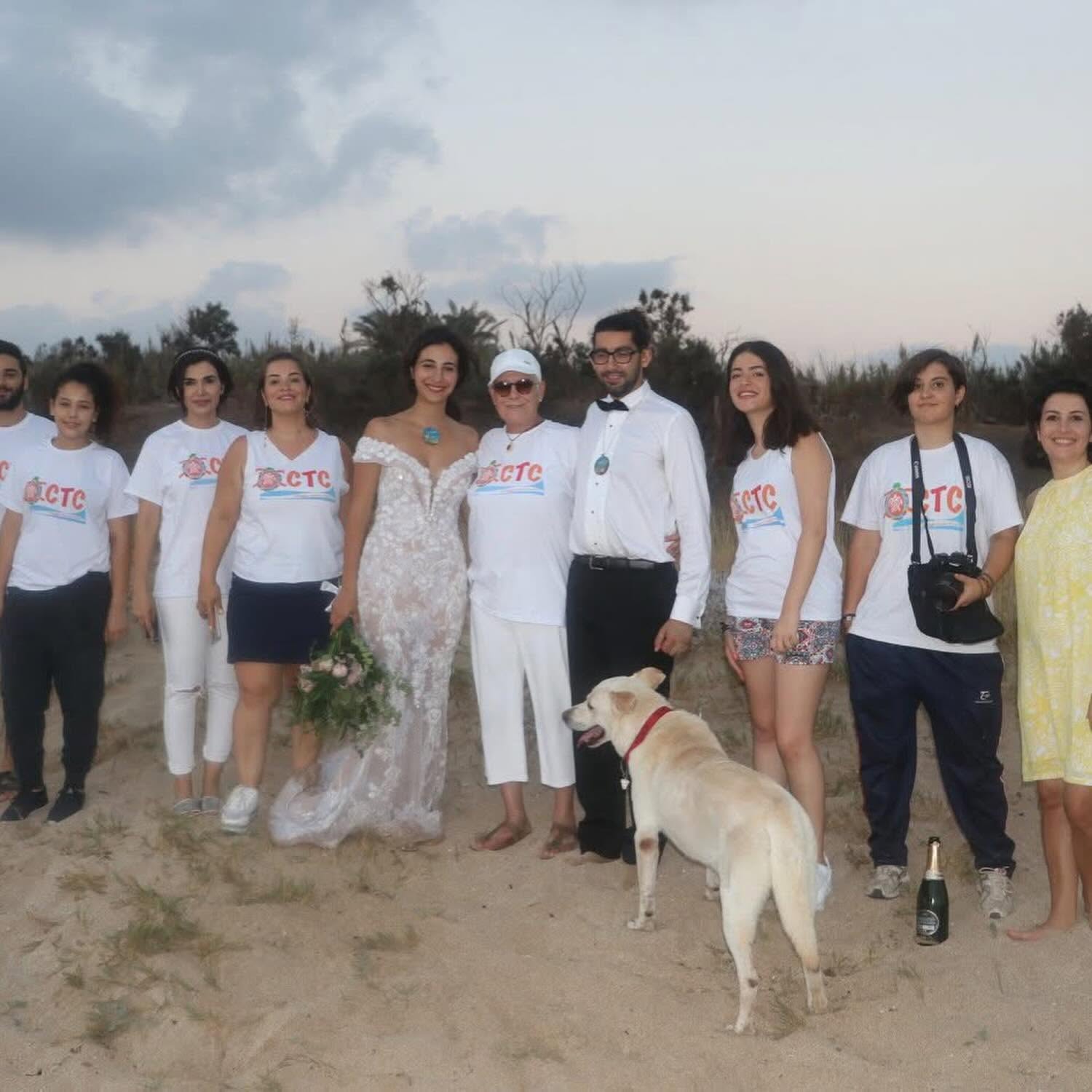
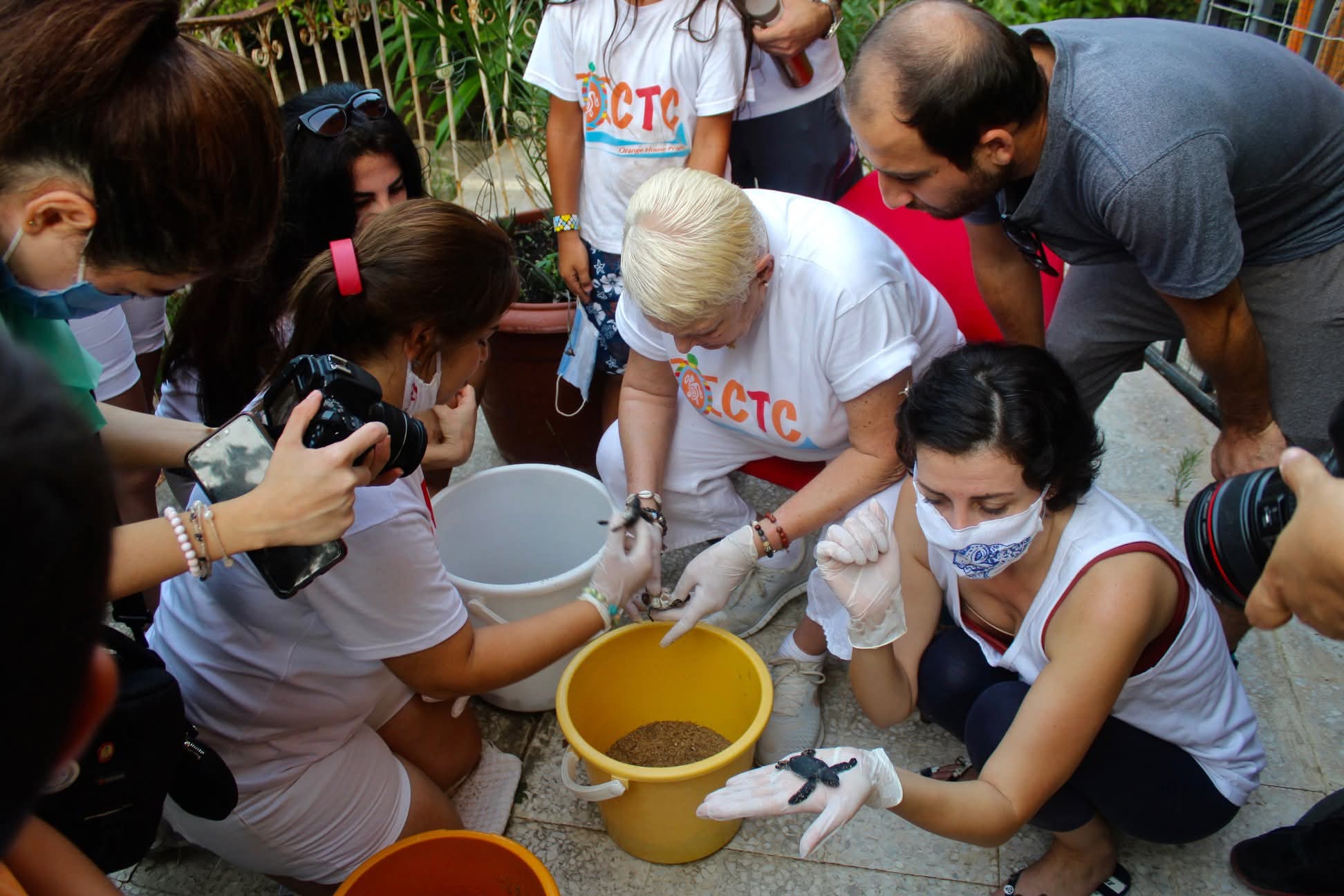
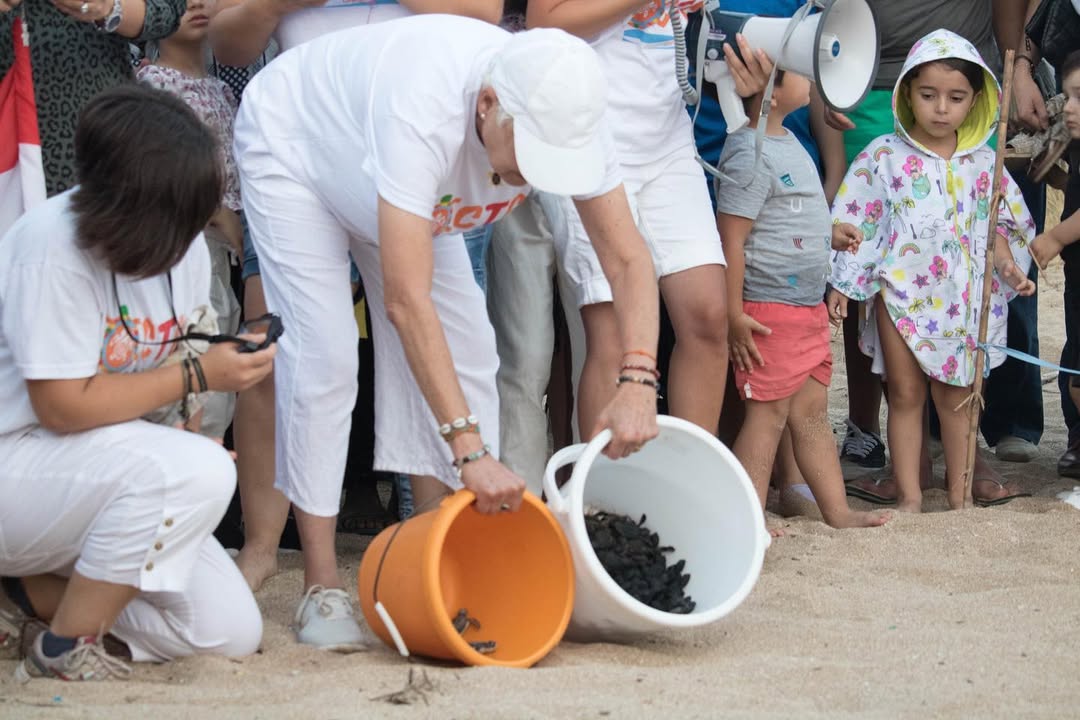
She was the driving force behind one of the first individual initiatives to protect sea turtles along Lebanon's southern coast. She established the Orange House in Mansouri, which gradually evolved into a semi protected environmental sanctuary welcoming volunteers, researchers, and people interested in marine life.
Fadia Jomaa describes her as "more than an environmental activist. She represents an idea of a different Lebanon, a Lebanon built on the relationship between people and nature, and on the belief that protecting vulnerable creatures is not a luxury but a necessity for survival."
The Story of the “Orange House": A Place That Became a Symbol
This conviction did not emerge out of nowhere. Years earlier, Mona went through one of the most painful periods of her life after losing her son in a tragic accident that happened in front of her.
That loss pushed her into a difficult phase that led her to leave Lebanon for the Netherlands, where she lived for several years and obtained Dutch citizenship, before returning to southern Lebanon in 2000 to begin a new chapter of her life.
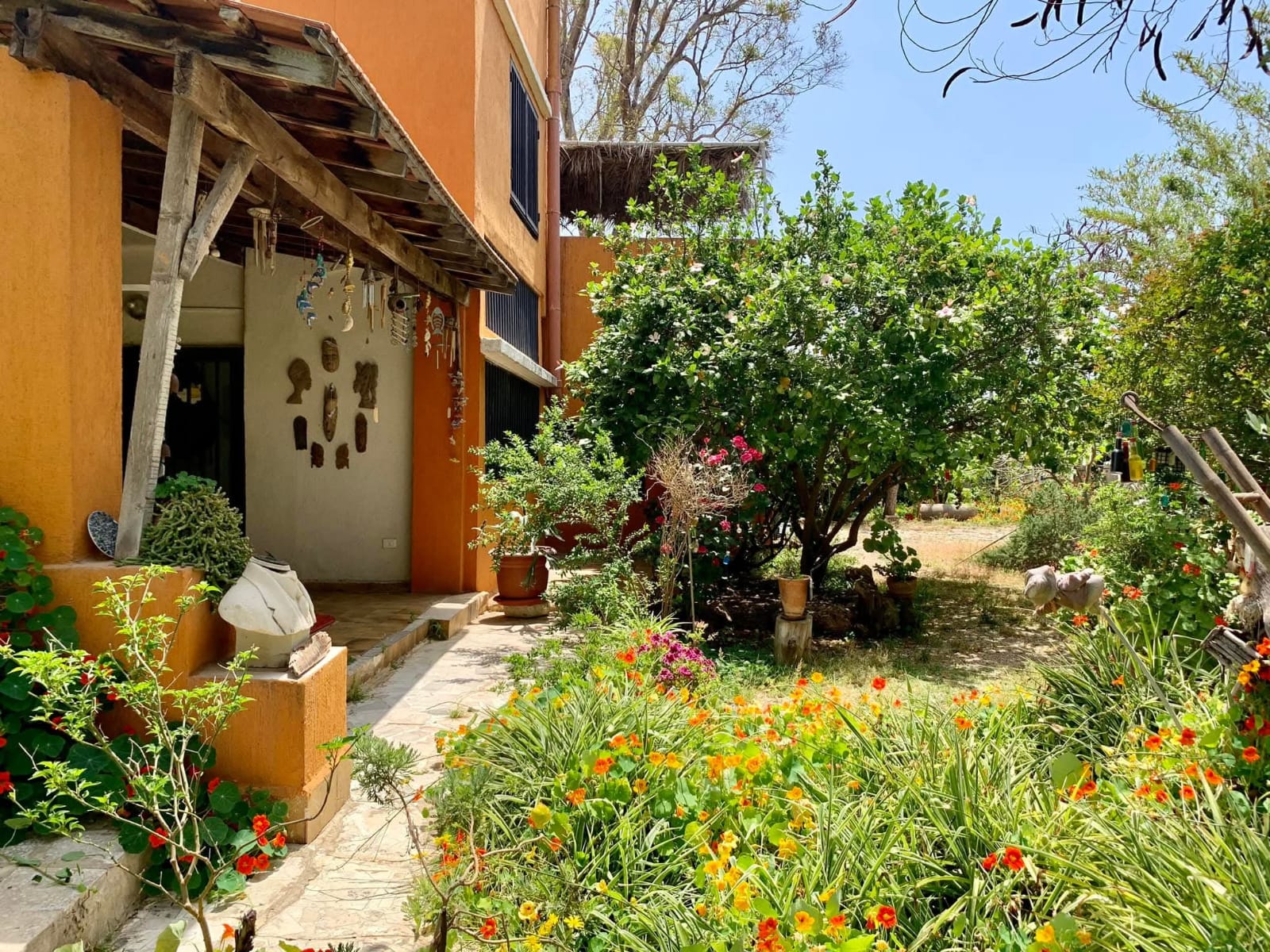
Upon her return, she settled in the family home overlooking the sea, surrounded by a quiet orchard. It was there that the “Orange House” was born, a name that carried the memory of Dutch colors and the longing of return, before gradually transforming into an open environmental center.
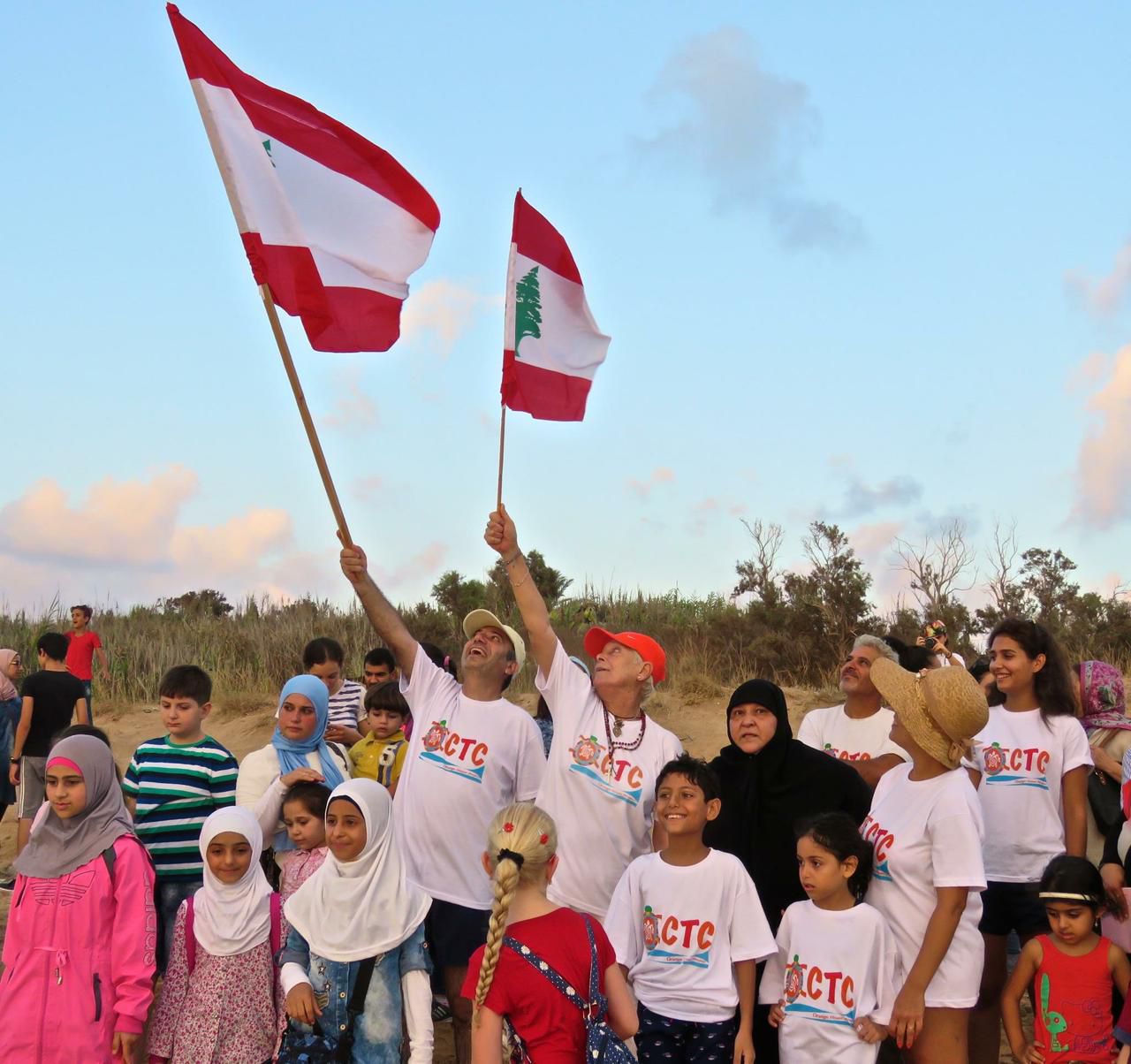
Sea Turtles in Lebanon
Environmental reports indicate that civil initiatives in Lebanon are often affected by the repercussions of conflicts, which places environmental protection projects, including sea turtle conservation, in a fragile position amid repeated military escalations.
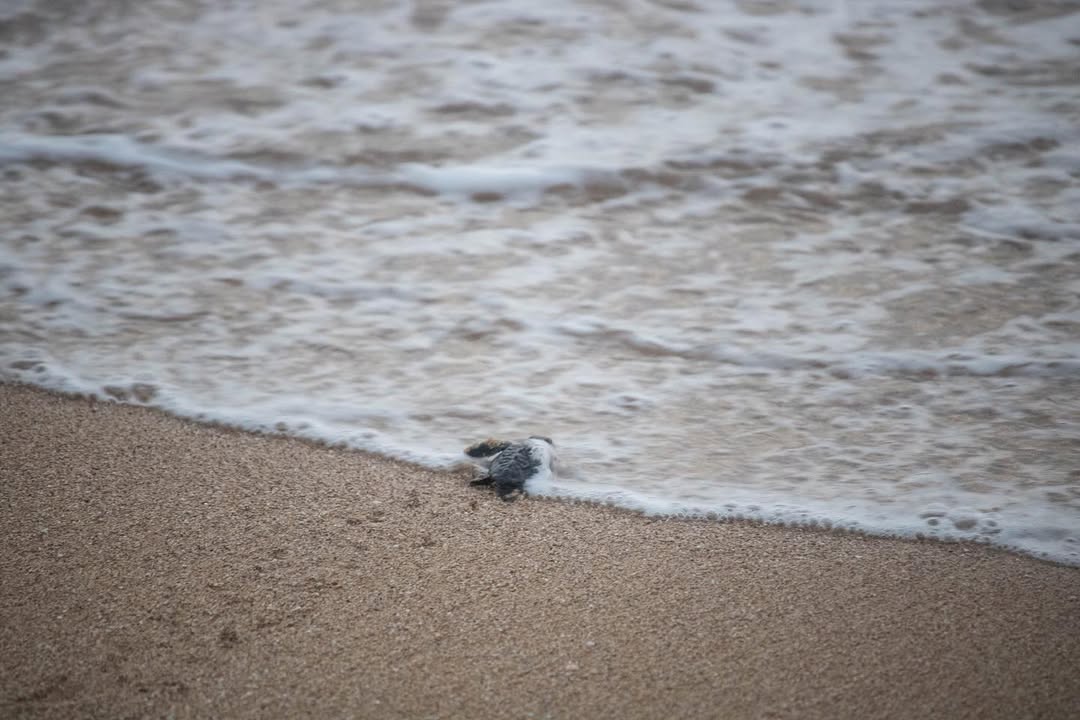
For those unfamiliar with the subject, two main species of sea turtles live in southern Lebanon: the loggerhead turtle Caretta caretta and the green sea turtle Chelonia mydas.