

Iraq weighs dialogue and enforcement in push to bring all arms under state control
Iraq's government faces a critical test as it seeks to bring all weapons under state control, balancing negotiations with armed factions against growing pressure to enforce its authority and uphold the rule of law.



 Messenger
 Whatsapp
 Threads
 Email
Email
 Print
Print
 X
X
 Facebook
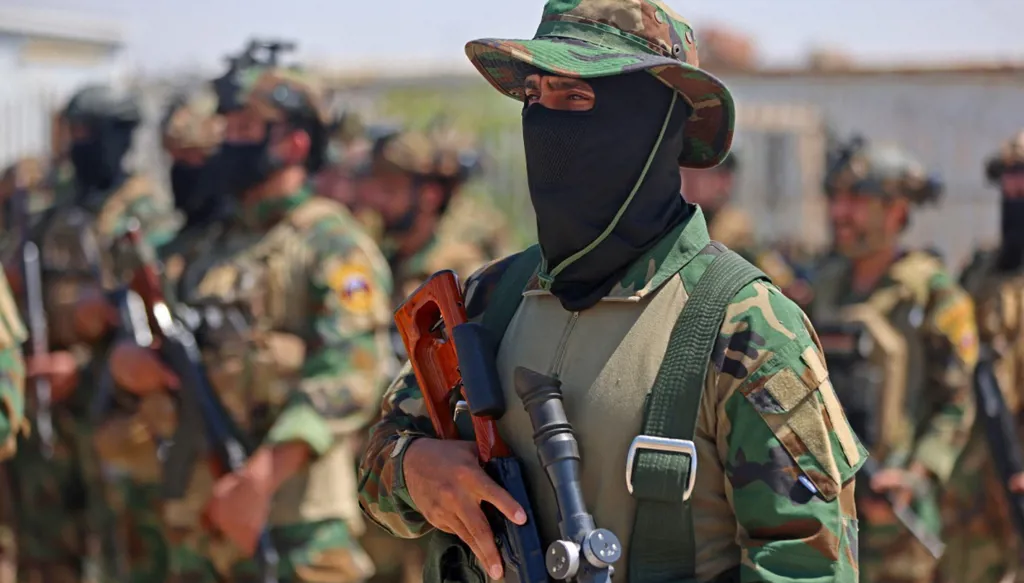


The issue of weapons outside state control is considered one of the most complex and sensitive challenges facing the government of Iraqi Prime Minister Ali Al Zaydi, which has placed the restriction of arms to state authorities at the top of its political and security priorities.
This issue is widely seen as a key test of the government's ability to enforce the rule of law and strengthen state institutions after many years of multiple armed power centers and the overlap of security, political, and military roles in Iraq.
The importance of this issue has grown amid rapidly evolving regional and international developments, as well as ongoing US and Western pressure to end the phenomenon of uncontrolled weapons and bring all Iraqi armed factions under state authority.
It also comes amid rising domestic calls arguing that the continued existence of armed groups with independent military decision making represents a direct challenge to state authority and hinders political, economic, and investment reform efforts.
Dialogue as a Priority
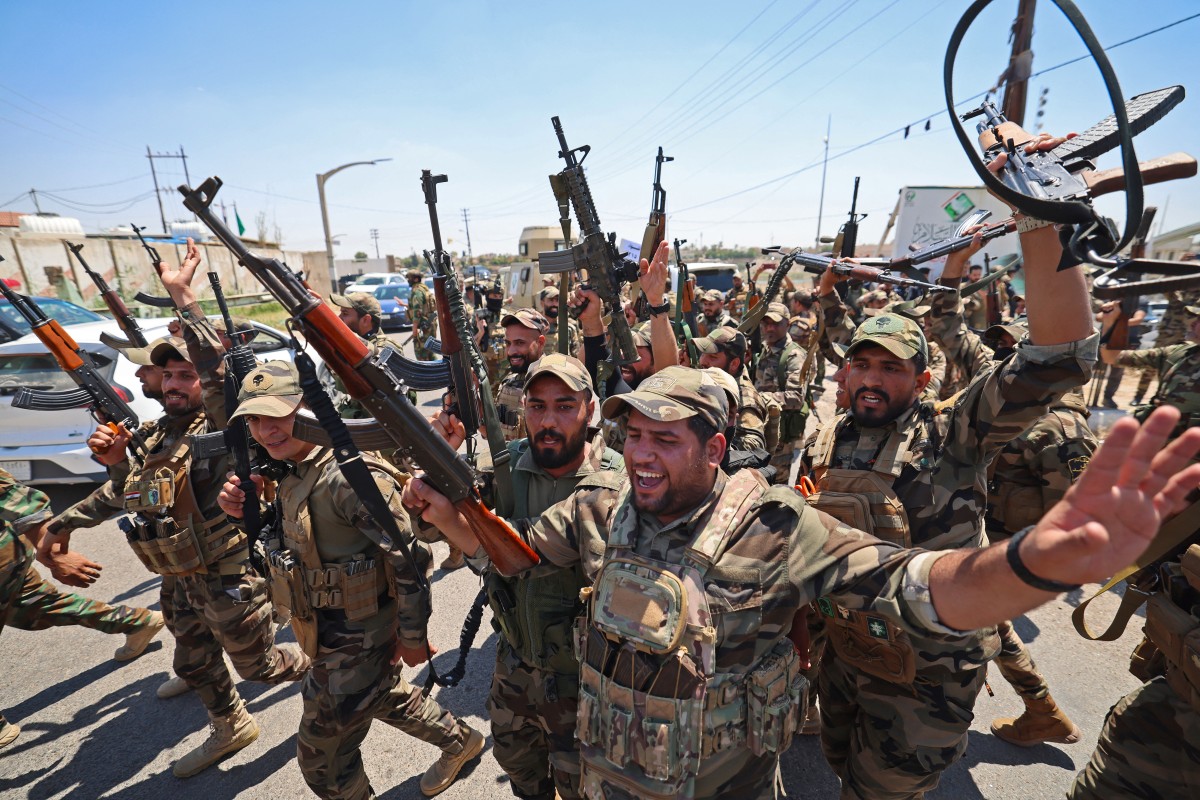
Although a number of political forces and factions have expressed their willingness to cooperate with the government's initiative to place all weapons under state control and participate in new security and legal arrangements, prominent factions, including Harakat Hezbollah al Nujaba and Kataib Hezbollah, have declared their refusal to surrender their weapons. They insist on what they describe as the continued role of the "resistance" and the need to retain their military capabilities outside official state structures.
This position places the Iraqi government before a complex challenge: enforcing the law on the one hand while avoiding a domestic confrontation that could have far reaching security and political consequences on the other.
According to Iraqi government and political sources who spoke to Annahar, Al Zaydi's government is not currently moving toward direct confrontational measures. Instead, it prefers to exhaust all political and negotiation channels before considering more stringent options.
The sources added that unofficial dialogue and communication channels remain active between government representatives, influential political actors, and the factions opposing the initiative, in an effort to reach understandings that would address the issue with the least possible level of tension and security repercussions.
They further explained that the government enjoys notable domestic and international support for advancing its project to place all weapons under state control, particularly after this objective was incorporated into the government's program and the prime minister's official commitments.
The government is also seeking to achieve tangible progress on this issue before the end of the current year, viewing it as a key benchmark for measuring its success in asserting state authority and strengthening security stability.
All Options Remain on the Table
The sources stressed that the government "does not rule out resorting to stricter legal and security measures if certain armed factions continue to reject the initiative to place all weapons under state control or use their weapons to influence state decisions and institutions." However, it continues to prioritize dialogue and political understanding as its primary tools for addressing the issue, given the sensitivity of the security and political landscape and the complexities of Iraq's internal balance of power.
They added that "all scenarios remain possible, ranging from negotiated solutions to the activation of legal and executive measures available to the state to enforce its decisions and protect its sovereignty."
The sources also noted that Al Zaydi is operating with broader political backing than was available to previous governments, particularly in light of support from factions within the Coordination Framework for advancing the disarmament initiative. This provides him with greater room to maneuver and make decisions should negotiations reach a deadlock.
Between Settlement and Enforcement of the Law