2026 World Cup stadiums: Inside the iconic U.S., Mexico & Canada venues set to host history
From Mexico City’s legendary football cathedral to Los Angeles’ modern super-arena and Seattle’s roaring fortress, here are the 2026 World Cup stadiums shaping the biggest tournament in history across North America.




 Messenger
 Whatsapp
 Threads
 Email
Email
 Print
Print
 X
X
 Facebook


The United States, Mexico, and Canada are preparing to host the largest edition of the World Cup, with the 2026 tournament set to take place from June 11 to July 19, 2026, across 16 cities.
For the first time, the World Cup will be hosted by three countries simultaneously, as Canada, Mexico, and the United States join forces to stage a landmark edition of the world’s biggest sporting event. A total of 16 venues have been selected to host the matches—the largest number since the 2002 tournament in South Korea and Japan—with several striking stadiums set to showcase the best of the beautiful game.
Here are the World Cup 2026 Stadiums
Canada
Toronto Stadium
Location: Toronto, Ontario, Canada
Capacity: 45,000
Opening: 2007
World Cup 2026 Matches: Five group stage matches, one Round of 32 match
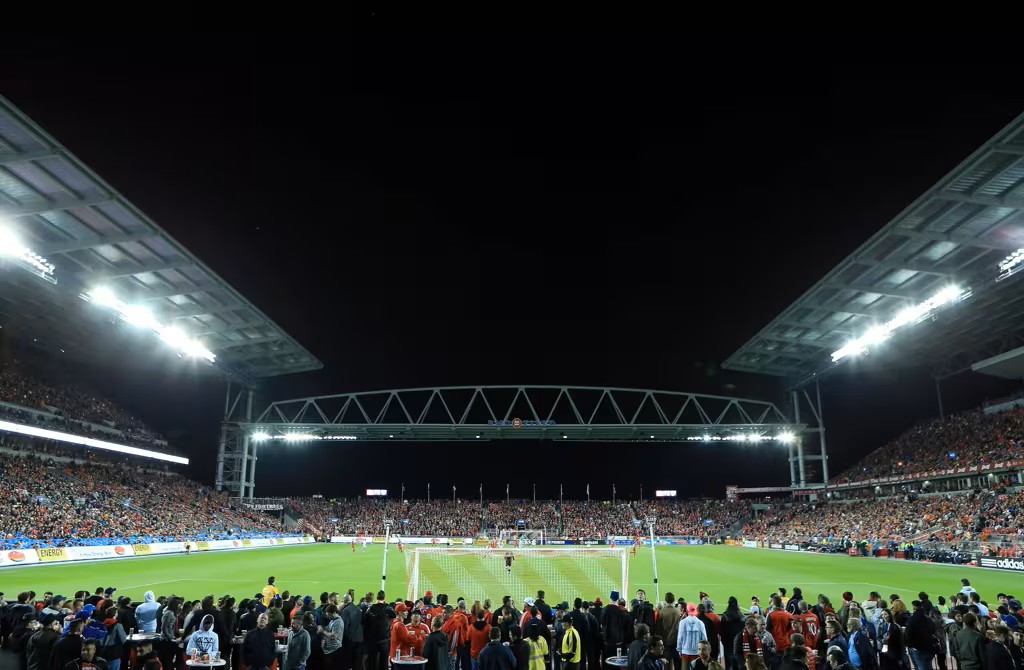
Built with an English Premier League-style roof canopy and steep stands at both ends, Toronto Stadium closely resembles traditional British football grounds. In Canada, it has become a symbol of progress as the country’s first purpose-built soccer stadium and the home of Toronto FC, Canada’s first MLS team. It also became the first stadium outside the United States to host an MLS Cup, and its vibrant atmosphere helped inspire Toronto’s treble-winning campaign in 2017. The venue has also hosted FIFA youth tournaments, including the men’s and women’s U-20 World Cups in 2007 and 2014.
BC Place Vancouver
Location: Vancouver, British Columbia, Canada
Capacity: 54,000
Opening: 1983
World Cup 2026 Matches: Five group stage matches, one Round of 32 match, and one Round of 16 match
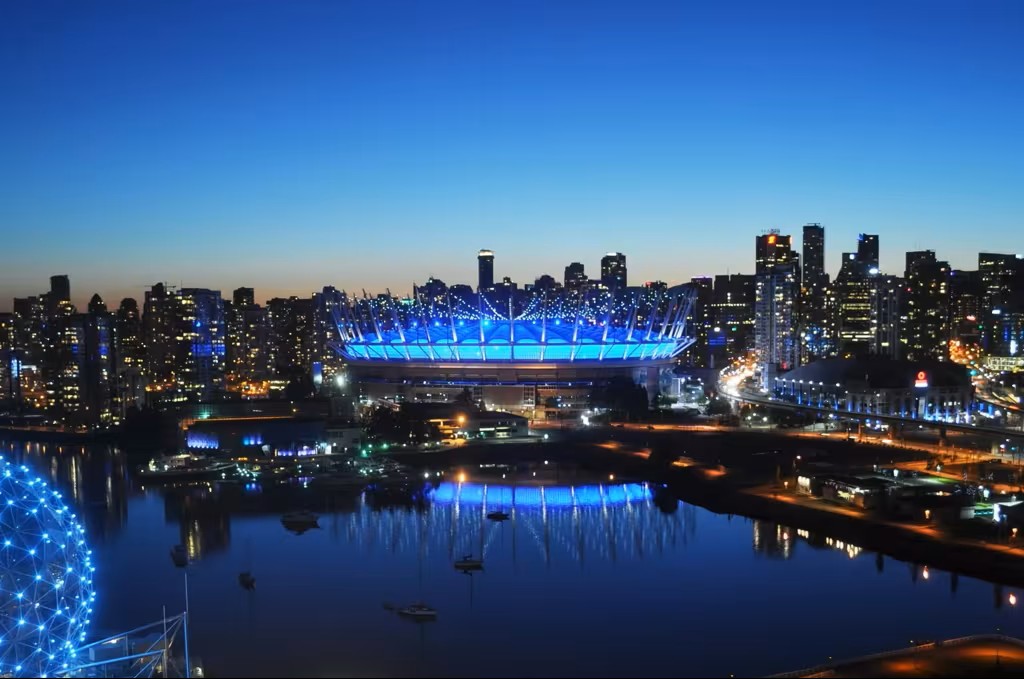
Now in its fourth decade, BC Place remains a striking architectural landmark on the edge of False Creek. Recently renovated, it is home to the MLS side Vancouver Whitecaps and CFL team BC Lions, and has occasionally hosted the Canadian national team.
Mexico
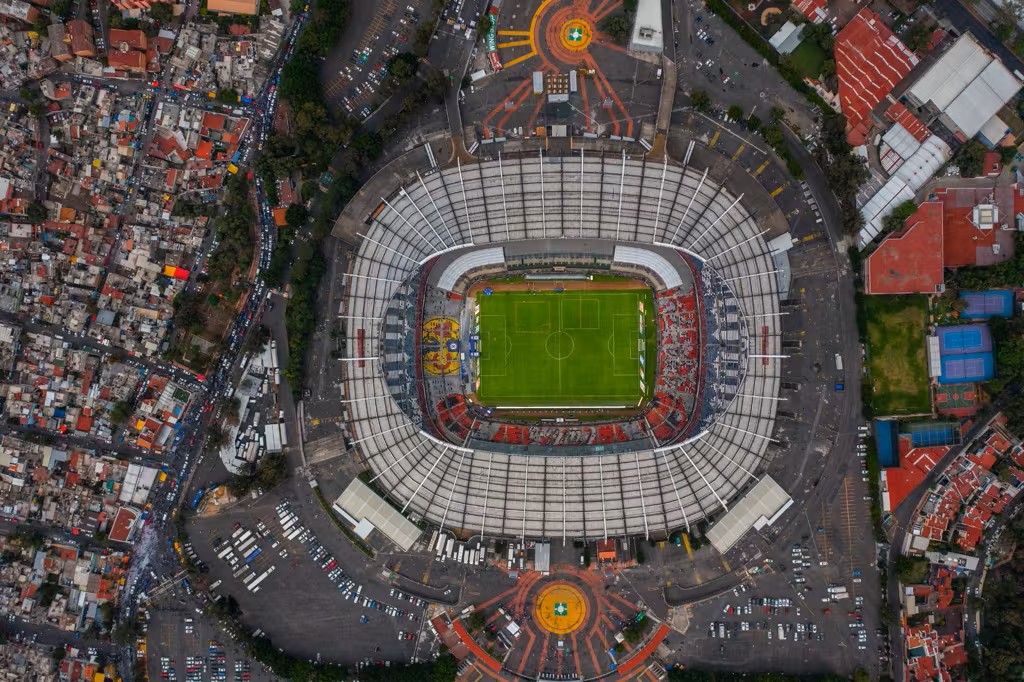
Estadio Mexico City
Location: Tlalpan, Mexico City, Mexico
Capacity: 83,000
Opening: 1966
World Cup 2026 Matches: Three group stage matches, one Round of 32 match, and one Round of 16 match
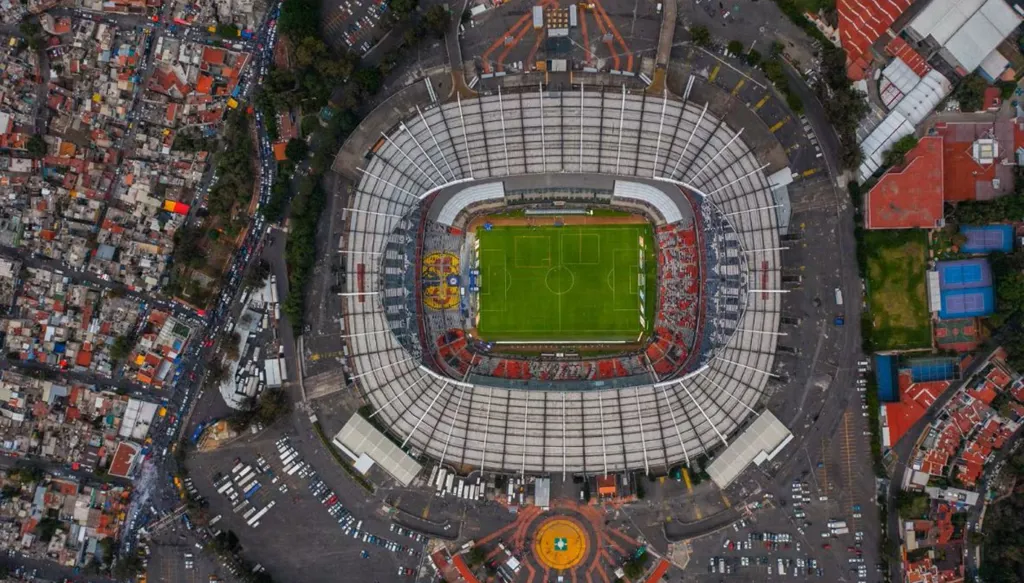
A true witness to global football history, Estadio Mexico City has hosted legendary players such as Pelé and Diego Maradona in two World Cup finals. It continues to serve as a key venue for Club América and Cruz Azul, as well as the Mexican national team, while also hosting other historic clubs over the years.
Estadio Guadalajara
Location: Zapopan, Jalisco, Mexico
Capacity: 48,000
Opening: 2010
World Cup 2026 Matches: Four group stage matches
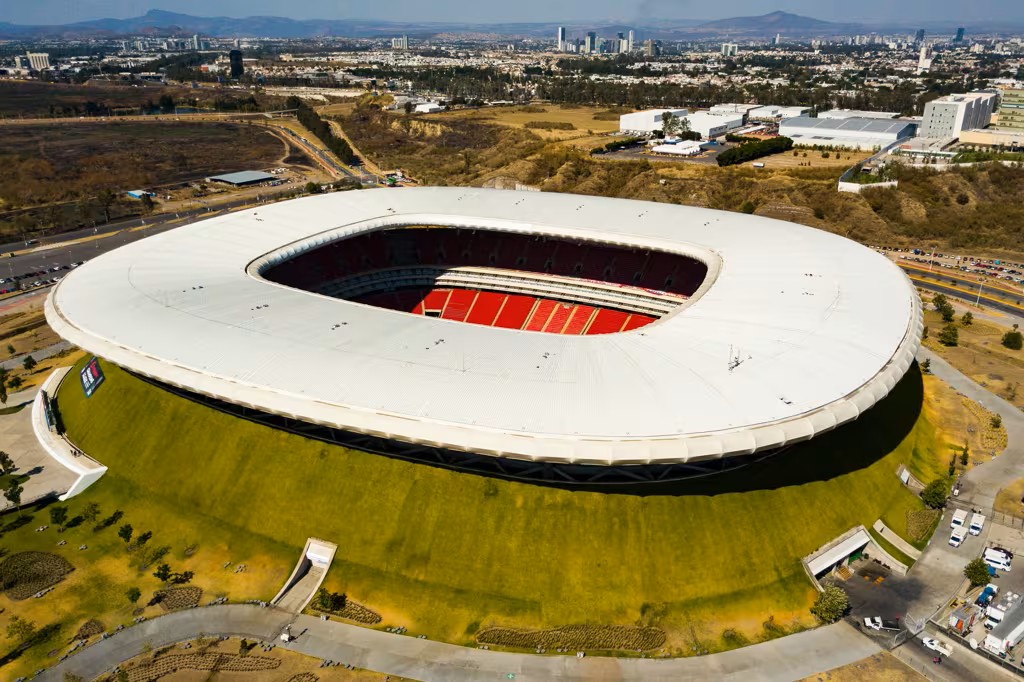
Located on elevated terrain with a distinctive coliseum-like spherical design, Estadio Guadalajara is one of the most visually striking venues of the tournament. Home to C.D. Guadalajara, it has also hosted major domestic and continental success, including the club’s 2018 CONCACAF Champions League title—their first in 56 years.
Estadio Monterrey
Location: Guadalupe, Nuevo León, Mexico
Capacity: 53,500
Opening: 2015
World Cup 2026 Matches: Three group stage matches, one Round of 32 match
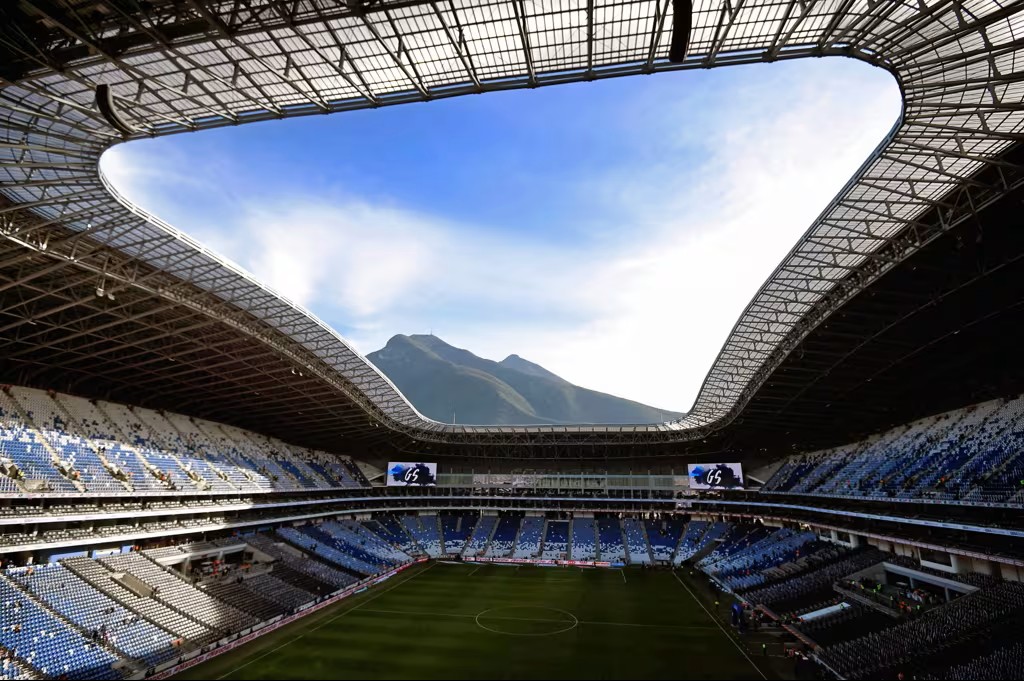
A modern stadium equipped with advanced infrastructure and sustainable design, Estadio Monterrey was the first in the Americas to receive LEED Silver certification after its opening. It regularly hosts Monterrey’s domestic matches and has staged major international tournaments and concerts, including performances by global artists during its opening decade.
United States
Kansas City Stadium
Location: Kansas City, Missouri, United States
Capacity: 73,000
Opening: 1972
World Cup 2026 Matches: Four group stage matches, one Round of 32 match, and one quarter-final match
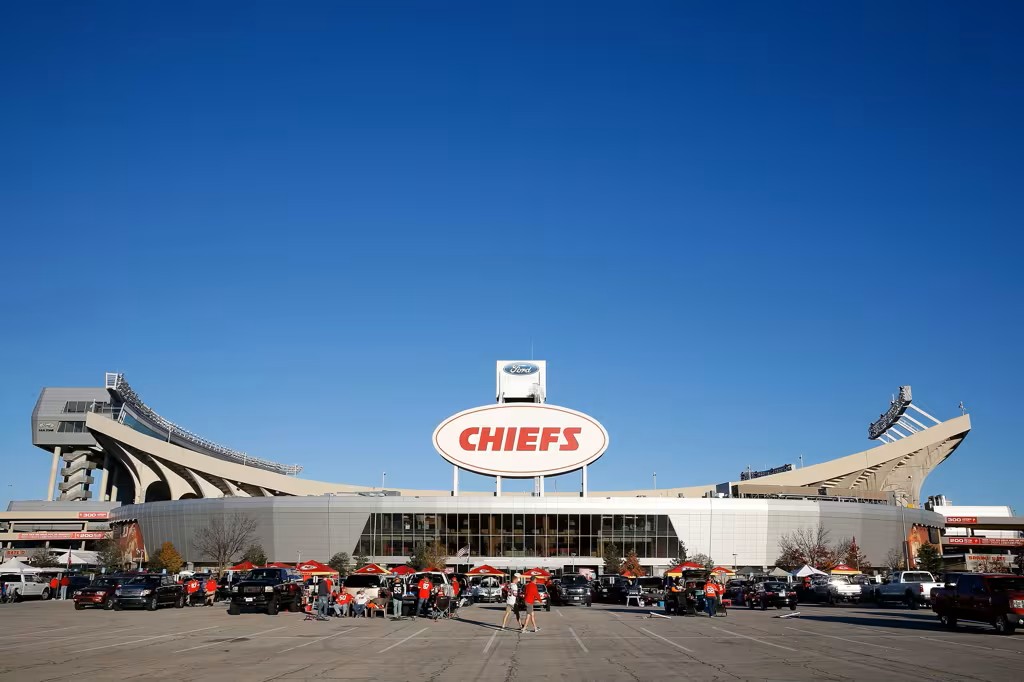
Known for its intense atmosphere, Kansas City Stadium is recognized as one of the loudest sports venues in the world. It is home to the Kansas City Chiefs and has hosted major NFL events, while the city itself is regarded as a growing hub for soccer culture through Sporting Kansas City and the KC Current.
Atlanta Stadium
Location: Atlanta, Georgia, United States
Capacity: 75,000
Opening: 2017
World Cup 2026 Matches: Five group stage matches, one Round of 32 match, one Round of 16 match, and one semi-final match
Despite its recent opening, Atlanta Stadium has quickly become a premier sports venue, known for its fan-friendly design, affordable pricing initiatives, and strong local atmosphere. It is home to the Atlanta Falcons and Atlanta United and has already hosted major international events, including Super Bowl LIII.
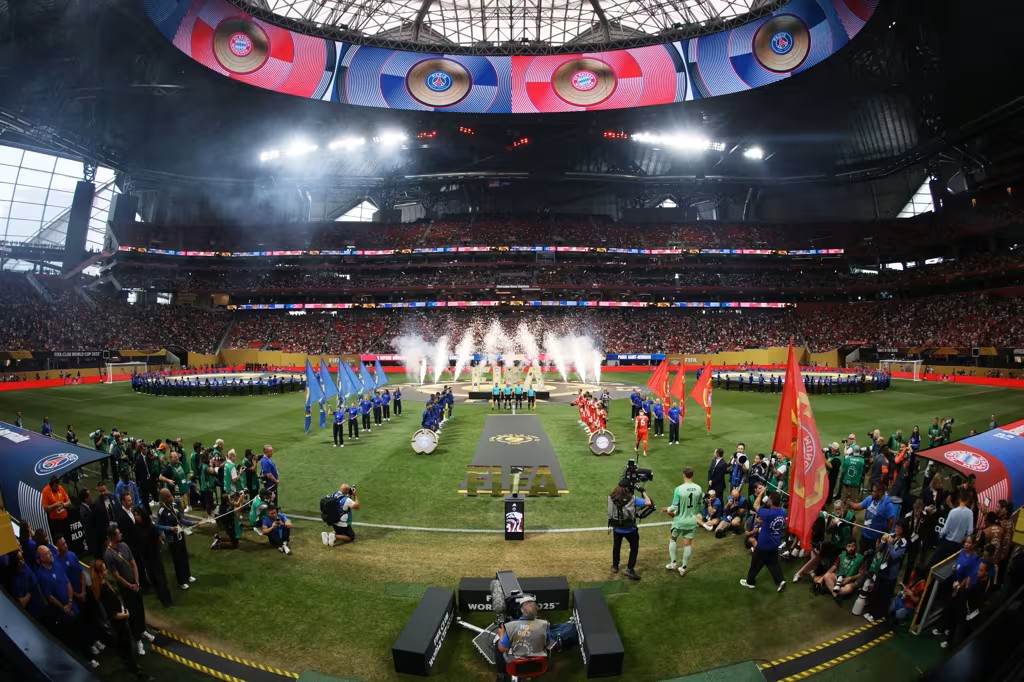
Boston Stadium
Location: Foxborough, Massachusetts, United States
Capacity: 65,000
Opening: 2002
World Cup 2026 Matches: Five group stage matches, one Round of 32 match, and one quarter-final match
Boston Stadium has long been a key venue for American football and international soccer. Following renovations, its expanded capacity will allow it to host some of the tournament’s most important knockout-stage matches.
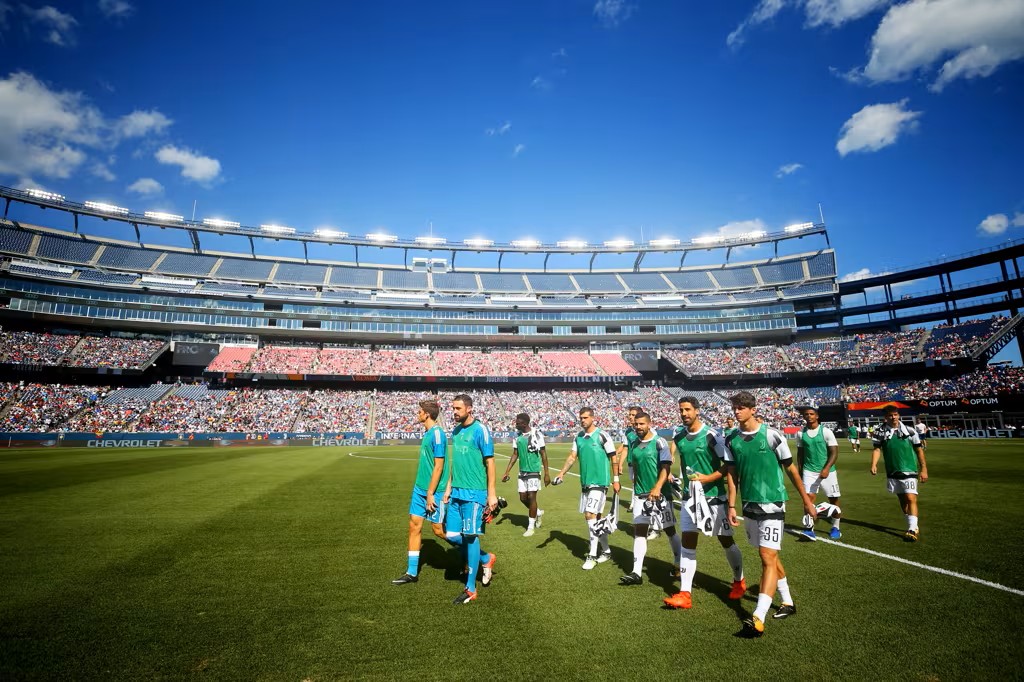
Dallas Stadium
Location: Arlington, Texas, United States
Capacity: 94,000
Opening: 2009
World Cup 2026 Matches: Five group stage matches, two Round of 32 matches, one Round of 16 match, and one semi-final match
As the largest stadium in the NFL by capacity, Dallas Stadium is a flagship venue for the tournament. Home to the Dallas Cowboys, it has also hosted major international soccer events, including CONCACAF competitions and high-profile national team matches.
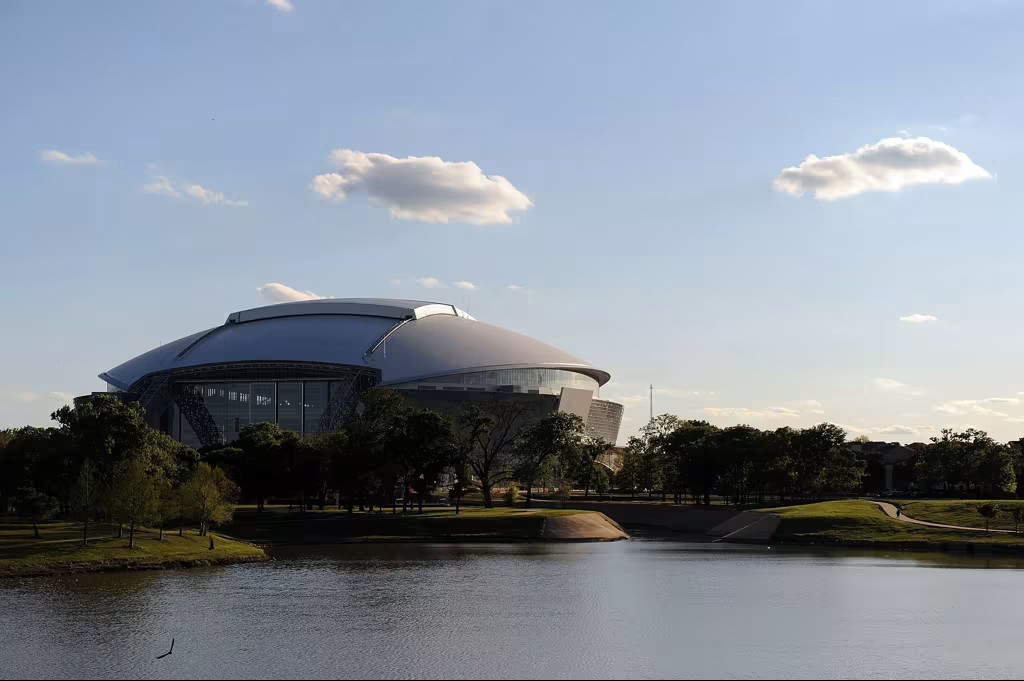
Houston Stadium
Location: Houston, Texas, United States
Capacity: 72,000
Opening: 2002
World Cup 2026 Matches: Five matches, one Round of 32 match, and one Round of 16 match
Houston Stadium has built a strong soccer legacy, hosting MLS events, international friendlies, and major continental tournaments. With a retractable roof and a reputation for high-energy crowds, it remains one of the most versatile venues in the United States.
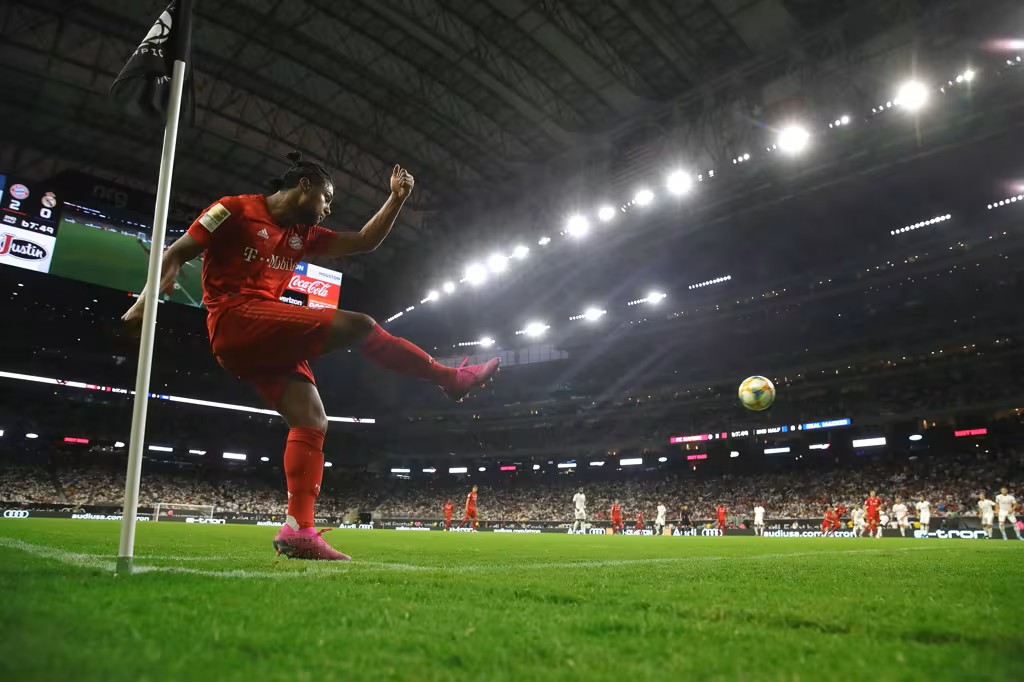
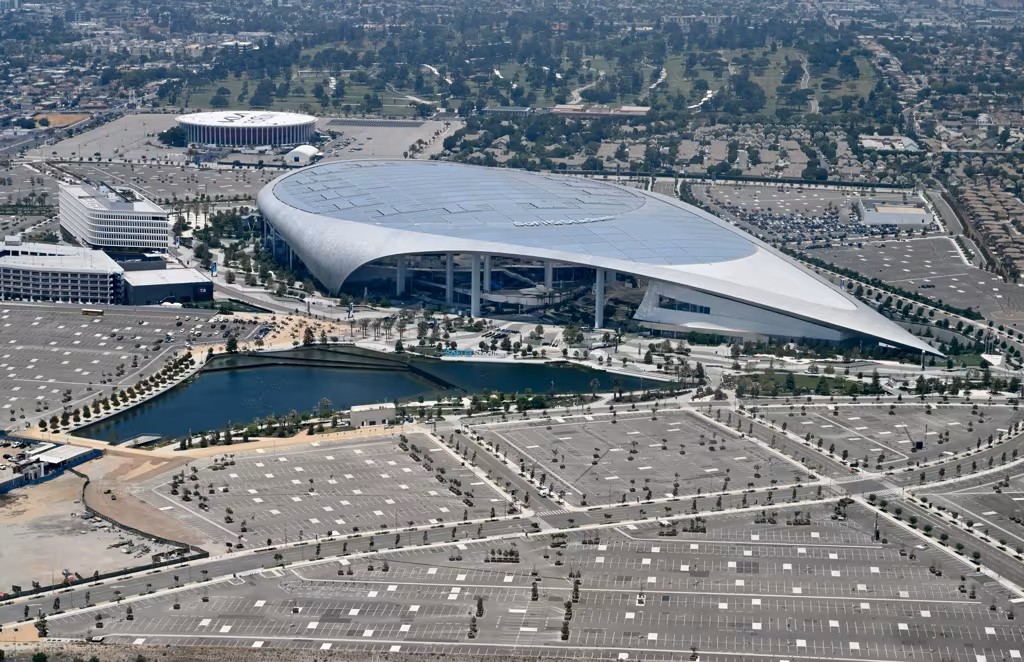
Los Angeles Stadium
Location: Inglewood, California, United States
Capacity: 70,000
Opening: 2020
World Cup 2026 Matches: Five group stage matches, two Round of 32 matches, and one quarter-final match
Los Angeles Stadium is the newest venue selected to host the 2026 World Cup, following its opening in Southern California in September 2020. It is located just a 30-minute drive from the iconic Rose Bowl Stadium in Pasadena, which hosted the 1994 World Cup final.
The stadium hosts NFL games for the Los Angeles Rams and Los Angeles Chargers, and it also hosted Super Bowl LVI in 2022, where the Rams defeated the Cincinnati Bengals 23–20.
As one of the city’s leading entertainment destinations, Los Angeles Stadium has also hosted major concerts under its iconic roof, featuring global artists such as Taylor Swift, BTS, and Ed Sheeran.
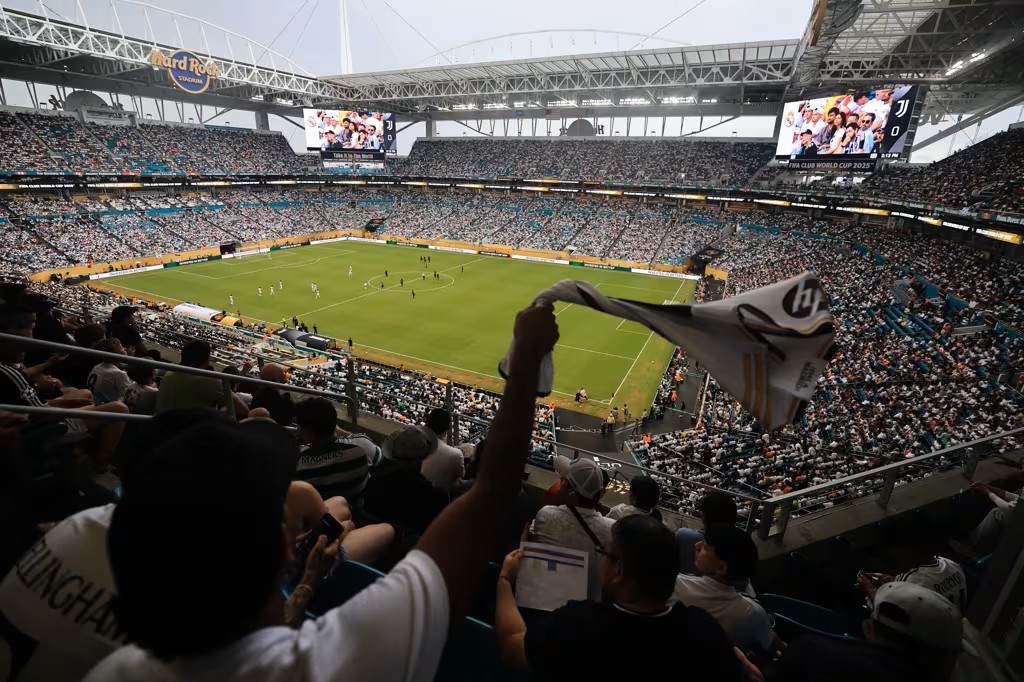
Miami Stadium
Location: Miami Gardens, Florida, United States
Capacity: 65,000
Opening: 1987
World Cup 2026 Matches: Four group stage matches, one Round of 32 match, one quarter-final match, and the bronze medal match
Miami Stadium is home to the Miami Dolphins, the Miami Grand Prix of Formula 1, the Miami Open tennis tournament, the University of Miami, and the Orange Blossom Classic, in addition to hosting college football’s Orange Bowl and the Jazz in the Gardens festival, as well as numerous concerts and festivals.
The stadium is known for delivering world-class entertainment and highlights its diversity by hosting a wide range of events, including six Super Bowls, the 2010 NFL Pro Bowl, and the famous Miami Clásico, along with major concerts and international football matches.
The stadium also hosted eight matches during the 2025 FIFA Club World Cup, including the opening match between Al Ahly and Inter Miami, and the Round of 16 match in which Real Madrid defeated European giants Juventus on their way to the quarter-finals.
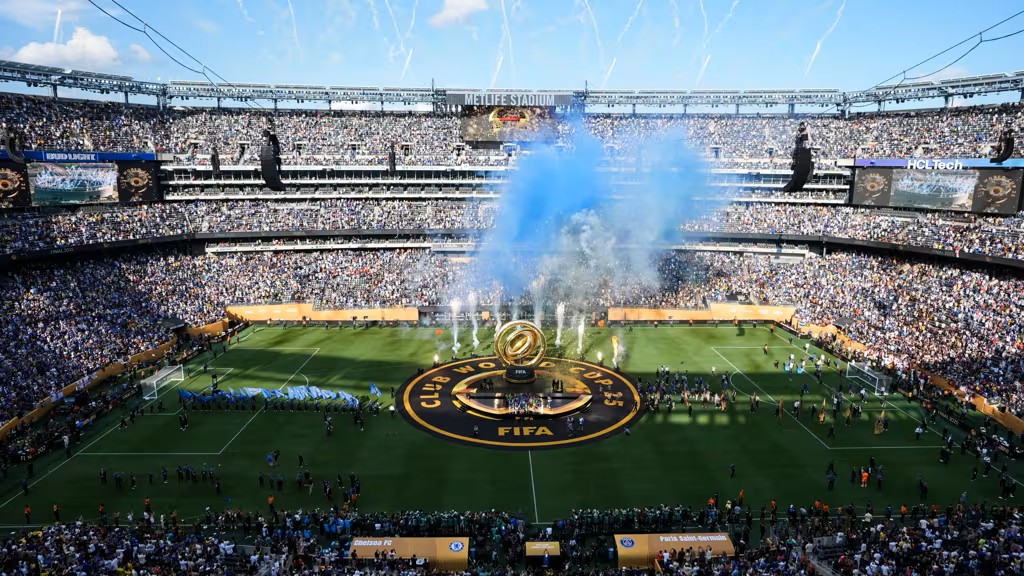
New York/New Jersey Stadium
Location: East Rutherford, New Jersey, United States
Capacity: 82,500
Opening: 2010
World Cup 2026 Matches: Five group stage matches, one Round of 32 match, one Round of 16 match, and the World Cup final
Although this stadium has long been used to host some of the biggest stars in American football, it will draw global attention in 2026 as soccer takes center stage.
The stadium is a multi-purpose venue that opened in 2010 and currently hosts the NFL’s New York Giants and New York Jets, along with the New York Guardians of the XFL. It also hosted the Copa América Centenario final in 2016, where Chile defeated Lionel Messi-led Argentina on penalties. The venue has also welcomed major global artists such as Bruce Springsteen, Beyoncé, Ed Sheeran, and Taylor Swift.
The stadium was also central to the conclusion of the 2025 FIFA Club World Cup, hosting the final where fans worldwide witnessed Chelsea’s 3–0 victory over Paris Saint-Germain. It also staged semi-final and quarter-final matches, as well as five group stage games.
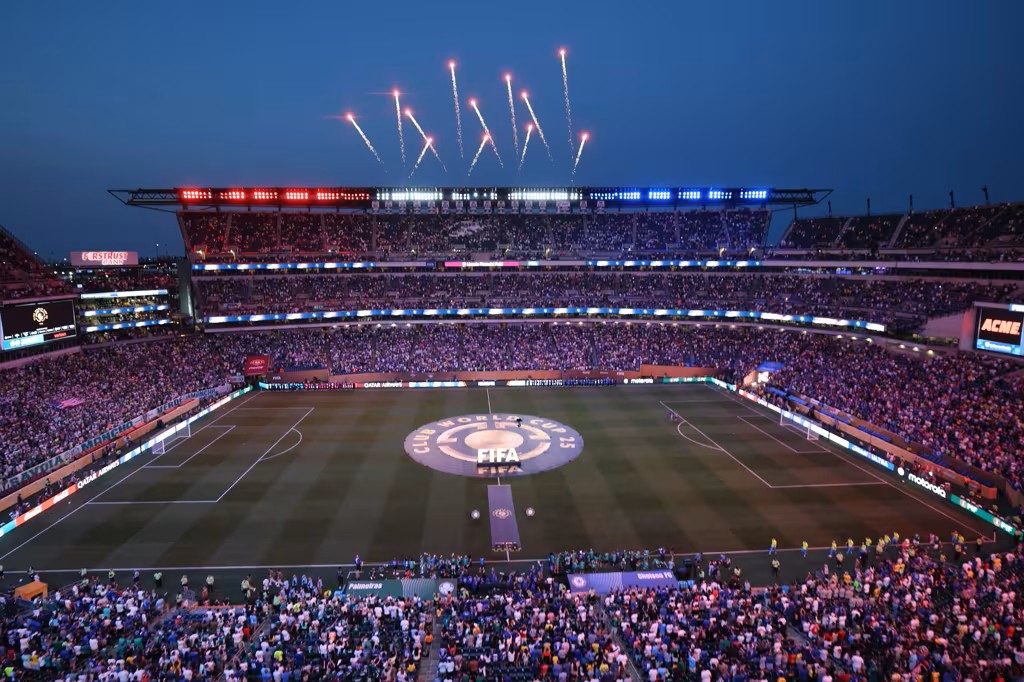
Philadelphia Stadium
Location: Philadelphia, Pennsylvania, United States
Capacity: 69,000
Opening: 2003
World Cup 2026 Matches: Five group stage matches, one Round of 16 match
Philadelphia Stadium opened with a high-profile friendly between Manchester United and Barcelona in August 2003, when Ronaldinho assisted the first goal in the stadium’s history, setting up Patrick Kluivert. Since then, it has hosted U.S. national team matches, the 2015 Gold Cup final, and several international friendlies, as well as repeated appearances by Manchester United. It is also the home of the NFL’s Philadelphia Eagles and served as a temporary home for the Philadelphia Union during the 2010 MLS season.
During the 2025 FIFA Club World Cup, the stadium hosted eight matches, including six group stage games, one Round of 16 match, and a quarter-final where Chelsea, the eventual champions, defeated Palmeiras on July 4.
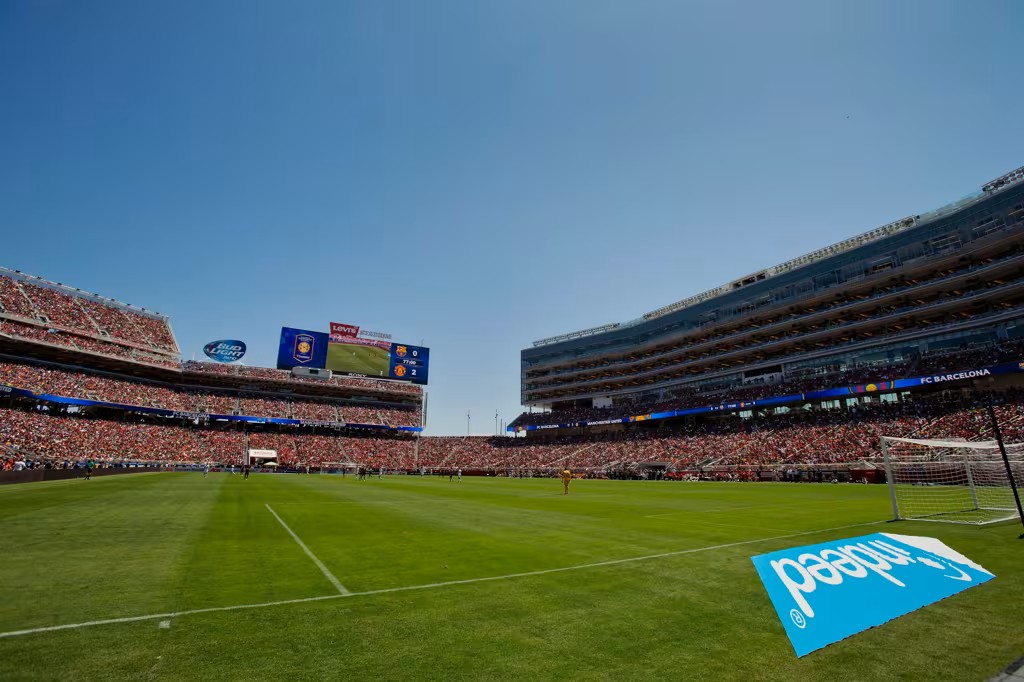
San Francisco Bay Area Stadium
Location: Santa Clara, California, United States
Capacity: 71,000
Opening: 2014
World Cup 2026 Matches: Five group stage matches, one Round of 32 match
Located in Santa Clara, San Francisco Bay Area Stadium is one of the newest venues selected for the tournament. Since opening in 2014, it hosted Super Bowl 50 in February 2016, which featured a halftime show by Coldplay alongside Beyoncé and Bruno Mars.
It also hosted the opening match of the Copa América Centenario in June 2016, where Colombia defeated the United States, in addition to major events such as WrestleMania and an NHL game in 2015 between the Los Angeles Kings and San Jose Sharks.
Seattle Stadium
Location: Seattle, Washington, United States
Capacity: 69,000
Opening: 2002
World Cup 2026 Matches: Four group stage matches, one Round of 32 match, and one Round of 16 match
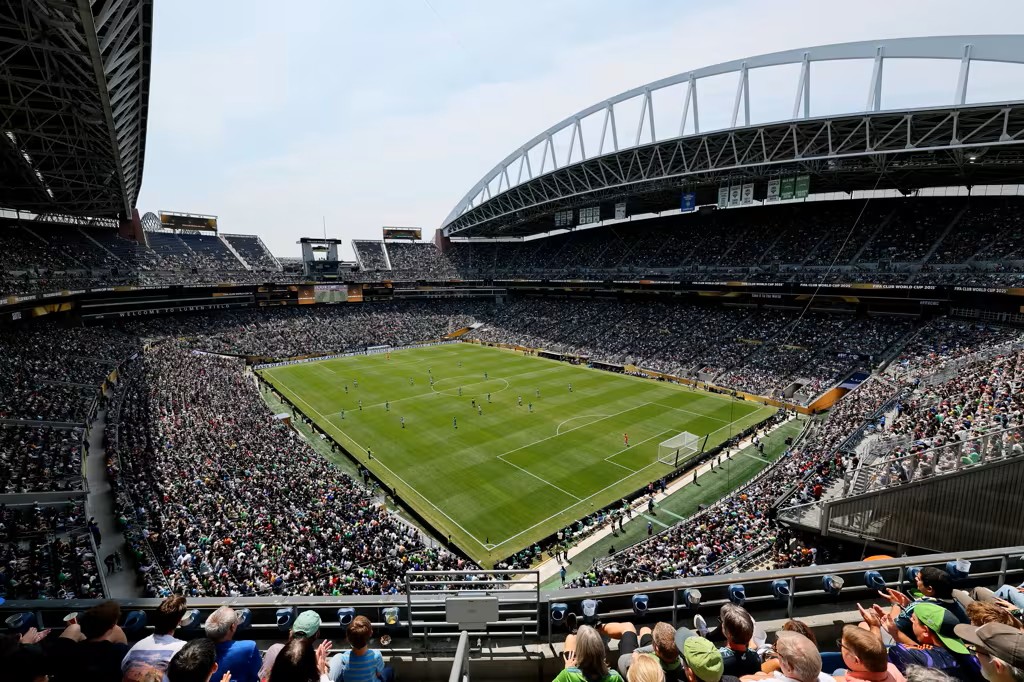
Seattle Stadium features a distinctive horseshoe-shaped design with an open north end offering a striking view of the Seattle skyline. It has twice entered the Guinness World Records as the loudest open-air stadium, achieving this in September and December 2013. Since then, it has become a fortress for Seattle Sounders in MLS and the Seattle Seahawks in the NFL.
One of its most iconic moments came on May 5, 2022, when Seattle Sounders defeated Pumas UNAM 3–0 to secure a 5–2 aggregate win and claim the CONCACAF Champions League title, becoming the first American club to win the competition in its modern format and qualify for the FIFA Club World Cup 2025.
The Sounders played their three Club World Cup matches at home but were unable to progress from a strong group featuring Paris Saint-Germain, Botafogo, and Atlético Madrid. The stadium hosted six matches during the 2025 edition of the tournament.