

The Evolution of World Cup Songs: From Anthem to Trend
Once global football anthems, World Cup songs are now evolving into fast-paced digital entertainment built for social media virality rather than stadium memory.



 Messenger
 Whatsapp
 Threads
 Email
Email
 Print
Print
 X
X
 Facebook
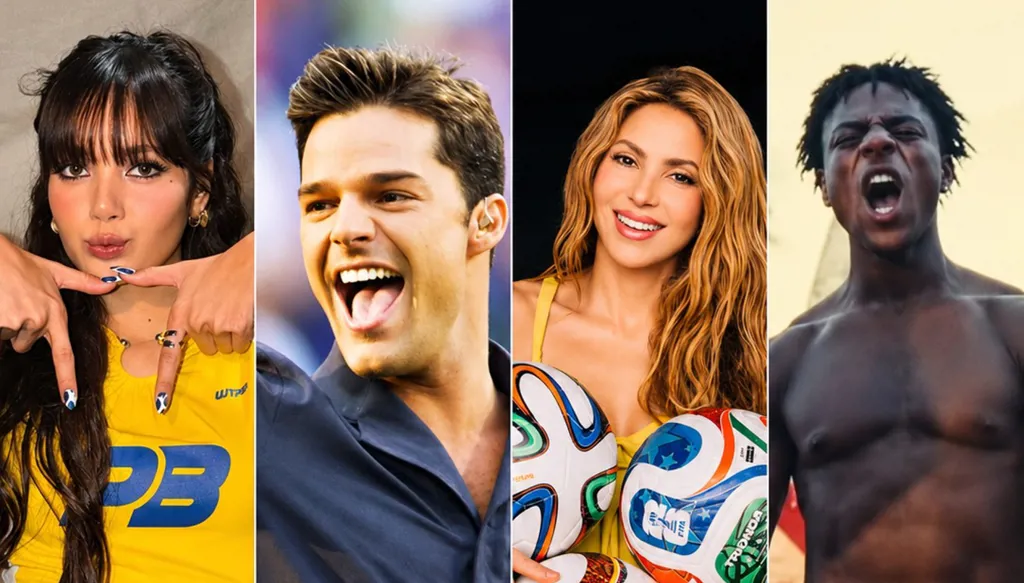


In the past, World Cup songs were treated as global cultural events, no less important than the matches themselves. The song embodied the spirit of the tournament, turning into a collective memory that lasts for many years after the end of the World Cup. Today, as the 2026 World Cup approaches and with the launch of a special music album for the tournament featuring global names including Shakira and Burna Boy, World Cup songs seem closer to digital entertainment projects designed for social media platforms rather than being genuinely linked to the spirit of football.
When comparing Ricky Martin's "The Cup of Life" (1998), Shakira's "Waka Waka" (2010), and the 2026 World Cup songs like "Goals" and "Dai Dai", the transformation is clear.
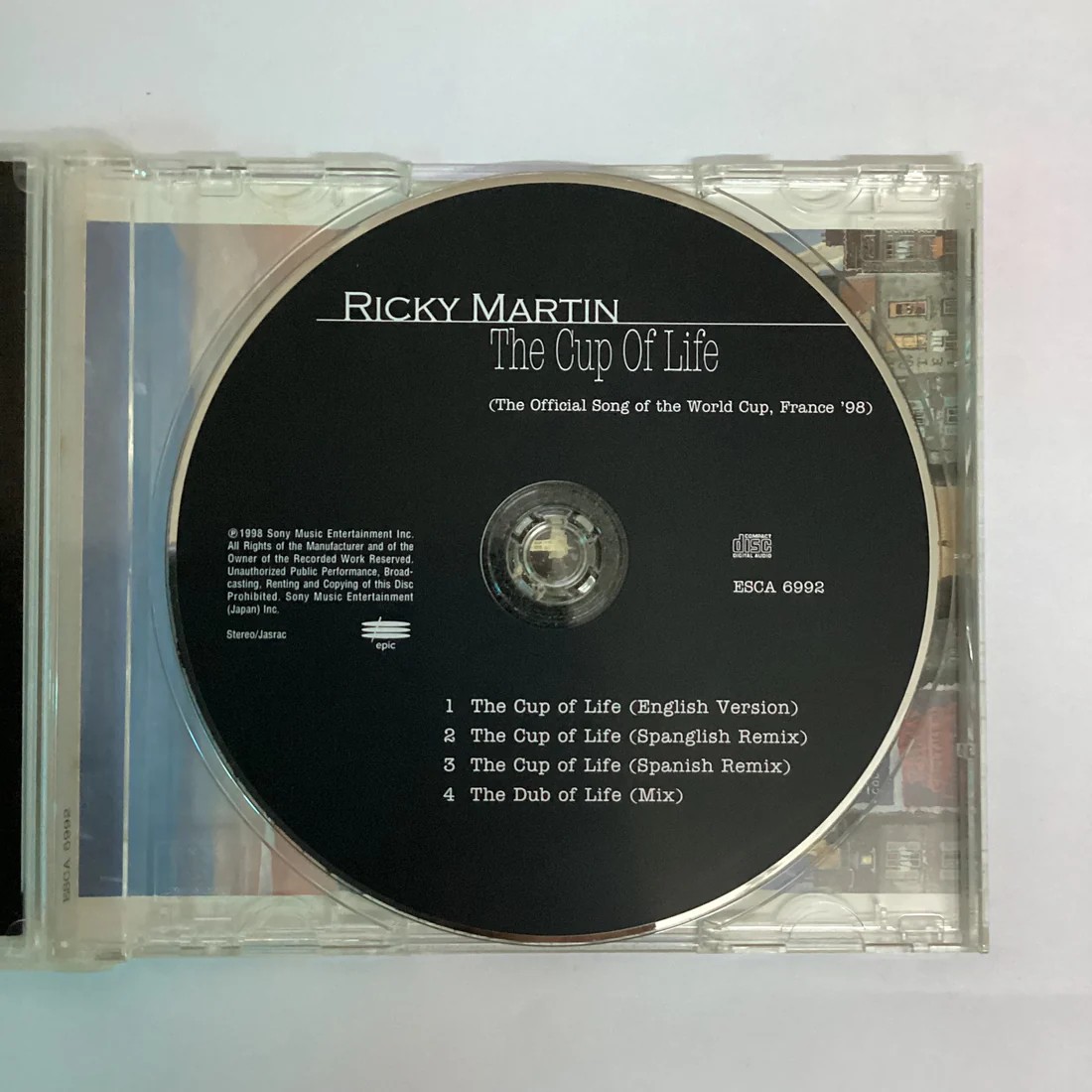
Ricky Martin's song carried a direct and straightforward message: the dream, the challenge, the will, and the pursuit of the cup. Words like "Nothing can hold you back if you really want it" and "Tonight's the night we're gonna celebrate" conveyed a collective energy directly tied to sports competition. The song felt like a unified global chant, heard both in the stands and on the streets.
The same applies to "Waka Waka", which succeeded because it relied not only on a dance rhythm but also on building a global collective feeling. The song celebrated rising up, perseverance, and teamwork, and carried a clear African identity linked to the 2010 South Africa World Cup. Even those who do not follow football felt that the song belonged to a unique global event, not just a fleeting music "trend".
As for "Goals", the scene is entirely different. The lyrics focus more on the individual image: body, fashion, friends, and cars. The heavy repetition of the word "Goals" seems closer to the language of social media and the culture of digital showcasing, where the concept of "goal" shifts from a sports achievement to a personal lifestyle. Even the rhythm seems designed to be cut into short clips for spreading on TikTok, rather than a song sung in stadiums.

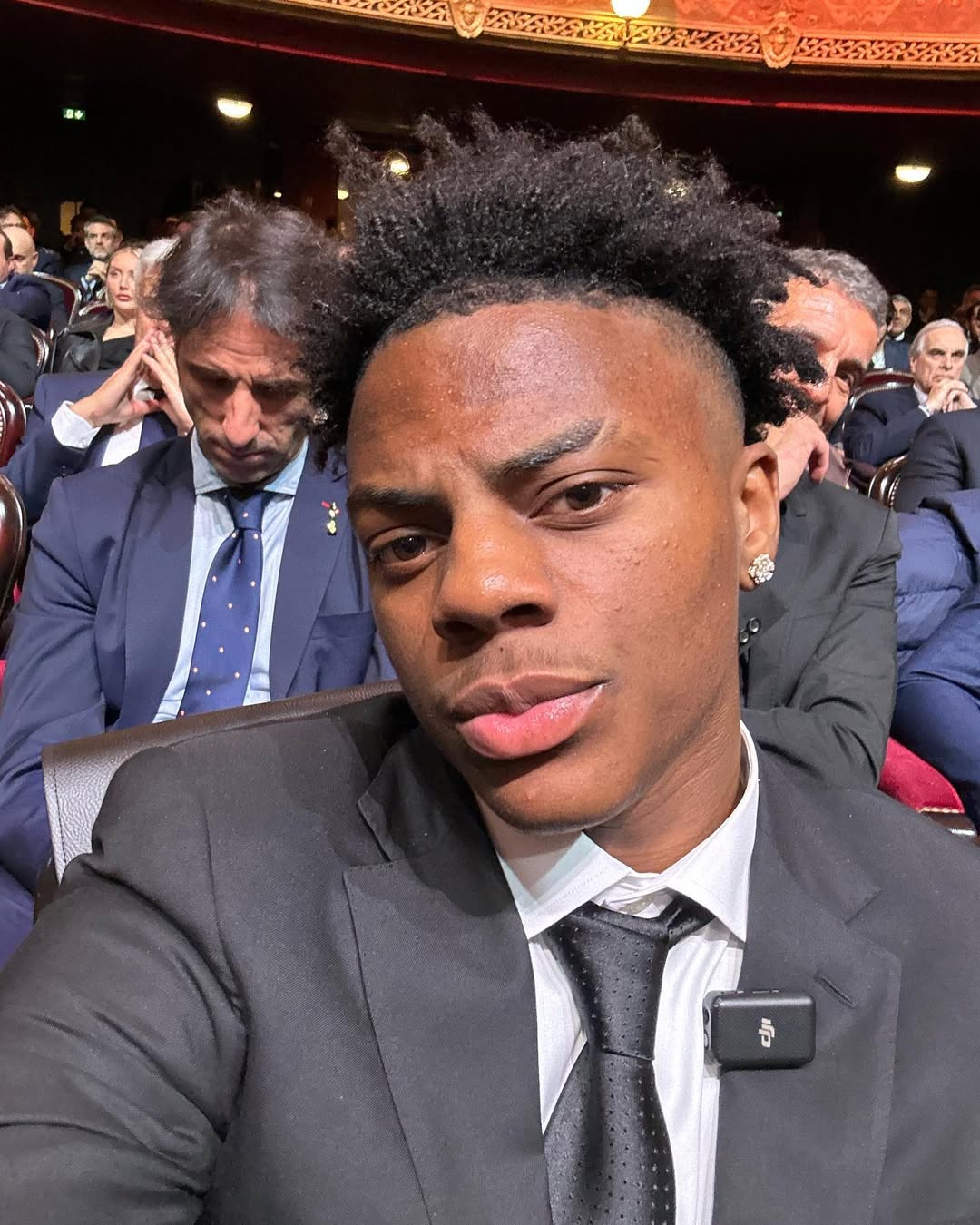
This transformation was also evident with the famous American content creator IShowSpeed, who recently ignited football fans’ enthusiasm before the start of the World Cup by releasing a song titled "World Cup Champions", which gained widespread popularity in just a few hours. The song quickly became a topic of conversation on social media platforms, with direct comparisons drawn between it and the official Shakira song endorsed by FIFA.
The song, which some followers referred to as "World Cup Champions", managed to garner millions of views on YouTube, with many considering it more in line with the excitement and adrenaline associated with football, compared to the official songs that seem more like global entertainment projects designed for rapid digital spread.
The same is true for "Dai Dai" by Shakira and Burna Boy. The song relies on a global linguistic and rhythmic blend carefully designed to spread quickly across borders, but it lacks the emotional depth that made "Waka Waka" powerful. There is a celebration of stardom and global energy, but without a clear connection to fans' emotions or the football identity of the tournament itself.
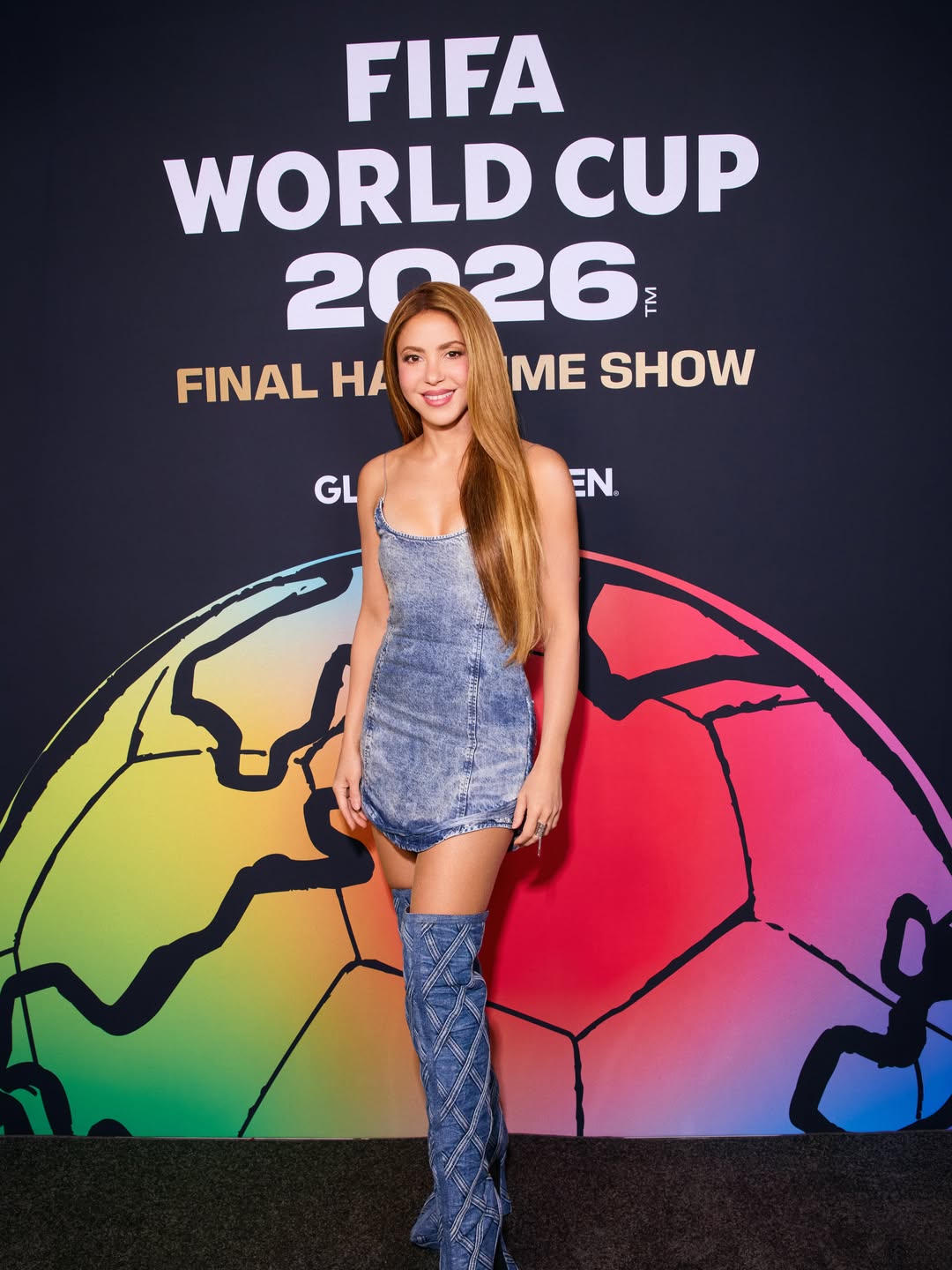
This transformation cannot be separated from the way the 2026 World Cup is being marketed. Instead of a single song summarizing the spirit of the tournament, we now face an entire album featuring a massive group of global artists, in a clear attempt to turn the World Cup into an entertainment platform akin to the American Super Bowl, where music and visual spectacle become an essential part of the event, sometimes more prominent than the game itself.
Even the decision to hold a large show during the half-time of the World Cup final, with names like Shakira, Madonna, and BTS, clearly reflects this transformation. FIFA is no longer just looking for a song that will last long, but for content capable of dominating digital platforms and achieving the greatest possible global instant engagement.