

2026 World Cup: The biggest edition in history across three nations with 48 teams
From a new tournament system and record-breaking 104 matches to global stars, emerging talents, and cutting-edge technology — everything you need to know about FIFA World Cup 2026.




 Messenger
 Whatsapp
 Threads
 Email
Email
 Print
Print
 X
X
 Facebook



Football fans around the world are turning their attention to the 2026 World Cup, which is considered one of the most exceptional editions in the history of the tournament, whether in terms of the number of participating teams, the host countries, or the modern technologies that will be adopted during it.
The 2026 World Cup will be held in three countries: the United States, Canada, and Mexico, between June 11 and July 19, 2026, in a historic edition that will be the first to be organized across three different countries simultaneously.
This tournament will also see the participation of 48 teams instead of 32, making it the largest edition in the history of the World Cup.
The 2026 World Cup System
The International Federation of Association Football (FIFA) has adopted a new system for the 2026 World Cup, in which the 48 teams are divided into 12 groups, with each group consisting of four teams.
Each team will play three matches in this round, facing the other teams in its group in a single-game league system.
The first-round matches will be held during the opening days of the 2026 World Cup, across various host stadiums in the United States, Canada, and Mexico.
The top two teams from each group will advance directly to the Round of 32, along with the best eight third-placed teams, while the remaining teams will be eliminated from the competition.
Thus, the first round forms the foundation on which the rest of the tournament stages are built, as the features of the title-contending teams gradually begin to appear by the end of the group matches.
The tournament will feature 104 matches, the largest number in the history of the competition.
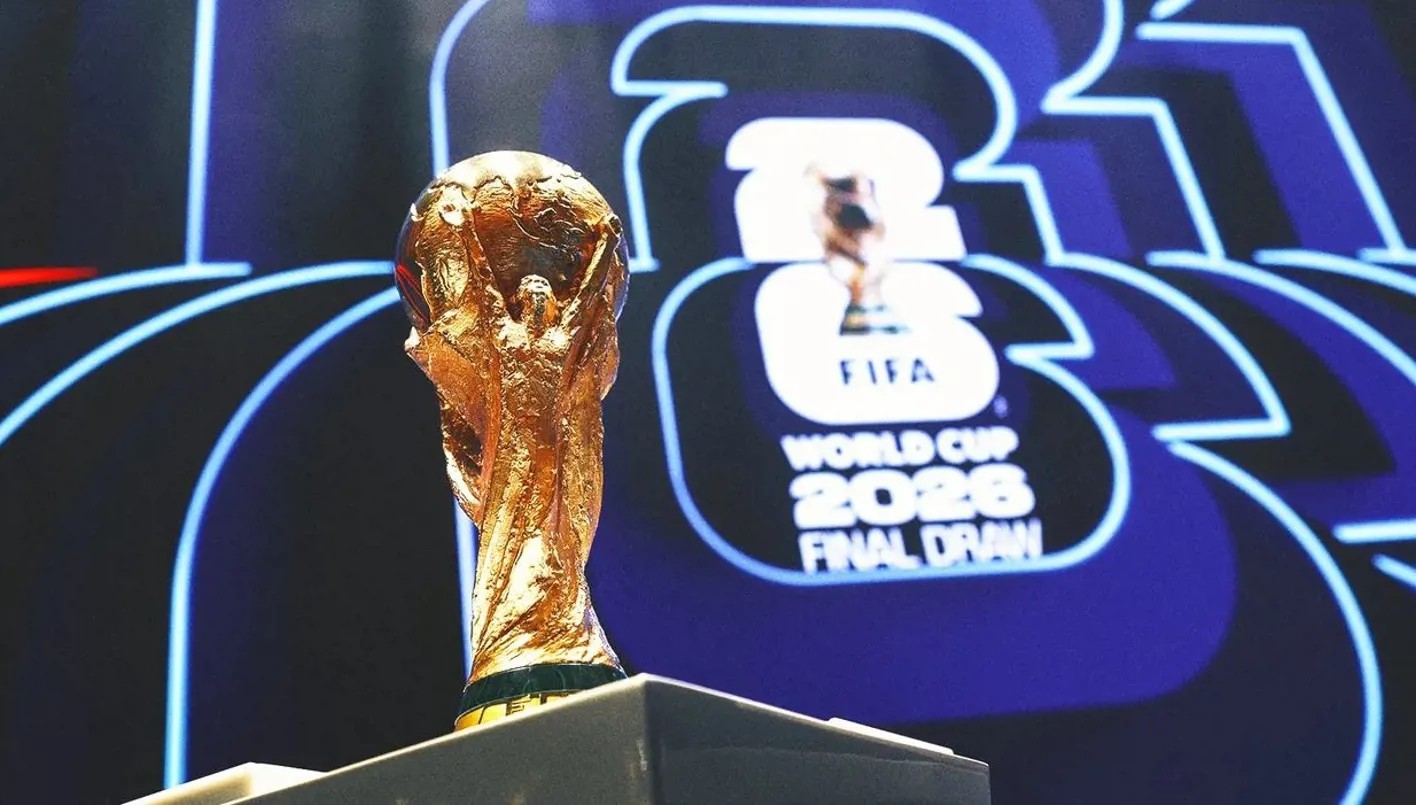
World Cup 2026 Groups
The new system relies on distributing teams into balanced groups, with each group consisting of four teams competing against each other in the group stage.
Group A
Mexico – South Africa – South Korea – Czech Republic
Group B
Canada – Switzerland – Qatar – Bosnia and Herzegovina
Group C
Brazil – Morocco – Haiti – Scotland
Group D
United States – Paraguay – Australia – Turkey
Group E
Germany – Ecuador – Ivory Coast – Curacao
Group F
Netherlands – Japan – Tunisia – Sweden
Group G
Belgium – Egypt – Iran – New Zealand
Group H
Spain – Uruguay – Saudi Arabia – Cape Verde
Group I
France – Senegal – Iraq – Norway
Group J
Argentina – Austria – Algeria – Jordan
Group 11
Portugal – Colombia – Uzbekistan – Democratic Republic of the Congo
Group 12
England – Croatia – Ghana – Panama
World Cup 2026 Stadiums
The 2026 World Cup matches will be held in 16 stadiums distributed across the United States, Canada, and Mexico, reflecting the scale of the tournament, which will be hosted for the first time across three countries.
The United States will host the largest share of matches, with a group of major stadiums including “MetLife” Stadium in New York/New Jersey and “SoFi” Stadium in Los Angeles, in addition to stadiums in Atlanta, Dallas, Miami, Philadelphia, Seattle, San Francisco, Boston, Kansas City, and Houston.
In Canada, matches will take place at “BC Place” Stadium in Vancouver and “BMO Field” in Toronto, while Mexico will host matches at “Azteca” Stadium in Mexico City, “Akron” Stadium in Guadalajara, and “BBVA” Stadium in Monterrey.
“MetLife” Stadium is set to host the anticipated final match on July 19, 2026, amid expectations of a large crowd and an exceptional atmosphere at the conclusion of the tournament.
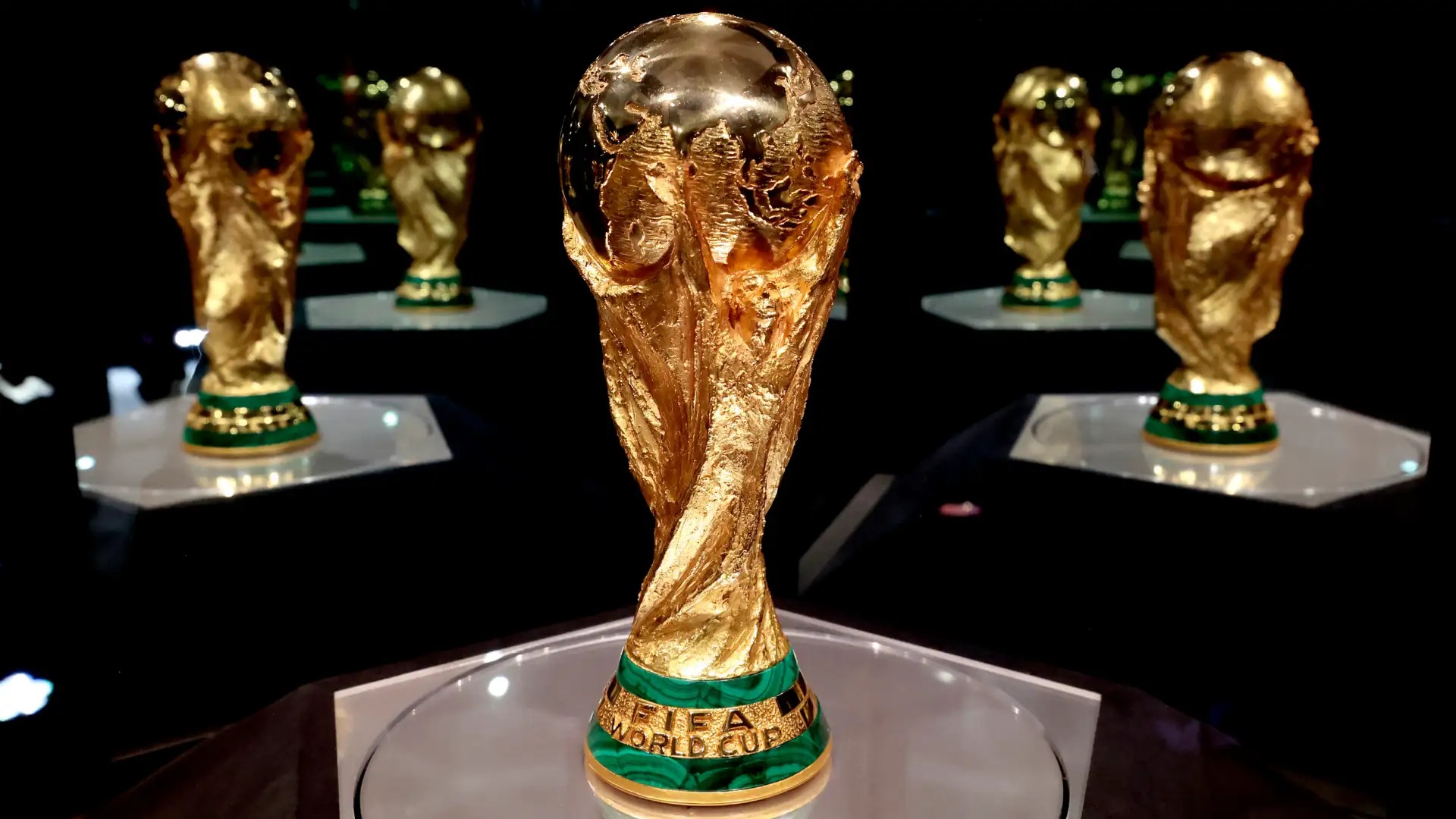
World Cup 2026 Final Match Date
FIFA announced that the final match of the 2026 World Cup will be held on July 19, 2026, at the New York – New Jersey Stadium, one of the largest stadiums in the United States, with a capacity of over 80,000 spectators.
The final match is scheduled to kick off at 15:00 New York time, and at 22:00 local time in Lebanon, Saudi Arabia, Qatar, and Egypt, while it will be at 23:00 in the UAE, and 20:00 in Tunisia, Algeria, and Morocco, amid global anticipation for the most prominent event in world football.
The 2026 World Cup Mascots
FIFA has introduced three official mascots for the 2026 World Cup, each representing one of the host countries.
Their designs reflect the cultural and symbolic identity of each nation, while also highlighting the values of unity, passion, and diversity that define the World Cup.
Maple (Canada)
The Canadian mascot “Maple” represents the moose, a character that loves to travel across Canada’s provinces and territories, reflecting the spirit of connection with people and the celebration of rich local culture.
Maple embodies creativity, resilience, and individual skill. It is known for its leadership on the field, particularly as a goalkeeper, with quick reactions and outstanding saves, making it a symbol of Canadian football passion.
Zayu (Mexico)
The Mexican mascot “Zayu” is inspired by the jaguar living in the jungles of southern Mexico, symbolizing strength, agility, and vitality.
On the field, “Zayu” becomes a fast and dangerous attacker thanks to its agility and technical skills. Off the field, it celebrates Mexican culture through dance, becoming a symbol of joy, unity, and national identity.
Clutch (United States)
The American mascot “Clutch” represents the bald eagle, an adventurous character traveling across the United States and celebrating its diverse cultures and sporting spirit.
Clutch is known for leadership on the field, playing in midfield and constantly motivating teammates. It is characterized by optimism, boldness, and ambition, making it a symbol of sporting enthusiasm for the upcoming World Cup.
The Official Ball of the 2026 World Cup
FIFA launched the official ball for the 2026 World Cup months ago, named “TRIONDA,” designed by Adidas, reflecting the new identity of the tournament, which will be hosted across three countries for the first time.
The ball’s design features a blend of red, green, and blue colors, symbolizing the three host countries and their cultural diversity.
“TRIONDA” consists of four layers, with flowing external patterns inspired by the concept of waves, which is also linked to the ball’s name. These lines converge into a triangular shape at the center, symbolizing the unity of the three host nations under one tournament.
The official ball also carries special symbols for each host country: the maple leaf representing Canada, the eagle symbolizing Mexico, and the star representing the United States, in a design that reflects each nation’s identity.
Technically, “TRIONDA” is considered one of the most advanced World Cup balls, featuring an advanced internal system capable of tracking movement at speeds of up to 500 hertz, allowing real-time data to be transmitted to Video Assistant Referee (VAR) technology. This contributes to more accurate refereeing decisions, especially in offside situations and key touches inside the penalty area.
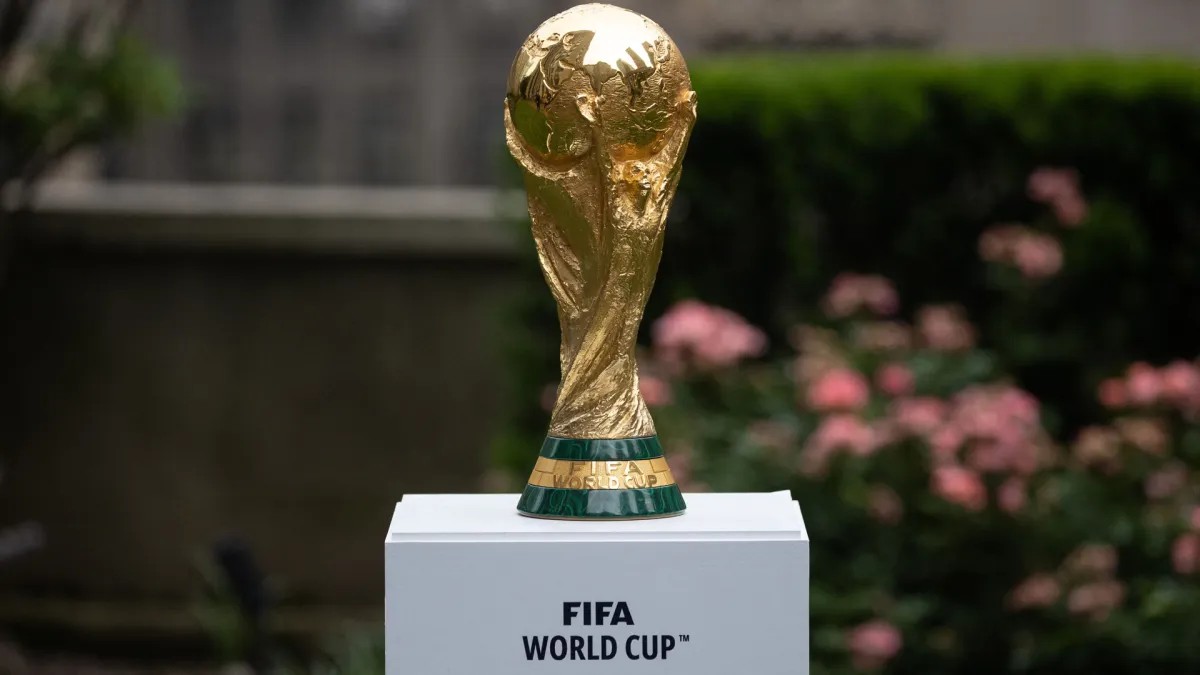
2026 World Cup Referees
On April 9, 2026, FIFA announced the list of referees who will officiate the 2026 World Cup matches, following a meticulous selection process spanning three years, based primarily on quality and performance evaluation at the highest levels of international and domestic football.
A total of 52 field referees, 88 assistant referees, and 30 video assistant referees (VAR) were selected, representing various continental confederations and 54 national associations, making this the most diverse and extensive officiating group in World Cup history.
The “Team One” officiating group will lead match management, consisting of elite referees who have been monitored and evaluated for years by FIFA experts, alongside participation in training seminars and international competitions.
The 2026 World Cup will also feature the latest refereeing technologies, including goal-line technology, an enhanced semi-automated offside system, and connected ball technology, aiming to improve decision accuracy and reduce errors.
For the first time, fans will also be able to view footage from the referee’s perspective via body-mounted cameras, offering a new interactive experience that enhances understanding of match dynamics.

Teams Qualify for the 2026 World Cup for the First Time in Their History
The qualification process for the 2026 World Cup witnessed historic moments for several teams that reached the finals for the first time in their history, achieving long-awaited dreams for their nations.
The Uzbekistan national team qualified for the World Cup for the first time after securing one of the top two positions in the third round of the Asian qualifiers, marking a historic achievement that reflects the development of football in Central Asia.
Jordan's national team also made history after qualifying for the World Cup for the first time, following a 3–0 victory over Oman, benefiting from Iraq’s loss to South Korea to secure their qualification.
The Cape Verde national team achieved a major milestone by qualifying for the World Cup for the first time, following strong performances in the African qualifiers and finishing ahead of Cameroon by four points.
The Curaçao national team also made history as the smallest country by population to reach the finals, in a remarkable achievement reflecting football development and determination.
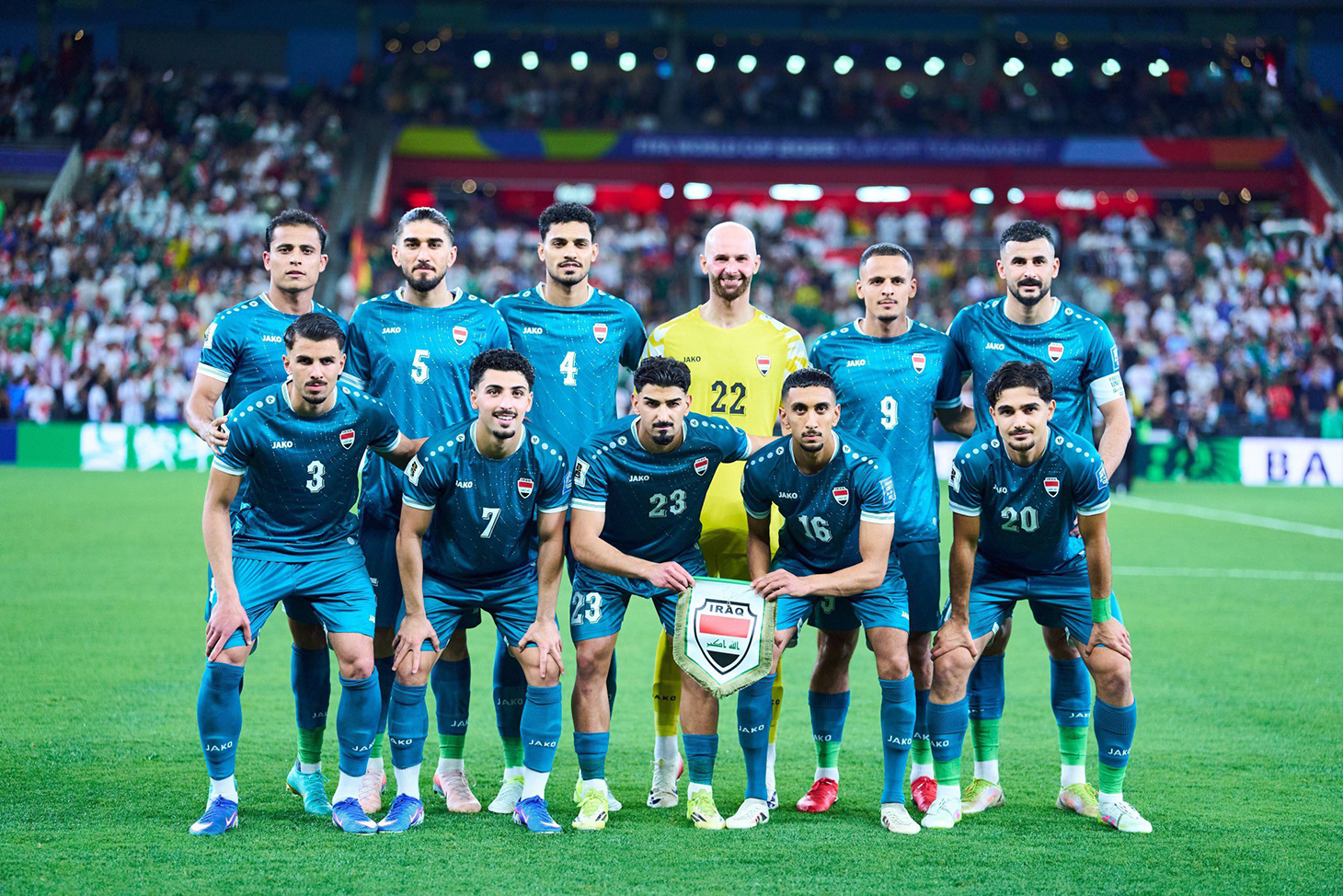
Famous Players Expected to Show for the Last Time in the 2026 World Cup
The 2026 World Cup is expected to mark the farewell stage for several major global football stars who have left a significant mark in previous tournaments.
This edition holds special importance for them, as it may be their final appearance on the world’s biggest football stage.
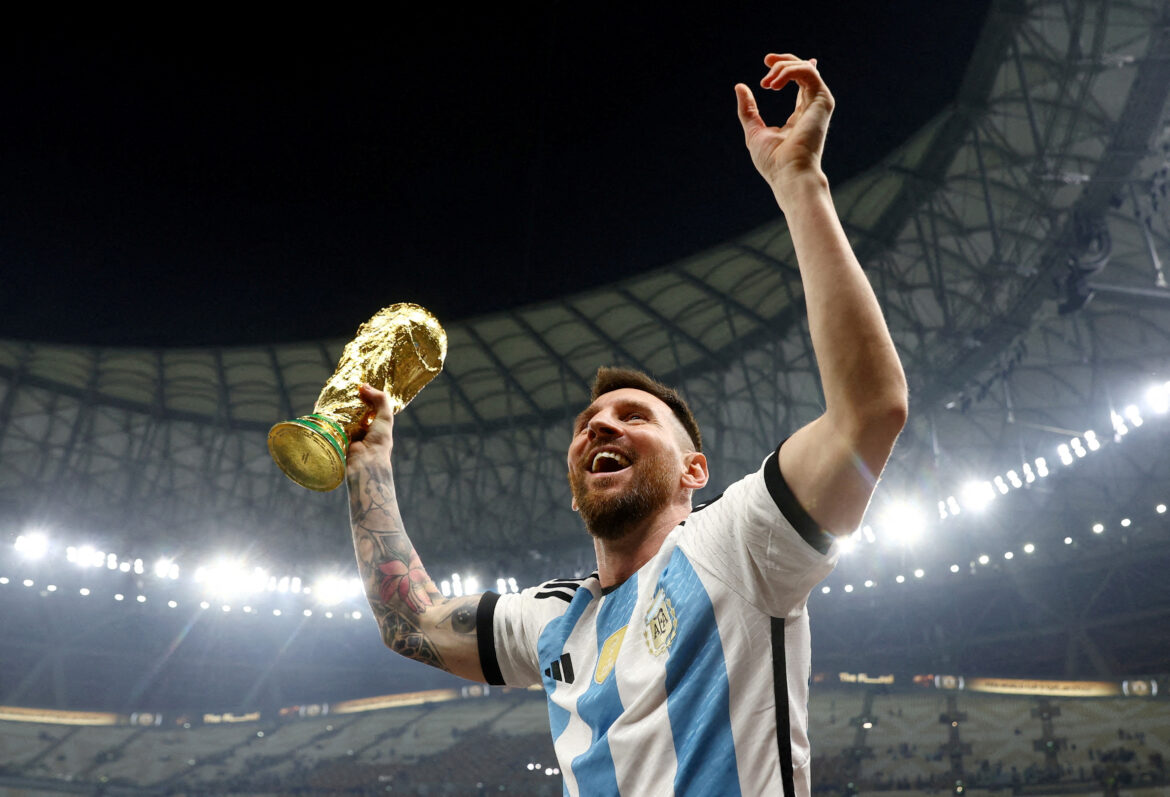
Lionel Messi is among the most notable names expected to participate in his last World Cup, after winning the 2022 title and making extraordinary history with Argentina.
Cristiano Ronaldo, one of the greatest scorers in football history, is also approaching what may be his final World Cup appearance, aiming to achieve the world title before ending his international career.
Brazilian Neymar is also among the stars who may play their last World Cup. He is the all-time top scorer for the Brazilian national team with 79 goals and one of the most prominent players who has left a major mark on the international stage. Neymar aims to achieve his dream of winning the World Cup in what may be his final possible appearance before bringing his international career to a close.
Young Stars to Appear for the First Time in the 2026 World Cup
The 2026 World Cup will witness the emergence of a new generation of young players who will have their first experience on the world’s biggest football stage with their national teams, marking the beginning of a new era in global football.
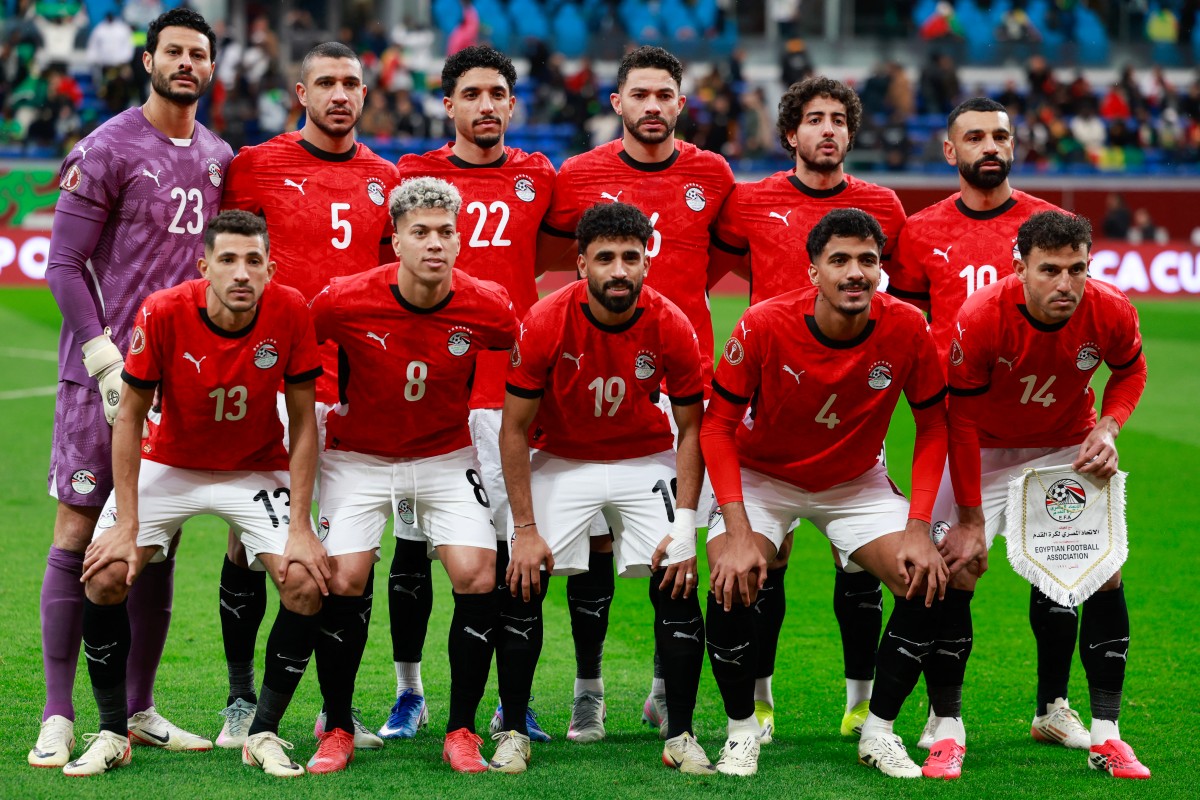
Stars to Appear for the First Time in the 2026 World Cup
The 2026 World Cup will witness the emergence of a new generation of young players who will have their first experience on the world’s biggest football stage with their national teams, marking the beginning of a new era in global football.
This edition is expected to serve as a platform for the rise of many emerging talents who have already proven themselves in European and global leagues in recent years, making it one of the most exciting editions in terms of discovering new stars.
Spanish player Lamine Yamal is considered one of the most outstanding rising talents in world football. He made a strong impact during Euro 2024, where he won the Best Young Player award. He continues to shine with FC Barcelona, becoming one of the key pillars of the Spanish national team, with strong readiness for his first World Cup appearance in 2026.
Nico Paz represents one of Argentina’s promising talents, a 21-year-old midfielder who has drawn attention for his high technical abilities, earning significant interest in Italy and with the Argentine national team.
Gilberto Mora is regarded as one of the most notable rising talents in Mexico, becoming the youngest goalscorer in the history of the Mexican top division. He is distinguished by his ability to play in multiple attacking positions, whether as a striker, winger, or midfielder, making him a versatile attacking option as he approaches his first World Cup participation with Mexico in 2026.
Brazilian Endrick is one of the world’s most prominent attacking talents, attracting attention with his exceptional skill since the early stages of his professional career. He is known for his speed and his ability to score in tight spaces, making him one of the most anticipated names to lead Brazil’s attack in the 2026 World Cup for the first time in his international career.
Spanish defender Pau Cubarsí is one of the most promising young defenders in European football, having quickly established himself at FC Barcelona thanks to his tactical maturity and ability to build play from the back. He is expected to be one of the key pillars of the Spanish national team in his first World Cup appearance in the 2026 edition.
2026 World Cup Match Schedule (Mecca Time)
Opening Match (Group A): Mexico vs. South Africa – 22:00 (Azteca Stadium – Mexico City), with the opening ceremony starting 90 minutes earlier at 8:30 PM.
World Cup 2026: First Round
Friday, June 12, 2026
South Korea vs. Czech Republic – 5:00
Canada vs. Bosnia and Herzegovina – 22:00
Saturday, June 13, 2026
United States vs. Paraguay – 4:00
Qatar vs. Switzerland – 22:00
Sunday, June 14, 2026
Brazil vs. Morocco – 1:00
Haiti vs. Scotland – 4:00
Australia vs. Turkey – 7:00
Germany vs. Curaçao – 20:00
Netherlands vs. Japan – 23:00
Monday, June 15, 2026
Ivory Coast vs. Ecuador – 2:00
Sweden vs. Tunisia – 5:00
Spain vs. Cape Verde – 7:00
Belgium vs. Egypt – 22:00
Tuesday, June 16, 2026
Saudi Arabia vs. Uruguay – 1:00
Iran vs. New Zealand – 4:00
France vs. Senegal – 22:00
Wednesday, June 17, 2026
Iraq vs. Norway – 1:00
Argentina vs. Algeria – 4:00
Austria vs. Jordan – 7:00
Portugal vs. Democratic Republic of the Congo – 20:00
England vs. Croatia – 23:00
Thursday, June 18, 2026
Ghana vs. Panama – 2:00
Uzbekistan vs. Colombia – 5:00
Czech Republic vs. South Africa – 19:00
Switzerland vs. Bosnia and Herzegovina – 22:00
World Cup 2026: Second Round
Friday, June 19, 2026
Canada vs. Qatar – 1:00
Mexico vs. South Korea – 4:00
United States vs. Australia – 22:00
Saturday, June 20, 2026
Scotland vs. Morocco – 1:00
Brazil vs. Haiti – 3:30
Turkey vs. Paraguay – 6:00
Netherlands vs. Sweden – 20:00
Germany vs. Ivory Coast – 23:00
Sunday, June 21, 2026
Ecuador vs. Curaçao – 3:00
Tunisia vs. Japan – 7:00
Spain vs. Saudi Arabia – 19:00
Belgium vs. Iran – 22:00
Monday, June 22, 2026
Uruguay vs. Cape Verde – 1:00
New Zealand vs. Egypt – 4:00
Argentina vs. Austria – 20:00
Tuesday, June 23, 2026
France vs. Iraq – 00:00 midnight
Norway vs. Senegal – 3:00
Jordan vs. Algeria – 6:00
Portugal vs. Uzbekistan – 20:00
England vs. Ghana – 23:00
Wednesday, June 24, 2026
Panama vs. Croatia – 2:00
Colombia vs. Democratic Republic of the Congo – 5:00
Switzerland vs. Canada – 22:00
Bosnia and Herzegovina vs. Qatar – 22:00
World Cup 2026: Third Round
Thursday, June 25, 2026
Scotland vs. Brazil – 1:00
Morocco vs. Haiti – 1:00
Czech Republic vs. Mexico – 4:00
South Africa vs. South Korea – 4:00
Ecuador vs. Germany – 23:00
Curaçao vs. Ivory Coast – 23:00
Friday, June 26, 2026
Tunisia vs. Netherlands – 2:00
Japan vs. Sweden – 2:00
Turkey vs. United States – 5:00
Paraguay vs. Australia – 5:00
Norway vs. France – 22:00
Senegal vs. Iraq – 22:00
Saturday, June 27, 2026
Uruguay vs. Spain – 3:00
Cape Verde vs. Saudi Arabia – 3:00
New Zealand vs. Belgium – 6:00
Egypt vs. Iran – 6:00
Sunday, June 28, 2026
Panama vs. England – 00:00 midnight
Croatia vs. Ghana – 00:00 midnight
Colombia vs. Portugal – 2:30
Democratic Republic of the Congo vs. Uzbekistan – 2:30
Jordan vs. Argentina – 5:00
Algeria vs. Austria – 5:00
World Cup Knockout Phase (Round of 32)
Sunday, June 28, 2026
Match 73 (22:00): Second Group A vs. Second Group B
Monday, June 29, 2026
Match 74 (20:00): First Group C vs. Second Group F
Match 75 (23:30): First Group E vs. Best Third (from Groups A/B/C/D/F)
Tuesday, June 30, 2026
Match 76 (4:00): First Group F vs. Second Group C
Match 77 (20:00): Second Group E vs. Second Group I
Wednesday, July 1, 2026
Match 78 (00:00 midnight): First Group I vs. Best Third (from Groups C/D/F/G/H)
Match 79 (4:00): First Group A vs. Best Third (from Groups C/E/F/H/I)
Match 80 (19:00): First Group L vs. Best Third (from Groups E/H/I/J/K)
Match 81 (23:00): First Group G vs. Best Third (from Groups A/E/H/I/J)
Thursday, July 2, 2026
Match 82 (3:00): First Group D vs. Best Third (from Groups B/E/F/I/J)
Match 83 (22:00): First Group H vs. Second Group J
Friday, July 3, 2026
Match 84 (2:00): Second Group K vs. Second Group L
Match 85 (6:00): First Group B vs. Best Third (from Groups E/F/G/I/J)
Match 86 (21:00): Second Group D vs. Second Group G
Saturday, July 4, 2026
Match 87 (Match 86): First Group J vs. Second Group H
Match 88 (Match 86): First Group K vs. Best Third (from Groups D/E/I/J/L)
Round of 16 World Cup 2026
Saturday, July 4, 2026
Winner of Match 73 vs. Winner of Match 75 (20:00)
Sunday, July 5, 2026
Winner of Match 74 vs. Winner of Match 77 (00:00 midnight)
Winner of Match 76 vs. Winner of Match 78 (23:00)
Monday, July 6, 2026
Winner of Match 79 vs. Winner of Match 80 (3:00)
Winner of Match 83 vs. Winner of Match 84 (22:00)
Tuesday, July 7, 2026
Winner of Match 81 vs. Winner of Match 82 (3:00)
Winner of Match 86 vs. Winner of Match 88 (7:00)
Winner of Match 85 vs. Winner of Match 87 (23:00)
Quarter-Final World Cup 2026
Thursday, July 9, 2026
Winner of Match 89 vs. Winner of Match 90 (23:00)
Friday, July 10, 2026
Winner of Match 93 vs. Winner of Match 94 (22:00)
Sunday, July 12, 2026
Winner of Match 91 vs. Winner of Match 92 (00:00 midnight)
Winner of Match 95 vs. Winner of Match 96 (4:00)
Semifinal Round (Golden Square)
Tuesday, July 14, 2026
Winner of Match 97 vs. Winner of Match 98 (22:00)
Wednesday, July 15, 2026
Winner of Match 99 vs. Winner of Match 100 (22:00)
Third Place Match (Bronze Medal)
Sunday, July 19, 2026
Loser of Semifinal 1 vs. Loser of Semifinal 2 (00:00 midnight)
World Cup 2026 Final Match
Sunday, July 19, 2026
Winner of Semifinal 1 vs. Winner of Semifinal 2 (22:00)
Live Broadcast Channels of World Cup 2026
This championship is expected to receive the largest level of satellite and digital television coverage in the Middle East and North Africa region.
Here are the channels and platforms broadcasting World Cup 2026 matches:
The “beIN Sports” network will serve as the main official broadcaster of the 2026 World Cup through its encrypted channels (beIN Sports Max), with some designated free broadcast channels for specific matches and the opening ceremony.
The Qatari “Al Kass” network will broadcast the World Cup through its additional packages in coordination with beIN Sports.
Digital applications include the TOD platform affiliated with beIN, and the official “FIFA+” digital platform.
Terrestrial frequencies: Some Arab countries participating will broadcast their matches on terrestrial frequencies after purchasing broadcasting rights.