Eight Arab teams set new milestone at 2026 World Cup
A new history for Arab teams in the 2026 World Cup, with 8 historic participations and great ambitions for achievements in the United States, Mexico, and Canada.



 Messenger
 Whatsapp
 Threads
 Email
Email
 Print
Print
 X
X
 Facebook


The 2026 FIFA World Cup marks an unprecedented milestone in the history of Arab football, as Arab nations record their largest-ever presence at the global tournament, benefiting from the expanded format that increased the number of participating teams to 48.
For the first time in World Cup history, eight Arab teams have qualified for the finals, reflecting the continuous technical and competitive development of Arab football.
Arab participation in the World Cup is no longer symbolic or exceptional; it has become a tangible force spanning multiple continents.
Several qualified teams arrive with significant ambitions and accumulated experience, while Jordan embarks on its historic first World Cup adventure.
This achievement comes after years of investment in national teams and football infrastructure, providing Arab football with a golden opportunity to strengthen its influence on the global stage.
As attention turns to the World Cup in the United States, Canada, and Mexico, anticipation is growing over how far Arab teams can transform this record representation into meaningful achievements.
Following Morocco's historic run to the semifinals in 2022, expectations have risen considerably, with fans hoping to witness a new chapter of Arab success at football's biggest event.
Below is an overview of Arab Teams in the 2026 World Cup.
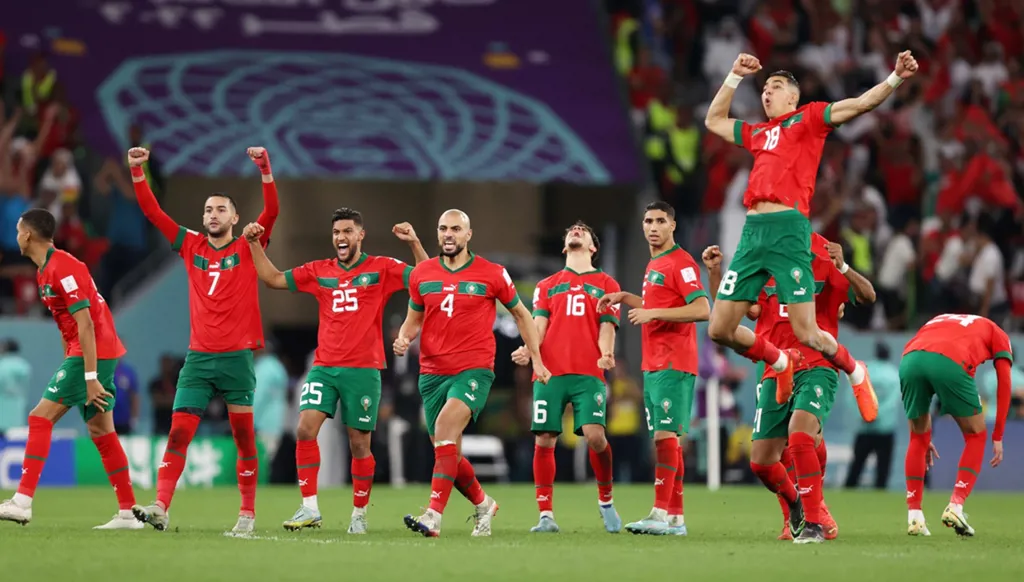
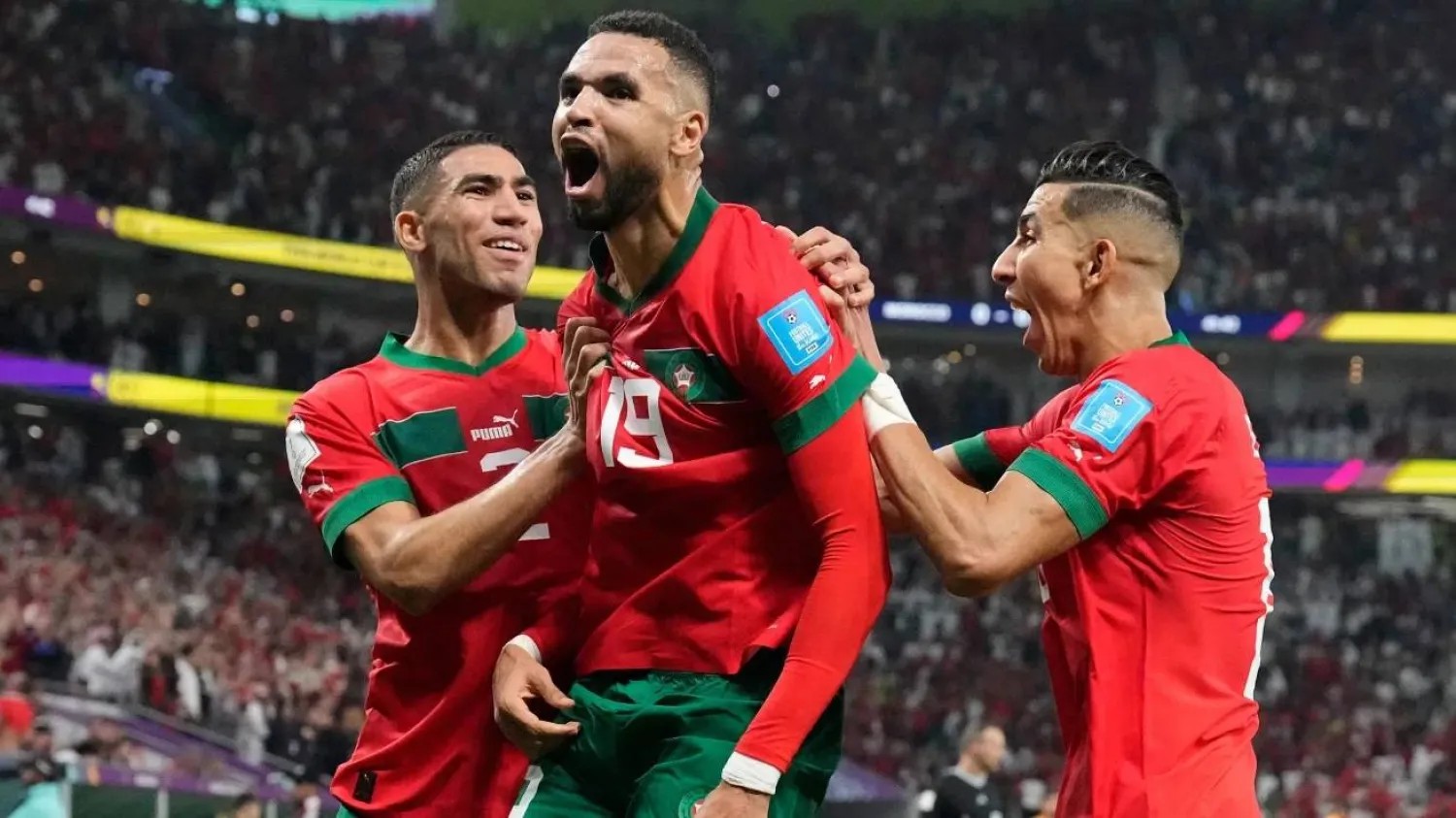
Morocco
In 2022, Morocco changed the history of Arab and African football.
A team from the region reached the World Cup semifinals and left the football world stunned. The "Atlas Lions" return in 2026 carrying something even more dangerous than ambition: confidence.
Morocco will make its seventh World Cup appearance, having achieved its best-ever result with a fourth-place finish in Qatar 2022.
Naturally, expectations are even higher this time. Morocco has been drawn into Group C alongside Brazil, Haiti, and Scotland.
The squad's market value stands at approximately $275 million and is led by head coach Mohamed Wahbi.
Its star-studded lineup includes Achraf Hakimi, Yassine Bounou, Brahim Diaz, and many others.
The biggest question remains: how far can Morocco go at the 2026 World Cup?
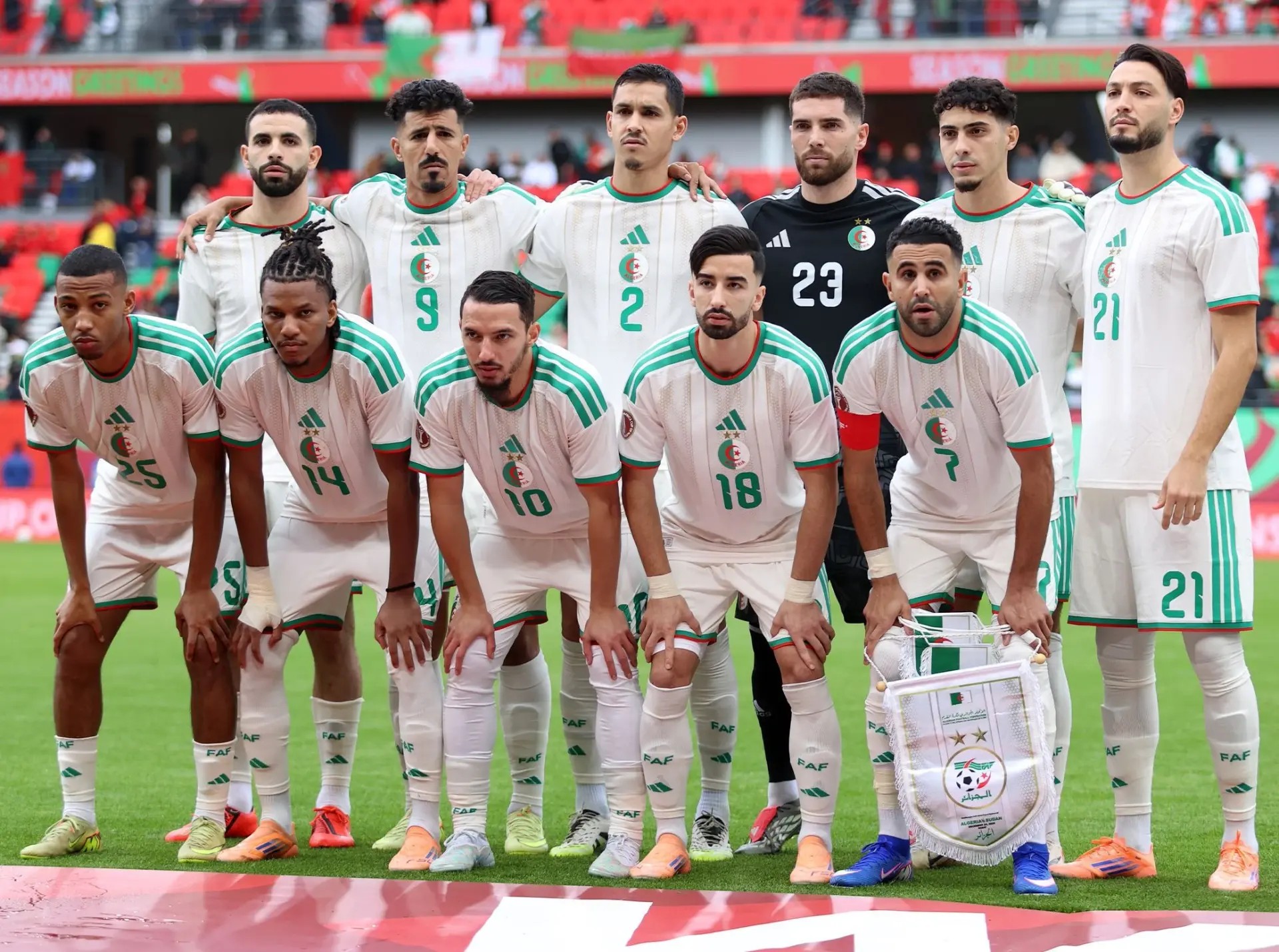
Algeria
In Algeria, football is more than a game; it is a passion that lives in the streets, homes, and hearts of millions.
After missing the 2018 and 2022 World Cups, the "Desert Warriors" return with a renewed mentality.
Algeria has been drawn into Group J alongside Argentina, Jordan, and Austria.
The team is valued at approximately $268 million and is coached by Vladimir Petković.
That valuation reflects the quality available in the squad, including Riyad Mahrez, Rayan Aït-Nouri, Amine Gouiri, and others.
Algeria's best World Cup achievement remains its Round of 16 appearance in Brazil 2014.
The group is challenging, but few teams enjoy facing opponents whose players regularly compete for Europe's biggest clubs.
Egypt
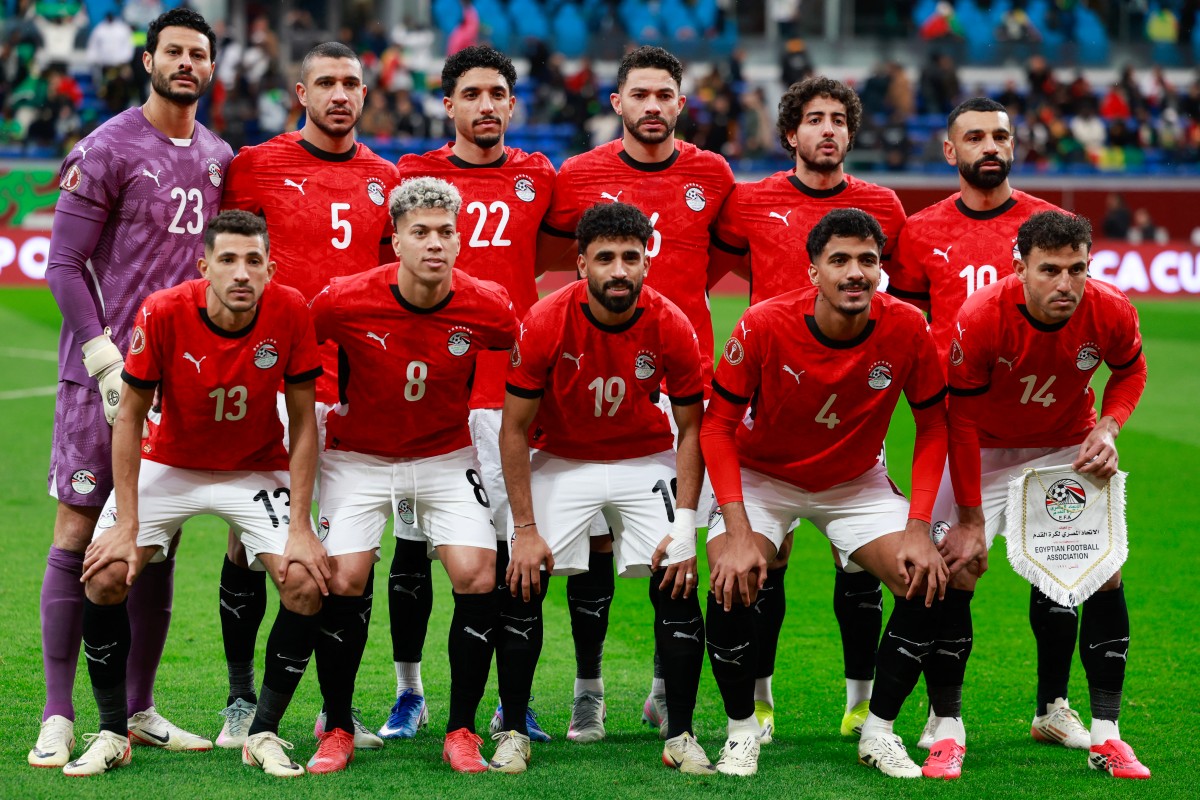
Imagine Mohamed Salah leading Egypt to the greatest achievement in its World Cup history...
The "Pharaohs" return to the tournament with ambitions unlike ever before.
Egypt will compete in Group G alongside Belgium, Iran, and New Zealand.
On paper, qualification for the Round of 32 appears achievable. If accomplished, it would mark the first time Egypt advances beyond the opening stage after three previous disappointing appearances.
The Egyptian national team's market value is approximately $127 million, under the leadership of head coach Hossam Hassan.
The team's star power can almost be summarized in two names alone: Mohamed Salah and Omar Marmoush.
From Cairo to the world's biggest stadiums, the Pharaohs arrive carrying the dreams of millions.
Tunisia
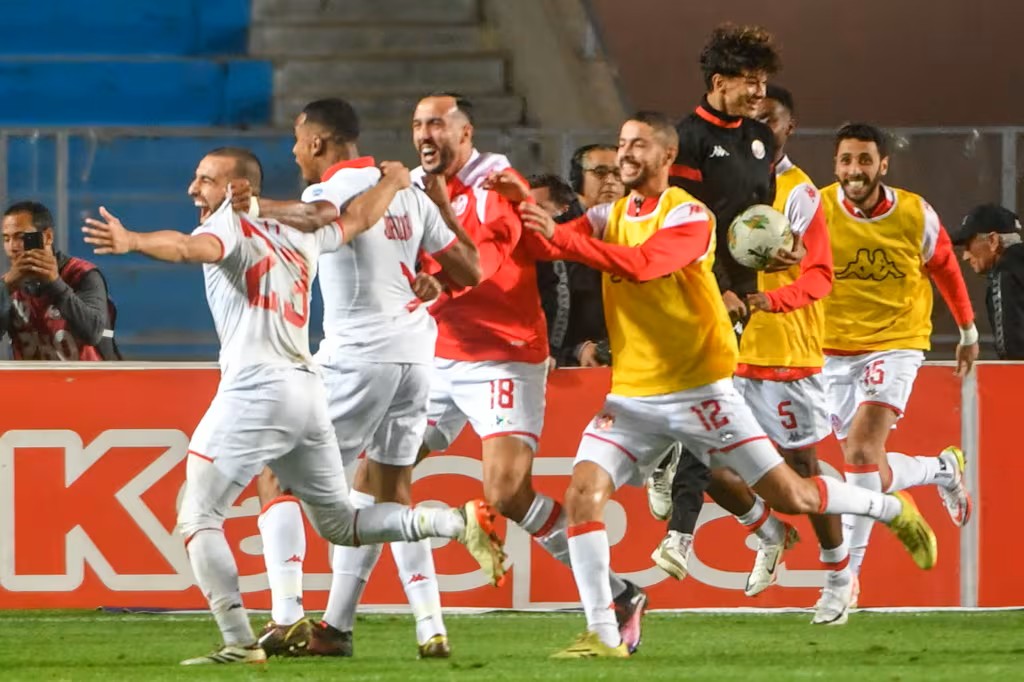
Can the "Eagles of Carthage" soar higher than expected?
Tunisia enters the tournament determined to challenge expectations and write a different story.
This will be the country's seventh World Cup appearance, yet it has never progressed beyond the group stage.
Unfortunately, the task ahead is difficult. Tunisia finds itself in Group F alongside the Netherlands, Sweden, and Japan.
The squad is valued at around $82 million and is coached by Sabri Lamouchi, with players such as Ellyes Skhiri, Ismael Gharbi, Hannibal Mejbri, and others among its key assets.
One thing Tunisia always brings to the World Cup is its fighting spirit, which lasts until the final whistle.
The question is whether 2026 will finally end the first-round curse or whether Tunisia's story will remain one of courage without a happy ending.
Saudi Arabia
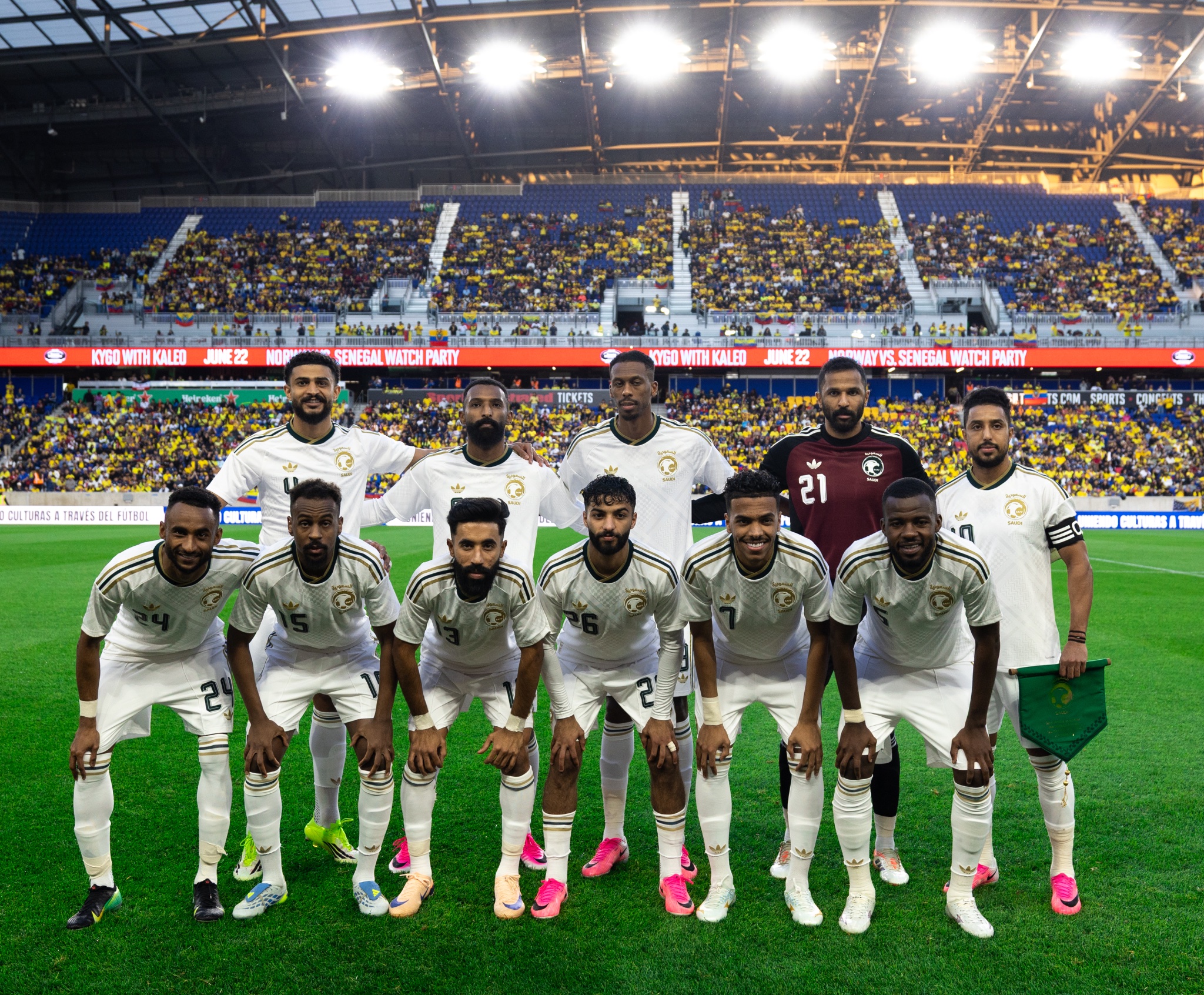
Since defeating Argentina in 2022, perceptions of Saudi Arabia have changed dramatically.
The "Green Falcons" enter their seventh World Cup appearance in 2026 and have been drawn into Group H alongside Spain, Uruguay, and Cape Verde—a group featuring former world champions.
The team is valued at approximately $33 million and is led by head coach Georgios Donis.
Saudi Arabia's greatest World Cup achievement remains reaching the Round of 16 at the 1994 World Cup in the United States.
Among its key players are Saleh Al-Dossari, renowned for delivering on the biggest stages, Firas Al-Buraikan, a dangerous attacking weapon, and Saud Abdulhamid, known for his pace.
If Saudi Arabia has already defeated a world champion once, it may well be capable of repeating the feat and reaching the knockout rounds.
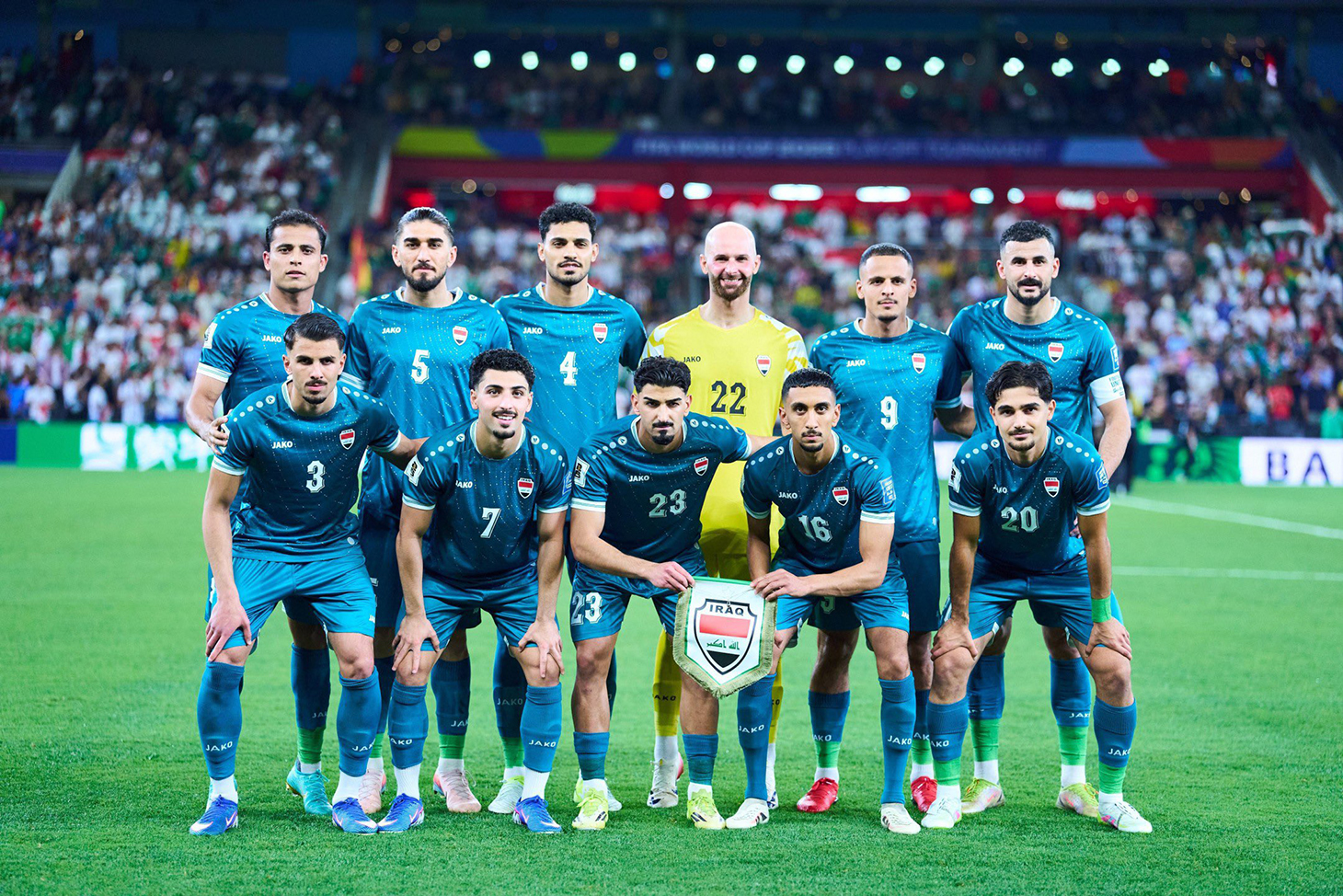
Iraq
Iraq and the World Cup represent the story of a people who never stop dreaming.
Years have passed through wars, crises, and difficult periods, but one thing has remained unchanged: the Iraqi public's passion for football.
The "Lions of Mesopotamia" return to the World Cup for the first time since their only appearance in 1986. This time, however, they arrive with different ambitions.
Iraq has been drawn into a challenging Group I alongside France, Senegal, and Norway.
While the task is difficult, Iraqis are not known for surrendering.
The squad's market value is approximately $23 million and is led by Australian coach Graham Arnold.
Among the team's standout players are Ayman Hussein, Zidane Iqbal, Ali Jasim, and others.
Iraq's story is unique, supported by fans who celebrate victories with tears of joy and continue singing for their team until the very end, even in defeat.
From Baghdad to football's greatest stage, the Lions of Mesopotamia are back, carrying the dreams of millions.
Qatar
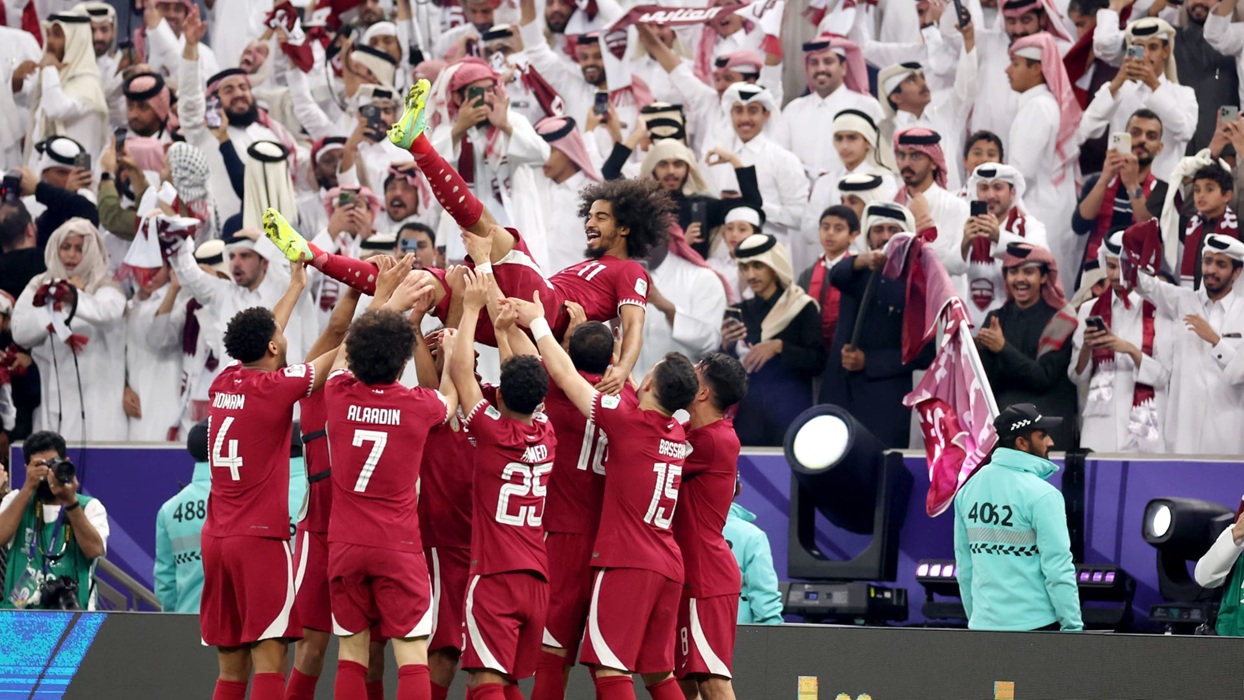
After one of the most difficult preparation periods in its history, Qatar returns to the World Cup in 2026.
War in the Middle East, the cancellation of friendly matches against Argentina and Serbia, and a training camp that descended into chaos just months before the tournament all complicated preparations.
Even Spanish coach Lopetegui admitted: "We lost an important opportunity to assess our true level."
Despite these challenges, the "Maroons" remain ready to compete in Group B alongside Canada, Switzerland, and Bosnia.
The Qatari squad has a market value of approximately $21 million.
This is a team that has won the AFC Asian Cup twice and possesses players accustomed to performing under pressure, led by Akram Afif.
Despite a difficult first World Cup experience and a less-than-ideal build-up to the second, football often proves that the most dangerous teams are those from whom little is expected.
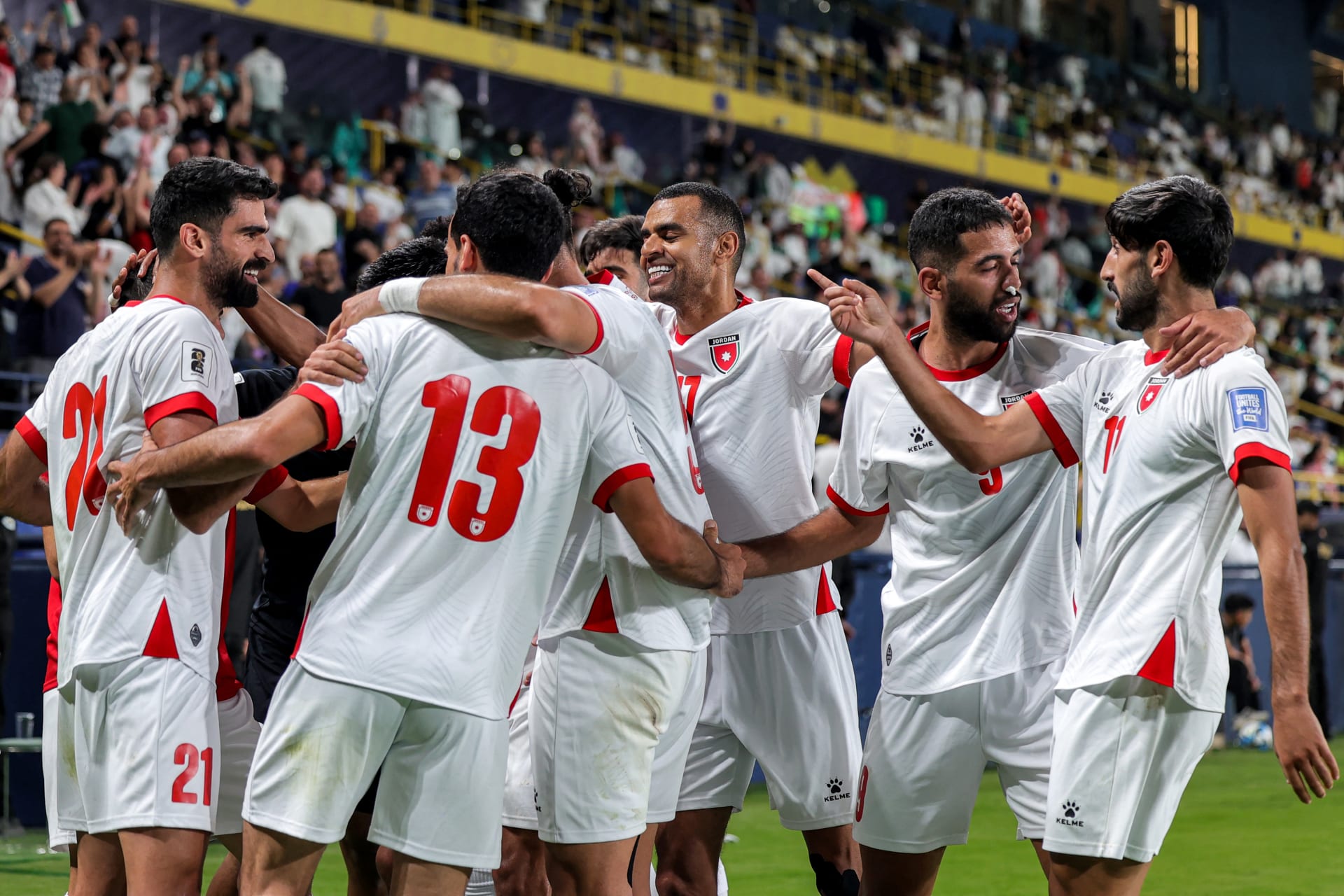
Jordan
Do not underestimate the "Nashama."
Jordan enters the 2026 World Cup hoping to produce one of the tournament's biggest surprises.
The Jordanian national team will make its first-ever World Cup appearance, competing in Group J alongside Argentina, Algeria, and Austria.
The squad's market value stands at approximately $19 million and is led by Moroccan coach Jamal Sellami. Many consider this generation to be the finest in Jordanian football history.
It features Mousa Al-Tamari, a magician on the counterattack, Ali Olwan, a prolific goalscorer, and Yazan Al-Arab, a defensive cornerstone, while the absence of leading scorer Yazan Al-Naimat remains a notable setback.
Following recent runner-up finishes in both the Asian Cup and the Arab Cup, confidence has grown among Jordanians that the team is capable of reaching the Round of 32.
It may be Jordan's first World Cup appearance, but it is unlikely to go unnoticed. Remember those words.