

Lebanon and Israel reach agreement on new ceasefire arrangements in Washington talks
Fourth round of Washington talks results in a new ceasefire framework and security arrangements.



 Messenger
 Whatsapp
 Threads
 Email
Email
 Print
Print
 X
X
 Facebook
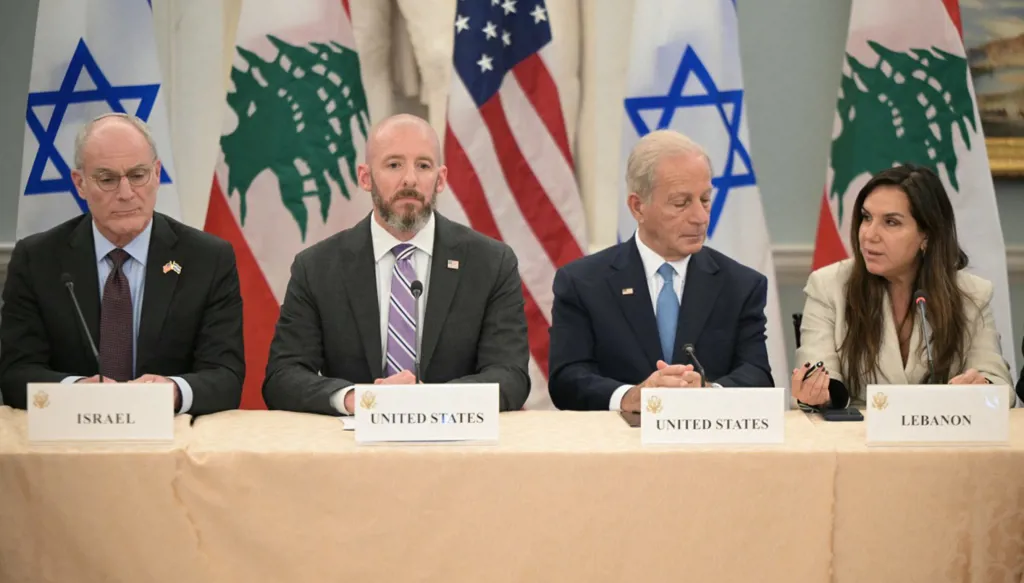
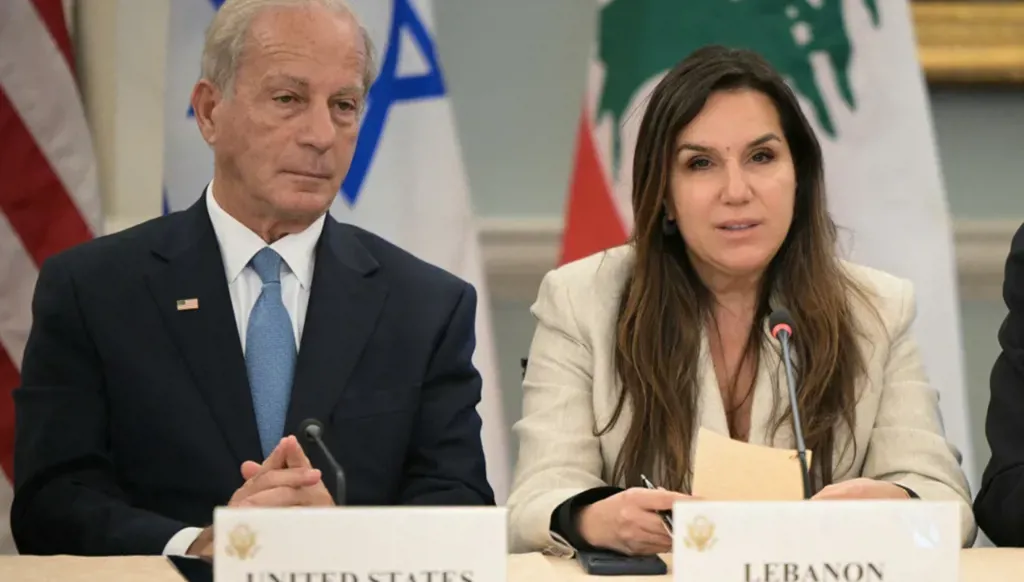
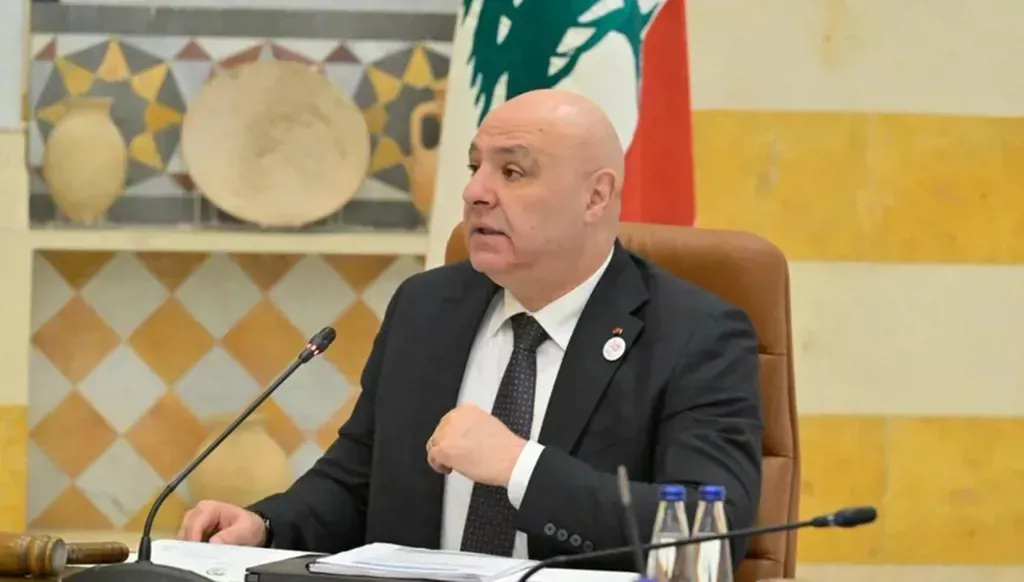


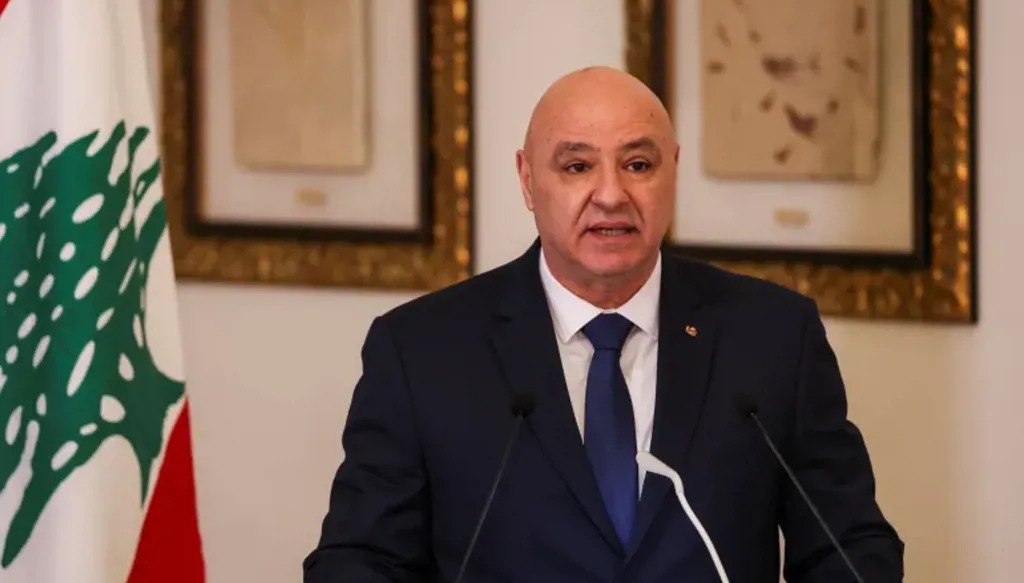
In his first comments on the outcome of the fourth round of direct negotiations between Lebanon and Israel in Washington and the announcement that a ceasefire had been reached, Lebanese President Joseph Aoun said: “We are awaiting the responses of all concerned parties and guarantees of compliance. The implementation of the ceasefire could begin within 24 hours of final approval.”
Speaking to journalists, the president added: “Since 2 a.m., I have been in contact with both international and domestic parties to secure the ceasefire.” He described yesterday’s negotiations as “very difficult,” noting that they “resumed after an intervention by Marco Rubio following their suspension by head of the delegation Simon Karam.”
Aoun also stressed that “the agreement reached is the last opportunity, otherwise each side will have to bear its responsibilities.” He added: “Today’s agreement differs from the agreement of November 27, 2024, because it will be sustainable, and we are counting on the role of President Donald Trump and his administration.”
Regarding the pilot zone included in the joint US Lebanese Israeli agreement, Aoun said: “We proposed that the pilot zone, as an initial phase, include the areas of Western Zawtar, Eastern awoutar, and the Beaufort Castle area.” He emphasized that Lebanon is relying on the role of the US sponsor, which has demonstrated a firm position.
Netanyahu Concerned About Trump’s Restrictions
In the same context, Axios cited an Israeli source as saying that Israeli Prime Minister Benjamin Netanyahu is “concerned that the tense conversation with President Donald Trump could be a precursor to additional US restrictions on Israel’s freedom of action in Lebanon.”
The source added: “Netanyahu fears that Washington may impose stricter criteria on strikes in Lebanon, not only in Beirut, before granting its approval.”
Axios also quoted two senior US officials as saying that “while Trump wants to end the war in Lebanon, Benjamin Netanyahu appears to want to resume it."
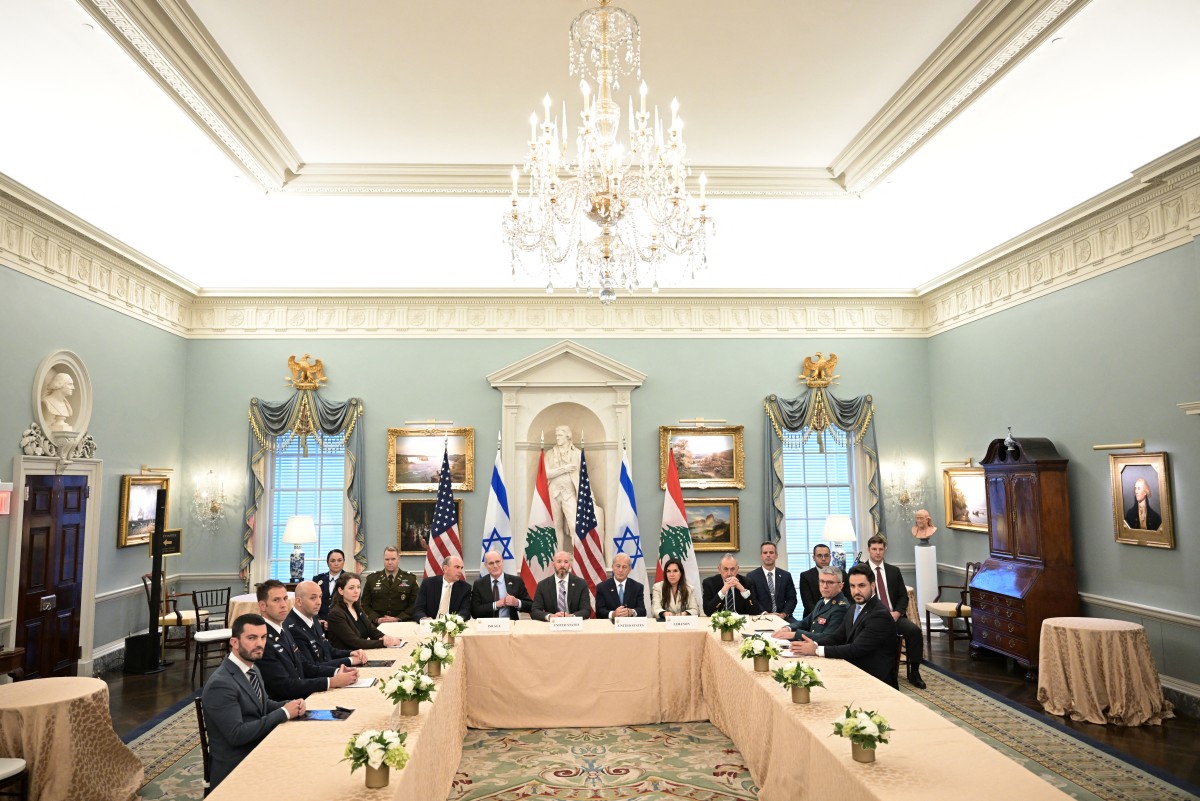
Details of the Agreement Between Lebanon and Israel
The Lebanese and Israeli delegations reached an agreement early Thursday morning during the fourth round of negotiations hosted in Washington on new arrangements for a comprehensive ceasefire.
A joint statement issued by the United States, Lebanon, and Israel said: “The United States convened the fourth high level trilateral meeting between representatives of Israel and Lebanon on June 2 and 3, 2026.”
The statement added: “As a result of US led negotiations, Israel and Lebanon agreed to implement a ceasefire.”
It explained that “the ceasefire is contingent upon a complete cessation of Hezbollah fire and the withdrawal of all Hezbollah personnel from the area south of the Litani River.”
The statement also noted that “both sides, under US guidance, agreed to accelerate the establishment of pilot zones in which the Lebanese Armed Forces will exercise exclusive control over the territory, with all non-state armed groups excluded.”
It stressed that “these steps will pave the way for progress toward a comprehensive peace and security agreement.”
All parties emphasized that “the future of relations between Israel and Lebanon must be determined exclusively by the two countries’ sovereign governments,” and rejected “any attempt by any state or non-state actor to hold Lebanon’s future hostage or impose guardianship over it.”
Israel and Lebanon also affirmed that “they have no hostile intentions toward one another” and committed to “continuing direct negotiations to build confidence, address all outstanding issues, and work toward a comprehensive agreement between the two countries."
The delegations discussed “a security framework based on the discussions held at the Pentagon on May 29, aimed at ensuring the sovereignty, security, and territorial integrity of Lebanon and Israel on a sustainable basis.”
The framework includes “the dismantling of non-state armed groups and preventing their reconstitution or future return.”
All parties condemned “Iranian attacks against countries in the region, as well as Iran’s ongoing activities that undermine stability in the Middle East, whether through support for proxy groups or other hostile actions.”
The United States reaffirmed “its continued support for both governments in exercising their sovereignty” and stressed that “any agreement to halt hostilities must be reached directly between the two governments, under US sponsorship, and not through any separate track.”
The United States also emphasized “its determination to continue supporting the Lebanese Armed Forces in order to strengthen their capabilities and enable them to effectively extend state sovereignty across all Lebanese territory.” It further referred to a statement issued by Secretary of State Marco Rubio on June 2, in which he stated that “Hezbollah is not only an enemy of Israel and the United States, but also an enemy of Lebanon.”
For its part, Israel affirmed that “its security and respect for its territorial integrity can only be achieved through the disarmament of Hezbollah and the dismantling of its infrastructure throughout Lebanon.” It also stressed “the importance of direct negotiations under US sponsorship to address all outstanding issues and achieve lasting peace and security.”
Lebanon, meanwhile, emphasized “the need for mutual respect for internationally recognized borders and the urgent necessity of fully implementing the ceasefire agreement, while upholding the principles of territorial unity and full state sovereignty.”
It also committed to “strengthening the capabilities of the Lebanese Armed Forces, with US support, to enable them to exercise effective control over the entire territory of the country.”
The two sides agreed to “resume the political and security tracks during the week beginning on June 22, with the aim of reaching a comprehensive agreement.” The United States also agreed to “continue facilitating communication between the two parties during the transitional period.”