

Trump's Risky Iran Gamble: A New Afghanistan?
In the rush for a quick deal with Tehran, Trump may be sacrificing the strategic patience needed to secure a lasting outcome, risking political consequences similar to those that followed the US withdrawal from Afghanistan.




 Messenger
 Whatsapp
 Threads
 Email
Email
 Print
Print
 X
X
 Facebook
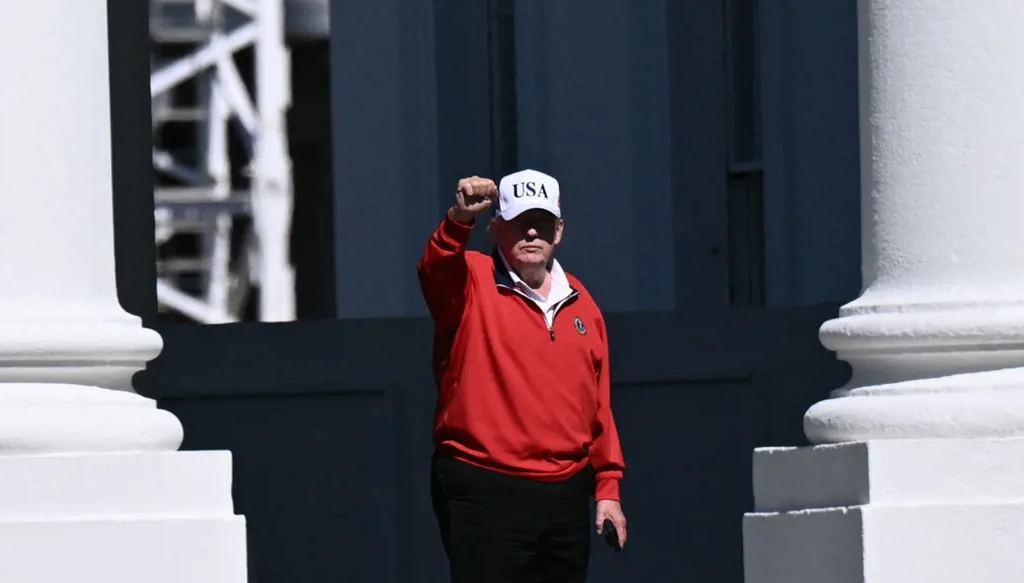
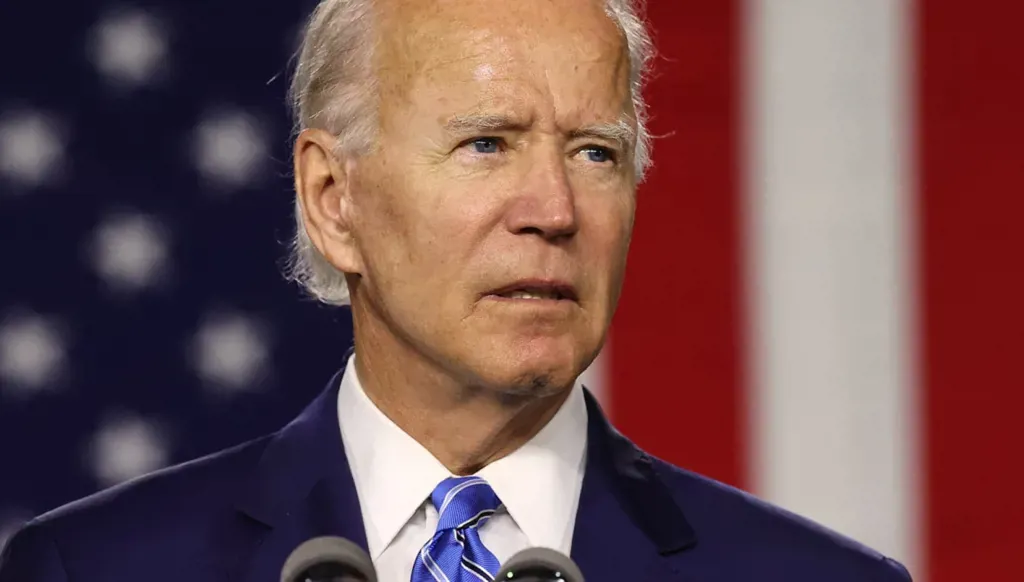


“You've got the watches, and we've got the time”: this statement, attributed to leaders of the Taliban movement, is one of the clearest expressions of America’s weakness in long political marathons.
Indeed, five years ago, the Taliban outlasted the Americans and returned to power in Afghanistan, twenty years after being removed from government. Today, President Donald Trump risks making a similar mistake in his policy toward Iran, one that could have comparable political consequences for his legacy and for the image of the United States itself.
Afghanistan as a Prelude to Iran
When former President Joe Biden took office, the Taliban was not capable of holding a single Afghan province, according to veteran American diplomat Ryan Crocker in 2022. The US military presence in Afghanistan served as a relatively low-cost guarantee against the movement’s return to power. However, in Crocker’s view, America’s strategic patience had run out.
Biden also refused to take responsibility even for the failure to organize a safe withdrawal of Americans from the country. During the evacuation, 13 American soldiers were killed in a suicide attack in Kabul, an event that became a tragic conclusion to a series of failures on multiple levels.
For the most part, Biden limited himself to blaming his predecessor, Trump, for putting the withdrawal plan in place. The exchange of blame between the two presidents highlights a clear reality: both Biden and Trump lack strategic patience. This is what brings observers to the issue of Iran.

Since Biden announced the withdrawal from Afghanistan, his net approval rating fell into negative territory even before the suicide bombing took place. It never recovered afterward.
Between April 7, the date of the ceasefire between the United States and Iran, and June 1, Trump declared roughly ten times that an agreement with Iran was close at hand. If this indicates anything, it points to his eagerness to secure a deal.
The Iranians, however, are unlikely to hand him one. Even his reported sharp disagreement with Israeli Prime Minister Benjamin Netanyahu, according to Axios at least, stemmed from his concern that Israel might jeopardize the opportunity for an agreement with Iran if it carried out strikes on Beirut’s southern suburbs.
Repeating the Afghanistan Scenario in Iran?
Trump is trying to achieve two goals that are almost contradictory: persuading Iran to refrain from disrupting navigation through the Strait of Hormuz in order to ease pressure on the American economy, while also extracting a major concession from Tehran on its nuclear program.
At best, Trump has two options. He can secure a quick agreement without Iran giving up its demand to retain the right to enrich uranium, which could provide some momentum for the economy.
Alternatively, he can abandon the pursuit of a rapid deal and accept weaker public approval in exchange for a more durable and substantial agreement later.

If Trump launches a war against Iran to prevent it from obtaining uranium, only to end up signing an agreement similar to the 2015 nuclear deal, independent American voters will question whether the entire effort was worthwhile. Republican hawks would almost certainly join Democrats in making Trump’s political life difficult after such an agreement.
In that case, Trump would have repeated Biden’s Afghan tragedy, although in a form less dramatic for television audiences. After a quick and weak agreement with Iran, it would be difficult for his approval ratings to return to where they were at the beginning of his second term.
Iran would remain a negative mark on his legacy, much as neighboring Afghanistan became for Biden’s legacy.
All of this would happen because Trump, like Biden before him, chose to possess the watch rather than the time. Unlike Biden, however, Trump will not be able to find someone else to blame for failure in dealing with Iran.
Disclaimer: The opinions expressed by the writers are their own and do not necessarily represent the views of Annahar.