

Washington brokers Lebanon-Israel ceasefire deal
A landmark trilateral agreement links the ceasefire to Hezbollah’s withdrawal south of the Litani River and expanded Lebanese Army control, while Israeli strikes halt following the announcement amid anticipation over Hezbollah’s response.



 Messenger
 Whatsapp
 Threads
 Email
Email
 Print
Print
 X
X
 Facebook
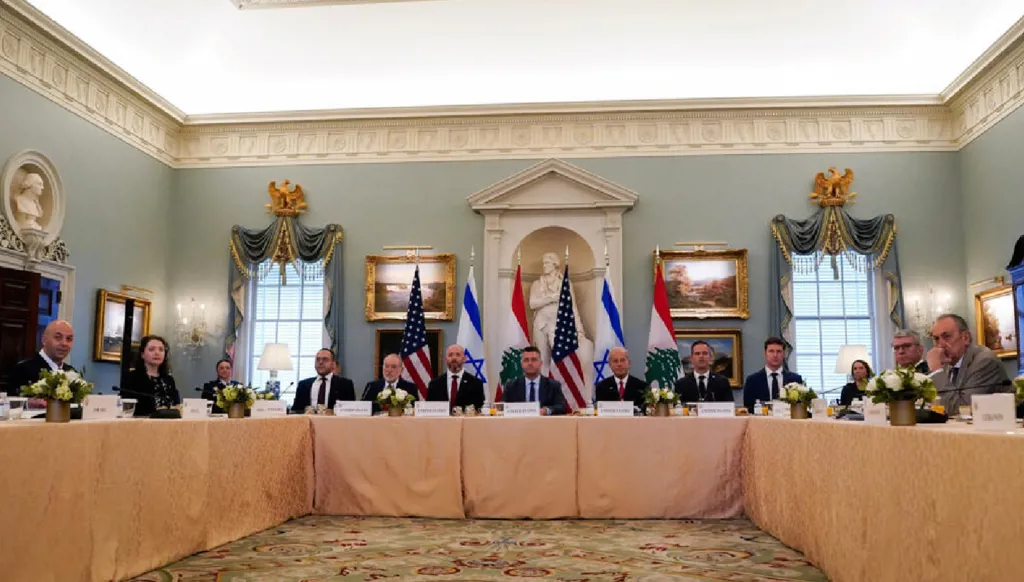


The Lebanese and Israeli delegations reached an agreement early Thursday during the fourth round of negotiations hosted by Washington on new arrangements aimed at establishing a comprehensive ceasefire.
A joint statement issued by the United States, Lebanon, and Israel said: “The United States convened the fourth high-level trilateral meeting between representatives of Israel and Lebanon on June 2–3, 2026.”
The statement added: “As a result of the negotiations led by the United States, Israel and Lebanon agreed to implement a ceasefire.”
According to the statement, the ceasefire is contingent upon the complete cessation of fire by Hezbollah and the withdrawal of all its elements from areas south of the Litani River.
The statement also noted that both sides, under U.S. guidance, agreed to accelerate the establishment of pilot zones in which the Lebanese Armed Forces would exercise exclusive control, with no presence of non-state armed actors.
It further stated that these measures are intended to pave the way for progress toward a comprehensive peace and security agreement.
All parties stressed that the future relationship between Israel and Lebanon must be determined solely by the sovereign governments of the two countries, rejecting any attempt by a state or non-state actor to shape Lebanon’s future or impose guardianship over it.
Israel and Lebanon affirmed that they harbor no hostile intentions toward one another and committed to continuing direct negotiations to build confidence, resolve all outstanding issues, and work toward a comprehensive agreement between the two countries.
The delegations also discussed a security framework based on talks held at the Pentagon on May 29, aimed at ensuring the lasting sovereignty and security of both Lebanon and Israel, as well as the inviolability of their territories.

The framework includes dismantling non-state armed groups and preventing their reconstitution or return in the future.
All parties condemned Iranian attacks on regional states and Iran’s continued activities that undermine stability in the Middle East, whether through support for proxy groups or other hostile actions.
The United States reaffirmed its continued support for both governments in exercising their sovereignty and emphasized that any agreement to end hostilities must be concluded directly between the two governments under U.S. sponsorship, rather than through any separate channel.
Washington also reiterated its commitment to supporting the Lebanese Armed Forces in strengthening their capabilities and enabling them to effectively enforce state sovereignty across all Lebanese territory.
The statement referenced remarks by U.S. Secretary of State Marco Rubio on June 2, in which he said Hezbollah “is not only an enemy of Israel and the United States, but also an enemy of Lebanon.”
For its part, Israel stated that its security and the preservation of its territorial integrity can only be achieved through the disarmament of Hezbollah and the dismantling of its infrastructure throughout Lebanon.
It also stressed the importance of direct negotiations under U.S. sponsorship to address all outstanding issues and achieve lasting peace and security.
Lebanon, meanwhile, underscored the need for mutual respect for internationally recognized borders and the urgent implementation of ceasefire agreements, with particular emphasis on territorial integrity and full state sovereignty.
It also committed to enhancing the capabilities of the Lebanese Armed Forces, with U.S. support, to enable effective control over the entire country.
The parties agreed to resume both political and security negotiations during the week beginning June 22 in an effort to reach a comprehensive agreement. The United States also agreed to continue facilitating communication between the parties throughout the transitional period.
Israeli airstrikes continued early today
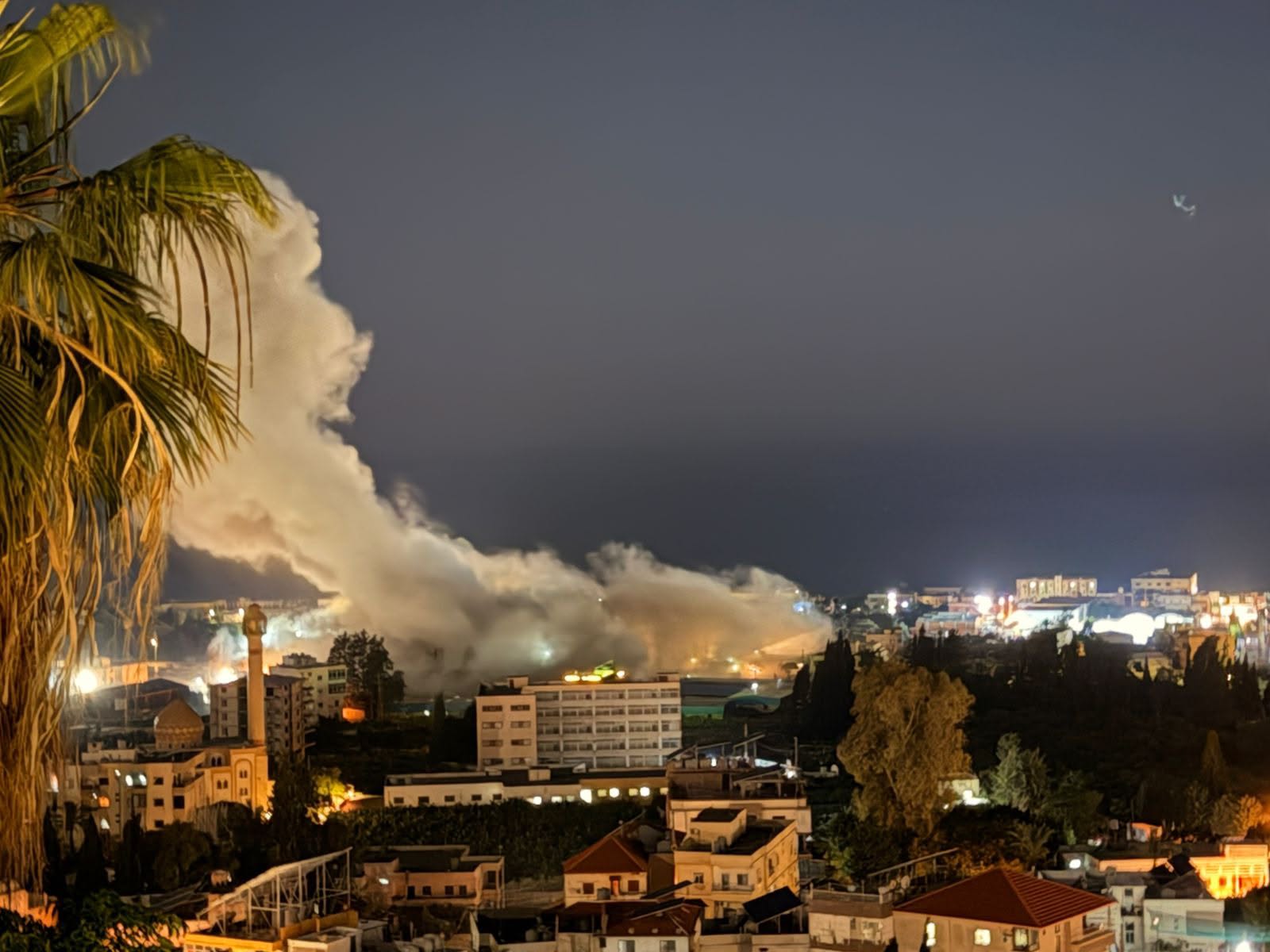
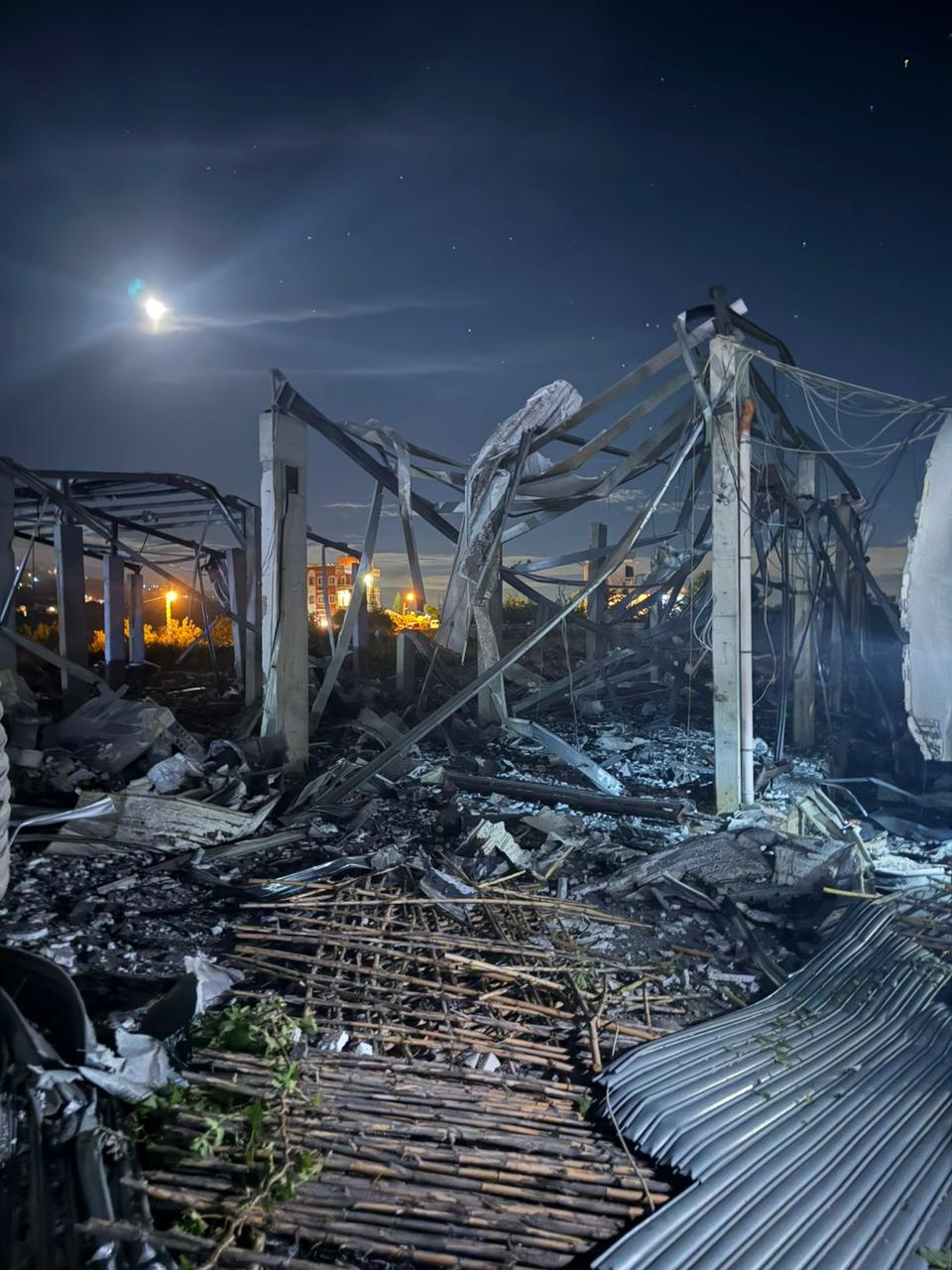
As negotiations between Israel and Lebanon continued, Israeli aircraft carried out a series of strikes since early Thursday targeting several towns in southern Lebanon, including Majdal Zoun, Hanaouiyeh (two strikes), Al-Maaliyeh, Ghaziyeh, Al-Marwaniyeh (two strikes), Froun, Kfardounin, Arab El Jal, Houmin el-Tahta, and the vicinity of the Tyre Rest House in the city of Tyre.
Reports indicated multiple injuries in Ghaziyeh, south of Sidon, after a hangar housing several displaced persons was targeted. Reports also noted the presence of several Israeli armed drones over the city of Tyre.
Observers noted that Israeli strikes ceased following the announcement of the joint declaration, amid anticipation over Hezbollah’s response to the agreement.