

Escalation in the Gulf and the fragile U.S.–Iran ceasefire: Negotiations under strain
As military exchanges intensify across the Strait of Hormuz and regional flashpoints widen to include Lebanon, faltering U.S.–Iran talks are being tested by rising tensions, unresolved sanctions disputes, and the risk of miscalculation that could unravel an already fragile ceasefire.



 Messenger
 Whatsapp
 Threads
 Email
Email
 Print
Print
 X
X
 Facebook
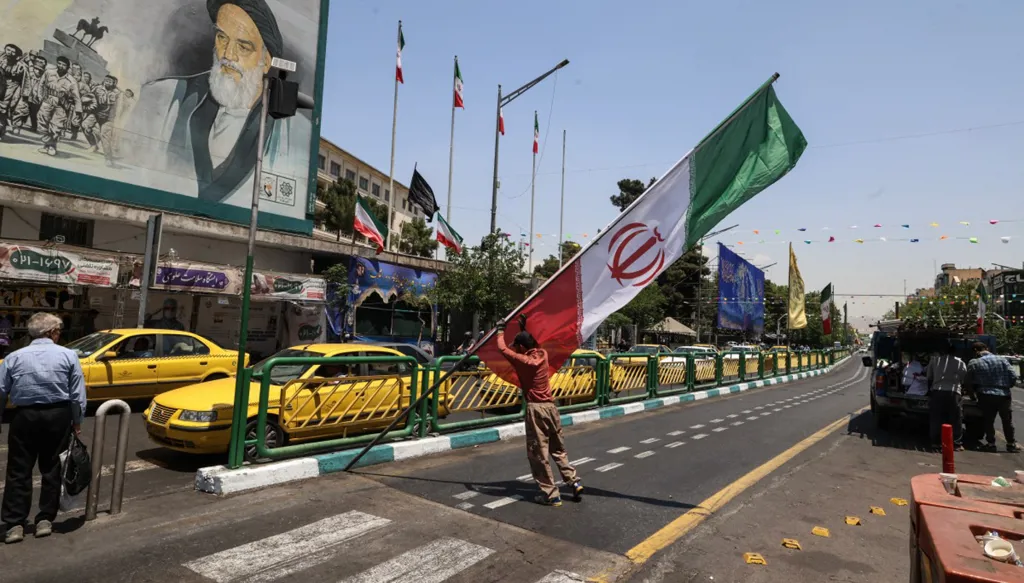


Escalation in the exchange of strikes between U.S. and Iranian forces in the Strait of Hormuz is taking an upward trajectory, recalling the “Tanker War” that erupted during the Iran–Iraq war in the 1980s, with the added element of Iran targeting critical infrastructure in neighboring Gulf states such as Kuwait and Bahrain.
Most dangerous escalation since the ceasefire
The level of danger lies in the repeated strikes, with Iran continuing to intermittently disrupt the Strait of Hormuz, while the United States enforces a maritime blockade on Iran’s southern ports.
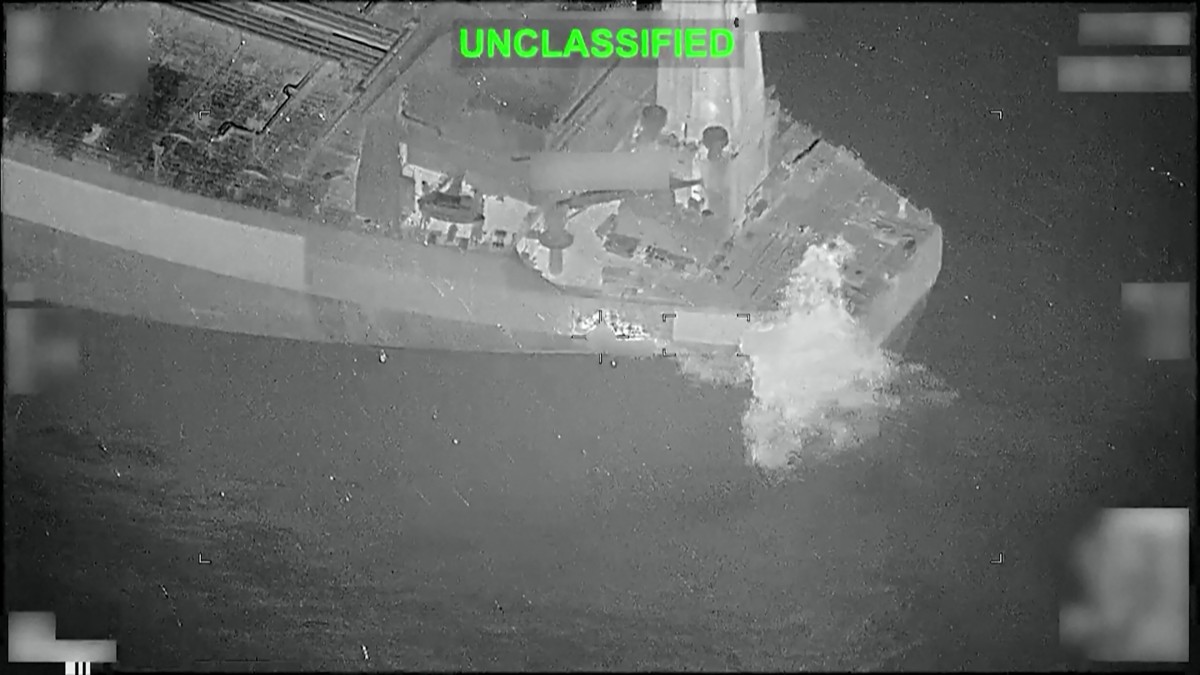
The escalation began on Tuesday with a U.S. strike on a Botswana-flagged tanker en route to Iran’s Kharg Island, through which 90% of Iranian oil exports pass, as well as the bombing of a Ground Control Station belonging to the Islamic Revolutionary Guard Corps (IRGC) on nearby Qeshm Island.
Iran responded by launching ballistic missiles and drones at what it described as U.S. bases in Kuwait and Bahrain, which led to the disruption of air traffic at Kuwait International Airport. Iranian drones also struck an oil tanker near Iraq’s Umm Qasr port.
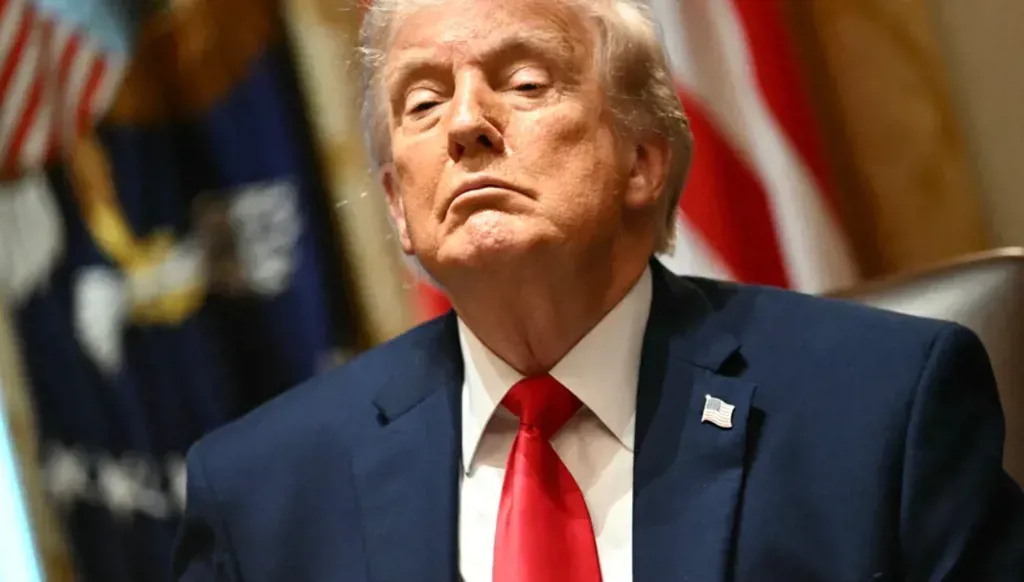
These events are the most dangerous since the fragile ceasefire declared on April 8. They coincide with a stalemate in negotiations between Washington and Tehran, driven by each side’s insistence on maximizing its demands. While Iranian media report a complete absence of U.S.–Iran communication, U.S. President Donald Trump stated that contacts are ongoing.
Secretary of State Marco Rubio suggested, during testimony before the Senate on Tuesday, that “the war is over,” that a deal is within reach, and that Iran has, for the first time, made concessions regarding its nuclear program that it had not offered in previous rounds of negotiations.
However, Rubio emphasized that frozen Iranian assets would not be released in exchange for opening the Strait of Hormuz or launching talks on the future of the strait, reiterating that sanctions relief is conditional on Iran’s full compliance with nuclear-related obligations and restrictions.
Iran places significant importance on its frozen funds, at a time when its economy is facing a severe crisis further exacerbated by the maritime blockade. The U.S. Central Command (CENTCOM) announced that, as of Tuesday, it had intercepted 122 commercial vessels, including ships attempting to enter or exit Iranian ports.
Accordingly, Iran appears to be attempting to propose a quid pro quo to the United States: halting the collection of transit fees in the Strait in exchange for the release of $12 billion as an initial tranche of its frozen assets in foreign banks, which total approximately $100 billion.
The Lebanon challenge
Another unresolved point is Lebanon, where Iran insists on including a ceasefire “on all fronts” as a key clause in any U.S.–Iran agreement, amid Israeli opposition. Trump was reportedly forced to intervene to prevent Israeli Prime Minister Benjamin Netanyahu from striking the southern suburbs of Beirut on Monday, after the Revolutionary Guard threatened to target northern Israel.
Meanwhile, continued Israeli attacks in other parts of Lebanon—particularly in the south—and attempts to advance north of the Litani River are seen as factors that do not help create a conducive environment for progress in U.S.–Iran negotiations.
At present, the exchange of strikes between the United States and Iran in the Gulf threatens to collapse the fragile truce, despite no clear indications that either side intends to resume a full-scale war. However, miscalculations remain possible, especially as Tehran expands the scope of its response to include neighboring Gulf states.
Disclaimer: The opinions expressed by the writers are their own and do not necessarily represent the views of Annahar.