

Strait of Hormuz disruptions drive global urea rally, opening export window for Egypt
As supply shocks push fertilizer prices to record highs, Egypt’s urea sector gains momentum, but turning this windfall into lasting foreign currency strength will depend on structural reforms and competitiveness.



 Messenger
 Whatsapp
 Threads
 Email
Email
 Print
Print
 X
X
 Facebook
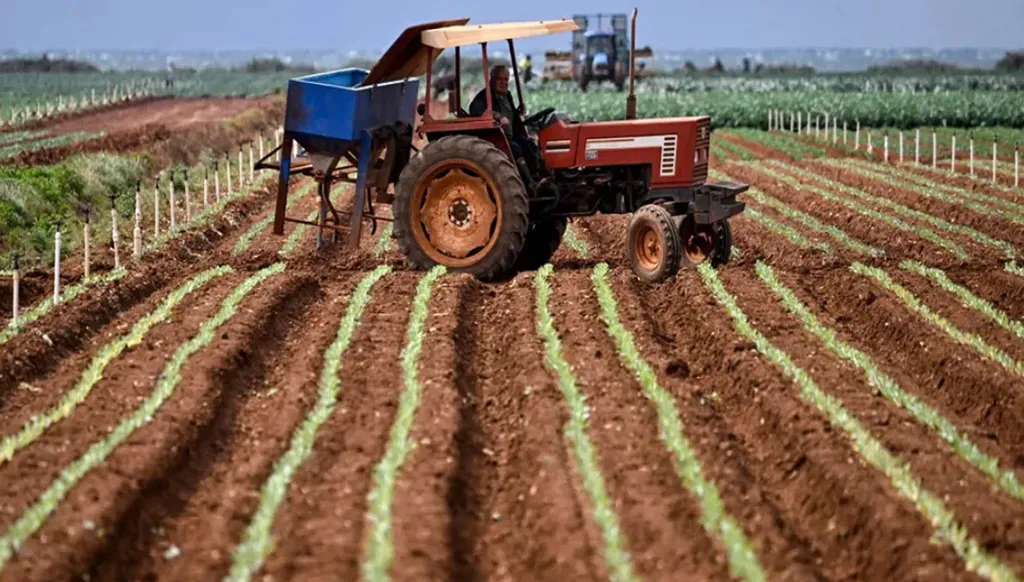


Disruptions to energy supplies and shipping through the Strait of Hormuz have become one of the main factors reshaping the global fertilizer market in recent months. These developments have triggered a worldwide surge in urea prices due to reduced supplies and growing concerns about trade flows through one of the most critical routes for energy and raw materials.
Amid these changes, Egypt has emerged as one of the potential beneficiaries of this boom. Expectations that prices will remain strong and that the gap between supply and demand will continue to widen have raised questions about the fertilizer sector's ability to turn current gains into a sustainable source of foreign currency and strengthen foreign exchange earnings.
This opportunity in the urea market stems from supply disruptions caused by production stoppages at major manufacturing hubs in the Gulf region and Iran, along with mounting concerns over shipping in the Arabian Gulf, through which around 45% of global urea trade passes, according to Bloomberg Intelligence.
These factors have pushed prices to record levels. Urea is one of the most important nitrogen fertilizers used to increase crop yields, meaning that any disruption to its supply or pricing directly affects agricultural costs and global food security.
Sharp price increase
Against this backdrop, urea prices have jumped by about 110% since the end of March, according to Green Markets data, amid fears of a global supply shortage. India's decision to issue tenders to import around 2.5 million tonnes in a single purchase further fueled the rally, driving prices to approximately $950 per tonne.
.jpg)
International forecasts
These price increases do not appear to be temporary, according to estimates from international institutions. The United Nations Food and Agriculture Organization (FAO) states that supply chain disruptions, particularly in the Strait of Hormuz, have become one of the main factors putting upward pressure on fertilizer prices.
The World Bank expects fertilizer prices to rise by 31% in 2026. This aligns with forecasts from Oxford Economics, which projects an increase of more than 30% during the same year. Urea prices are expected to rise even further due to ongoing shipping disruptions and navigation restrictions through the Strait of Hormuz.
Egypt among the key beneficiaries
As prices continue to trend upward, attention is shifting toward exporting countries that can benefit from the widening gap between supply and demand, with Egypt at the forefront. Egypt is one of the leading producers of urea in the Middle East and Africa, with annual fertilizer production of about 17.9 million tonnes. This includes between 6.7 and 7.6 million tonnes of urea and nitrogen fertilizers, according to Ministry of Agriculture data.
The country also exports more than 3 million tonnes of urea annually through a production base that includes around 18 industrial complexes and factories, strengthening the sector’s role as an important source of foreign currency earnings.
This has been reflected in export performance. Egyptian fertilizer exports increased by about 20% last year, reaching $2.04 billion. Growth continued in the first quarter of the current year, with exports rising by 3% to $838 million, according to the General Organization for Export and Import Control.
Exports to India, the world’s largest importer of urea, surged by 140% during the same period to reach $77 million. This growth was supported by the government’s decision to raise the proportion of production that companies are allowed to export to 53%, effective from September 2025, compared with 45% previously.
An exceptional export opportunity
According to experts who spoke to Annahar, these indicators point to a growing export opportunity for Egypt to benefit from the global boom in the urea market.
In this context, economist Hanan Ramsis told Annahar that Egypt is one of the leading urea producers in the Arab world and ranks fifth globally, strengthening the fertilizer sector’s position as an important source of foreign currency.
She expects the current boom to boost exports, increase foreign exchange inflows, support corporate profitability, improve the trade balance, and further strengthen Egypt’s position in the global fertilizer market.
Temporary gains or lasting benefits?
Despite the current gains, Egypt’s fertilizer industry faces several challenges, including higher natural gas prices, export duties of $90 per tonne on nitrogen fertilizers, and the risk of a decline in global prices once supplies return to the market.
Hanan Ramsis believes that the current gains may prove temporary unless measures are taken to ensure their sustainability. These measures include improving factory efficiency, expanding production capacity, securing natural gas at competitive prices, and entering new export markets.
In conclusion, the Strait of Hormuz crisis has created a significant opportunity for Egypt’s fertilizer industry. However, turning these gains into long term and sustainable returns will depend on the sector’s ability to expand production, strengthen its competitiveness in global markets, and maintain its position even after the current crisis subsides.