

UAE's Economic Transformation: From Emerging to Advanced
Strong growth, high income levels, and financial stability are pushing the UAE closer to advanced economy status.



 Messenger
 Whatsapp
 Threads
 Email
Email
 Print
Print
 X
X
 Facebook
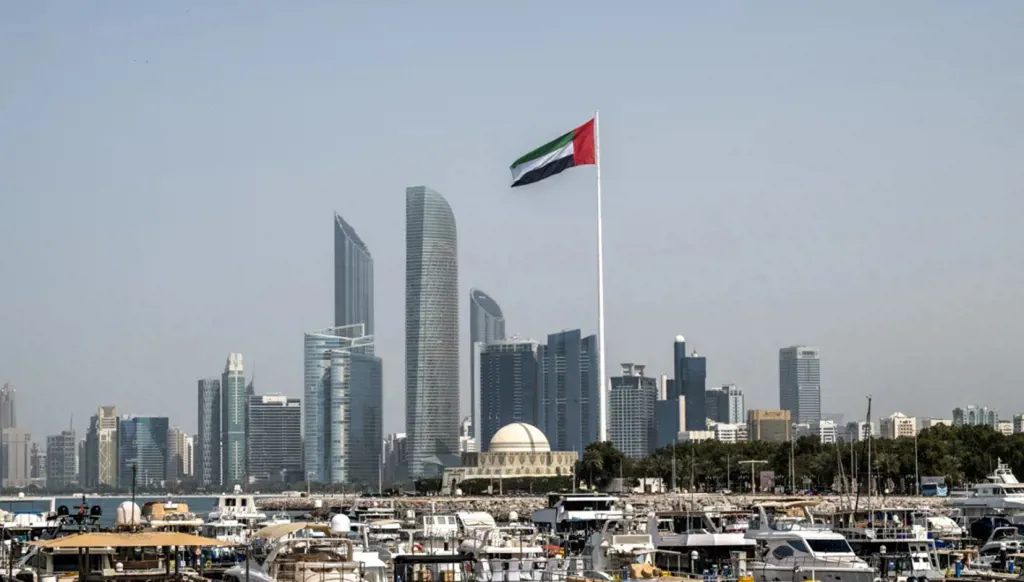


It is no longer merely a matter of speculation or periodic reviews of global indicators; it has become a tangible reality following the UAE’s exit from emerging market bond indices.
This move reflects the scale of the economic and financial transformation the country has achieved over recent years. While exclusion from such indices may initially appear negative, the reasons behind it tell a very different story.
The UAE did not leave these indices because of economic weakness or financial pressures. On the contrary, the move resulted from surpassing the criteria typically used to classify emerging economies, particularly in terms of income levels, wealth, and financial stability.
In practice, the UAE has moved into an intermediate position between emerging and advanced economies—a status attained only by countries that achieve sustained economic growth alongside financial and institutional stability.
The figures clearly illustrate this transformation. GDP per capita has exceeded $50,000 in recent years, placing the UAE alongside many advanced economies. At the same time, it has maintained AA-category credit ratings, among the highest in the world, while continuing to record strong growth rates compared with many advanced economies that are grappling with slower growth and mounting demographic challenges.
This transformation did not happen overnight. Rather, it is the result of a long-term strategy focused on economic diversification and reducing dependence on oil.
Today, non-oil sectors account for more than 70% of GDP, driven by growth in financial services, tourism, technology, logistics, and international trade. The UAE has also established itself as a regional and global financial hub that attracts companies and capital from around the world.

While the country’s exit from these indices may lead some investment funds linked to emerging market benchmarks to rebalance their portfolios, the actual impact appears limited relative to the size of the UAE economy and its investment appeal.
The UAE represented approximately 4.1% of the emerging market bond index, while the high quality of its bonds and their low-risk profile make them attractive to new categories of investors seeking economies with strong credit ratings.
More importantly, borrowing costs in the UAE have, in recent years, remained closer to those of advanced economies than to those of emerging markets. UAE bonds have traded at relatively low yield spreads compared with the emerging market average, reflecting investor confidence in the country’s ability to meet its financial obligations and the continued strength of its economic fundamentals.
This development comes at a time when the global economy is undergoing significant structural changes. While many European economies face slower growth and declining industrial competitiveness, and as the United States and China continue to compete for leadership in the global economy, technology, and artificial intelligence, the UAE has positioned itself as an economic and investment hub linking East and West. In doing so, it has benefited from ongoing shifts in global trade patterns and capital flows.
The significance of this development, therefore, lies not in the UAE’s departure from an emerging market index, but in the message that departure sends.
After years of investment in infrastructure, the financial sector, technology, and the attraction of talent and capital, the UAE is now being assessed according to criteria that increasingly differ from those traditionally applied to emerging markets.
Given current economic indicators, the discussion is no longer about whether the UAE can move beyond the emerging market category—it has already done so. The focus now is on how close the country is to securing broader recognition as an advanced economy in the years ahead.
In a world where competition for global investment is intensifying, such recognition could stand among the most significant economic achievements the UAE has realized over recent decades.