

Iran’s escalation playbook: What could happen if diplomacy fails?
From the Strait of Hormuz to potential strikes beyond the Middle East, Iranian officials are warning of “surprises,” “new fronts,” and broader retaliation options as negotiations with Washington reach a decisive stage.



 Messenger
 Whatsapp
 Threads
 Email
Email
 Print
Print
 X
X
 Facebook
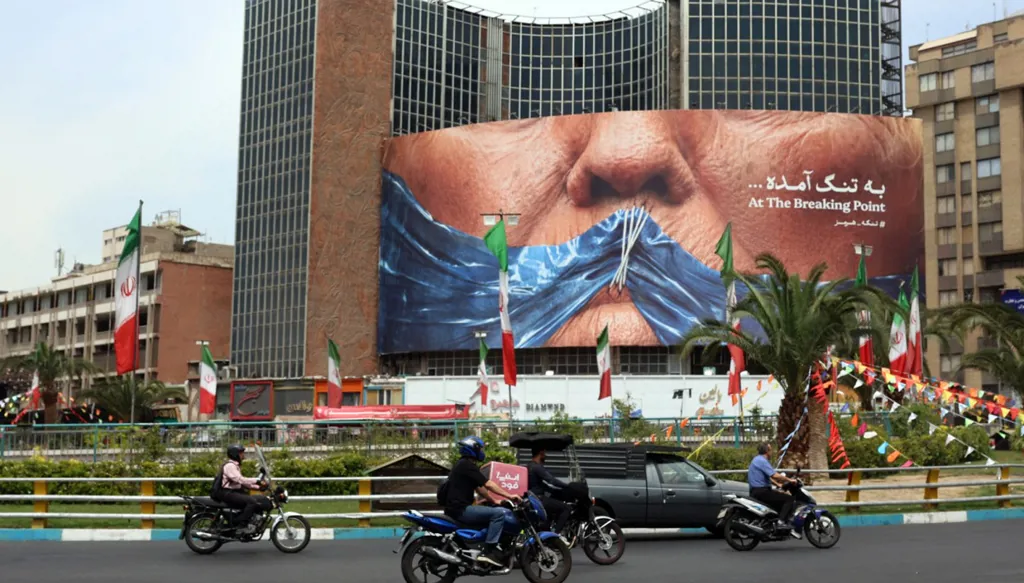


As negotiations between the United States and Iran approach a critical moment, discussions over a potential agreement are accompanied by a noticeable escalation in Iranian military warnings.
Tehran is not only sending diplomatic messages through negotiation channels but is also continuing to signal broad escalation options in the event that talks collapse and military confrontation resumes.
In recent days, Iranian officials have intensified rhetoric around “surprises,” “new fronts,” and “different tools” in any potential future war, suggesting that Tehran expects the next round, if it occurs, to differ significantly from the forty-day war witnessed in the region this year.
While experts say part of this messaging falls within deterrence strategy, it also reflects the types of scenarios Iran is signaling to raise the cost of any potential attack against it.
From the Straits of Hormuz and Bab al-Mandab to Gulf energy facilities and targets possibly beyond the Middle East, Iran’s potential options appear broader than they were in the previous round of confrontation.
How might Iran respond?
In the first round of war this year, Iranian forces were reportedly preparing for a prolonged conflict lasting about three months, according to Hamid Reza Azizi, an expert on Iranian security affairs at the German Institute for International and Security Affairs, as told to The New York Times. As a result, “Iran limited its use of missiles to allow for continued attacks for weeks against Israel and regional targets.”
By contrast, if war breaks out again, Iranian leaders are said to expect a shorter but far more intense confrontation, including heavy strikes on Iran’s energy infrastructure. In such a scenario, Iran could launch dozens or even hundreds of missiles daily in an effort to “effectively counter the enemy and change the adversary’s calculations,” according to the American newspaper.
Iranian officials have used the negotiation phase to project confidence in their military options should diplomacy fail. The Revolutionary Guard has stated that any renewed conflict will extend “beyond the region,” warning of “crushing blows” and “massive destruction” in places “beyond the enemy’s imagination.”
Last week, Iranian Foreign Minister Abbas Araghchi warned that any future retaliation “will include more surprises,” while the Iranian military threatened to open “new fronts” using “new tools.” Iranian Parliament Speaker and chief negotiator Mohammad Bagher Ghalibaf stated that the armed forces used the ceasefire period to rebuild their capabilities “at the highest level.”
Experts say much of this rhetoric is aimed at deterrence. However, they also caution that Tehran retains significant escalation options if diplomacy fails.
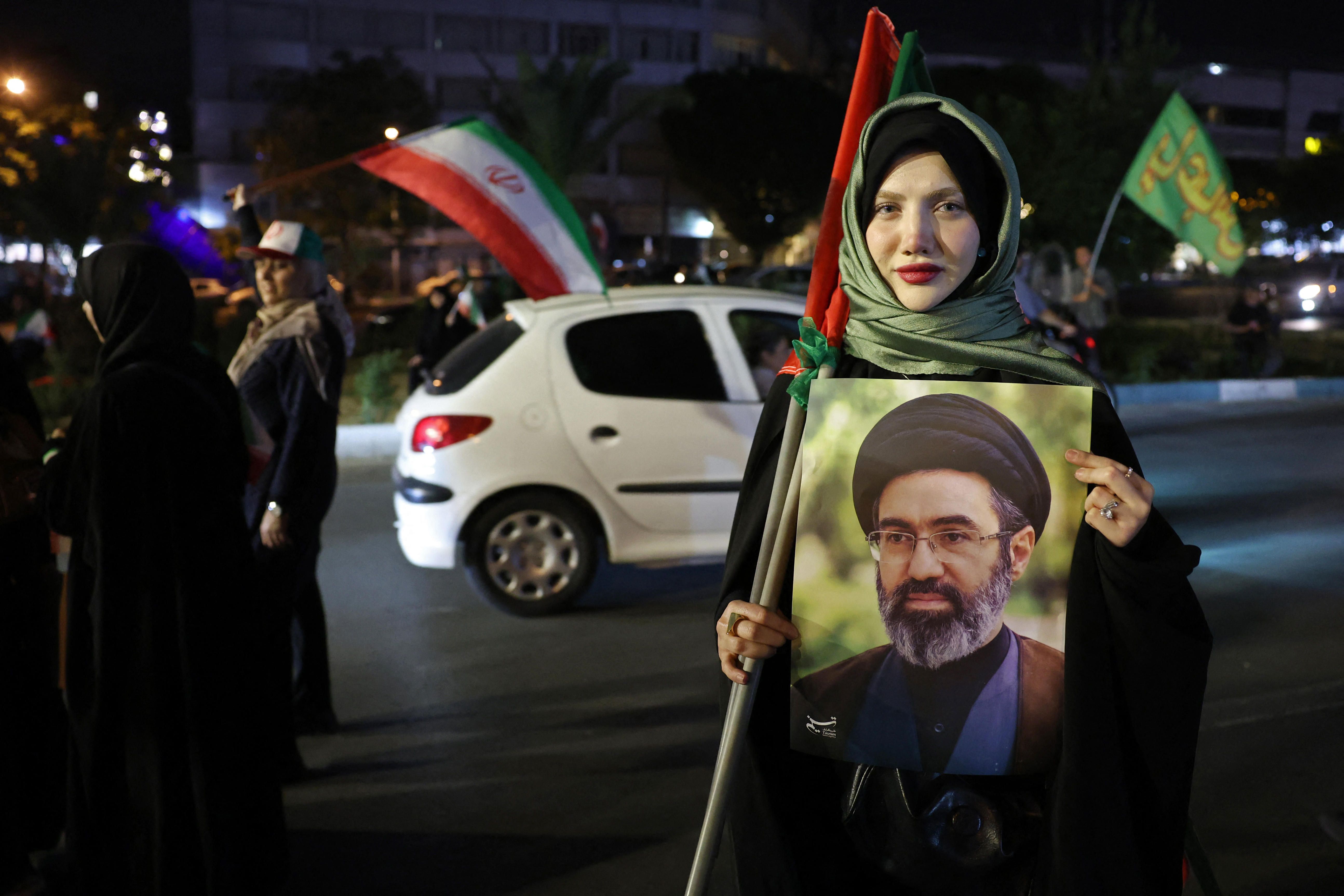
In case war resumes, here are some ways Iran might respond, according to CNN:
A new Hormuz blockade
Iran cannot defeat the United States and Israel through conventional military means, so it has relied on deterrence by threatening global economic disruption through a blockade of the Strait of Hormuz, a vital maritime passage. Tehran may now, strengthened by its experience, seek to disrupt another key maritime route.
By activating the Houthis in Yemen, Iran could coordinate the closure of the Bab al-Mandab Strait, cutting another crucial artery connecting major trade routes between Europe, Asia, and the Arab world. Such a move would significantly increase global economic pressure.
Gulf oil infrastructure
If U.S. President Donald Trump follows through on threats to target Iranian oil refineries, infrastructure, and power stations, Tehran may respond by widening the scope of the conflict across the Arab world, particularly in the Gulf, striking sensitive sites to trigger global economic shock and inflict additional damage on neighboring countries seen as safe havens for international business and reliable guarantors of global energy flows.
Ahmad Bakhshayesh Ardestani, a member of Iran’s National Security Committee, said that if the United States targets Iranian oil facilities, Tehran would respond by striking oil wells in Gulf states, marking a significant escalation compared to the forty-day war, when Iran mainly targeted refineries or pipelines.
Even after the ceasefire took effect on April 8, Iran’s proxies in Iraq launched an attack on the UAE targeting the nuclear power plant in Abu Dhabi, while Iraqi proxies also targeted Saudi Arabia with drones.
During the war, Iran launched missiles at civilian targets, including hotels and airports, and fired shells at critical desalination plants supplying millions in the region with fresh water. Despite evacuation warnings issued for American educational facilities in the region, there were no reports of Iran targeting schools and universities.
European Targets
Earlier this month, Telegram pages linked to the Iranian Revolutionary Guard published satellite images claiming to show American aircraft parked at Chania Airport on the Greek island of Crete.
This underscores the Revolutionary Guard’s warning that targets could expand “outside the region” if Iran is attacked again, raising the possibility of retaliation in far-reaching areas.
During the forty-day war with the United States and Israel, Iran demonstrated its ability to launch ballistic missiles at locations previously considered secure.