

Middle East’s real battlefield: The fight for the minds of the next generation
As regional conflicts persist, a deeper struggle emerges over shaping youth consciousness, identity, and the future narrative of peace versus perpetual conflict.



 Messenger
 Whatsapp
 Threads
 Email
Email
 Print
Print
 X
X
 Facebook
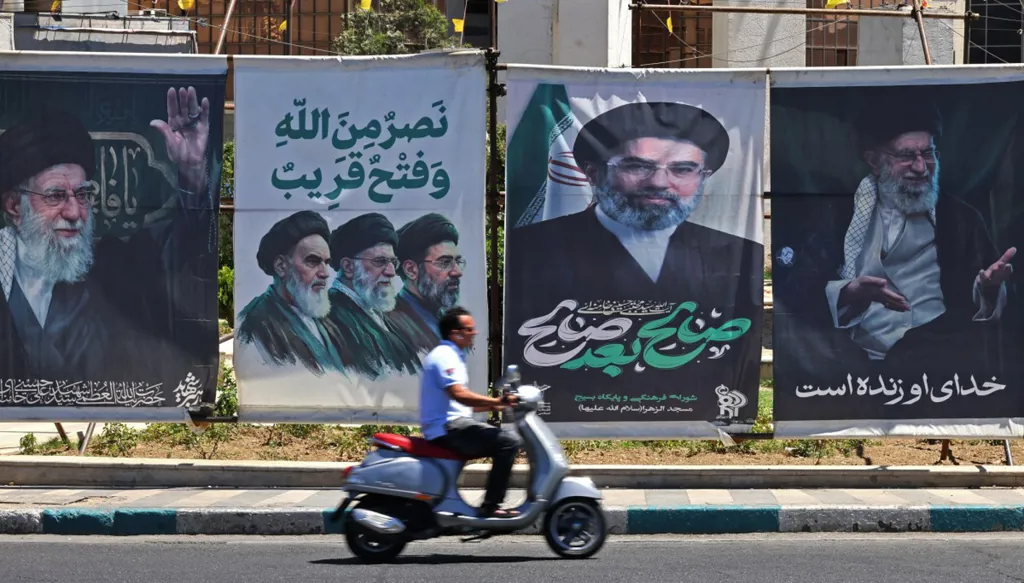


The real battle in the Middle East is no longer just a struggle over borders or influence, but has become a battle for the consciousness of future generations.
The region, exhausted by wars and divisions for decades, now faces a fateful question: Can it create a “generation of peace” capable of building the future, or will it remain captive to ideologies that thrive on conflict and the invocation of the past?
In more than one example in the region, some regimes and political organizations still rely on keeping communities in a constant state of mobilization by invoking historical battles and linking current generations to them as if they were their personal battles.
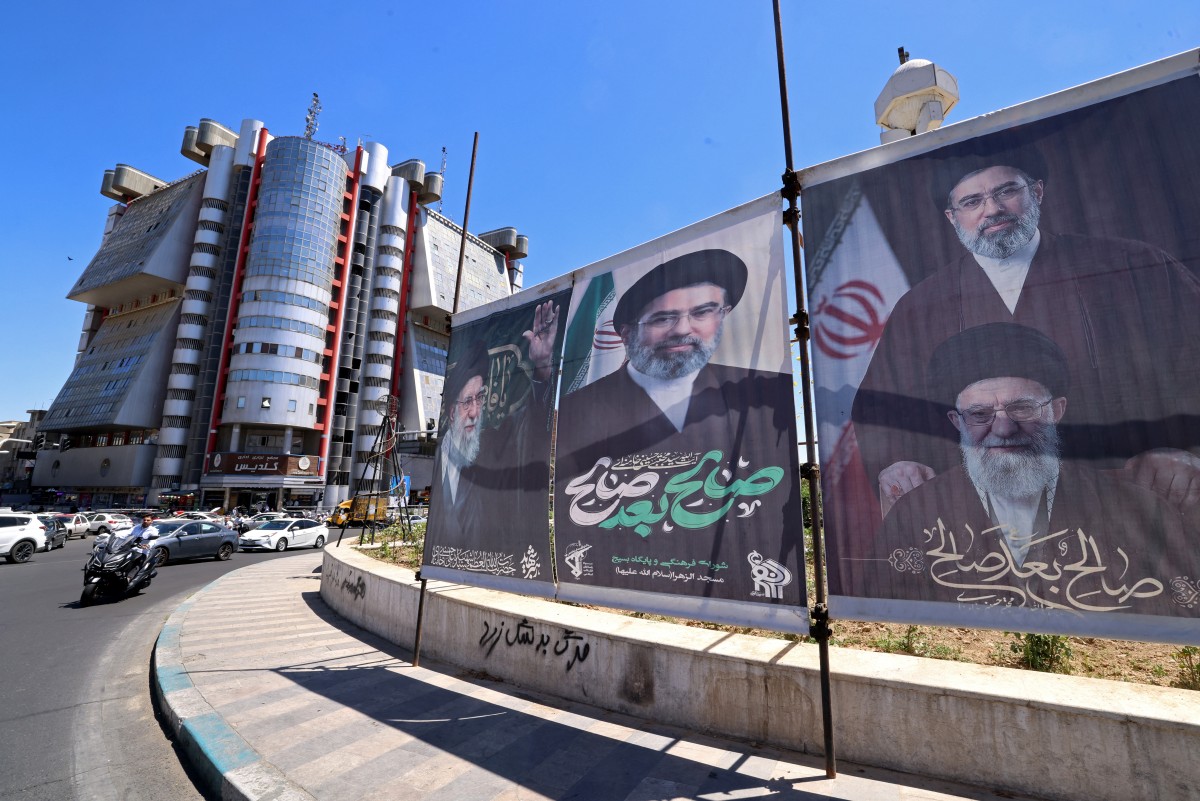
The Iranian regime model
Here emerges the example of the clerical regime in Iran, which has built part of its political discourse on the reproduction of historical conflicts, turning them into a political and military mobilization tool that extends beyond the borders of Iran itself.
Similarly, the Muslim Brotherhood has played a role in perpetuating the idea of permanent conflict with the modern nation-state, through a discourse based on polarization, division within societies, and weakening confidence in the nation-state.
These intellectual and political projects have contributed over the past decades to fueling sectarian, political, and intellectual divisions, plunging the region into a long spiral of violence and instability, the cost of which has been borne by peoples and new generations, leaving them trapped in a heavy legacy of fear, hatred, and division.
Mentalities are changing
Interestingly, the new generation in the Arab world no longer thinks in the same way that previous generations did. Today, youth live in an open world where they see models of success, innovation, and modern technology, and they seek opportunities for work, stability, and quality of life more than they care about old ideological slogans.
The importance of the “battle for awareness” emerges as the most crucial battle of the coming phase, as it will determine how the new generation thinks and perceives the world around it.
Here, strategic media stands out as one of the most important tools for building awareness and stability, having transformed from merely conveying news into a key partner in shaping minds and public narratives.
Here, the importance of the “battle for awareness” emerges as the most crucial battle of the coming phase, as it will determine how the new generation thinks and perceives the world around it.
In this context, strategic media stands out as one of the most important tools for building awareness and stability, having transformed from merely conveying news into a key partner in shaping minds and public narratives.
Strategic media does not suffice with covering crises but works on building a future narrative that enhances values of development, coexistence, national belonging, and trust in society and the state. It is also critical in its ability to counter hate speech, extremism, and misinformation, especially in the open digital space exploited by certain factions to foster division and recycle historical crises.
Development and Innovation
Creating a generation of peace does not mean giving up identity, values, or the ability to protect homelands, but rather building a confident human who believes that the strength of modern states is measured by their ability to develop, innovate, and maintain stability, not just by loud voices and hostile discourse.
Therefore, the Arab world needs genuine investment in modern education and critical thinking, building responsible media focused on the future, alongside developing moderate religious and cultural discourse and creating economic opportunities that give youth hope and protect them from falling into circles of extremism and chaos.
Experience has proven that the future of the region will not be built by reviving past conflicts but by creating new awareness that places humanity, development, and stability at the forefront of priorities. The generation of peace starts with an aware school, responsible media, and a discourse that promotes hope instead of fear.