

Maghreb doctors abroad: Between brain drain and political debate
As thousands of doctors leave the region each year, calls for compensation collide with deeper structural challenges and limited policy responses in the Maghreb.



 Messenger
 Whatsapp
 Threads
 Email
Email
 Print
Print
 X
X
 Facebook
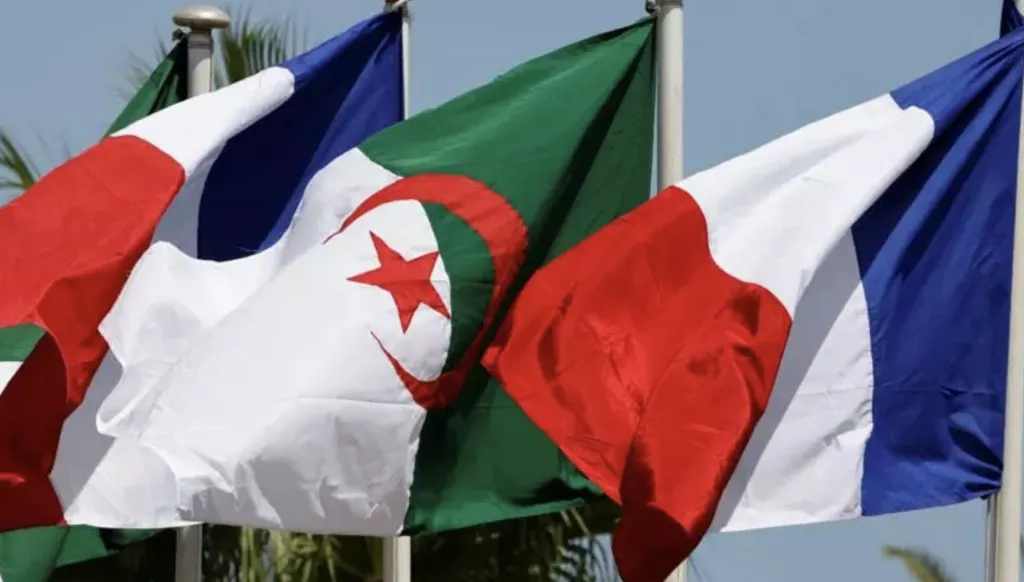


In light of the complex relations between Algeria and France, all attempts at rapprochement collide with the lingering legacy of the deep colonial wound and the unresolved issues between the two countries.
President Emmanuel Macron’s statements praising the role of Algerian doctors in French hospitals were expected to reduce tensions between Algeria and Paris, but instead they triggered renewed demands for Algeria to be compensated for its doctors moving to France.
During a visit a few weeks ago to a French hospital, the French president highlighted the contribution of Algerian doctors in filling the staffing gaps that French hospitals are facing in terms of medical personnel.
On that occasion, he also directed criticism at what he called “those who are crazy enough to want to pick a fight with Algeria,” calling for a relationship based on “dialogue” and “respect” with others, in reference to Algeria.
His remarks expressed a desire to improve relations with the Algerian state and perhaps to reach a form of comprehensive normalization with it before he leaves office next year.
The Sahara: an obstacle?
The pace of exchange visits between officials of the two countries accelerated following Macron’s statements, even though the differing positions on the Western Sahara issue could constitute a major obstacle to any lasting improvement in relations.
The proportion of doctors originating from Maghreb countries in French public hospitals reflects the complex and ambiguous relationship between France and these countries. Algerians account for 38.8 percent of foreign doctors, followed by Tunisians at 15.1 percent, and Moroccans at 7.4 percent.
Macron’s remarks did not escape controversy. On the French side, his comments angered far-right figures, who accused him of ignoring what they consider the real problems facing Paris in its relations with Algeria, including the issue of deporting Algerian migrants who are unwanted in France, as well as the legacy of colonialism, whose shadow continues to hang over bilateral relations.
On the other hand, some voices in Algeria have called for France to compensate their country for the costs it incurred in training these doctors.
The same issue was previously raised in Tunisia, where calls emerged to negotiate with countries hosting Tunisian professionals in order to reach agreements that would provide compensation to Tunisia or impose fees on the migrants themselves.
The Maghreb Countries Are Right
It is certain that the Maghreb countries are justified in feeling concerned about the departure of thousands of their doctors abroad each year, after having invested heavily in their training.
However, it is highly unlikely that calls for direct financial compensation will receive a positive response, especially in host countries. In France in particular, compensation could become a new source of controversy if it were to be formally put on the agenda.
Moreover, Maghreb countries, including Algeria, would find it very difficult to restrict the emigration of their doctors, as this phenomenon falls within the framework of the freedom of movement of skilled professionals, especially when they cannot find adequate opportunities in their home countries. In any case, they cannot deny the attraction of France due to cultural and family ties.
In reality, Maghreb countries bear the greater share of responsibility for the emigration of their doctors, engineers, and other skilled professionals. They should have long ago paid attention to the difficult professional and financial conditions and the social pressures that have made their countries unattractive to talent; they should also have worked to create an environment capable of retaining them. But they did not do so. The opportunity remains open to them if they choose to act, so that the departure of doctors does not disrupt their healthcare systems.
They can also take advantage of their traditional relations with European countries, especially France, to explore possibilities for indirect “compensation,” including developing cooperation in medical education and training in ways that strengthen Maghreb healthcare systems. They can also defend the rights of their doctors and protect them from exploitation and discrimination in host countries.
Until the conditions that push Algerian and other Maghreb doctors to emigrate change, attempts at political framing or protests about the “colonial plundering” of human resources will be of no use.
As long as those conditions remain unchanged, the Maghreb region will continue to lose its talent, and its doctors will keep packing their bags for abroad.
Disclaimer: The opinions expressed by the writers are their own and do not necessarily represent the views of Annahar.