

Trump-Netanyahu clash over Beirut strike exposes limits of Israel’s military freedom
A heated phone call that halted a planned Israeli attack on Beirut’s Southern Suburb has sparked debate over U.S. influence on Israeli decision-making, the future of the Lebanon front, and the growing tensions between Washington’s regional priorities and Tel Aviv’s security calculations.



 Messenger
 Whatsapp
 Threads
 Email
Email
 Print
Print
 X
X
 Facebook
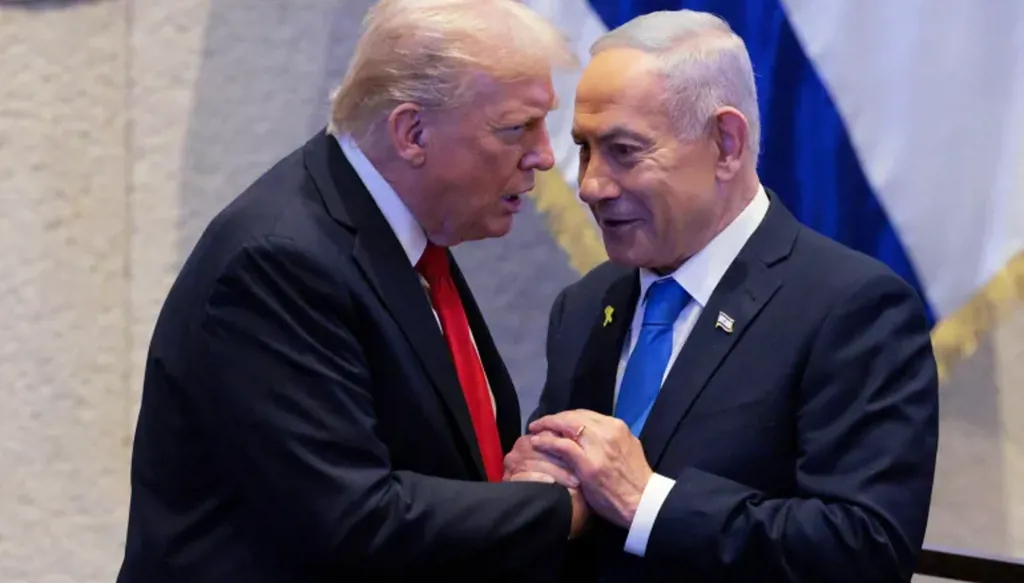
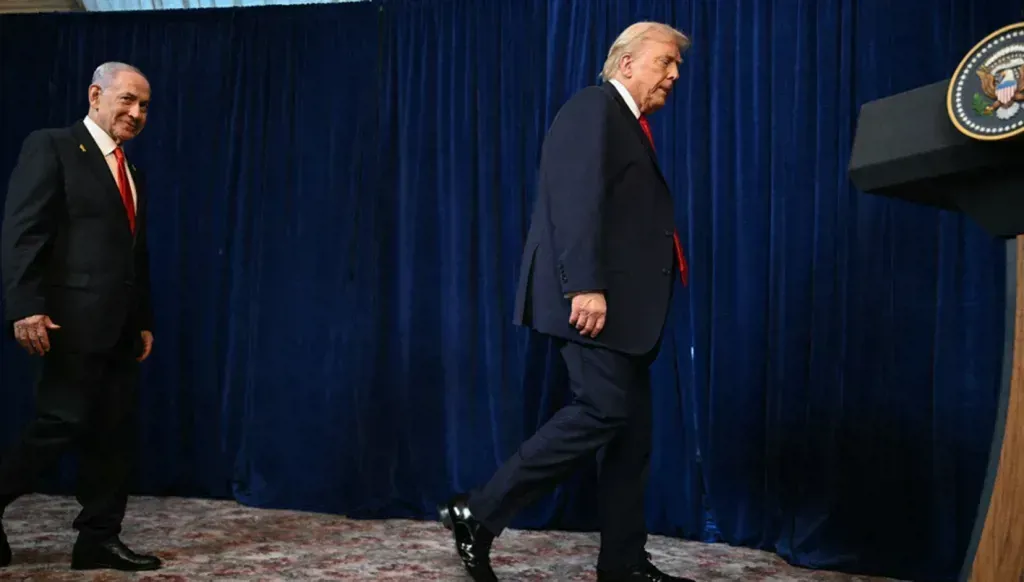


The phone call between U.S. President Donald Trump and Israeli Prime Minister Benjamin Netanyahu marked a pivotal moment that extended beyond the crisis surrounding Beirut's Southern Suburb. The call, described by a U.S. official as "one of the worst calls between the two men since Trump's return to the White House," resulted in the cancellation of an attack Israel had been planning against the suburb.
It also triggered a broader debate within Israel about the limits of military decision-making, the future of the Lebanese front, and the implications of any escalation on the ongoing negotiations between Washington and Tehran.
A U.S. official told Axios that "Trump informed Netanyahu that implementing his threats to bomb the Lebanese capital would further isolate Israel internationally."
Two sources said that Trump told Netanyahu, "I helped keep you out of jail," referring to his support during Netanyahu's corruption trial.
According to the U.S. official, Trump told Netanyahu: "You are completely crazy. Without me, you'd be in prison. I save you. Everyone hates you now. Everyone hates Israel because of this."
A second source familiar with the call said Trump was "angry" and at one point shouted at Netanyahu, asking: "What the hell are you doing?" in reference to Israeli military actions in Lebanon.
The fallout from the call quickly became the focus of political and media debate within Israel, with opposition figures and several commentators viewing the incident as a sign of deeper shifts that went beyond the cancellation or postponement of a military strike.
Between War Calculations and Washington's Constraints
The developments came after Israel sought American approval to expand its operations in Lebanon, including launching airstrikes on Beirut's southern suburbs rather than limiting its actions to assassinations and targeted attacks.
According to Israel's Channel 12, Netanyahu discussed these plans with the U.S. administration, held talks with U.S. Secretary of State Marco Rubio, and attempted to convince senior American officials and Trump that "Israel cannot grant Hezbollah immunity in Beirut."
However, discussions within Israel reflected a growing recognition that the country's military freedom of action remains tied to the American position. Netanyahu reportedly acknowledged during closed consultations that Israel "might not be able to act as it wishes due to the restrictions and limitations imposed by Washington."
Military analyst Amos Harel of Haaretz described the Israeli threats as an attempt to pressure Hezbollah following a series of drone attacks, and possibly as an effort to link the Lebanese arena to the anticipated understandings between the United States and Iran.
"Protected State" or Leadership Crisis?
Trump's intervention sparked widespread reactions across Israel, with opposition figures arguing that the incident reflected "a decline in the government's ability to make independent decisions."
Opposition leader Yair Lapid described Israel as a "completely protected state," referring to the extent of American influence over Israeli decision-making.
Former Prime Minister Naftali Bennett claimed the government had "lost control" over Israeli sovereignty, while former Israeli Chief of Staff Gadi Eisenkot said Netanyahu had "harmed Israel's national interests" by yielding to American pressure.
The criticism was not limited to the opposition. National Security Minister Itamar Ben-Gvir urged Netanyahu to reject the American position and proceed with strikes against Hezbollah, while Likud Knesset member Dan Illouz criticized the decision to back away from the planned attack.
Writing in Israel Today, Shirit Avitan Cohen questioned Israel's ability to say "no" to the White House when interests diverge.
Repercussions Beyond the Suburb
In Maariv, Ben Caspit argued that the episode exposed Netanyahu's limitations in imposing his security choices when they clash with Washington's priorities. He said the crisis revealed "the extent of political and security dependence" on American decision-making.
Mati Tuchfeld suggested that Trump's intervention could become a "political burden" for Netanyahu, who had been counting on achieving security successes in Lebanon and Iran ahead of any electoral contest.
In his view, preventing escalation on the northern front without securing the image of "victory" sought by the government could negatively affect its standing among voters.
Israeli media also highlighted a series of previous instances in which Trump directly intervened in Israeli political and security matters, whether related to the war in Gaza, the confrontation with Iran, or issues involving Netanyahu personally.
The Southern Suburb crisis ultimately went beyond a military strike that never took place. The debate sparked by the "worst call" raised broader questions about the future of the Lebanese front, the relationship between Trump and Netanyahu, and the limits of Israeli decision-making independence when Tel Aviv's calculations conflict with Washington's regional priorities. Among those questions, it appears that the consequences of the call may outlast the crisis that triggered them.