

Cancer in Syria: When survival depends on more than medicine
Families sell belongings, travel hundreds of kilometers, and wait weeks for treatment as the country's healthcare system buckles under pressure.



 Messenger
 Whatsapp
 Threads
 Email
Email
 Print
Print
 X
X
 Facebook
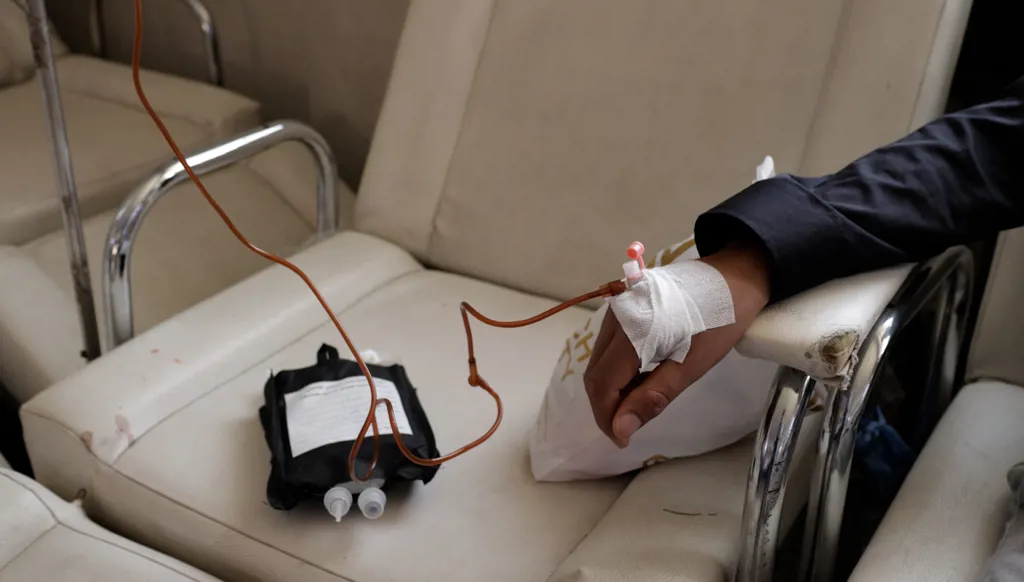
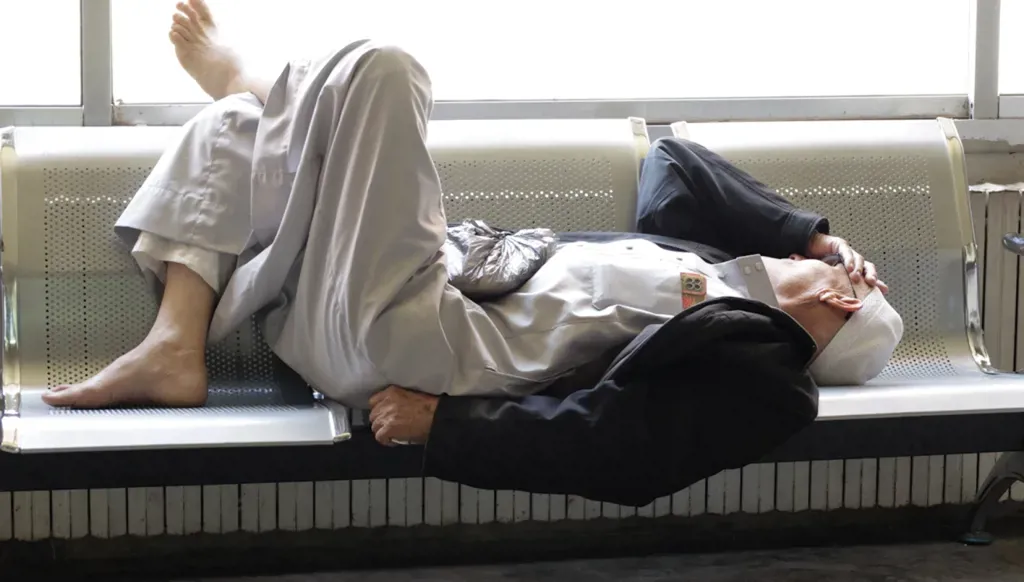
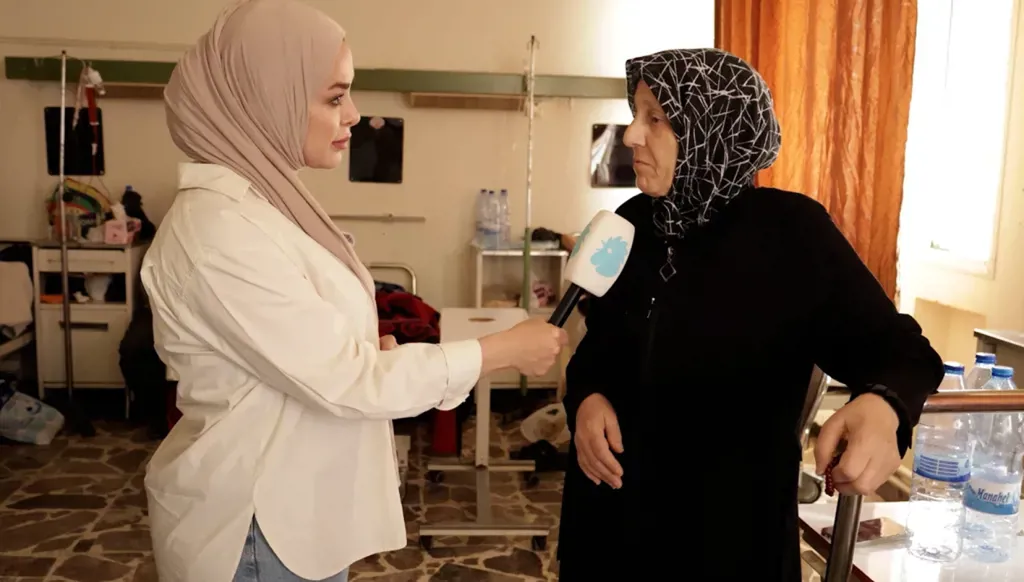


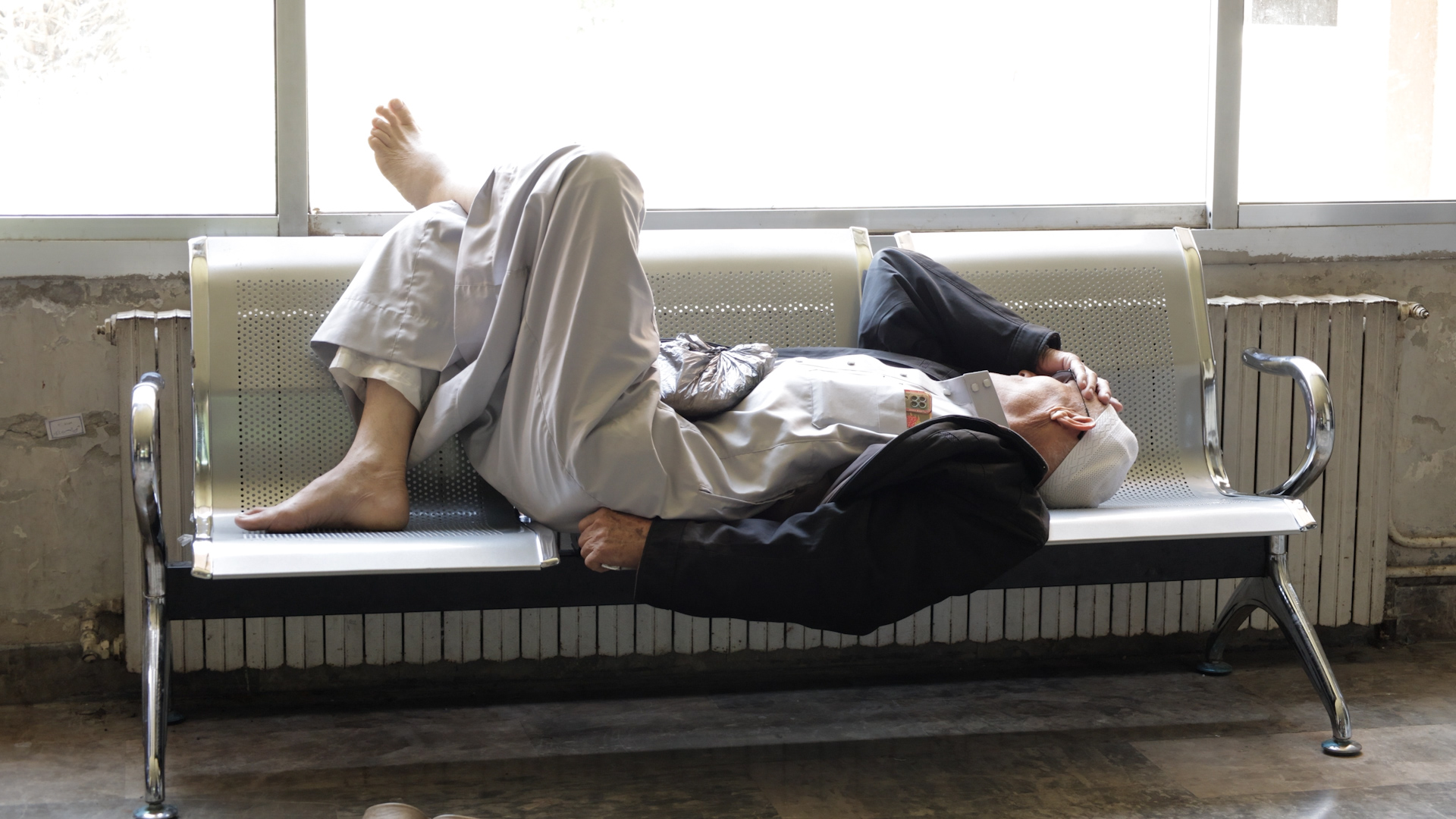
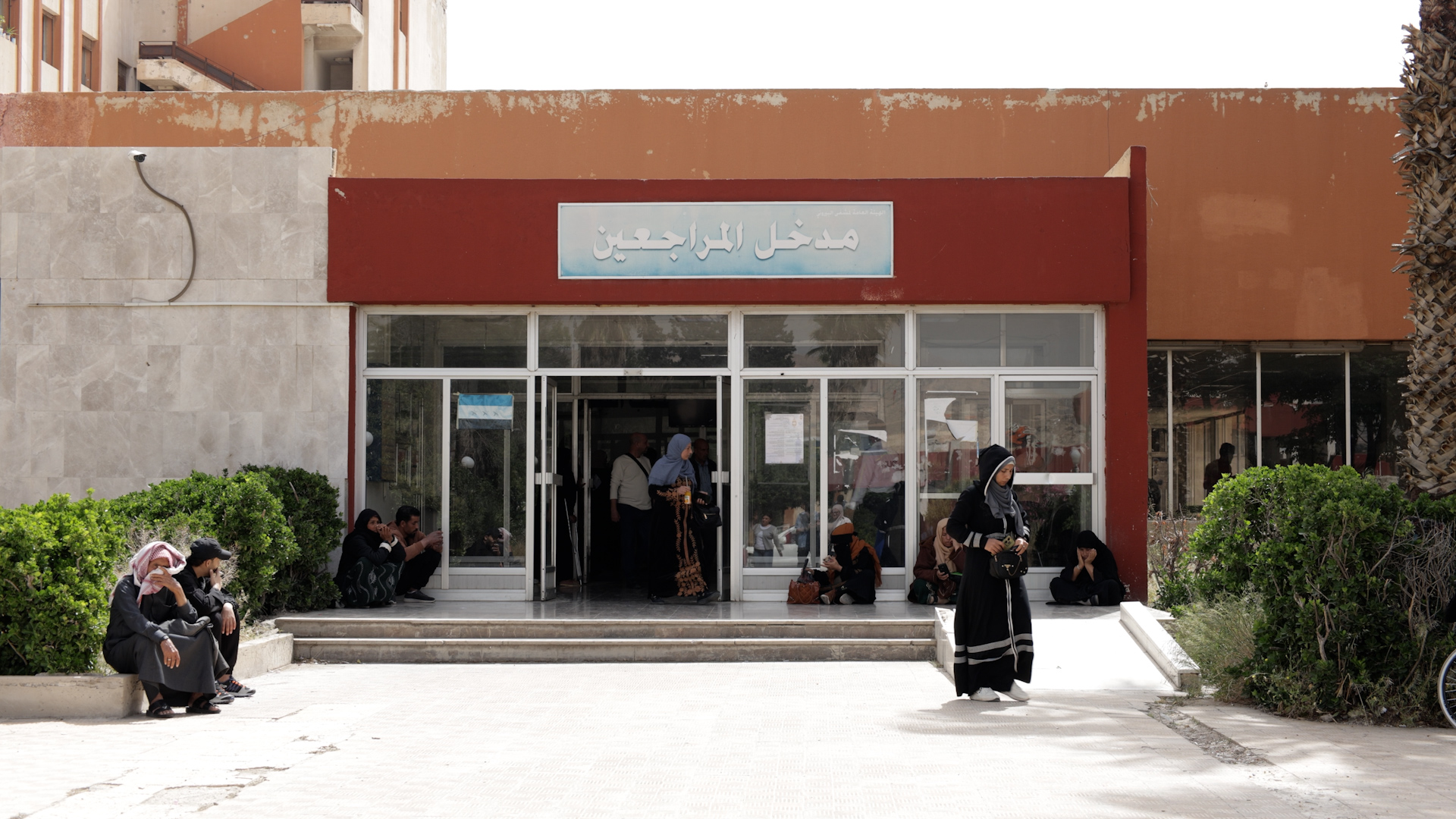
In the corridors of Syrian public hospitals, cancer patients are not only waiting for their turn to receive treatment — they are also waiting for a chance to survive.
Amid severe medicine shortages, malfunctioning equipment, and soaring treatment costs, the journey of illness has become a daily battle against poverty and the collapse of healthcare services, leaving thousands of families burdened with expenses beyond their means.
This investigation sheds light on one of the most painful humanitarian crises in Syria today: the plight of cancer patients, whose treatment journey has become a relentless race against time, medicine shortages, and lengthy waiting lists.
In this reality, receiving a treatment dose has become an expensive dream, and any delay may amount to a postponed death sentence.
In the overcrowded corridors of public hospitals, the same stories repeat themselves: families selling their belongings to secure treatment, patients interrupting their therapy because they cannot afford it, and others waiting weeks for a radiotherapy session while their disease silently progresses.
Al-Bayrouni Hospital: Pressure Beyond Capacity
Although treatment in public hospitals is officially described as "free," reality reveals a significant gap between what patients need and what hospitals can provide.
Targeted therapies and modern immunotherapy treatments are almost entirely unavailable in most government centers due to their high costs and the difficulties associated with importing them. As a result, many patients are forced to turn to the black market or postpone treatment altogether.
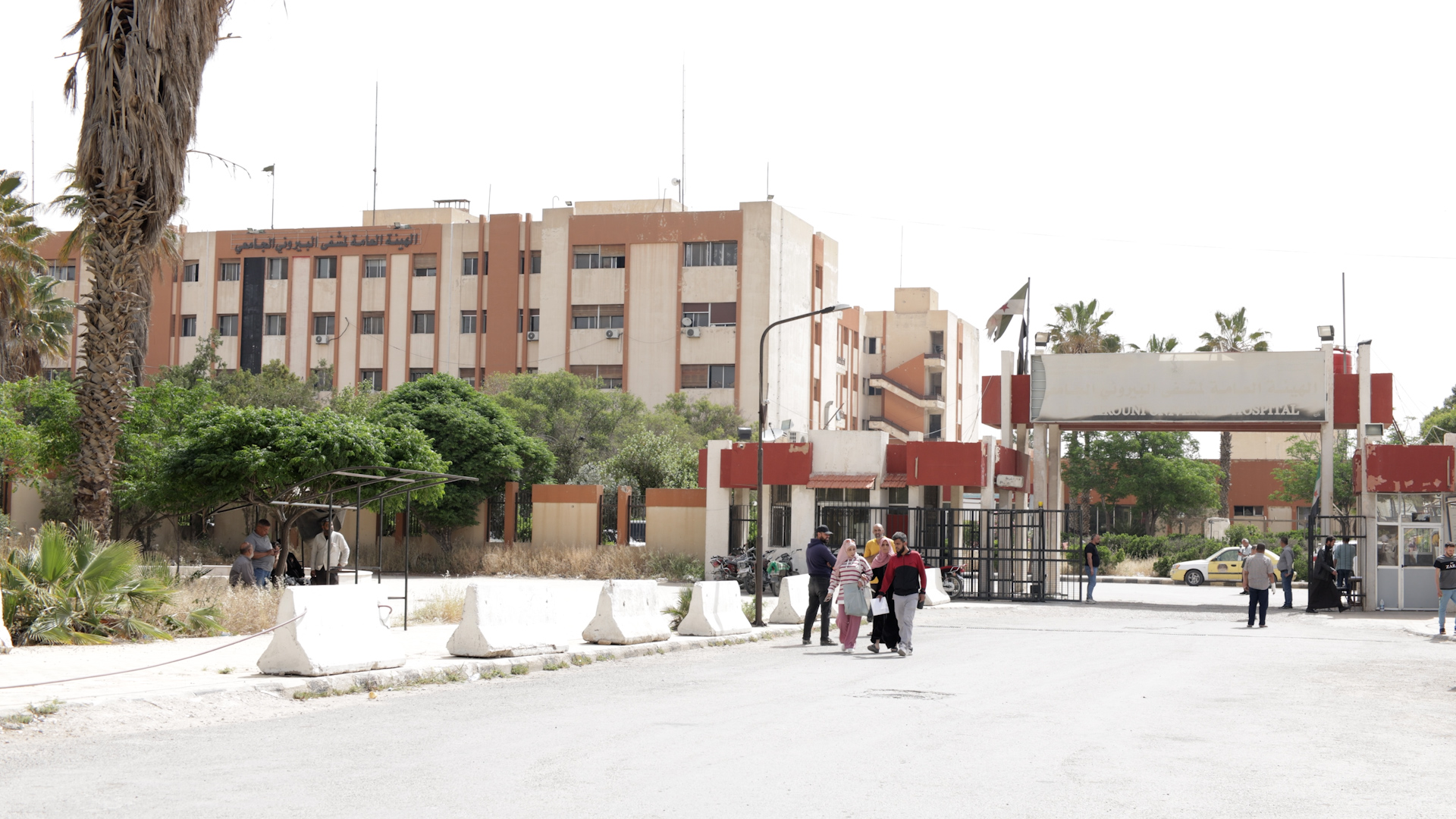
Inside Al-Bayrouni University Hospital, patient stories arrive from every corner of Syria. Their voices tell long tales of exhaustion, fear, and the search for a cure.
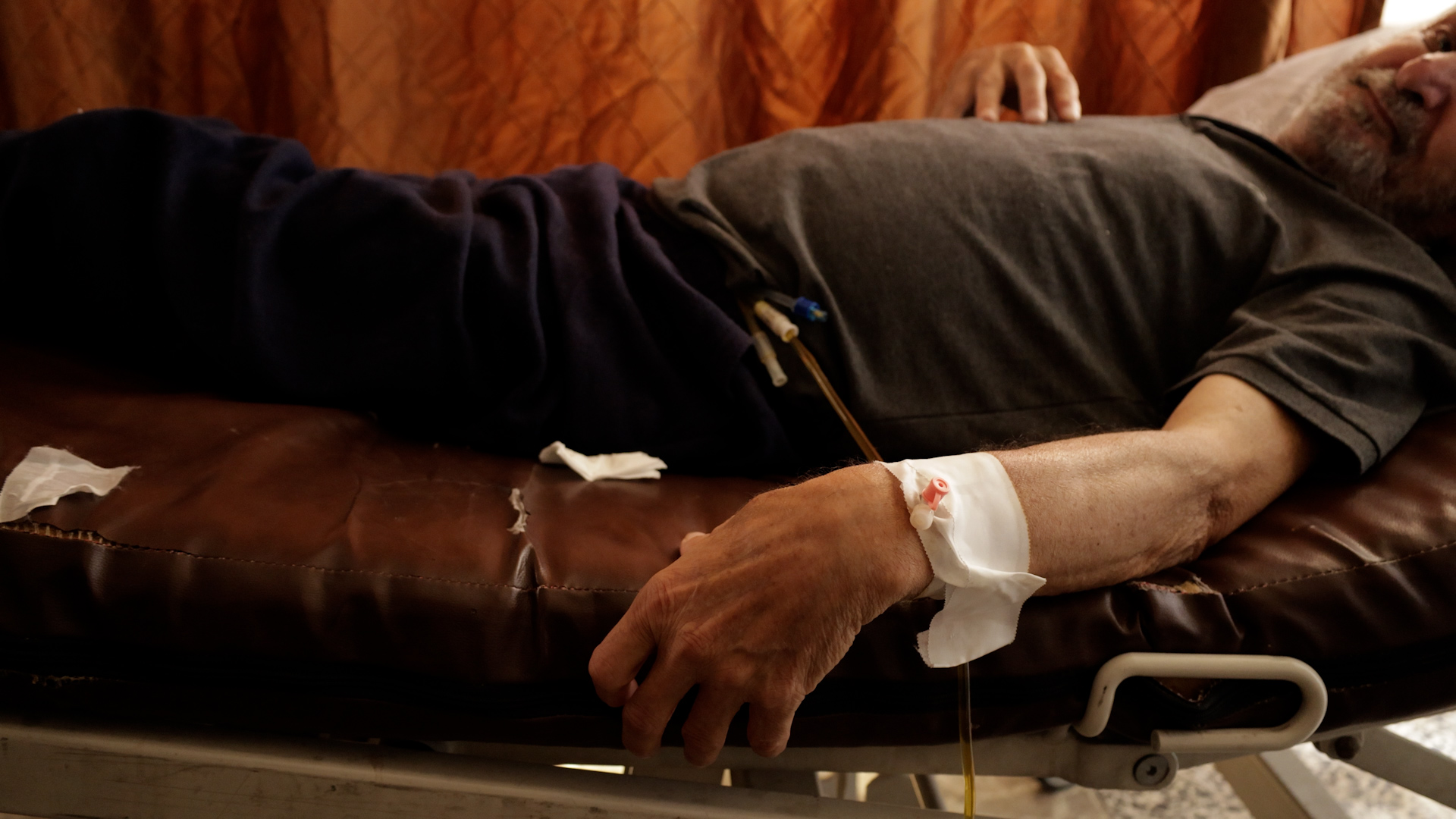
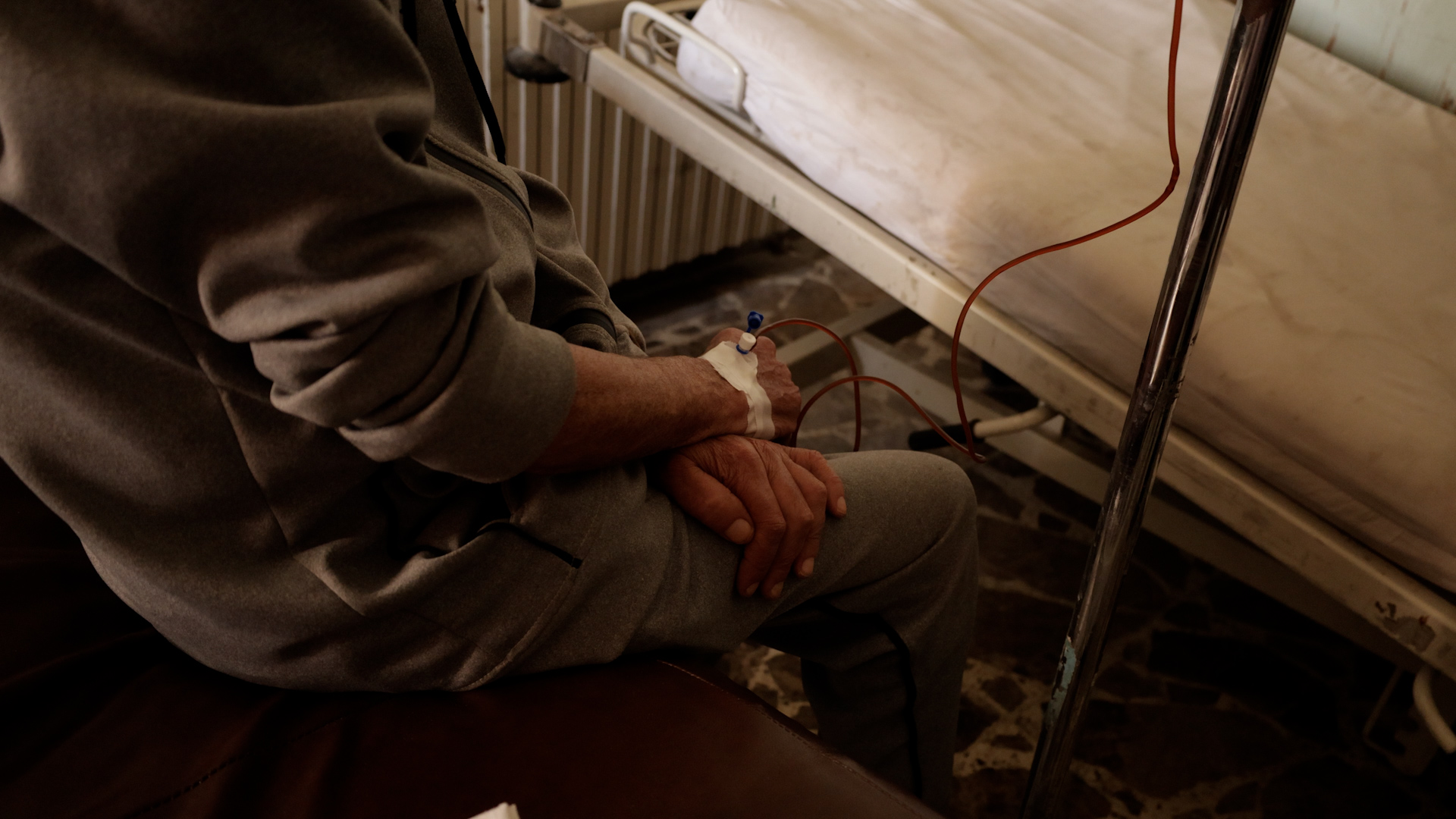
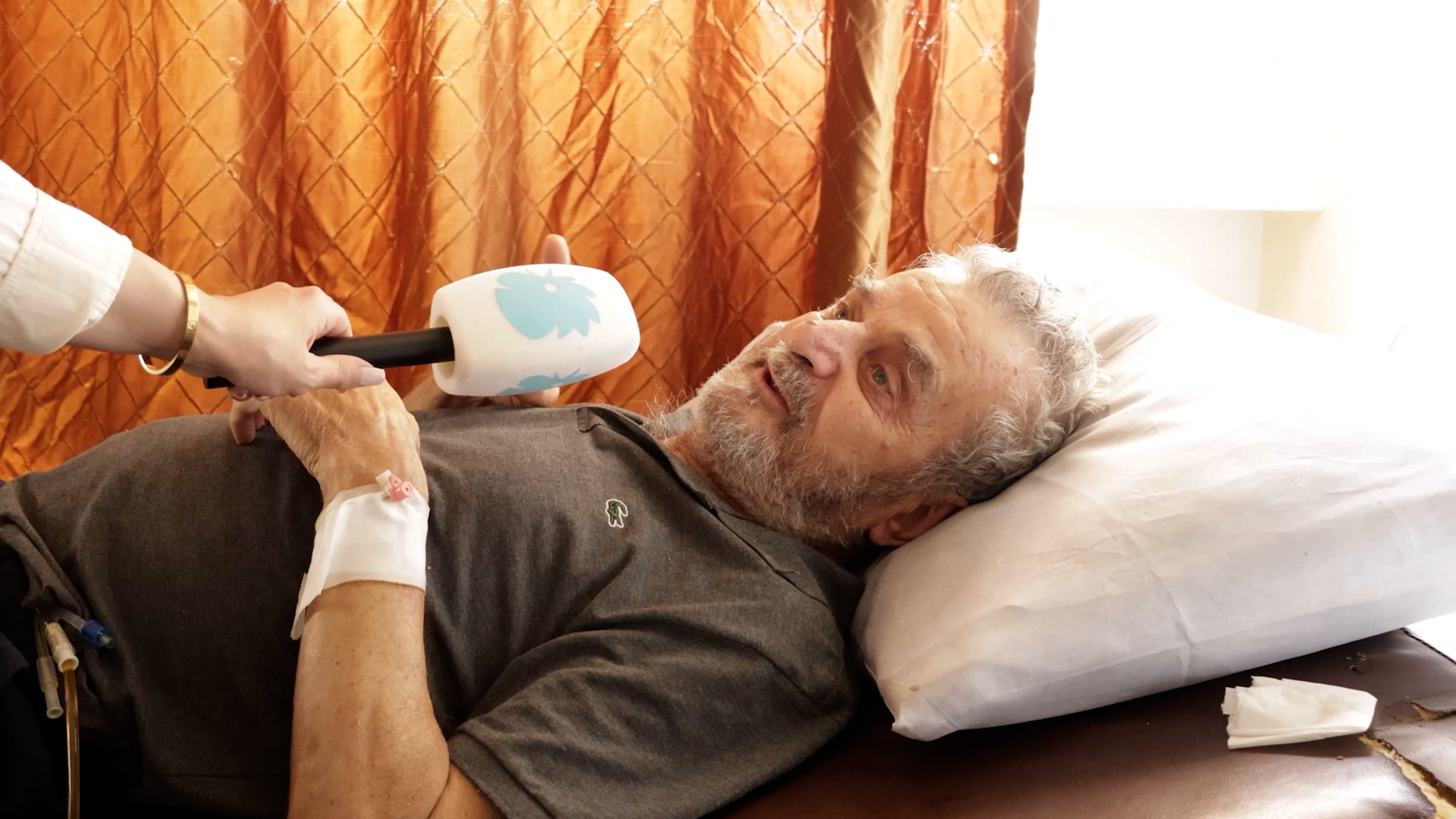
One patient, a 76-year-old man from Aleppo, sat on his hospital bed with IV tubes hanging from his arms, fighting back tears as he recounted his journey with cancer to Annahar. "My treatment began in Aleppo, but I lost faith in the healthcare system after a long series of surgeries and complications," he said.
"They told me I had a mass that needed cauterization and that the operation would cost eight million Syrian pounds. I agreed and underwent the procedure, but the bleeding never stopped. Every day I returned to the doctor, and he would simply tell me to drink water." He continued: "I went back and told them the bleeding was still ongoing, and they said I needed another operation. Kind-hearted people collected the money because I had nothing."
The patient later sought treatment at Ibn Rushd Hospital in Aleppo before doctors advised him to travel to Damascus for chemotherapy. "They told me to go to Damascus for chemotherapy," he said. "I didn't have the money for treatment or even for the journey, but I had no other choice. My condition has improved after the operation, but in a few days I will need to return for more doses." The elderly man added: "I'm 76 years old, and I'm ready to go anywhere, even China or India, if it means I can get treated."
"We Haven't Even Changed Our Clothes"...
Al-Bayrouni Hospital has become the primary destination for most cancer patients in Syria, creating both human and technical pressures that far exceed its capacity.
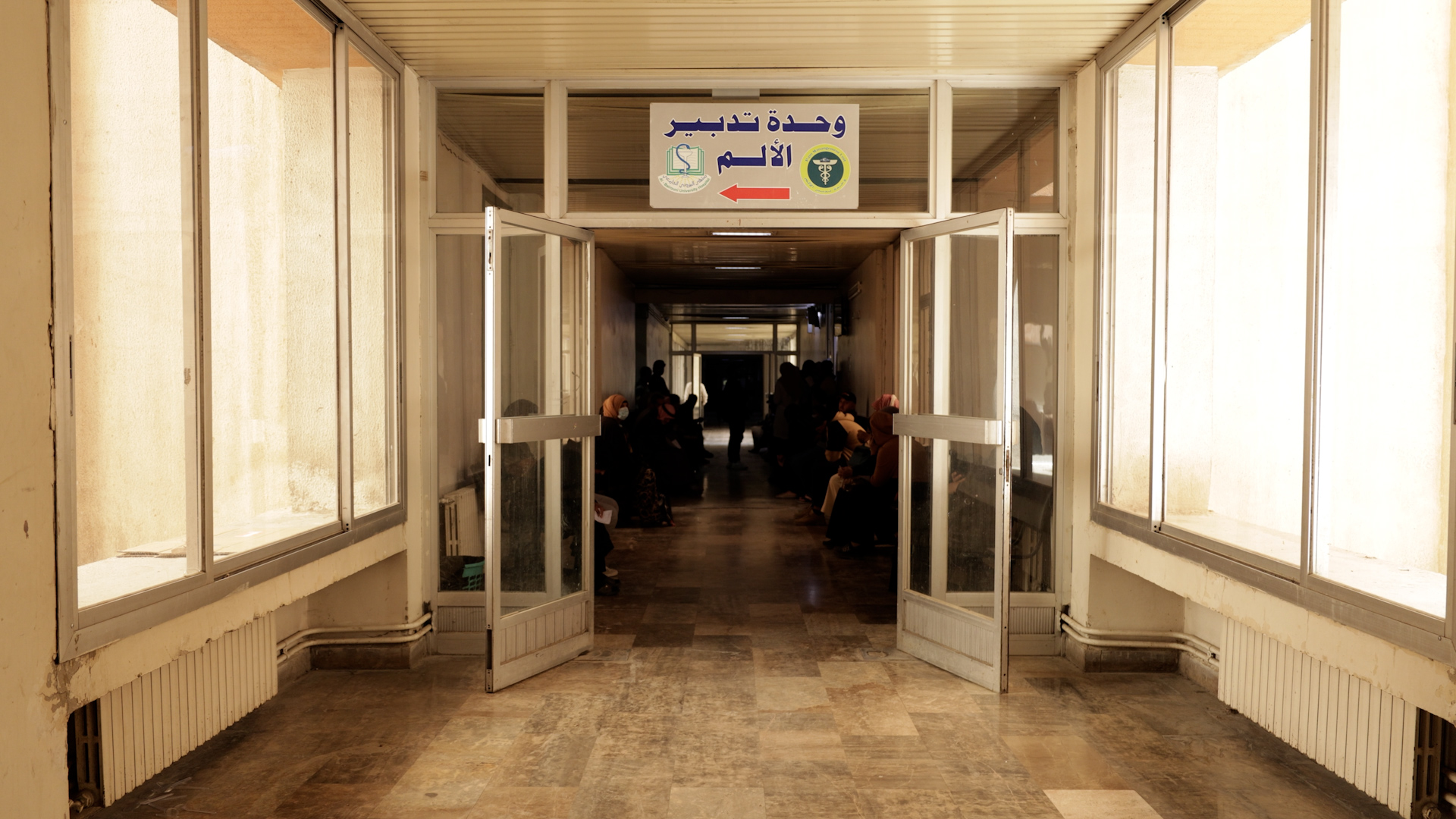
Patients travel from distant provinces such as Deir ez-Zor, Hassakeh, Aleppo, and Hama, often arriving during the night to secure a place in line before dawn. Inside the hospital, queues stretch for hours through crowded halls.
Radiotherapy machines operate under constant strain, leading to repeated breakdowns and lengthy maintenance periods that delay treatment sessions for weeks.
The crisis extends beyond medicine shortages to include basic medical supplies. Many patients are required to purchase IV fluids, catheters, cotton, and disinfectants from outside the hospital due to acute shortages.
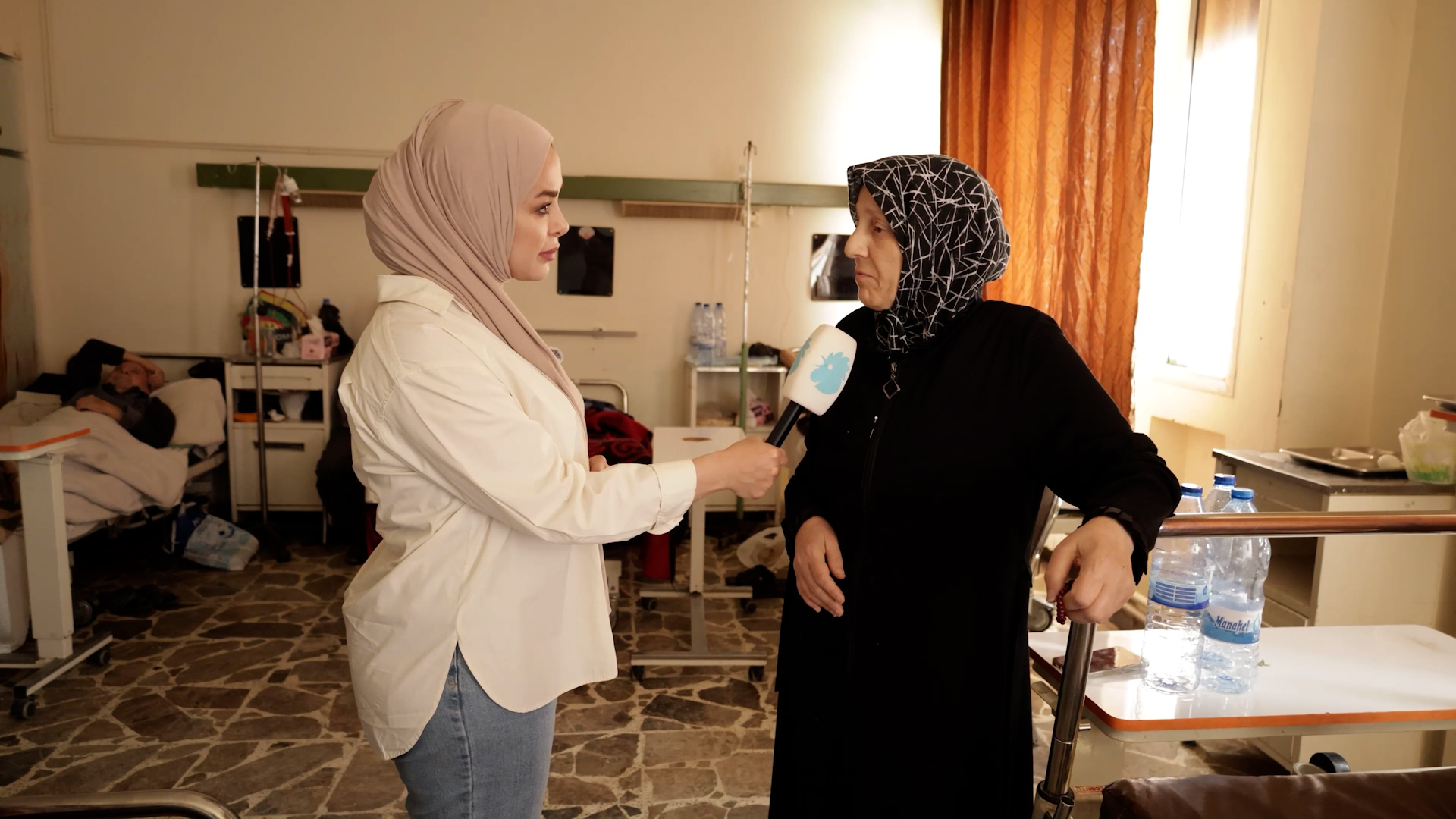
The wife of the 76-year-old patient described the harsh conditions surrounding their treatment journey in Damascus. "We were forced to come here for chemotherapy, but there is no one to help us," she said. "Since we arrived, we haven't bathed or even changed our clothes, and the patient is extremely exhausted."
She explained that while treatment is theoretically free, many medications are unavailable inside the hospital, forcing patients to purchase them elsewhere. "So far, we have spent around $600 on medicines," she said. "We bought them with great difficulty from the black market, and Damascus is far more expensive than Aleppo."
She concluded: "We are poor and have nothing. The travel and expenses have suffocated us."
Cancer: An Economic Catastrophe
In Syria, cancer does not only threaten patients' lives, it also jeopardizes their families' ability to survive.
Despite some recent improvements in living conditions, treatment costs remain far beyond the reach of most Syrian households, especially as drug prices, diagnostic tests, and transportation expenses continue to rise.
With medicines unavailable in many hospitals, patients are often forced to rely on private pharmacies and the black market, where smuggled drugs are sold at exorbitant prices in US dollars.
The cost of a single chemotherapy dose ranges from $100 to $1,500, depending on the type of cancer and treatment required.Some targeted therapies cost thousands of dollars each month.Patients also face the risk of counterfeit or improperly stored medications due to smuggling and poor storage conditions.
A pharmacist working in Damascus, who requested anonymity, told Annahar: "Some patients buy any drug they can find because they are afraid of missing a dose, even when they are unsure of its source."
Doubling Mental and Social Burden
The suffering of cancer patients extends far beyond physical pain. It is compounded by immense psychological pressure, often in the near-total absence of specialized mental health support.
Many patients live in constant fear — not only of death, but of medicine shortages and treatment delays. This persistent anxiety can evolve into severe depression or social isolation.
Dr. Fatima Al-Joujou, an oncologist and head of the Statistics and National Cancer Registry Department at Al-Bayrouni University Hospital, told Annahar: "Psychological stress and chronic sadness may weaken a person's immune system in general, although there is no conclusive research directly linking sadness to cancer."
She added: "A stressed and pressured individual is more vulnerable to illness in general, including cancer."
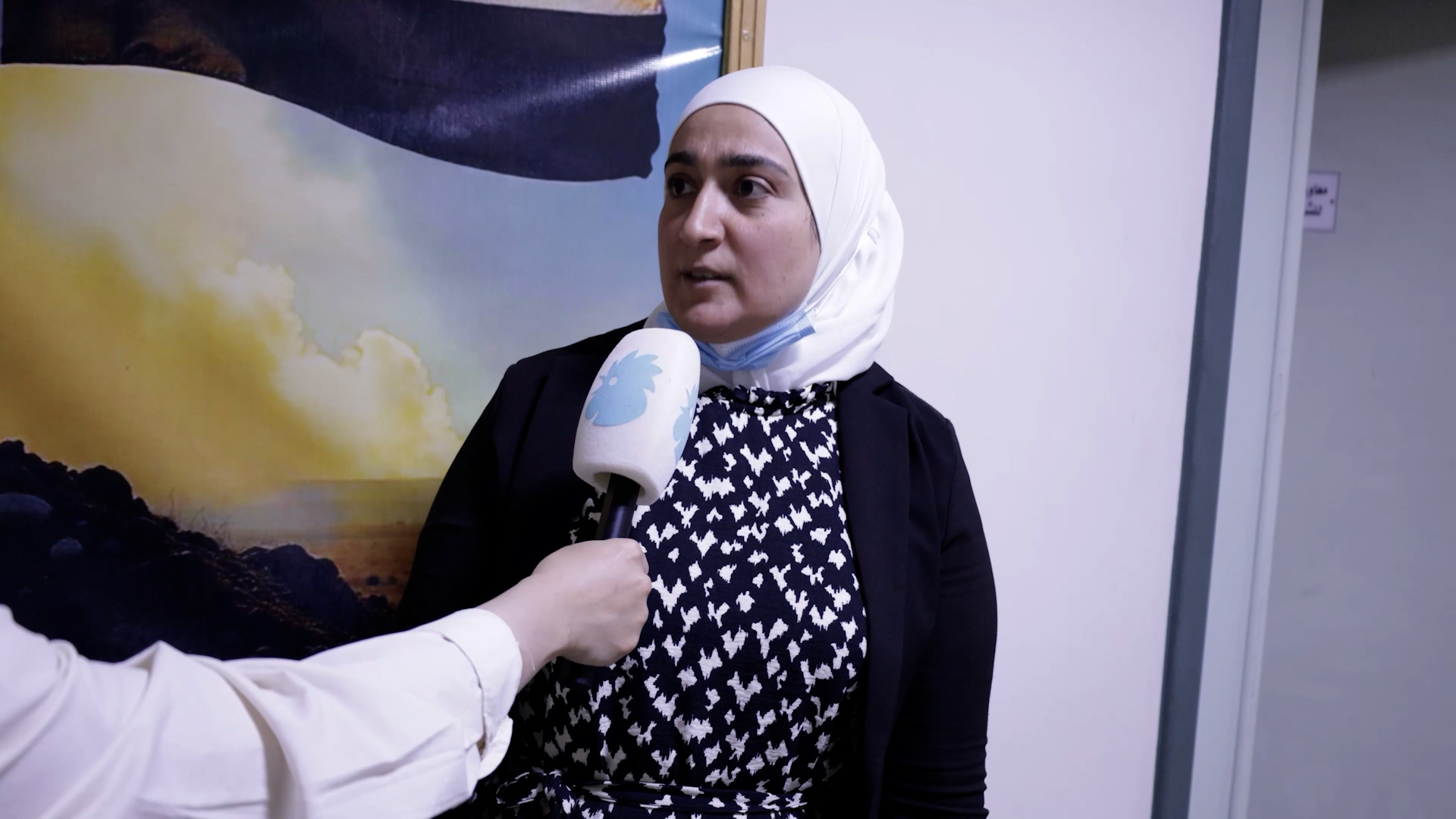
According to Al-Joujou, cancer is caused by multiple factors, including genetics, environmental conditions, diet, radiation exposure, smoking, and secondhand smoke.
She also pointed to increasing rates of breast, colon, digestive tract, and lung cancers in recent years, trends that mirror global patterns.
"Hookah smoking and tobacco use clearly contribute to lung cancer," she said, "while digestive tract and breast cancers are rising worldwide."
A Health System Drained for Years
The crisis facing cancer patients cannot be separated from the broader collapse of Syria's healthcare sector.
Years of conflict, the migration of medical professionals, economic sanctions, and rising import costs have transformed treatment from a basic right into a privilege available only to those who can afford it.
Dr. Al-Joujou explained that the number of patients opening new files at the beginning of each week can reach as many as 800, while the minimum ranges between 300 and 500 new cases weekly. Daily patient visits can exceed 1,000.
"Al-Bayrouni receives the largest number of cancer patients in Syria because it includes oncology, hematology, and multiple treatment departments," she said. "That is why patients come from all provinces."
She also revealed that the hospital recorded nearly 14,000 newly diagnosed cancer cases annually between 2020 and 2022.
Healthcare workers confirm that most government medical centers suffer from severe shortages of specialized personnel, particularly oncologists, radiation physicists, and technicians capable of operating and maintaining advanced medical equipment.
For many patients from distant provinces, the ordeal begins long before they arrive at the hospital. It begins the moment they decide to travel to Damascus or Aleppo.
People from Hassakeh, Deir ez-Zor, and Raqqa often travel hundreds of kilometers to reach treatment centers, frequently spending nights near hospitals or renting small rooms at costs they cannot afford.
A 50-year-old woman from eastern Syria, accompanying her husband for treatment, said: "The cost of transportation has become a burden. Sometimes we spend more on travel than on food for the entire week."
Without dedicated accommodation facilities or effective social support systems, some families are forced to sleep in public parks or inside their vehicles while waiting for appointments.
Charitable Associations... Limited Role Amid a Massive Crisis
In recent years, several charitable organizations and community initiatives have attempted to fill part of the gap left by declining healthcare services.
Yet despite their importance, these efforts remain insufficient in the face of growing needs.
Dr. Al-Joujou noted: "Despite all the discussion about support, the actual contribution of some associations does not exceed 10 percent because treatment costs are extremely high and some medicines are simply unavailable."
A volunteer working with an initiative supporting cancer patients told Annahar:
"Sometimes we receive dozens of requests for assistance every day, but we can only help a very limited number."
Managing Scarcity and Overwhelming Demand
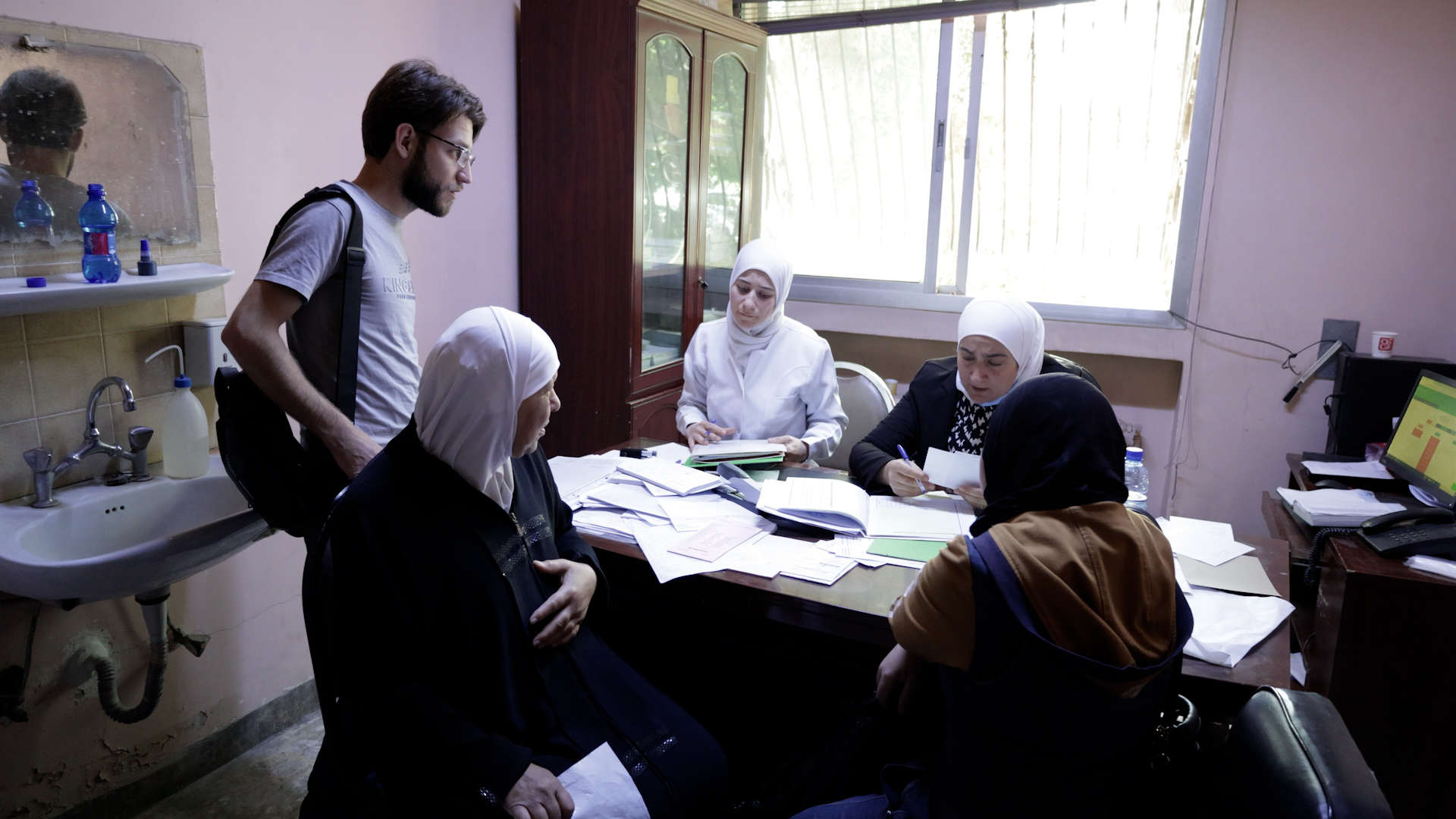
Engineer Qabas Abu Dahloosh, Director of Administrative Development at Al-Bairouni Hospital, told Annahar that the hospital administration has faced major challenges for years.
According to her, the hospital inherited aging infrastructure and outdated equipment, while also suffering from a severe shortage of experienced medical and administrative staff due to historically low public-sector salaries before economic liberalization.
She added that elevator breakdowns and poor cleaning and sterilization services are linked to contracts that were terminated following recommendations from higher authorities and are currently under review.
"We are now in the process of re-contracting under a new mechanism that will ensure a noticeable improvement in services," she said.
The administration stressed that all services provided at Al-Bayrouni Hospital are completely free, including chemotherapy, radiotherapy, laboratory services, and pathology services.
When a medication is unavailable, patients may transfer their files to another government hospital or medical center where the treatment is available.
Patients can also seek assistance from charitable organizations after obtaining an officially stamped document from the hospital pharmacy confirming the medication's unavailability.
Hospital management further emphasized that all services are free of charge and urged patients to submit official complaints if they encounter any form of extortion or bribery.
Between Illness and Poverty: Which Kills First?
Many of the stories documented in this investigation raise a painful question: is the disease itself the greatest threat, or the poverty that accompanies it?
Families are not only paying for medicine. They also shoulder transportation costs, medical tests, imaging scans, accommodation, and specialized nutrition.
A patient from Homs told Annahar that he underwent prostate and bladder removal surgery at Al-Assad University Hospital, but part of the disease remained in his bones, forcing him to continue treatment at Al-Bayrouni.
"Every week I pay for the tests required before receiving my dose, in addition to transportation from Homs to Damascus," he said. "The minimum weekly cost can reach 800,000 Syrian pounds (8,000 in the new Syrian currency, approximately $58), including transportation and medication expenses."
Saleh Al-Ali, who traveled from Deir ez-Zor to seek treatment for his son, spoke about the increasing number of cancer cases in his region.
"We now see large numbers of children, women, and men with cancer in Deir ez-Zor," he said.
He added that some of his son's treatment doses cost as much as $600 each and noted that two required medications are completely unavailable at Al-Bayrouni Hospital.
Al-Ali called for the establishment of a specialized cancer center in Deir ez-Zor to ease the suffering of patients and their families.
An Ongoing Crisis Without Clear Solutions
For now, no comprehensive solution appears within reach.
Despite government initiatives and scattered charitable efforts, the gap between healthcare needs and available resources continues to widen.
Experts warn that ongoing medicine shortages and treatment delays are likely to increase cancer-related mortality in the coming years, particularly as poverty deepens and access to appropriate healthcare becomes more difficult.
In a country enduring one of the region's most severe economic and humanitarian crises, cancer patients remain among the most vulnerable groups, trapped between endless waiting lists and unaffordable treatment costs.
Amid overcrowded hospital corridors and lengthy queues, one question remains unanswered: How many patients can endure before delayed treatment becomes a final death sentence?