

Abu Dhabi freezes rents across residential and commercial properties
Zero rent increases for renewals and new leases on previously rented units as Abu Dhabi responds to rising housing costs in 2026 real estate market shift.



 Messenger
 Whatsapp
 Threads
 Email
Email
 Print
Print
 X
X
 Facebook
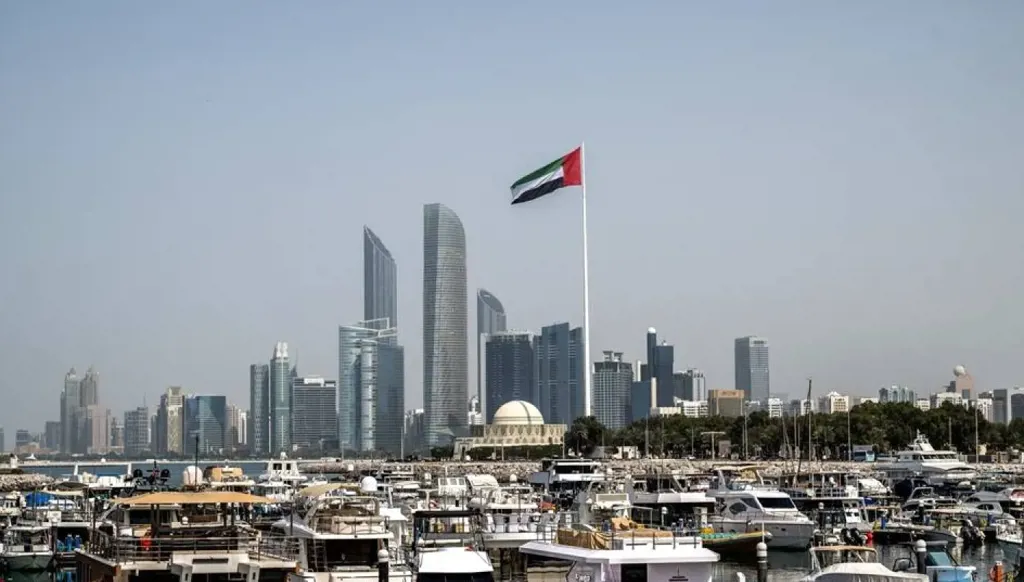


The Abu Dhabi Real Estate Center (ADREC) announced via its official account on platform X the implementation of a “temporary measure” in Abu Dhabi aimed at keeping rents unchanged for the duration of the decision.
The post stated that all residential, commercial, and industrial lease contracts, upon renewal, will be processed with a 0% increase during the period of the measure.
The center clarified that the measure applies not only to renewed contracts but also to new contracts for units that were previously rented. It noted that any new lease contract for a previously rented unit will be offered at the same rental value recorded in the unit’s previous contract. In this way, the decision establishes the previous rental value as the reference point, whether for an existing tenant or a new tenant replacing them.
The announcement did not specify a clear timeframe for the rent freeze, describing it only as a “temporary measure” currently in effect across the emirate. It also did not reference the legal basis of the decision or the authority that ratified it, leaving details related to the legislative framework, implementation mechanisms, and monitoring procedures to be clarified by the competent authorities.
What Changed from Previous Rules?
Before this measure, Abu Dhabi’s existing regulations allowed landlords to increase rent upon renewal by up to 5% annually, provided tenants were notified in writing before the contract expiry, according to legal explanations and procedures in force in the emirate.
With the new decision, however, any rent increase upon renewal is effectively suspended, reducing the permissible adjustment limit to zero for the duration of the measure, whether for existing contracts or new contracts on previously rented units.
In practical terms, this means that any tenant preparing to renew a residential, commercial, or industrial lease must consider the current rent as a fixed ceiling during the period of the measure, with no increases permitted. It also means that a tenant vacating a rented unit may see their successor sign a new contract at the same rental value, reducing incentives for price increases when tenants change.
Background: Rental Increases in the UAE During 2026
Abu Dhabi’s decision comes amid a UAE real estate market experiencing strong rent increases, although the pace of growth has begun to show signs of slowing.
According to a summary of Colliers’ report on the UAE property market for the first quarter of 2026, average rents in Abu Dhabi and Dubai recorded annual double-digit increases, with average rents in the capital rising by more than approximately 10% year-on-year, alongside strong increases in Dubai.
Other advisory reports similarly indicate that residential rents in the UAE continued to rise in the first quarter of 2026, driven by strong demand and limited supply in many key areas, even as new supply began to enter the market.
These trends mean that freezing rents in Abu Dhabi at current levels, even temporarily, halts the cumulative upward trajectory that families and businesses have faced over the past two years.
Previous Experience in Riyadh
In a broader regional context, Riyadh had already taken a more stringent step ahead of Abu Dhabi. Saudi Arabia adopted new regulations on September 25, 2025, through the Real Estate General Authority (REGA), to regulate rental relations, including fixing rental prices within the urban scope of Riyadh for five years.
According to the Authority’s statement, the regulation suspends annual increases in rental values for residential and commercial properties within Riyadh over this period, linking implementation to contracts registered on the mandatory “Ejar” platform, in an effort to curb price surges and improve housing affordability.
It is noted that Riyadh’s decision followed a period of significant rental increases for apartments and villas in the Saudi capital during 2025, according to estimates from international real estate consultancy firms.