

Iran's negotiating strategy: Why Tehran keeps Washington waiting
Tehran sees strategic value in prolonging negotiations, using diplomacy, regional tensions, and domestic challenges as leverage against Washington.




 Messenger
 Whatsapp
 Threads
 Email
Email
 Print
Print
 X
X
 Facebook


Iran's negotiations with the Americans have a unique characteristic. They are not solely about the material benefits Washington can offer, although those are certainly important. There is always an Iranian effort to twist America's arm whenever possible.
For example, Iran did not agree to release the American hostages until the day of President Ronald Reagan's inauguration on January 20, 1981. It was a significant symbolic blow to his predecessor, Jimmy Carter, under whose administration the hostage crisis had unfolded.
With former President Barack Obama, initial negotiations lasted about 10 months before the Joint Comprehensive Plan of Action was launched in 2013, paving the way for the nuclear agreement reached in July 2015. Yet just days before the deal came into effect, Iran detained American sailors who had inadvertently entered its territorial waters and published images of their capture, despite Washington's policy of openness toward Tehran.
Under President Joe Biden, two issues prevented the United States and Iran from returning to the nuclear agreement, which Washington had abandoned in mid-2018: Iran's demand that the Revolutionary Guards be removed from the terrorist list, and its insistence on guarantees that no future American president could withdraw from the agreement.
The first demand was unrelated to the nuclear deal itself, while the second was constitutionally beyond Biden's authority. In other words, Iran could have reached a quick and profitable agreement with the previous administration, but it chose not to.
Iran's message to Trump
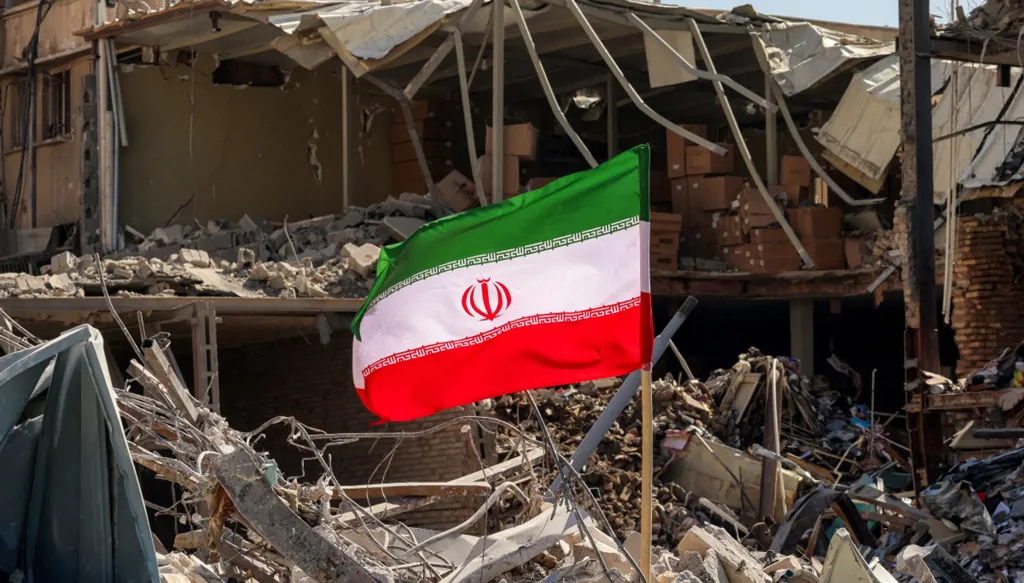
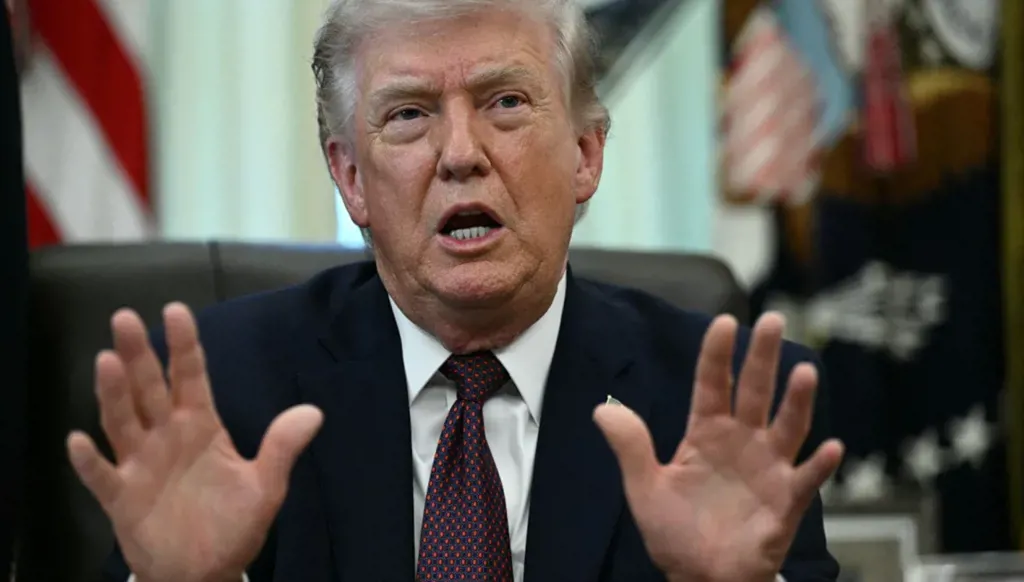
Tehran continues to approach diplomacy in much the same way with President Donald Trump. On one hand, Iran may have greater incentive to twist his arm because of the prolonged war and siege imposed on it. On the other hand, delaying acceptance of an agreement conveys that it is under no urgent pressure and can afford to wait.
If negotiating a preliminary framework to extend ceasefires and ease mutual pressure in the Strait of Hormuz is taking this long, then reaching a permanent agreement that addresses the root causes of the crisis will likely take even longer.

Trump's tense statements have been met with an equally rigid Iranian stance. For Tehran, procrastination has almost become a form of political luxury. It serves as a message of strength: even after emerging from war, not every settlement is acceptable. Under Obama, Iran secured an agreement that permitted limited uranium enrichment before restrictions were gradually lifted after roughly a decade and a half. Today, Iranian statements suggest that Tehran is unwilling to accept anything less than that threshold. Yet the more important aspect may lie elsewhere.
Iran and Perpetual Anxiety
A prolonged crisis in the Strait of Hormuz allows Tehran to postpone confronting domestic challenges. The longer the crisis lasts, the longer Iran can delay the possibility of renewed tensions on the streets. Regardless of the outcome of the last war, and even if the regime remains intact, there is a persistent fear that violent protests could re-emerge.
Therefore, if Tehran can withstand the pressure of war, siege, and sanctions for months, it may succeed in spreading disappointment and frustration among angry citizens. However, that outcome is far from guaranteed. Demonstrations in Iran have continued, albeit intermittently, for nearly a decade.

For this reason, Iran is also seeking the release of part of its frozen funds as an advance payment toward any future agreement. If this happens, it would reinforce Tehran's claim that it can extract concessions while simultaneously directing some of the funds toward addressing urgent domestic needs.
For these reasons and others, a swift agreement, even one that could be presented as a quick victory for Tehran, may not suit Iran's leadership at this stage. The more important question is how long Iran can continue to rely on delay as a strategy given its worsening economic conditions.