

UN Security Council convenes emergency session on Lebanon as Israel-Hezbollah escalation intensifies
Lebanon, Israel, the United States, and France exchanged accusations at the Security Council, while the UN warned of a worsening humanitarian crisis and urged immediate efforts to restore a ceasefire and prevent further escalation.



 Messenger
 Whatsapp
 Threads
 Email
Email
 Print
Print
 X
X
 Facebook
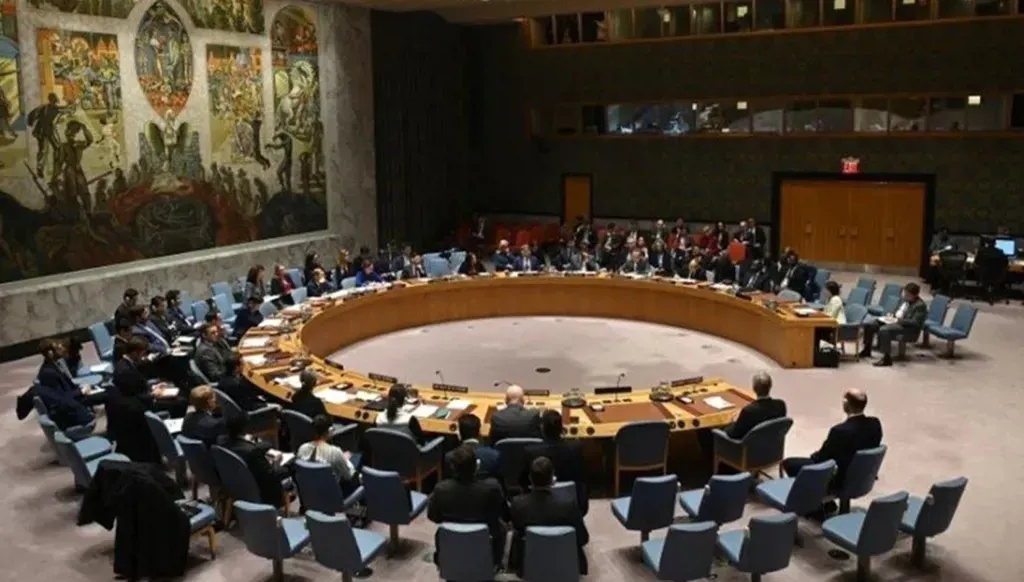


The UN Security Council held an emergency session to discuss the ongoing military escalation in Lebanon between Israel and "Hezbollah," amid mutual accusations and international calls to halt hostilities and give diplomacy a chance to contain the crisis.
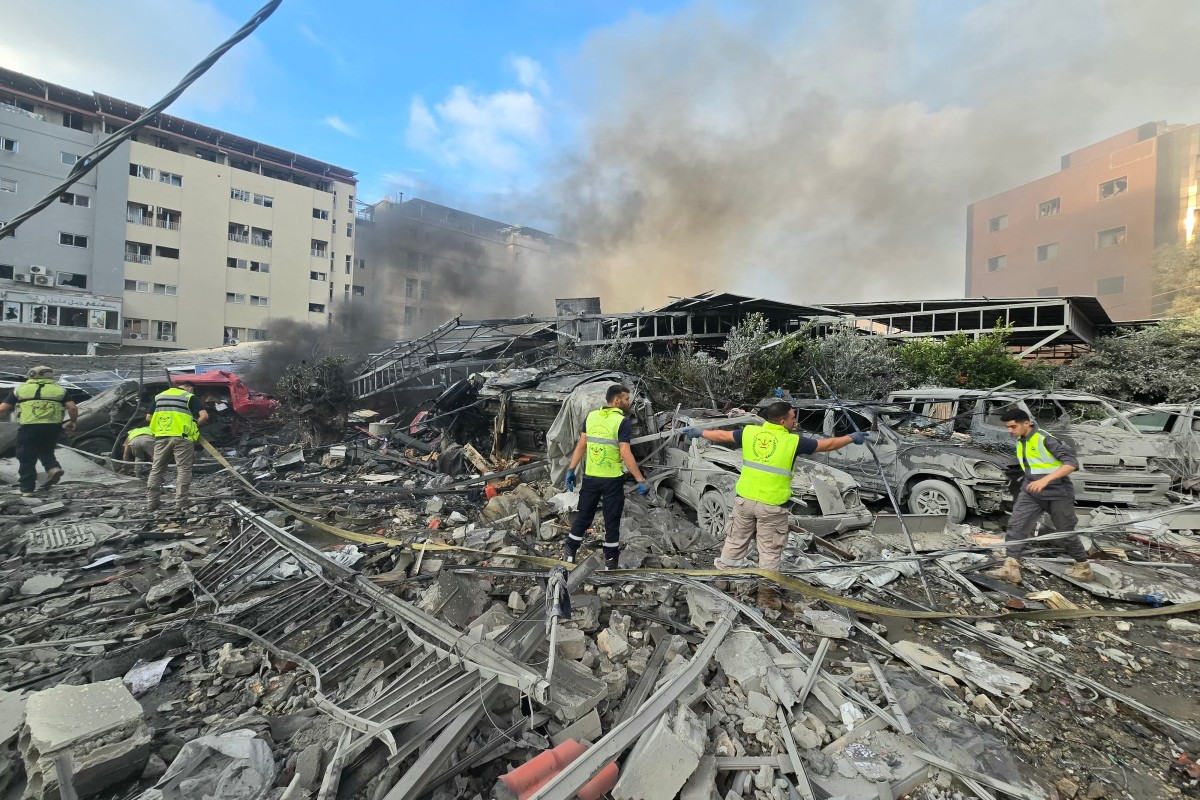
The Lebanese envoy told the Security Council that Israel has destroyed infrastructure and homes in southern Lebanon, causing widespread pain and fear among civilians. He stressed that Lebanon has fully committed to halting hostilities, while Israel has continued its daily violations on a large scale.
He stated that the Lebanese state remains the sole guarantor of its citizens' security and is working to establish stability in the country despite complex circumstances. He argued that the objective of the Israeli violations appears linked to undermining the recovery of the Lebanese state and exploiting regional tensions to justify further military escalation.
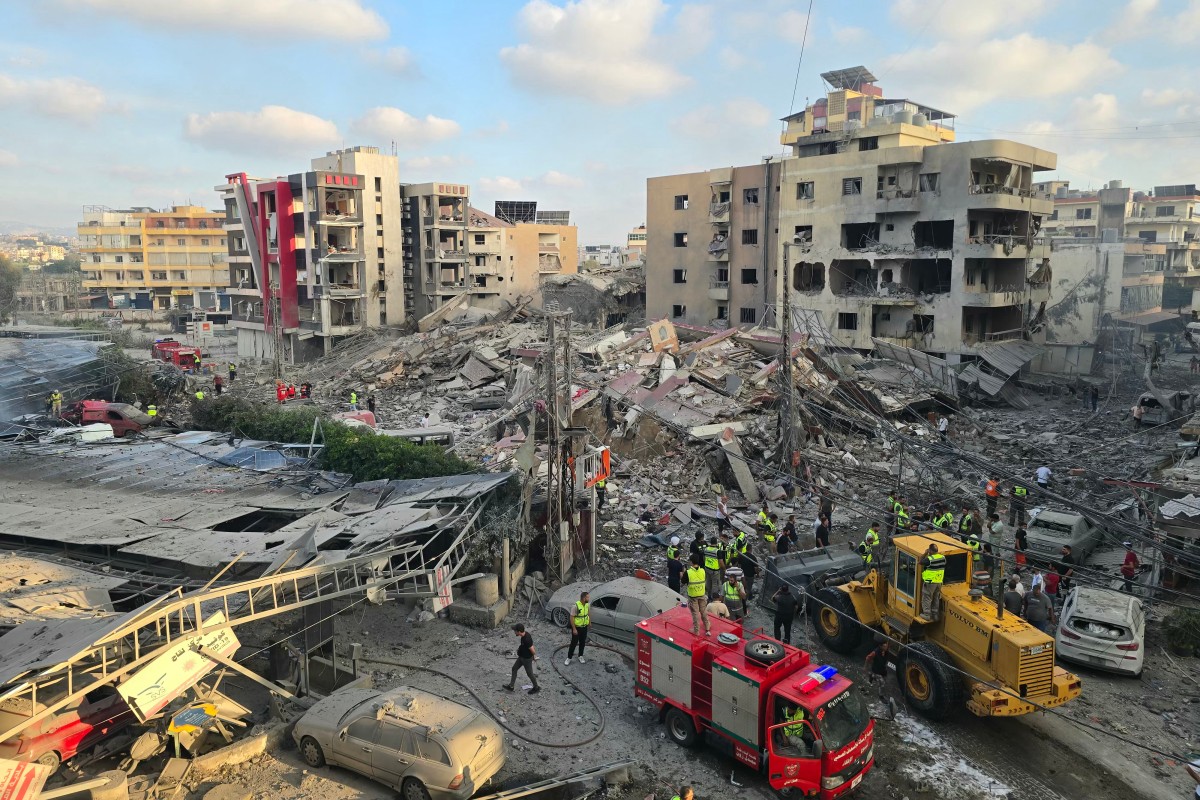
The Lebanese envoy noted that the Israeli escalation has so far resulted in thousands of casualties, warning that impunity encourages repeated violations and crimes. He added that calls by Israeli officials for expanded military operations and further territorial occupation in Lebanon reflect clear escalating intentions.
He reiterated Lebanon's commitment to international legitimacy resolutions, particularly Resolution 1701, and its contribution to regional security, emphasizing the need to provide the conditions and requirements necessary for the success of de-escalation efforts.
Conversely, Israel's envoy to the Security Council said that his country does not seek a war with the Lebanese people, but accused "Hezbollah" of implementing an Iranian agenda and attacking population centers in northern Israel.
He added that the group has launched more than 10,000 rockets at Israel and claimed that around 2,500 Hezbollah fighters operate south of the Litani River. He also asserted that the threat posed by Hezbollah remains linked to what he described as Iranian directives.
For his part, the American envoy said that "Hezbollah" continues to treat Lebanon as a platform for launching what he described as "Iran-inspired" attacks against Israel, accusing the group of disregarding Lebanon as a state and ignoring the future of its people.
He stated that Hezbollah exploits civilian infrastructure, including homes, schools, and hospitals, to carry out attacks. He further claimed that the group assassinated "brave" Lebanese individuals who dared to oppose it, despite presenting itself as a protector of the Lebanese people.
The American envoy noted that President Donald Trump, whom he said pays significant attention to Lebanon, proposed a clear framework for ending the conflict. He argued that de-escalation and a cessation of hostilities require Hezbollah, whom he accused of initiating the fighting, to stop its attacks on Israel.

Meanwhile, the French envoy said that Paris had requested the emergency meeting in response to the "major Israeli escalation" taking place in Lebanon. At the same time, he maintained that Hezbollah, backed by Iran, bears responsibility for the outbreak of hostilities after "dragging Lebanon into a war that is not its own."
He stressed that "nothing can justify the continuation of Israeli military operations in Lebanon," describing the growing Israeli incursion into Lebanese territory as "a major strategic error."
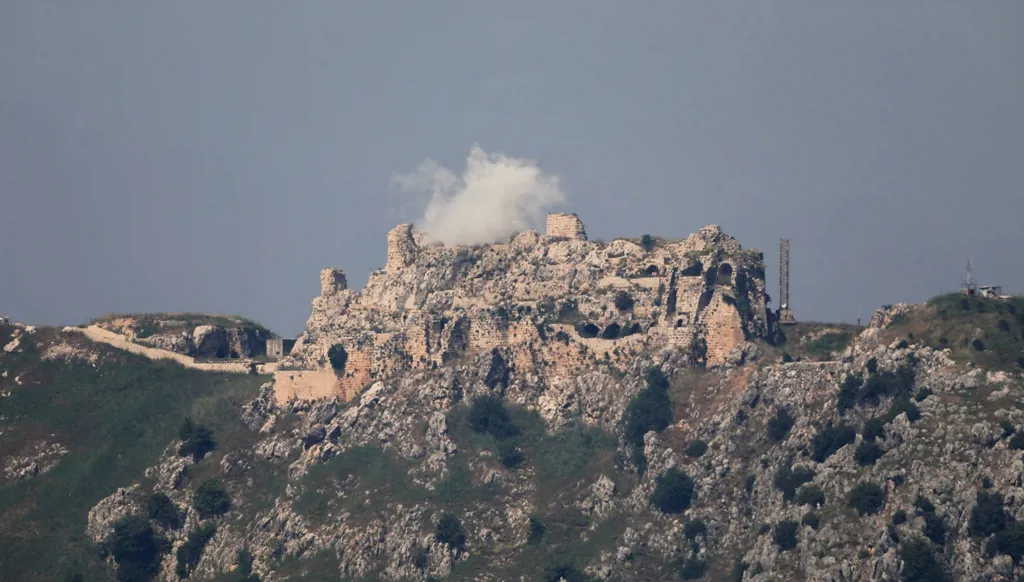
He added that the raising of the Israeli flag over Beaufort Castle reflects "a troubling return to an era many believed was consigned to the past," asserting that Israel's lasting security cannot be achieved through war or occupation, but through peace with its neighbors and regional stability.
The French envoy reaffirmed full French support for the ongoing direct talks between Lebanon and Israel under U.S. sponsorship, stating that the desired solution should include the disarmament of Hezbollah and the full restoration of Lebanese state sovereignty.
Meanwhile, the Assistant Secretary-General for Peacekeeping Operations warned that the situation in Lebanon has become "a matter of grave concern" as Israeli forces advance northward inside Lebanese territory. She noted that Israeli evacuation warnings south of the Zahrani River have effectively turned large areas of southern Lebanon into battlefields.
She explained that UNIFIL forces have observed intense military activity and demolition operations in villages near the Blue Line, while Hezbollah continues to launch rockets and drones and intensify its attacks inside Israel.
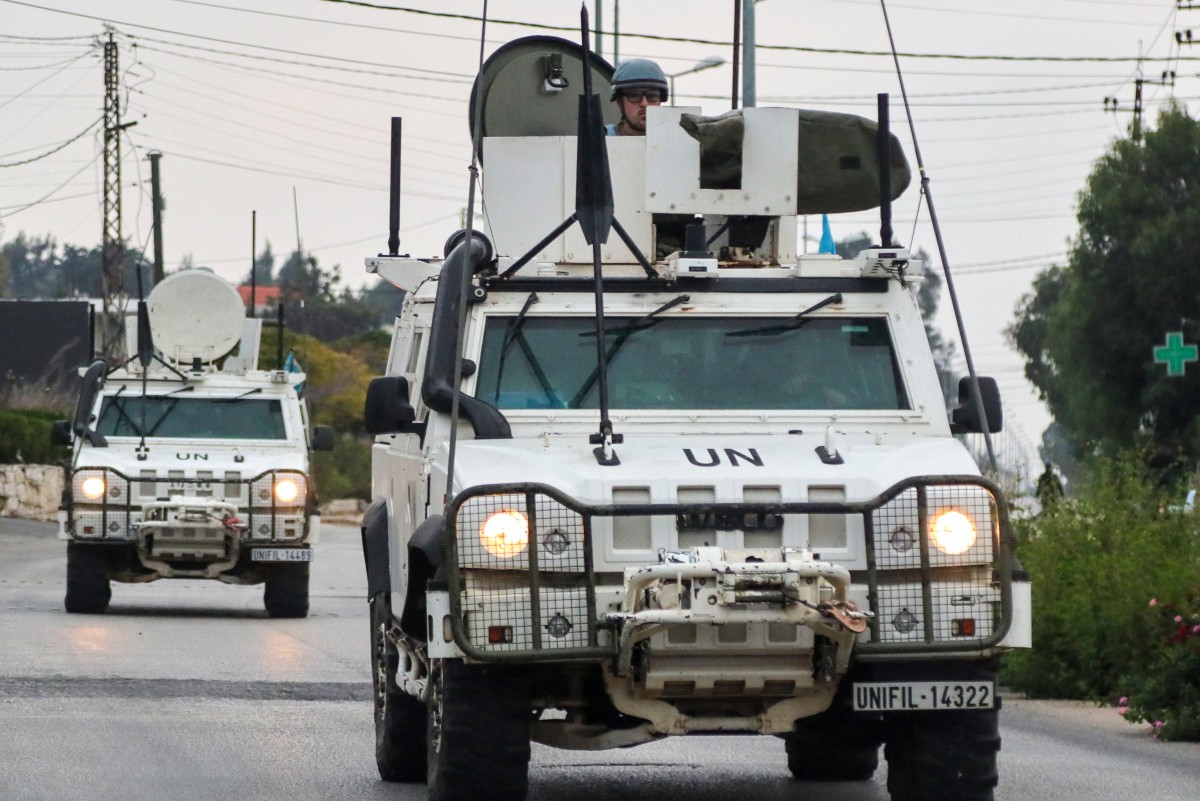
The UN official said that the current escalation is undermining the ceasefire understanding announced on April 16, describing the presence of Israeli forces north of the Blue Line as a violation of Lebanese sovereignty and Resolution 1701.
She also warned of growing humanitarian needs as homes continue to be destroyed, emphasizing that any further escalation is "unacceptable", stressing that the ultimate objective remains achieving a ceasefire respected by all parties and urged the Security Council to help create the conditions necessary to end hostilities.