

Camel milk in the UAE: From desert heritage to a global food industry
Once a traditional Bedouin staple, camel milk has evolved in the UAE into a modern industry spanning food, wellness, and cosmetics, reflecting a successful blend of heritage and innovation.



 Messenger
 Whatsapp
 Threads
 Email
Email
 Print
Print
 X
X
 Facebook
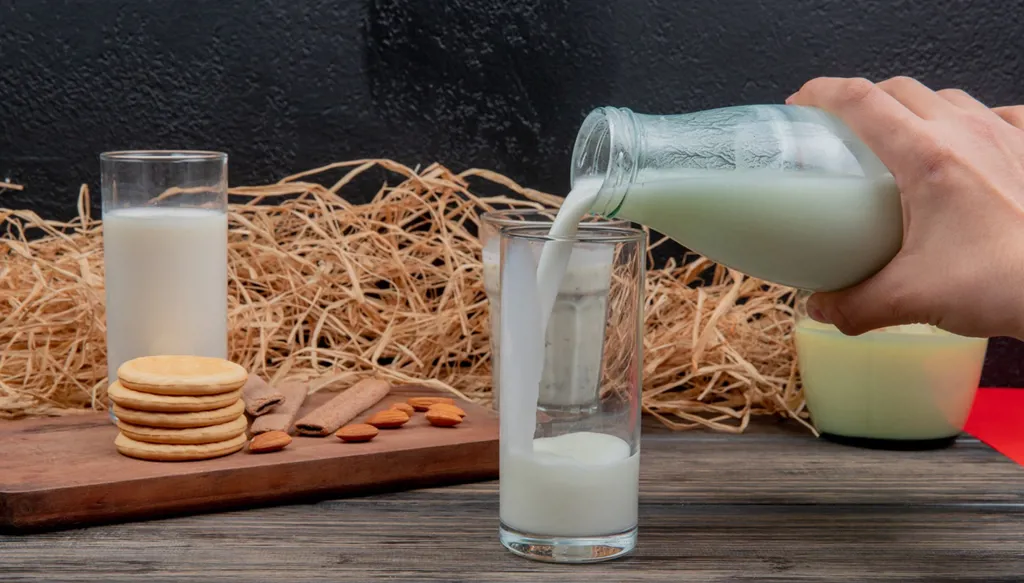


On World Milk Day, camel milk returns to the spotlight as one of the products that the UAE has succeeded in reintroducing to the world, starting from its heritage roots and reaching the shelves of global stores.
What was once an essential part of Bedouin life in the desert has today become a developed food industry carrying an Emirati identity and competing in international markets.
Camel milk, an Emirati investment with high nutritional value
Over the past years, the UAE has made extensive investments in developing the camel milk sector, whether through modern farms or production and export lines, becoming one of the leading countries that has contributed to transforming this traditional product into a global brand.
The company Camelicious stands out as one of the most famous brands specialized in producing camel milk and its derivatives within the country.
Interest in camel milk is not limited only to its heritage dimension, but also extends to its nutritional value, as nutritional studies indicate that it contains a relatively lower fat content compared to cow milk, in addition to high levels of iron and vitamin C, which has made it increasingly attractive to researchers and consumers interested in alternative diets.
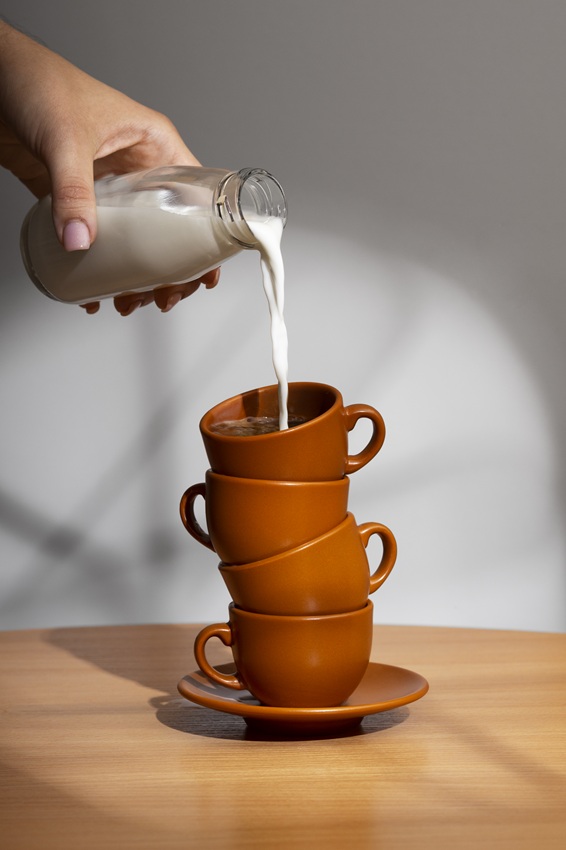
Camel milk in desserts and cosmetics
In the UAE, camel milk is no longer consumed only in its traditional form. It has also entered various industries including chocolate, ice cream, coffee, and even some skincare products, in a scene that reflects a Gulf trend toward rebranding elements of heritage with a modern approach.
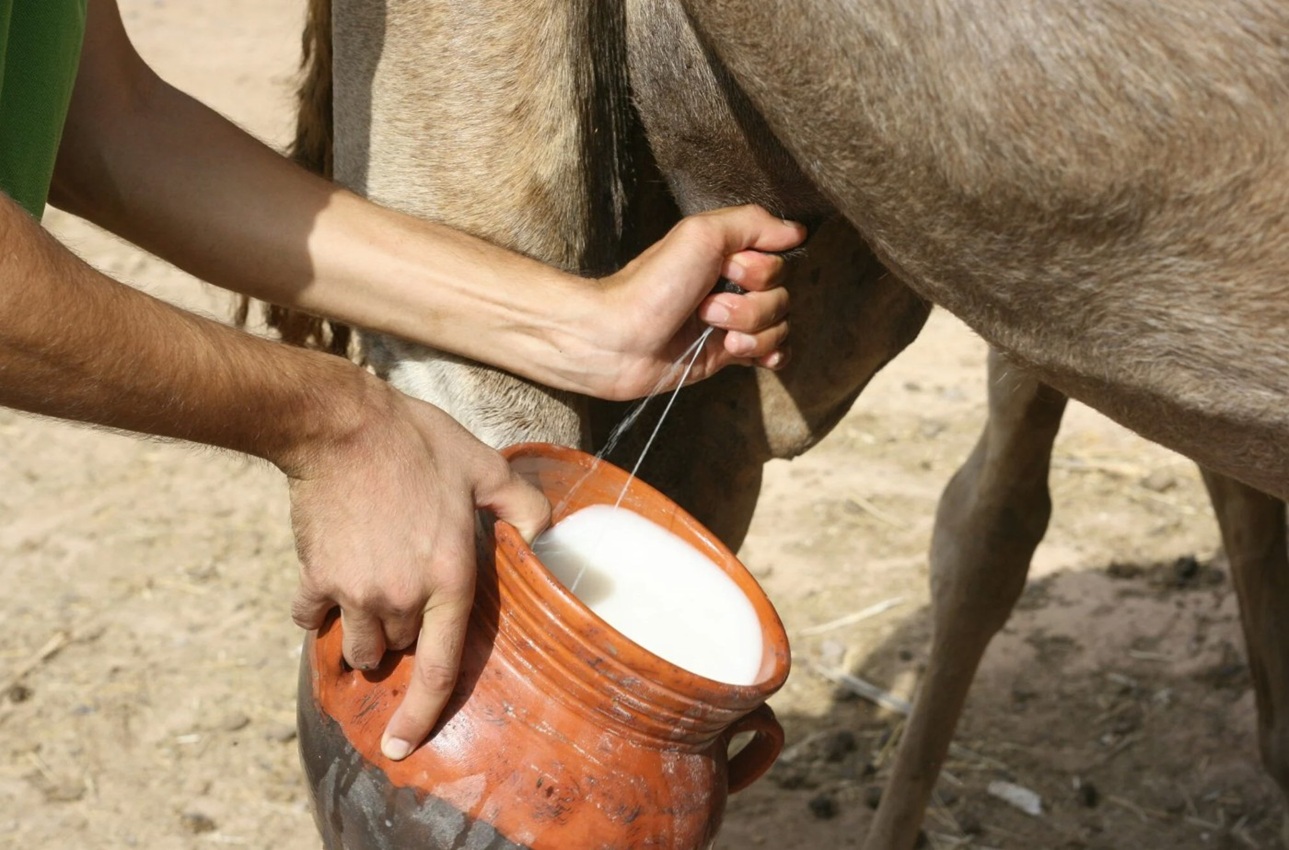
Camel milk price in the UAE
In terms of pricing, camel milk remains more expensive than conventional milk due to limited production and the cost of raising camels. The price of one litre in UAE markets ranges between approximately 22 and 26 Emirati dirhams, while small packages are sold at prices starting from around 5.5 dirhams. Some of its derived products, such as powdered milk, can reach more than 180 dirhams per package.
Despite its higher price compared to cow’s milk, camel milk continues to strengthen its presence as a product that combines local identity with modern dietary trends, in an Emirati experience that has succeeded in transforming an ancient desert heritage into an industry with economic, cultural, and health dimensions at the same time.