

Iran–U.S. exchange strikes as Israel signals possible Beirut southern suburbs targeting
Following weekend U.S. strikes on Iranian military sites and an Iranian response against a U.S. base, tensions escalate further as Israeli leadership directs potential action in Beirut’s southern suburbs while Tehran–Washington talks stall amid mutual accusations and regional warnings.



 Messenger
 Whatsapp
 Threads
 Email
Email
 Print
Print
 X
X
 Facebook
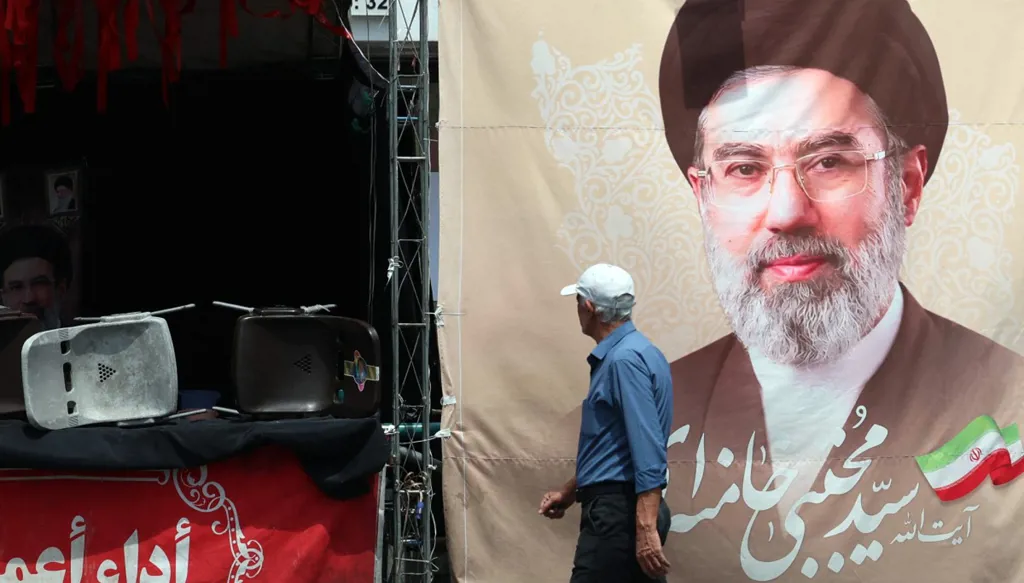


The region appears to be heading toward a new escalation following reports of reciprocal strikes on Monday between Iran and the United States on one hand, and a directive from Israeli Prime Minister Benjamin Netanyahu and Defense Minister Israel Katz to target Beirut's southern suburbs on the other.
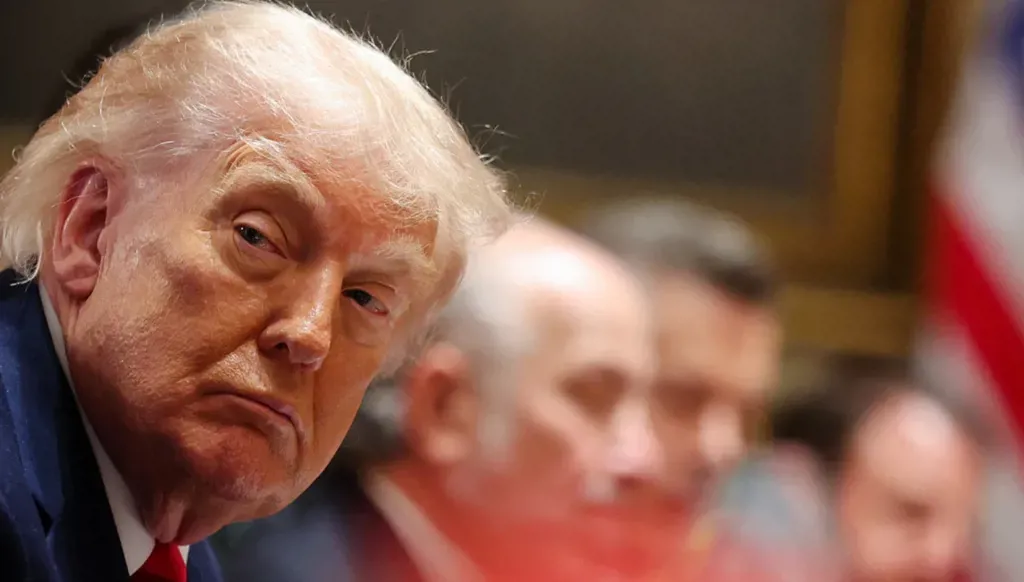
These developments come at a time when ongoing negotiations between Tehran and Washington have failed to achieve any progress, despite U.S. President Donald Trump stating that "Iran wants to reach an agreement with us."
Qalibaf: "the moment to pay that price will come"...
Iranian Parliament Speaker Mohammad Bagher Qalibaf commented on the latest developments, saying in a post on X that "the naval blockade and the escalating war crimes committed by the Zionist regime, along with the genocide in Lebanon, are clear evidence that the United States is not committed to the ceasefire."
He added: "Every option has its price, and the moment to pay that price will come. The picture will become clear soon."
Earlier on Monday, Iranian Foreign Ministry spokesperson Esmaeil Baghaei stated that "the delay in the diplomatic process aimed at ending the war is due to a lack of trust, Washington's contradictory positions, and Israel's attacks on Lebanon."
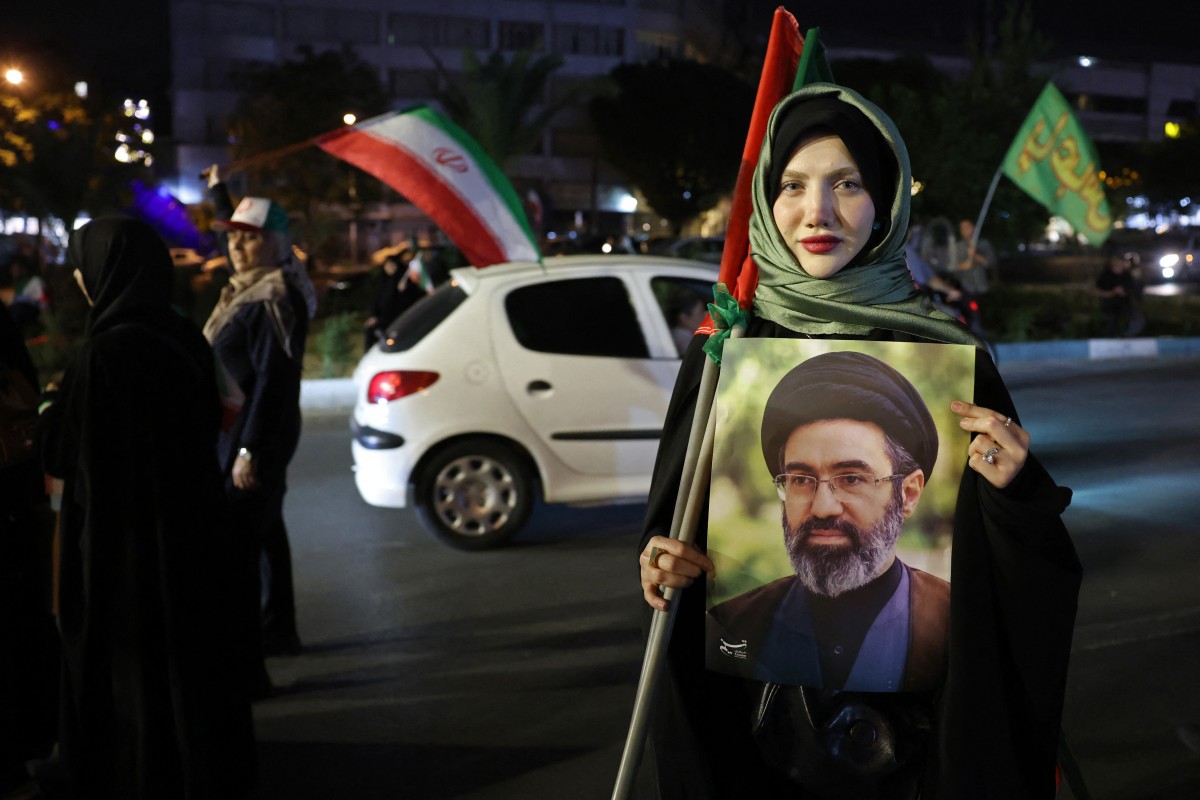
He added: "The negotiations began amid deep skepticism and a lack of trust, and messages continue to be exchanged under these circumstances," noting that "the other side constantly changes its positions and puts forward new or contradictory demands (...) and it is only natural that this situation prolongs the negotiations."
He also stated that Tehran views Israel's actions across the region, including in Lebanon, as inseparable from the policies and actions of the United States.
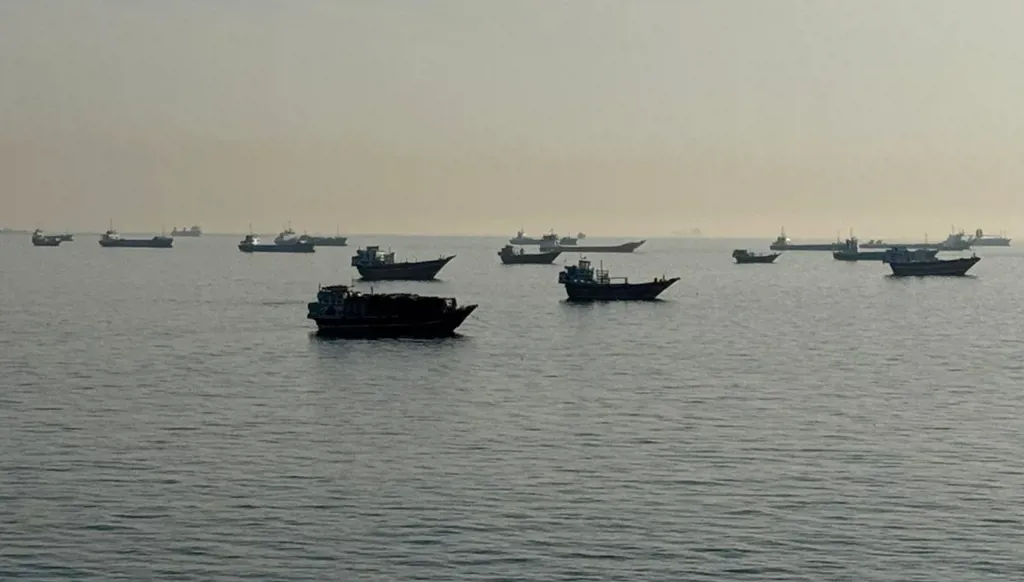
Regarding the Strait of Hormuz, Iran's Revolutionary Guard Navy said: "We are directing vessel traffic through the strait, and any ship that violates regulations or ignores warnings will be stopped."
American Strikes, Iranian Retaliation
The United States announced that it carried out strikes on Iranian military sites over the weekend, while Iran's Revolutionary Guard stated that it targeted a U.S. military base in response.
In a post on X, the U.S. Central Command said the weekend strikes were conducted in response to what it described as "hostile Iranian actions, including the downing of an MQ 1 U.S. aircraft that was flying over international waters."
It said: "U.S. fighter aircraft responded swiftly by destroying Iranian air defense systems, a ground control station, and two one-way attack drones that posed clear threats to vessels transiting regional waters."
The statement added that the United States would continue to protect its assets and interests during the current ceasefire.
Meanwhile, Iran's Revolutionary Guard stated that it had targeted an air base used by the United States to launch an attack on southern Iran, without specifying which base was struck.

The Kuwait News Agency reported that the country's air defenses, in a nation that hosts a major U.S. military base, intercepted missile and drone attacks on Monday. Air raid sirens were heard across the country, although no further details were provided.
Disagreements between the two sides remain unresolved on several issues, including Tehran's demands for sanctions relief and the release of tens of billions of dollars in Iranian oil revenues frozen in foreign banks.