

Trump’s Iran deal push reopens Gulf negotiation deadlock over truce and nuclear terms
Amid disputed uranium conditions, Hormuz tensions, and deep mistrust, Washington and Tehran edge back to fragile diplomacy with no clear path to a final agreement.



 Messenger
 Whatsapp
 Threads
 Email
Email
 Print
Print
 X
X
 Facebook
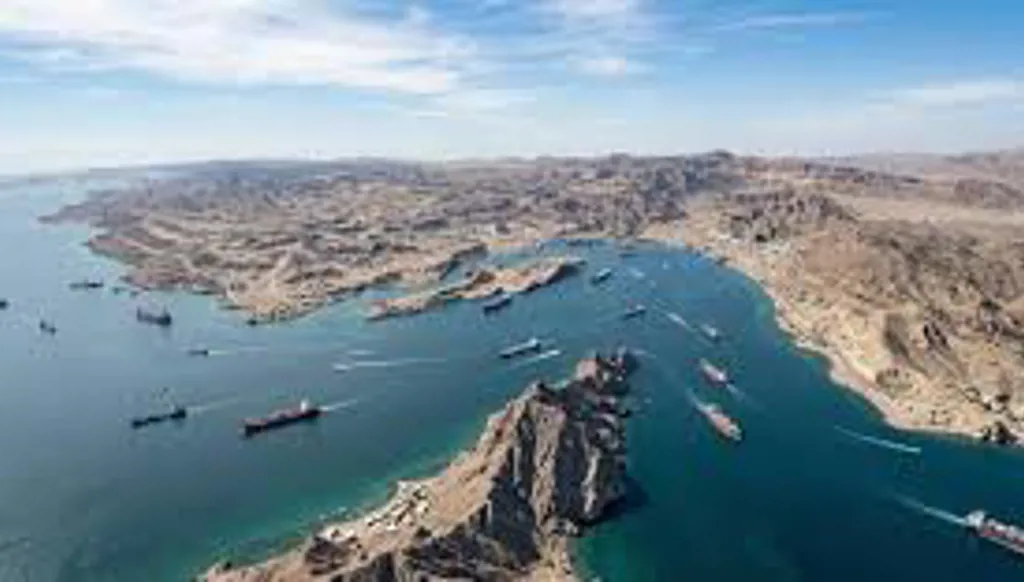


President Donald Trump’s request to amend the draft “Framework of Understanding” with Iran has brought discussions on a potential “truce” in the Arabian Gulf back to the difficult negotiation table.
This development comes amid recurring complexities and shifting contradictions in the positions of Washington and Tehran, making it extremely difficult to form a clear vision for the anticipated “settlement,” despite the apparent political and security outlet.
According to Axios, the American amendments focus on the fate of Iran’s highly enriched uranium, the timing of its removal or destruction, and the opening of the Strait of Hormuz.
Reuters reports that the circulated draft grants both sides a 60-day window to extend the ceasefire and begin nuclear negotiations, without reaching a final peace agreement.
In my view, this point represents the core of the entire process, as the “Framework of Understanding” does not end the crisis but rather creates a political and security corridor to move from war toward serious negotiations.
What are the most crucial points?
The provisions of the “framework,” as circulated by Al Arabiya and American sources, include stabilizing a renewable truce, removing naval mines within 30 days, resuming commercial transit and oil tanker movement through the Strait without fees, and gradually easing restrictions on ports and certain Iranian oil exports, while deferring nuclear details to a later stage of negotiations.
On its side, Iran refuses to give the “Framework of Understanding” a final form that would settle the media debate around it. Speaker of the Islamic Consultative Assembly, Mohammad Bagher Ghalibaf, stated that Tehran will not agree before ensuring “the rights of the Iranian people,” while Foreign Ministry spokesman Esmail Baghaei confirmed that the current focus is on ending the war, and that the nuclear file has not yet entered detailed negotiations.
This Iranian position does not necessarily close the diplomatic door, but it reflects Tehran’s desire to secure upfront economic gains, including access to part of its frozen funds and easing of oil restrictions, before committing to nuclear obligations.
Against the backdrop of current developments, military pressure remains ongoing. Washington speaks of readiness to resume war if diplomacy fails, while Iran warns that concessions cannot be imposed through promises.
This mutual hardline rhetoric places all parties before a difficult equation: there is neither a comprehensive return to war so far nor sufficient trust to quickly conclude a final agreement, as each side seeks to present any deal domestically as a gain rather than a retreat.
In search of a way out of the crisis...
Amid this confrontation, the role of Gulf Arab states becomes more defined. The persistent threat surrounding Hormuz is no longer merely an Iranian pressure card against Washington but a direct threat to the entire region and the world.
Accordingly, Gulf capitals support Islamabad’s mediation to de-escalate tensions and protect maritime navigation from sliding into prolonged regional chaos that could undermine major development projects pursued by Gulf Arab countries.
The most realistic path begins with establishing the “truce” and opening the Strait of Hormuz without restrictions to ensure safe maritime navigation, followed by limited economic incentives for Iran under a “step-for-step” approach.
This would be followed by nuclear negotiations within a defined timetable and guarantees from the International Atomic Energy Agency, and then a broader regional process to openly discuss issues such as missiles, proxies, relations with Gulf Arab states, and energy security.
Ultimately, there remains a deep lack of trust between Iran and the United States, as well as a fractured trust between Gulf Arab states and Iran due to past hostile actions attributed to the Revolutionary Guard against GCC states. This trust cannot be built on an unstable foundation, which is essential for any “final agreement” that is solid and sustainable; otherwise, the region will remain suspended in a prolonged phase of political and security stagnation.
Disclaimer: The opinions expressed by the writers are their own and do not necessarily represent the views of Annahar.