

Iran–U.S. standoff: Fragile truce talks stall as Hormuz crisis deepens nuclear deadlock
A tentative “cessation of hostilities” framework falls short of expectations as Washington and Tehran remain locked in a high-stakes confrontation over Iran’s nuclear program and the strategic Strait of Hormuz.



 Messenger
 Whatsapp
 Threads
 Email
Email
 Print
Print
 X
X
 Facebook
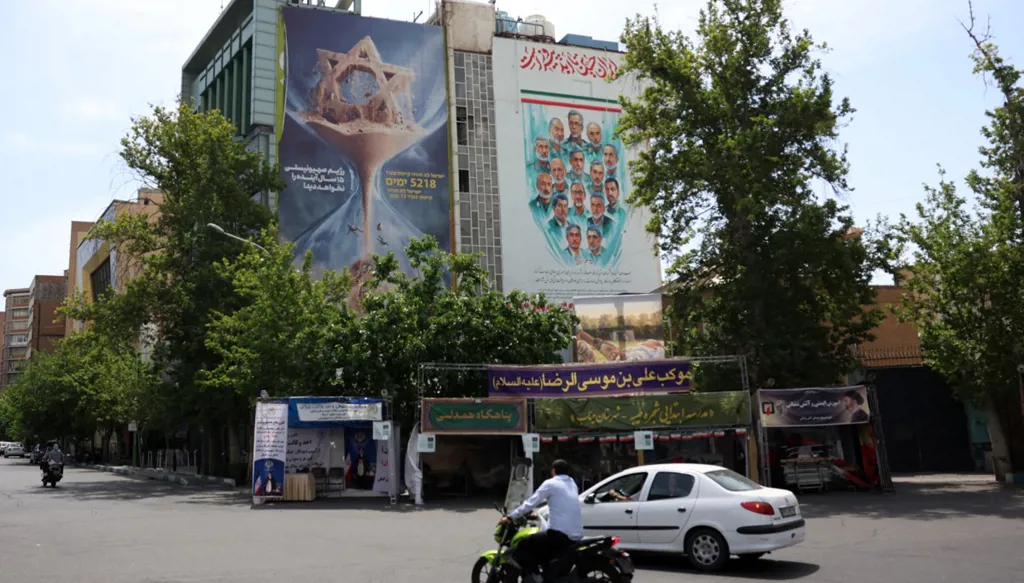
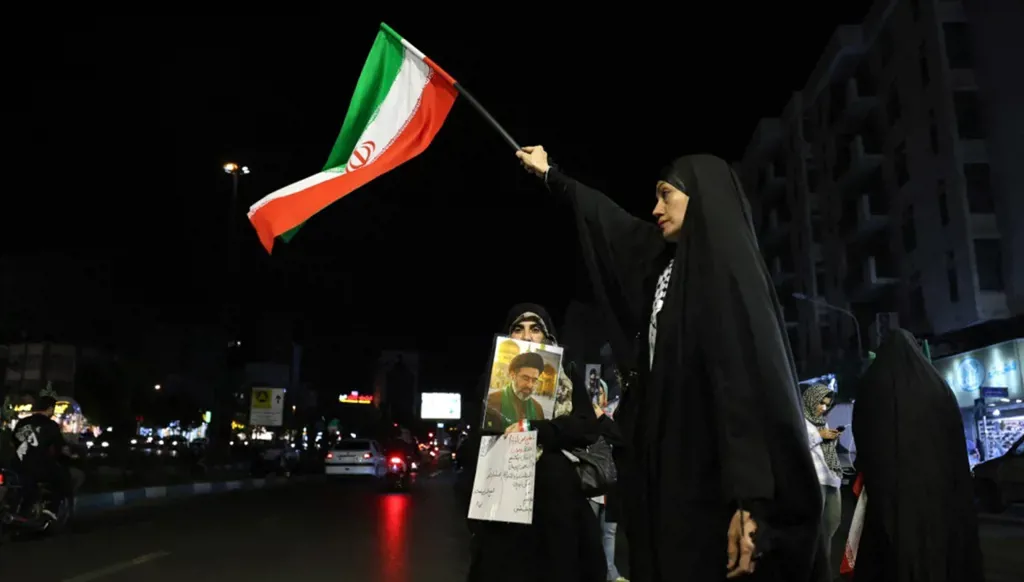
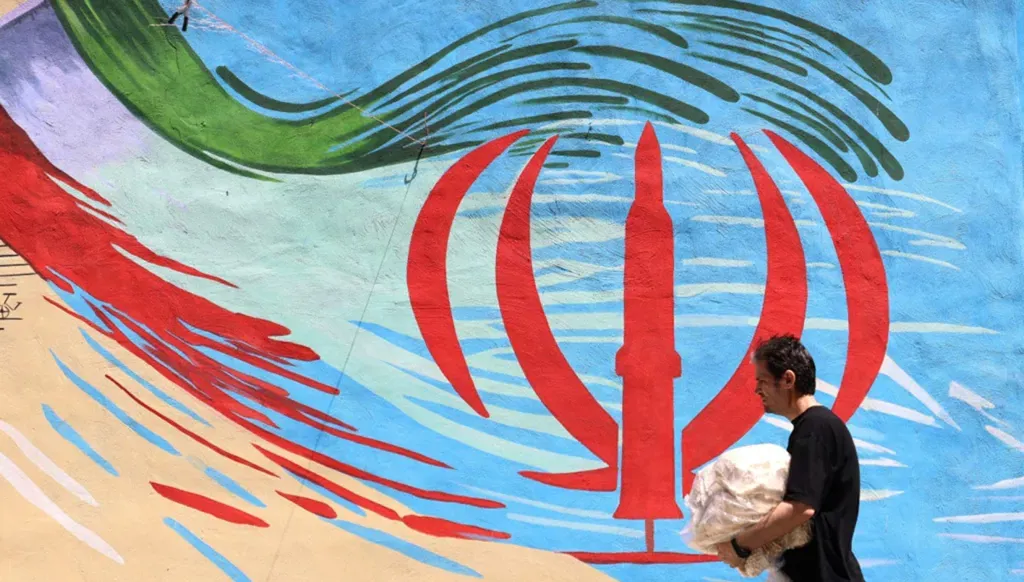


A few days ago, there were serious and strong indications that an American–Iranian “agreement” was on the table, initially described for weeks under the title “Ending the War.” It later emerged in the form of a “memorandum of understanding” titled “Extending the Cessation of Hostilities.” This falls short of expectations and is far from ambitions, serving instead a “technical” function aimed at facilitating a return to negotiations on the nuclear file. This comes as the fierce war had already cut short talks that were underway in Geneva, which were hindered by Iranian attempts to evade the fundamental American conditions—conditions that have now expanded to include the opening of the Strait of Hormuz and the extraction of highly enriched uranium.
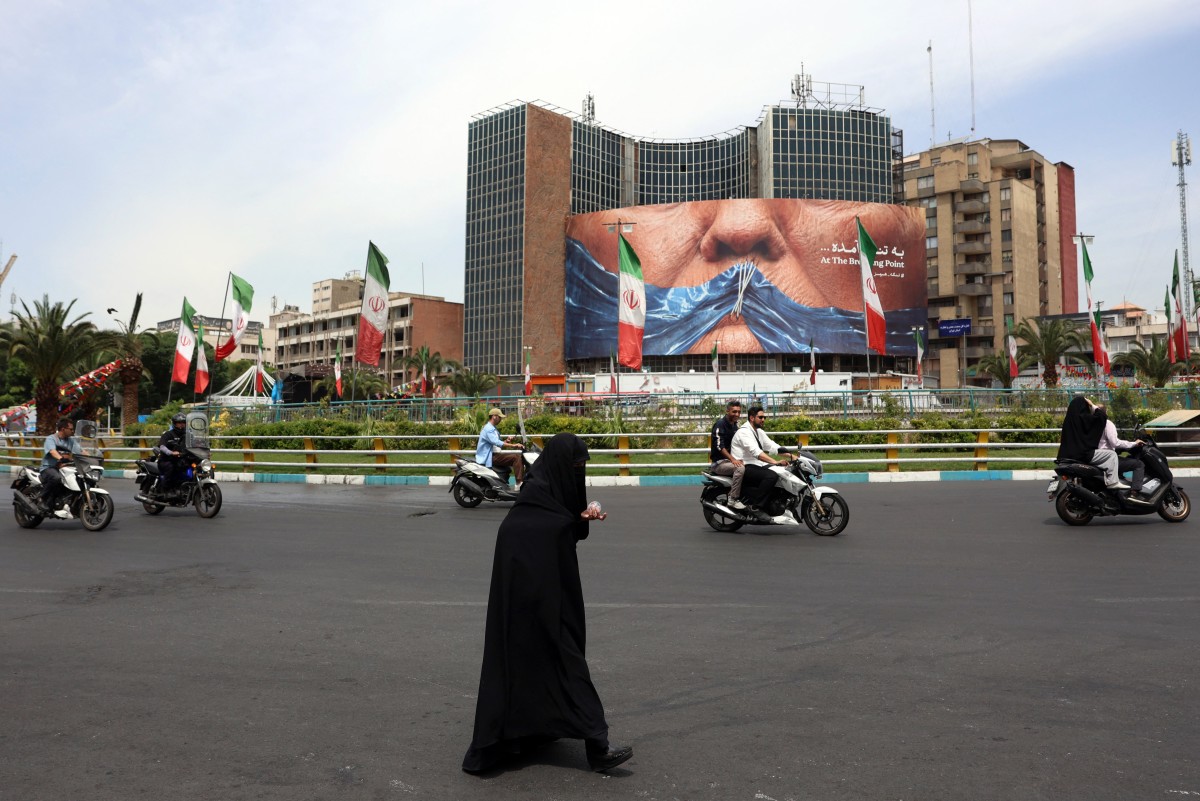
Two Wars in a Year and Stalled Negotiations
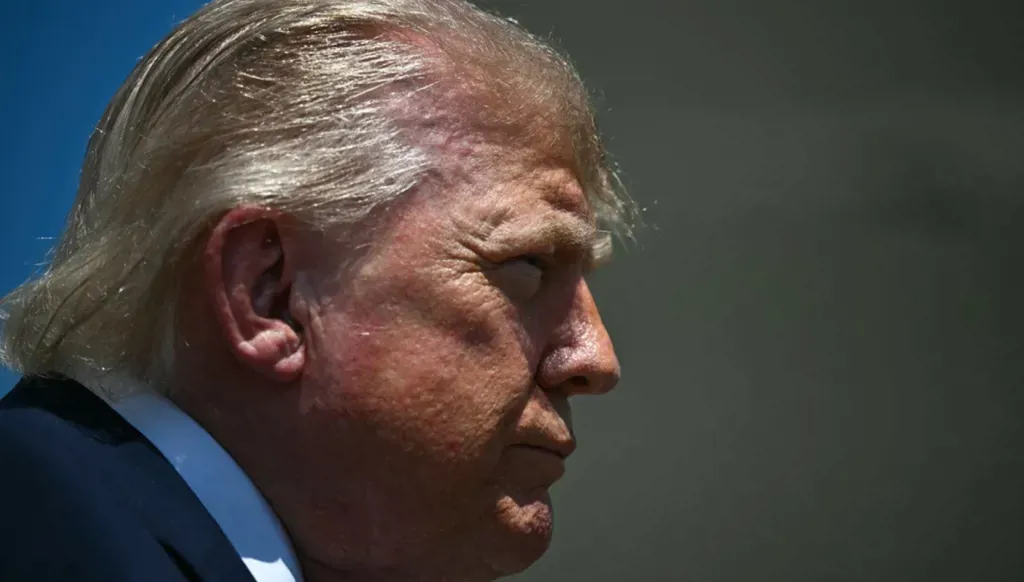
The negotiations have already cost two wars in less than a year, yet they remain at an impasse, with the Strait of Hormuz crisis adding further complications. Washington and Israel continue to threaten to resume hostilities and bomb energy and transportation infrastructure, while Supreme Leader Mojtaba Khamenei accuses them of seeking to “subjugate Iran” through “division and disintegration” to compensate for military defeats. The notion of “subjugation” is reflected in the conditions imposed by the American administration on the nuclear file during the 12-day war (June 2025), when Donald Trump demanded “the surrender of Iran,” a demand he repeatedly voiced, expecting it as the leader of a superpower. This has led many diplomatic observers to lean toward the belief that reaching any agreement is “impossible,” especially as the Trump administration differs from that of Barack Obama. Recently, Trump was quoted as saying he would not accept any agreement that does not meet his red lines, which he summarized in two points: “Iran agreeing not to possess a nuclear weapon” and “the immediate opening of the Strait of Hormuz without tariffs.”
Ending the Nuclear Program
But why is an agreement considered “impossible”? Firstly, because the war was built on the assumption that the regime would completely collapse and be replaced by a weak authority ready to accept surrender terms if internal, or compliant and cooperative if from the opposition abroad.
Secondly, because the negotiating duo Steve Witkoff and Jared Kushner began their mission driven by Donald Trump and Benjamin Netanyahu’s desire to completely and radically end the nuclear program. When they encountered the Iranian side insisting on traditional negotiations in pursuit of settlements, the response was twice a resort to war.
Thirdly, because the Iranians went to Islamabad brandishing the threat to close the Strait of Hormuz. The response was an American blockade of Iranian ports, crisis for crisis. Although Trump later announced the lifting of this blockade, Tehran still expects recognition of its sovereignty and control over the strait’s management, along with the imposition of transit fees—gains that are difficult to achieve since the strait is governed by international law, not national legislation.
In addition, the objectives and red lines of both sides are very far apart and, most importantly, belong to opposing ideologies. Their negotiations have never appeared to seek genuine “confidence-building” steps or to ultimately aim for a “peaceful relationship.” Meaningful negotiation presupposes, at a minimum, mutual acceptance between the parties. In this case, the American side sits with representatives of a regime that has actively worked to overthrow it (two months before the war, Supreme Leader Ali Khamenei appointed new military leaders and requested replacements for them). Meanwhile, the Iranians sit with representatives of the “Great Satan,” against whom they have been indoctrinated with hatred and have worked to expel from the entire Gulf region. All these factors have prevented any reduction in the maximum American demands regarding the nuclear issue and have hindered Iran’s acceptance of reopening the strait unconditionally. They also prevent the provision of “guarantees” for any potential agreement.
Despite all these considerations, an “agreement” remains necessary. The point where both sides meet is “ending the war,” even though their starting points differ: Iran demands guarantees and compensations (possibly seeing them in the strait’s transit fees), arguing that its regime has managed to survive—which is enough to declare “victory.” The United States considers that it has destroyed most of Iran’s military capabilities and expects its conditions to be met so Trump can declare “victory.” In between stands Israel, America’s partner, which is unwilling to accept any agreement—whether “good” or “bad”—and advocates continued strikes on Iran until it becomes paralyzed and unable to recover, which is why the American administration withholds negotiation details from Israel due to its flawed assessments.
Trump’s Agreement vs. Obama’s Agreement
Disclaimer: The opinions expressed by the writers are their own and do not necessarily represent the views of Annahar.