

Hezbollah’s "Ababil" drones: Inside Iran’s surveillance and strike UAV family
As Hezbollah continues deploying Iranian-made Ababil drones against Israel, attention is turning to the capabilities of a UAV family that combines reconnaissance, electronic warfare, and precision-strike missions.



 Messenger
 Whatsapp
 Threads
 Email
Email
 Print
Print
 X
X
 Facebook
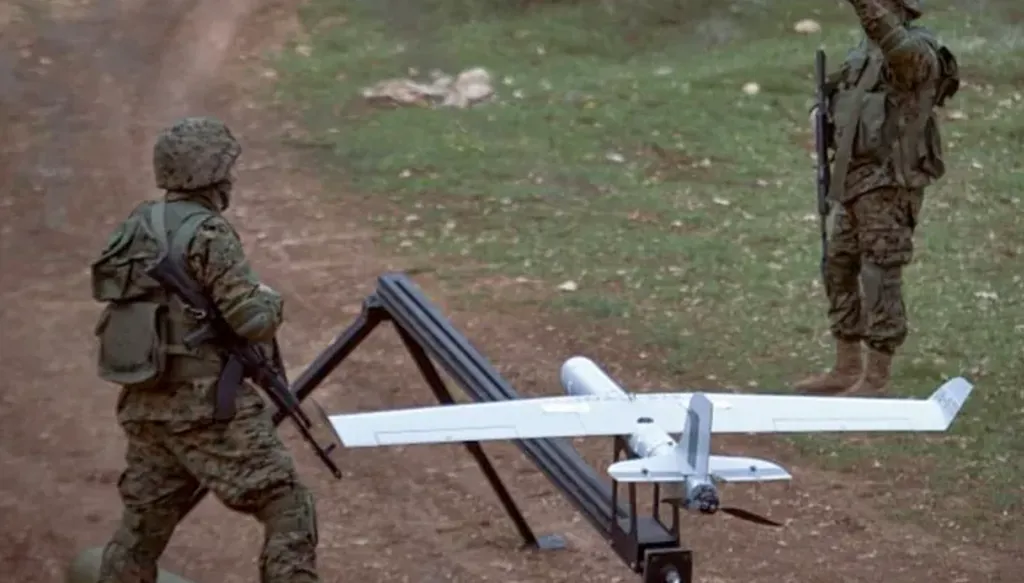


Hezbollah continues to use Iranian-made "Ababil" drones in its operations against Israel, as announced a short while ago. The group does not always disclose the names of the weapons it uses.
The specific generation of the drones employed by Hezbollah—whether older or newer models from the Ababil family—remains unknown.
What are Ababil drones?
"Ababil" is a family of Iranian drones that includes several generations, among them the Ababil-3, Ababil-4, and Ababil-5.
The Ababil-3 gained prominence in 2019 when the naval forces of Iran's Revolutionary Guard released footage showing the drone being used to film the American aircraft carrier USS Ronald Reagan in the Arabian Gulf.
The model was also introduced into Syria in 2022 and used by the Bashar al-Assad regime. It was primarily supplied to Lebanon's Hezbollah by the Revolutionary Guard, which also trained the group's fighters to operate it.
The Ababil-5 is considered the latest generation in the family. It was introduced into the combat units of the Iranian army on January 23, alongside the Ababil-4. According to the Iranian news site Nournews, it is a strategic multi-purpose drone capable of conducting reconnaissance, surveillance, electronic warfare, and signals intelligence missions, in addition to combat operations.
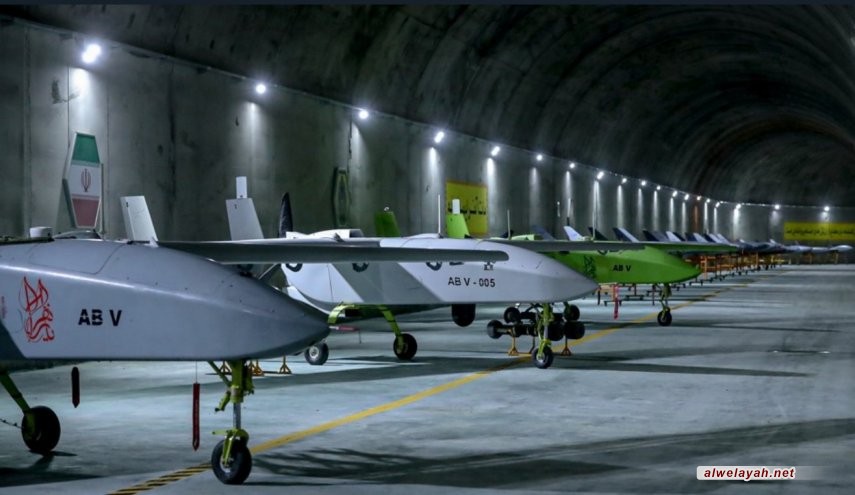
The Ababil-5 can carry electro-optical observation systems, signals intelligence equipment, and radar systems. It has a top speed of 210 kilometers per hour and can remain airborne for up to 12 hours with a full payload, operating at altitudes of up to 18,000 feet and within a range of 300 kilometers. According to the same source, it can carry out reconnaissance and survey missions both day and night.
The drone normally lands on its wheels but can use a parachute landing system in emergency situations. It is capable of carrying up to 120 kilograms of weapons and ammunition, including smart Qaem bombs and Almas missiles. It can also be equipped with six precision-guided missiles fitted with high-explosive warheads.
The Ababil-5's airframe incorporates features designed to make it more difficult to detect. During military drone exercises conducted by the Iranian army, it reportedly carried out reconnaissance and surveillance missions targeting the American destroyer Arleigh Burke continuously for 24 hours, according to Nournews.