

Israel’s reported control of Beaufort Castle reignites debate over heritage and war in southern Lebanon
Historic fortress, repeatedly damaged in past conflicts, once again becomes a strategic and symbolic flashpoint amid claims of renewed military presence and heightened regional tensions.



 Messenger
 Whatsapp
 Threads
 Email
Email
 Print
Print
 X
X
 Facebook
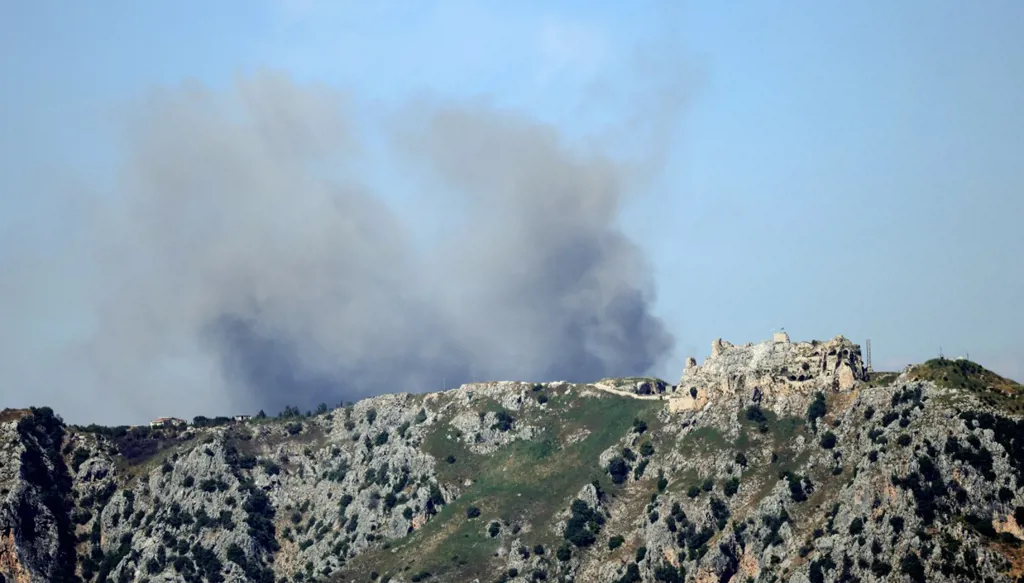
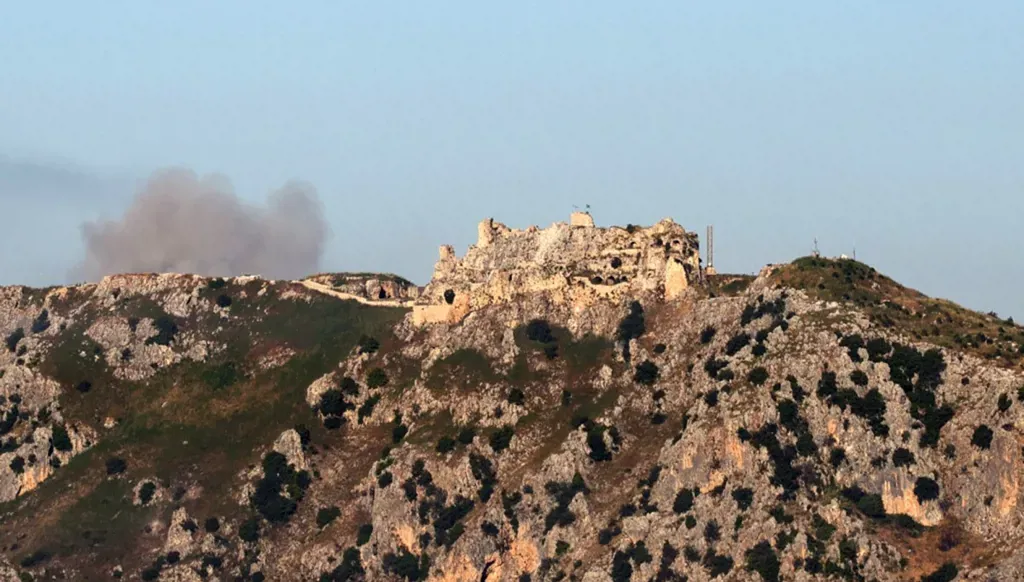


On Sunday morning, the Lebanese woke up to news announced by the Israeli Broadcasting Authority that “the Israeli army controls Beaufort Castle in southern Lebanon,” after which images circulated showing Israeli soldiers inside the historic site.
A few days earlier, the municipality of Arnoun said that Beaufort Castle, considered one of the most prominent archaeological and heritage landmarks, had been bombed by Israel alongside “the demolition of residential houses, the destruction of neighborhoods and infrastructure, and the forced displacement of residents from their land and homes.”
The castle has witnessed successive wars since the Crusader era, up to the Israeli invasion of Lebanon in 1982, when it became one of the fiercest battlegrounds between the Israeli army and Palestinian fighters during what was known as the “Battle of Beaufort.”
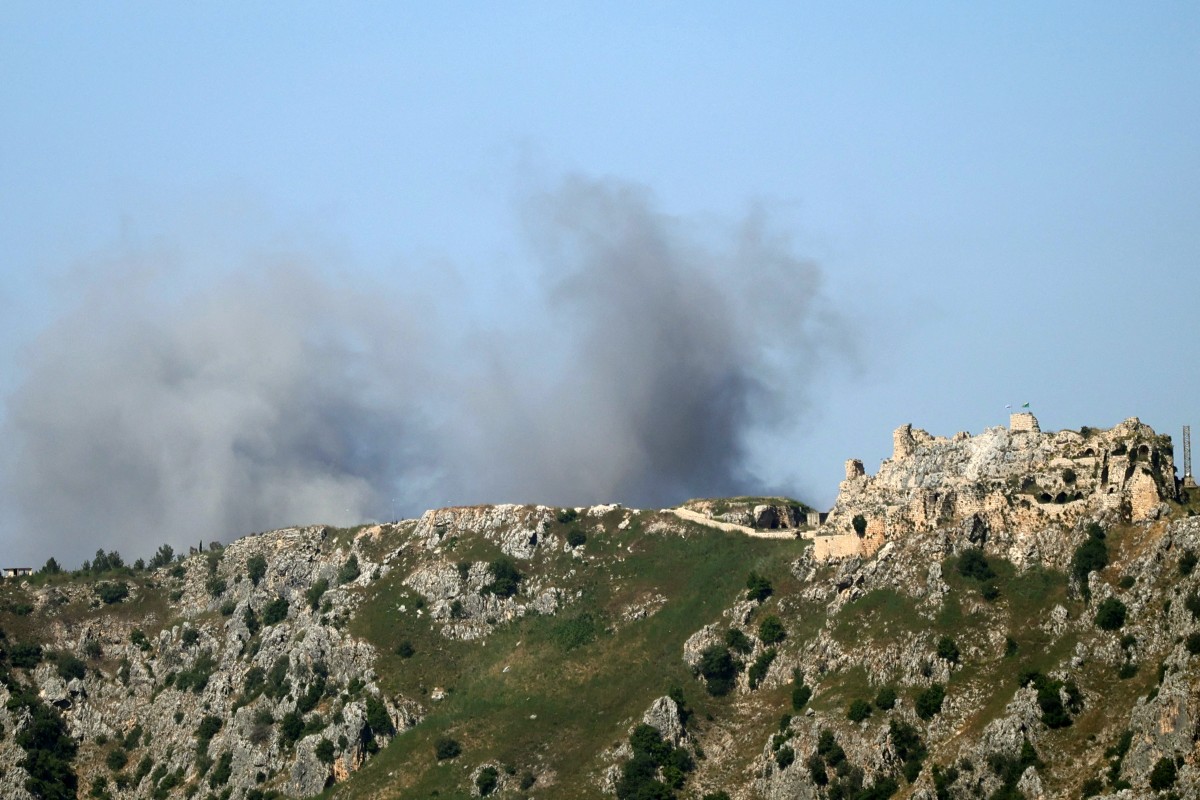
On June 6 of that year, Israeli forces launched a major military operation to seize the castle, using artillery and air raids that caused parts of it to collapse and lose some of its features. It remained under occupation until Israel’s withdrawal from Lebanon in May 2000.
During the years of Israeli occupation of southern Lebanon, the castle was used as a military base and suffered extensive destruction from bombardments, air raids, and fortification works. Restoration efforts began between 2011 and 2015, funded by the Kuwait Fund for Arab Economic Development, during which tunnels, cellars, and a centuries-old rock trench were uncovered.
Restoration phases — rehabilitation project (2011–2015): The castle was reopened to visitors in early 2015 after the creation of safe walkways, the construction of an exhibition hall, and the installation of solar-powered lighting at the site.