

The Value of Human Life in Times of War
A reflection on war’s daily death tolls, global indifference to human suffering, and the stark contrast between saving heritage and saving people.



 Messenger
 Whatsapp
 Threads
 Email
Email
 Print
Print
 X
X
 Facebook
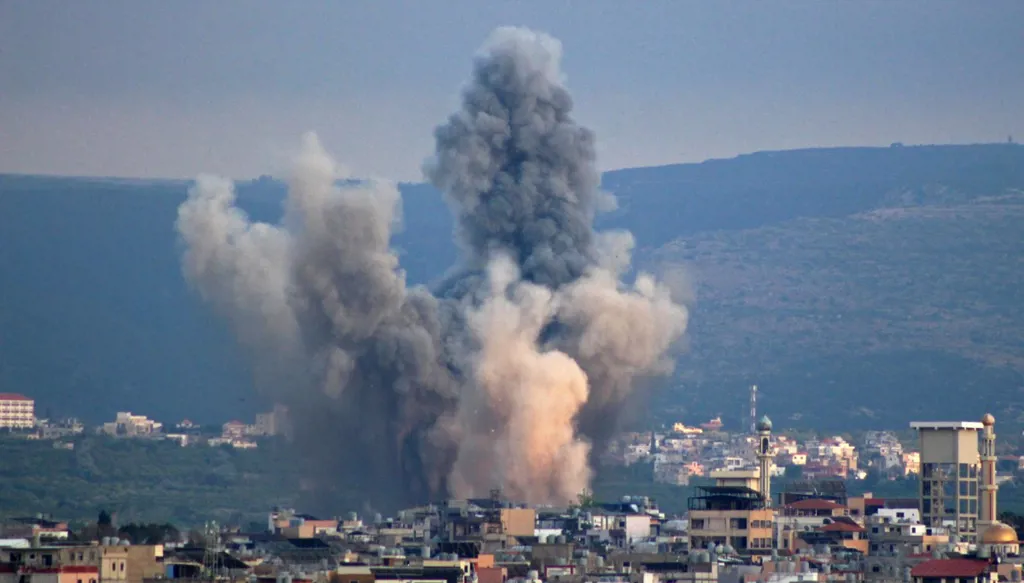


How cheap is human life? The counting of the dead, the victims, and the martyrs—whatever the term, as long as the result is the same—is done through an electronic counter issued each evening by the Ministry of Public Health, displayed in an ornate chart that simply adds numbers to numbers many no longer care to distinguish. Even the suffering and the oppressed are no longer concerned with the figures after war has burned through them, striking at their core and turning what surrounds them into material debris—and, perhaps, human debris.
A daily tally of thousands is declared, excluding the undeclared numbers of combatants. The accumulation continues each day: ten martyrs here, five there, and night falls on around fifty who will not see the morning.
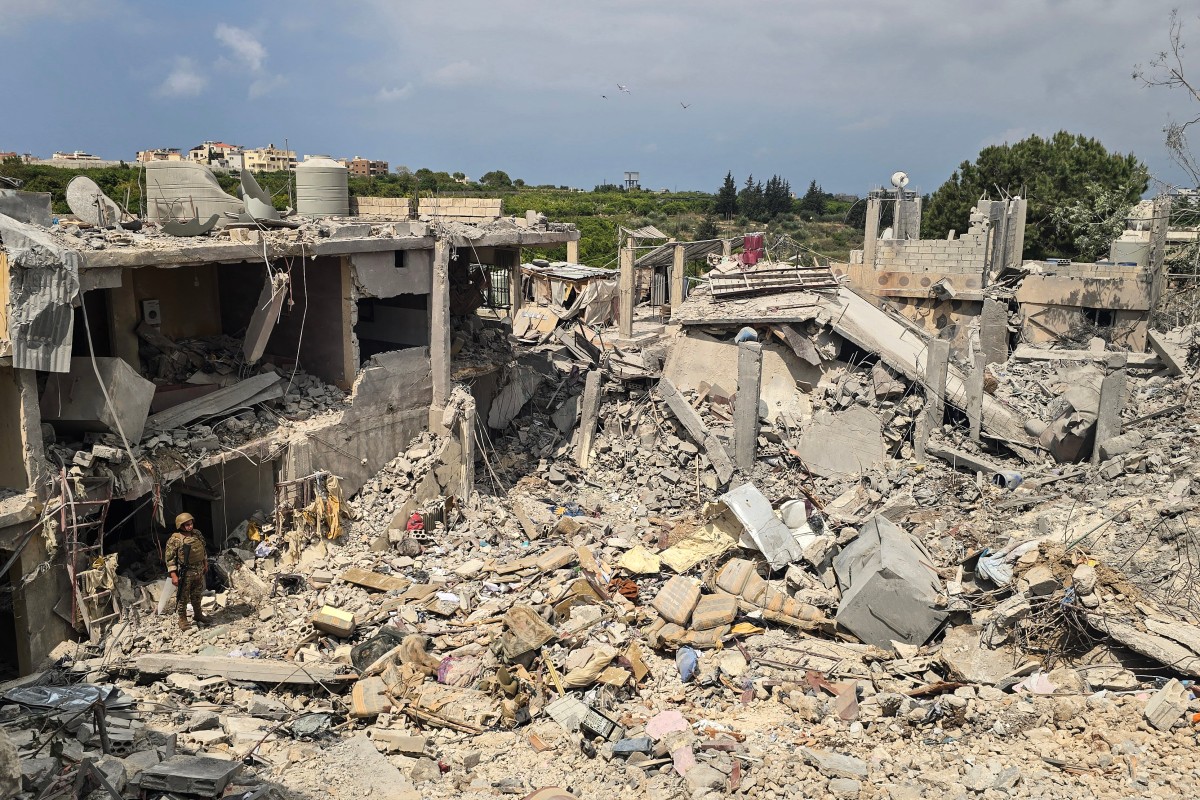
Yesterday, the city of Tyre was threatened—a city that carries the fragrance of Phoenician and Roman history. The ancient Phoenician city, its archaeological heritage, the stronghold and launching site of Imam Musa Al-Sadr, and the resting place of the Virgin Mary, Our Lady of the Seas. The Roman city, home to a hippodrome—the second largest chariot racing track of the ancient world—and the Crusader Cathedral of Tyre, built with red granite columns and ancient Roman stones.
This Tyre has awakened the world. Diplomacy moved, even within Lebanon, and contacts were activated with international organizations, reaching the United Nations, to save the stone, in recognition of its historical value and what it represents for the country as a civilization spanning thousands of years.
But the paradox remains: the world that moves in the face of imminent danger to stone does not show the same urgency for human life. People die, are injured, or live with lifelong disabilities caused by war, yet there is no comparable movement to protect them.
Yesterday’s events reminded me of an article I wrote during the 2006 July War, titled “I Wished I Were a Dog.” I wrote that during that war, everyone holding a foreign passport was evacuated via the Zouk Mikael port, and they were not allowed to take their dogs and cats with them. Instead, the animals were placed in cages on the shore to be cared for by associations.
When the news spread, an American state quickly decided to adopt those pets out of concern for them, and upon transferring them to America, they were first provided psychological treatment before being offered for adoption to families capable of caring for them according to specific standards.
I remember then that I, like many others, envied those dogs and cats and the care they received, while we humans—Lebanese and residents, around four million—remained under shelling, with no one attending to our psychological or physical suffering.
It is a relief that the world moves to save the city of Tyre, yet it is deeply regrettable that it does not move with the same urgency to save human lives—here and everywhere—where humanity becomes abundant and replaceable, giving rise to others who, over time, become not just numbers, but forgotten numbers.
Disclaimer: The opinions expressed by the writers are their own and do not necessarily represent the views of Annahar.