

Where did Egypt’s wild animals go? From ancient “Egyptian” species to modern ecological change
Wildlife in Egypt is disappearing from daily life as urban expansion, climate shifts, and invasive species reshape the country’s fragile ecological balance.



 Messenger
 Whatsapp
 Threads
 Email
Email
 Print
Print
 X
X
 Facebook


.jpeg)
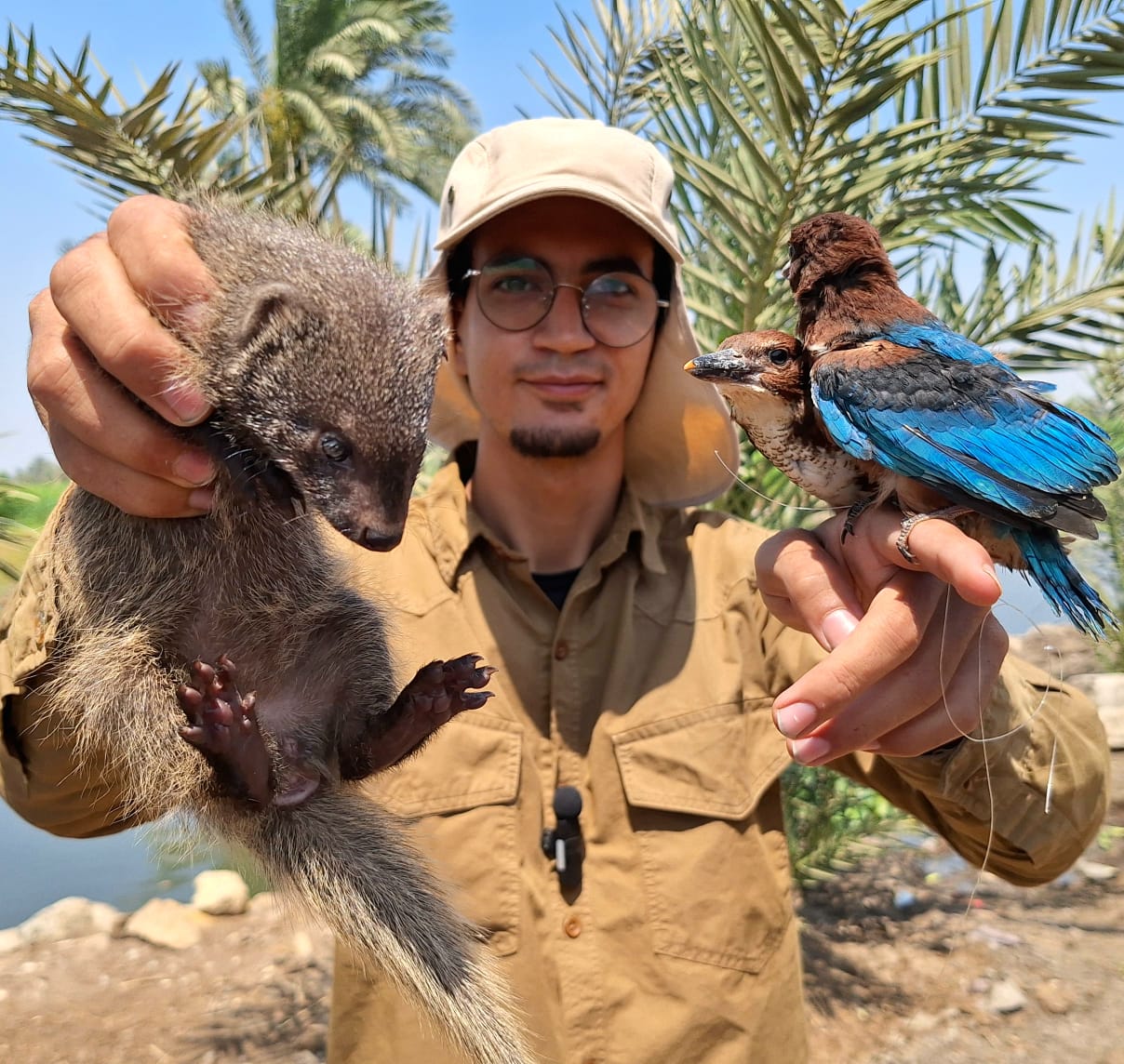
Also included are the “Egyptian wolf,” “Egyptian red fox,” “Egyptian kingfisher,” “Egyptian mongoose,” “Egyptian mastigure,” “Egyptian jerboa,” “Egyptian frog,” “Egyptian sole,” “Egyptian grasshopper,” and others.
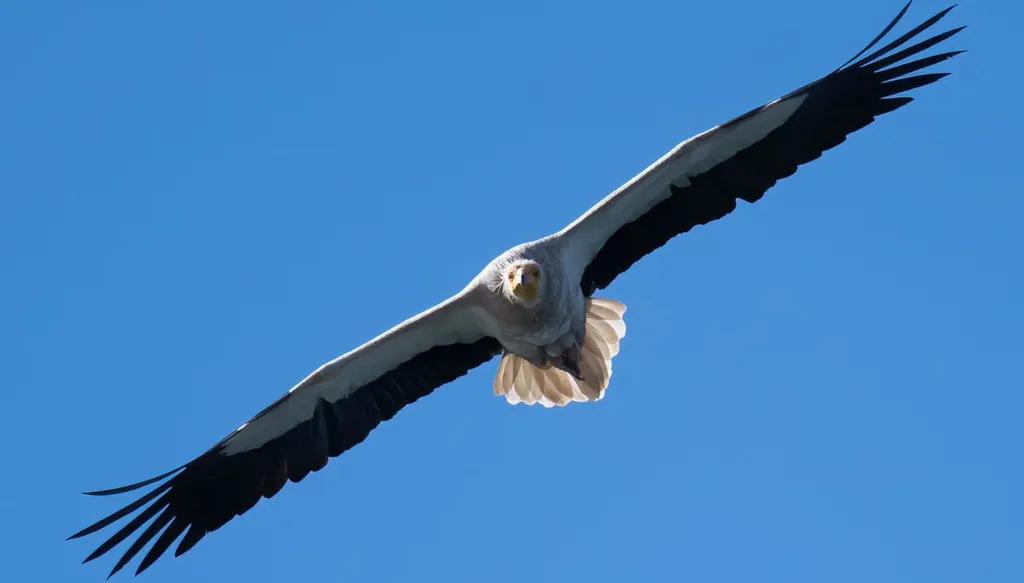
One of the most endangered species is the “Egyptian vulture,” whose global population is below 36,000 birds. Wars in the Middle East threaten its migration route between Africa and Europe, which it follows twice a year.
But the rest of these creatures seem to have disappeared suddenly or become extremely rare.
Where Did the Wild Animals and Birds Go?
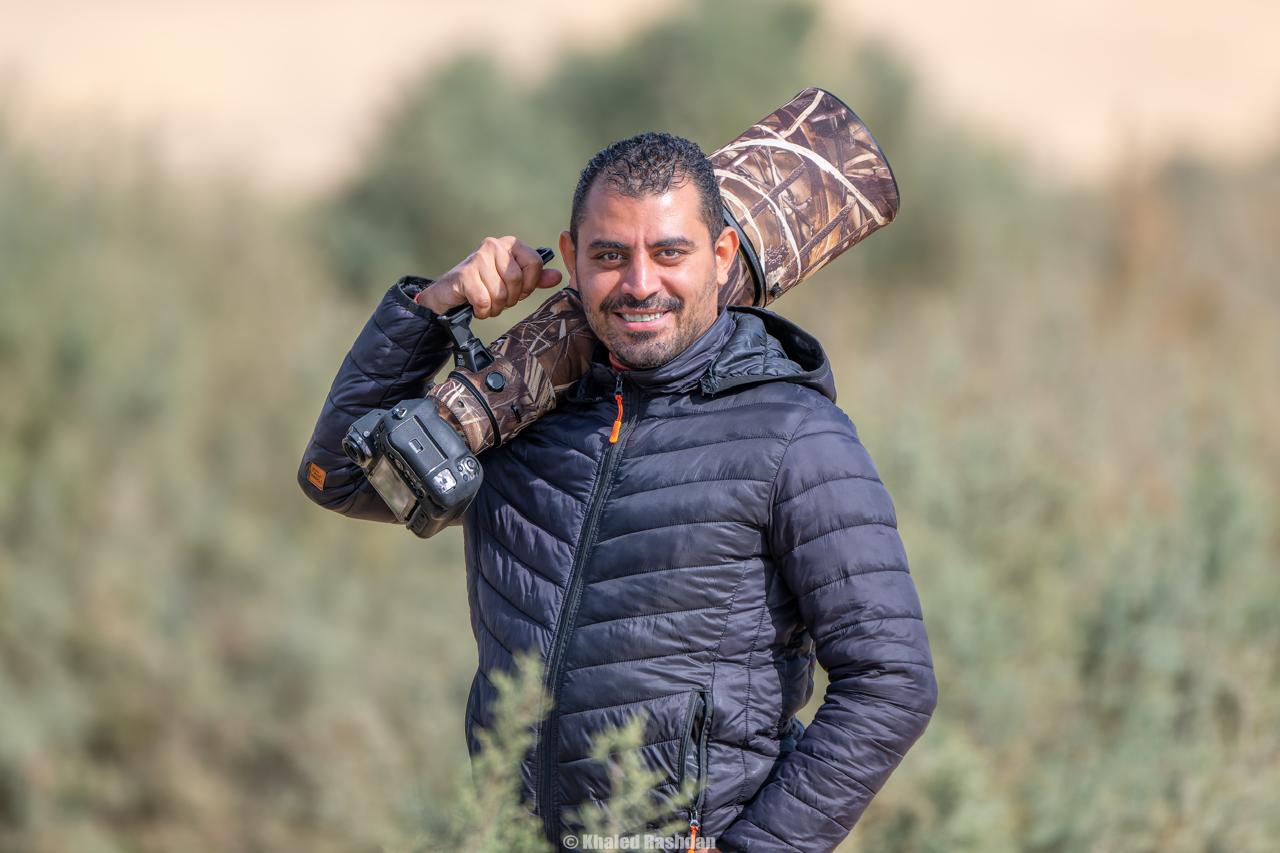
Ahmed El-Sheshtawy, Vice President of the Egyptian Society for Wildlife Photographers, told “Annahar”: “As wildlife photographers, we see these creatures, but it is not easy at all. We travel long distances and roam around Egypt to see them.”
El-Sheshtawy adds: “Between 60% and 70% of them are nocturnal. For instance, the mongoose, wolf, and owl are nocturnal creatures, and they are often found in remote areas.”
He lists the locations of these animals: “We often see them in nature reserves, such as Marsa Alam, Sinai, Ras Mohammed, Nabq, Siwa, and the oases.”
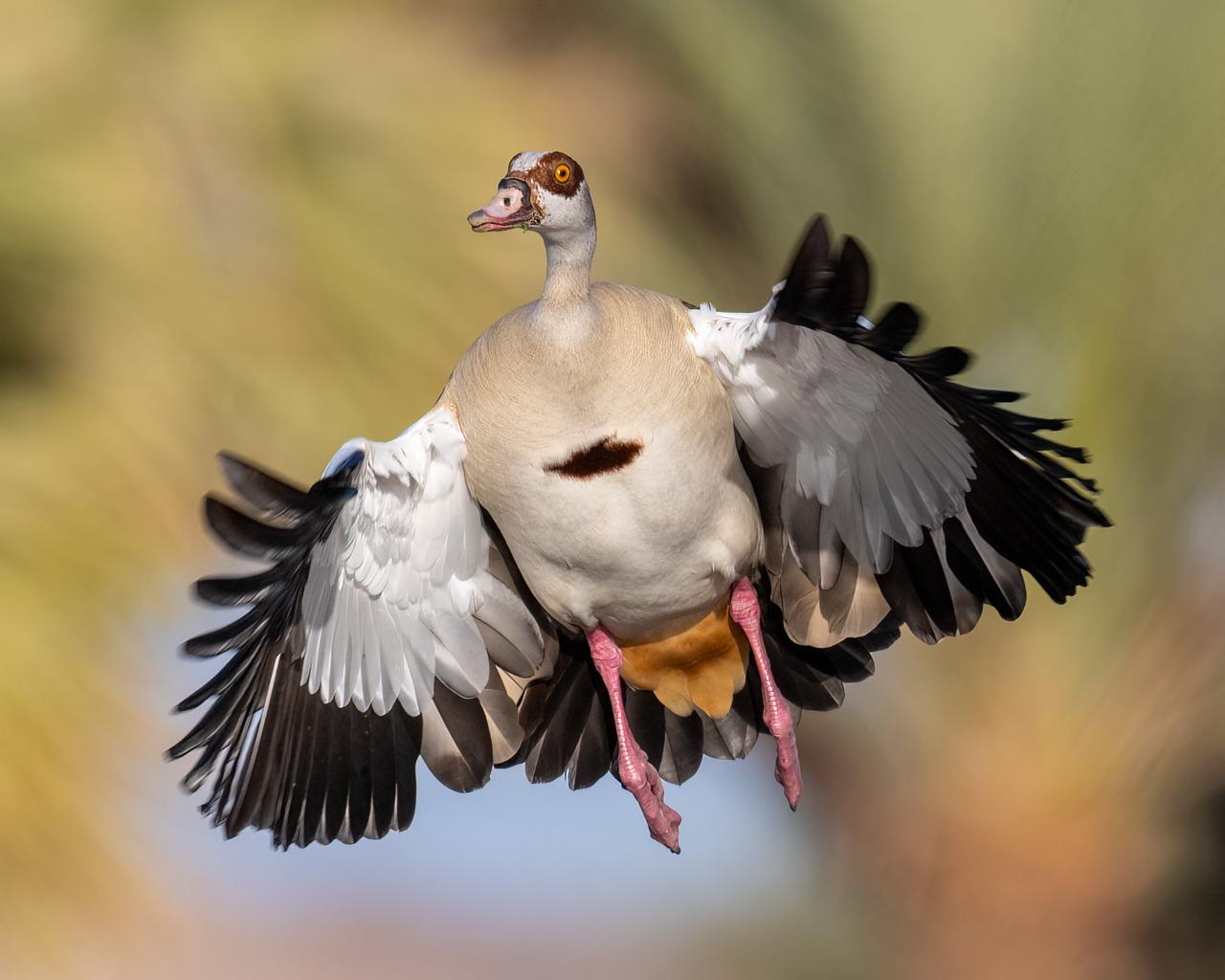
The Egyptian goose used to be widely distributed along the banks of the Nile River, but it has become rare today. El-Sheshtawy says: “I saw one goose in Aswan. When I visited Kenya last month, I saw large numbers of them.”
Documenting Wildlife in Egypt
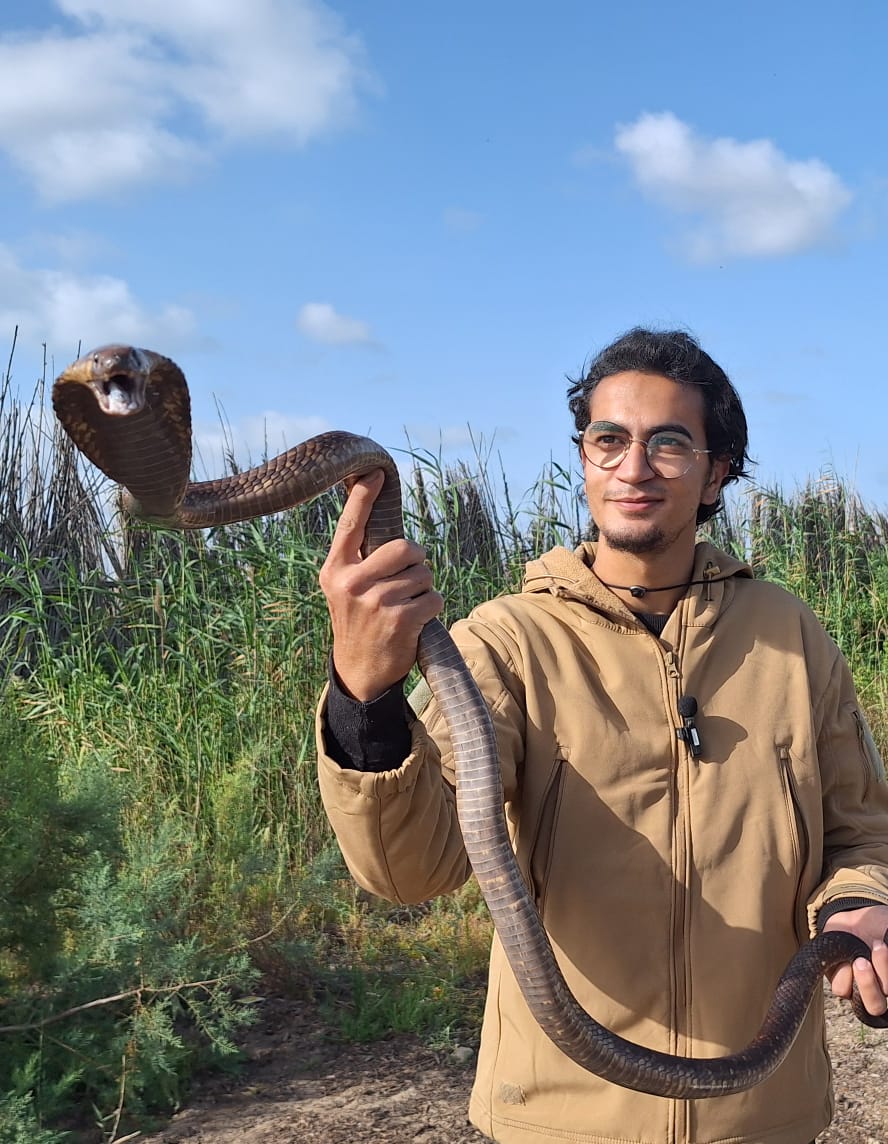
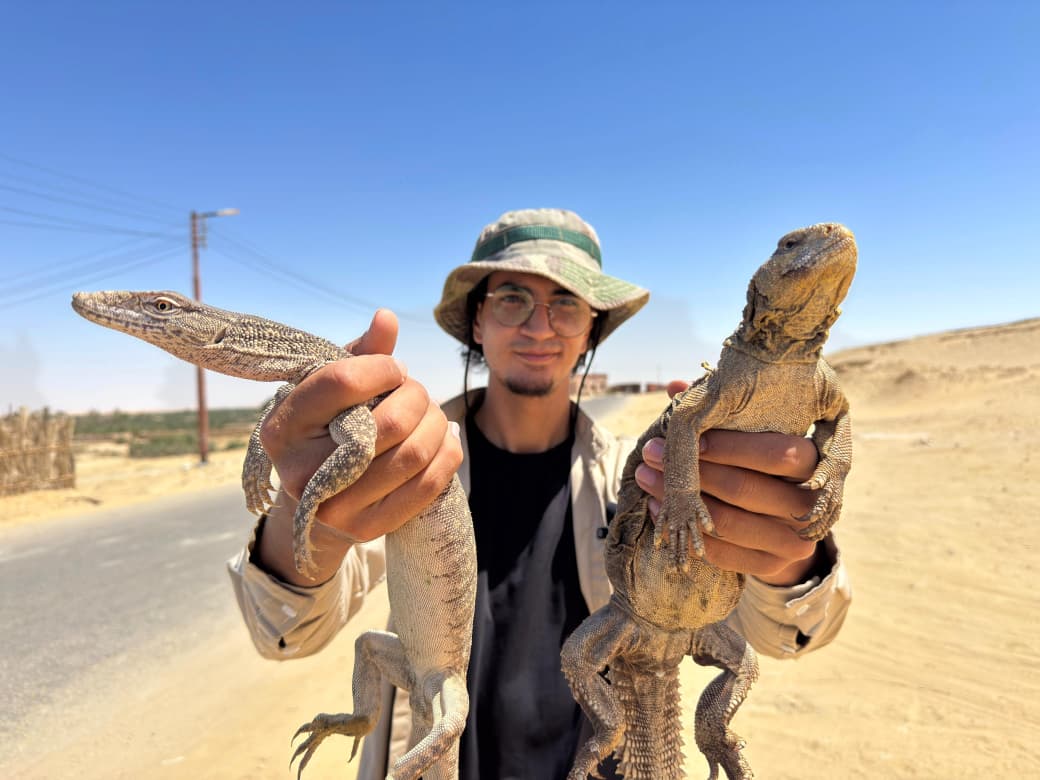
Content producer Mohamed Wagih provides evidence of the existence of these animals in Egyptian nature through videos he publishes on Facebook, YouTube, and other platforms, attracting more than 1.5 million followers. He also shows that spotting these creatures is a real challenge, sometimes taking hours or even days to film them.
Wagih told “Annahar”: “There are species still present in Egypt, such as the fruit bat, wolf, and mongoose. Other species associated with ancient Egyptian civilization are rarely seen here, despite being abundant in other countries, such as the vulture and goose.”
He notes that the Egyptian mongoose is found in the Nile Delta area, like most creatures associated with this country. The cobra is found there as well, and also lives along the northwestern coast, while the Egyptian wolf is widespread in the Fayoum Governorate and the southern regions of Upper Egypt.
The content creator explains that “there are other creatures living in the deserts, including some that inhabit the Nubian area in southern Egypt. They differ from their counterparts in the delta due to the influence of the African climate, more so than in northern areas close to the Mediterranean Sea. Thus, there we find the Nubian cobra and the Nubian ibex, and some of the few areas where Egyptian geese can be seen.”
Nature Reserves and Urban Expansion Changing the Landscape
The inhabitants of Egypt live on less than 6% of the country’s area, which is approximately one million square kilometers, mainly along the banks of the Nile River. The urban population is estimated at about 46 million, compared to 62 million in rural areas, while the desert covers about 90% of the country’s total area.
Approximately 5,000 years ago, desertification began creeping into North Africa, leaving a marked impact on the natural environment. However, the population explosion over the past century has had the greatest impact, with the population rising from 14 million in 1926 to nearly 108 million recently, leading to massive urban expansion that has affected the habitats of many of these creatures, accelerating their migration or decline in numbers.
The government began expanding the establishment of nature reserves in the 1980s, reaching 30 reserves that cover about 14.9% of the country’s area. According to the “Egyptian Biodiversity Strategy and Action Plan 2015–2030,” the government aims to increase this percentage to 17%.
While the presence of “Egyptian” wild animals has dwindled from the daily scene, other species have increased significantly in number, sparking debates about their impact on ecological balance.
Among the prominent species are “street dogs,” whose numbers are estimated in the millions, along with cats, and, more recently, the Indian myna bird, described as “invasive” and accused of disrupting the natural balance and killing smaller local creatures, threatening further ecological disturbances and the decline of additional species into rare or endangered status.