Inside Lebanon’s southern border villages: Life under isolation, war, and humanitarian strain

Lebanon 30-05-2026 | 09:30

Inside Lebanon’s southern border villages: Life under isolation, war, and humanitarian strain

Amid escalating conflict and road closures in southern Lebanon, residents endure growing isolation while local NGOs like “Nawraj” work to sustain education, aid, and economic survival in besieged border communities.


Inside Lebanon’s southern border villages: Life under isolation, war, and humanitarian strain
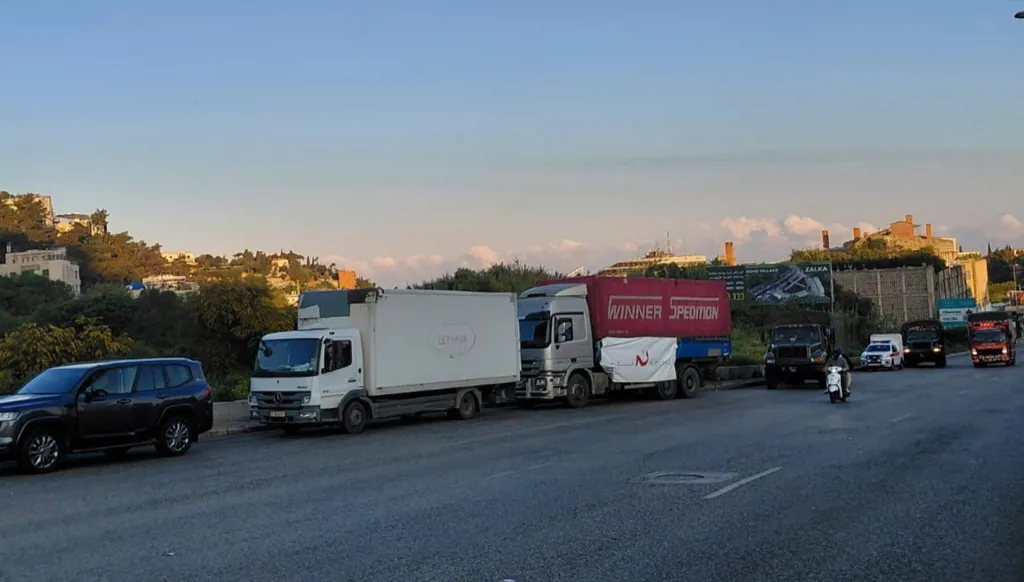
Norg aid convoys.
Smaller Bigger


In the southern border villages, life is unlike anywhere else. A different kind of prison is being built: roads are being cut off, and dangerous isolation is deepening as Israel expands its yellow line, while fear and uncertainty accompany approximately 20,000 people who remain attached to their land despite the war and ongoing anxiety.


Amid this reality, a painful incident encapsulates the magnitude of the suffering. It is the story of a man from the village of Debel who felt severe chest pain during the night, but the inability to reach the Red Cross and the difficulty of leaving the village prevented his rescue, and his family found him deceased in the morning.


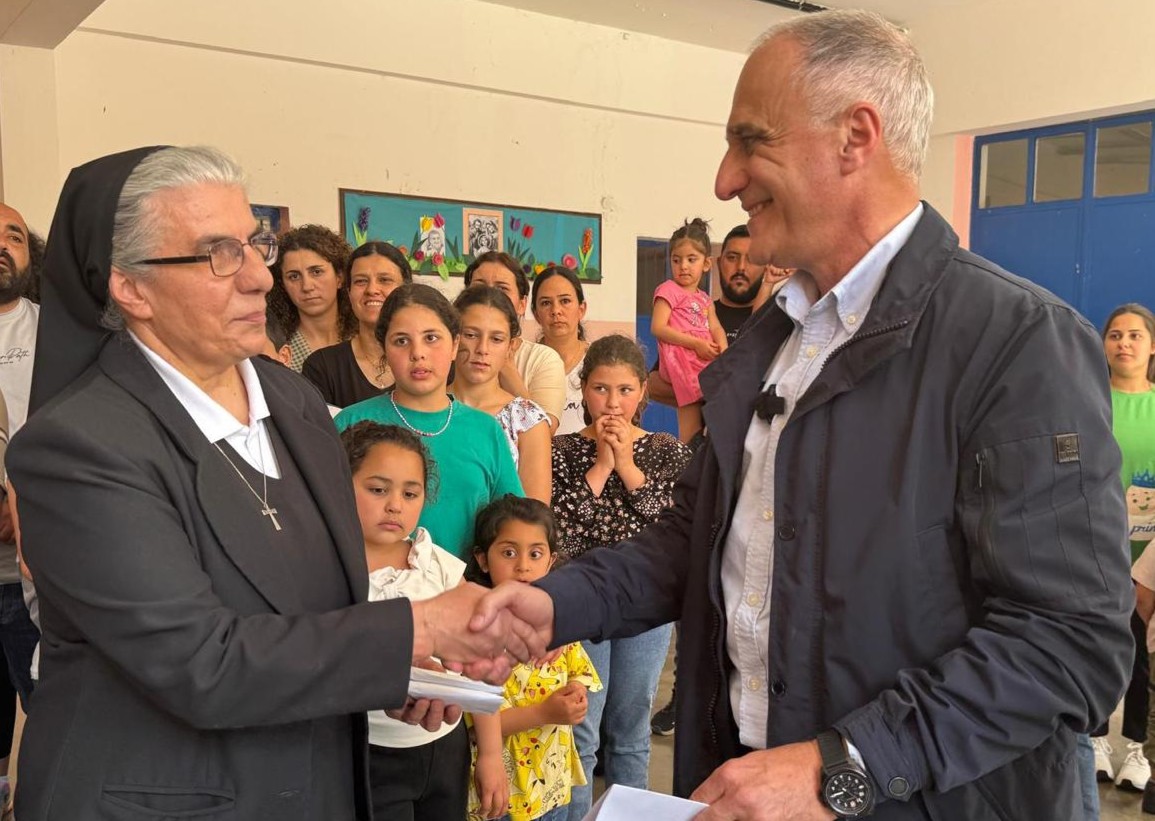
In this context, the Nawraj association continues its work in about 15 border villages, attempting to provide the minimum means of resilience for the besieged inhabitants.


The founder of the association, Fouad Abu Nader, says in an interview with Annahar that “Nawraj” was established in 2010 to work “in areas where others do not want,” noting that since then the association has worked with peripheral villages from the north to the south, “from Alma al-Shaab to Qoubaiyat.”


Furthermore, he confirms that, since the outbreak of the war on October 8, 2023, the association has been present on the ground, explaining that the first steps involved “containing the shock among residents who have been living the Via Dolorosa since 1967 in a state of anxiety and continuous war due to those claiming to liberate Jerusalem.”


At the time, the association gathered the mayors of 15 Christian villages and held a press conference at the Catholic Media Center to affirm that “these villages are peaceful and have nothing to do with the war.”


In parallel, a follow-up committee was formed, conducting political and social contacts with associations, diplomats, and foreign countries “to convey the voice of the inhabitants who remained in these towns.” Meanwhile, on the ground, “Nawraj” divided its intervention into three main phases:


The first phase focused on humanitarian aid, distributing fuel, baby formula, and medicines, among other things, and setting up satellite communication devices in five municipalities to ensure uninterrupted communication.


It also worked to maintain the presence of the state within the villages. Abu Nader explains that the association sought to keep police stations open in towns such as Ain Ebel, Rmeish, and Debl, despite the evacuation of the Lebanese Army from some areas, and requested from the Directorate General of the Internal Security Forces to allow personnel from these areas to remain and serve in their regions, considering that the presence of Internal Security Forces centers carries significant symbolism, confirming the state’s ongoing presence on the ground.


In the second phase, “Nawraj” focuses on supporting the educational sector. According to Abu Nader, “the border area includes eight schools with about 2,700 students; thus, the association began providing financial support to the schools to help them continue,” noting that “when the school remains open, the family stays, and if the family stays, the village stays.”


Founder of the Norg Association


“Nawraj”’s work is not limited to humanitarian and educational assistance; the organization aspires in the third phase to stimulate the economic cycle under the current circumstances. For instance, in the town of Deir Mimas, “Nawraj” helped find buyers for the production of oil, honey, and olives to keep the residents productive despite the difficult conditions.


Abu Nader emphasizes that the border villages also include Druze in Hasbaya and Sunni in Arqoub alongside Christians, affirming that everyone “is experiencing the same crisis due to the war imposed on them. Therefore, we strive to assist all of these to enhance the spirit of solidarity among the residents, so we can overcome this stage with minimal damages, and most importantly, so these people can remain on their land.”


What if the security and field situation escalates?


“Nawraj” works with European, particularly French, associations to demand the establishment of a safe corridor that allows continuous communication with the residents and secures their essential needs.


Abu Nader emphasizes that what the people need most today is not food, as food supplies are still relatively available, but “life itself,” noting that the residents live in “actual imprisonment,” and their greatest fear is that the state will abandon them again as happened in previous stages.


He concludes by saying, “If these people had not stayed on their lands, there would be nothing left called South Lebanon. They are the ones who preserved the Lebanese identity of the land, and no one has the right to accuse them of treason or betrayal.” As long as the residents have decided to stay, the association will continue to stand by them because this country deserves it, and after every Via Dolorosa… a resurrection.”