Israeli forces advance toward Dibbine in south Lebanon amid strategic escalation
Dibbine’s elevated position near Marjeyoun and the Litani River gives it key tactical importance in controlling movement, surveillance, and supply routes across southern Lebanon and toward Iqlim al-Tuffah



 Messenger
 Whatsapp
 Threads
 Email
Email
 Print
Print
 X
X
 Facebook
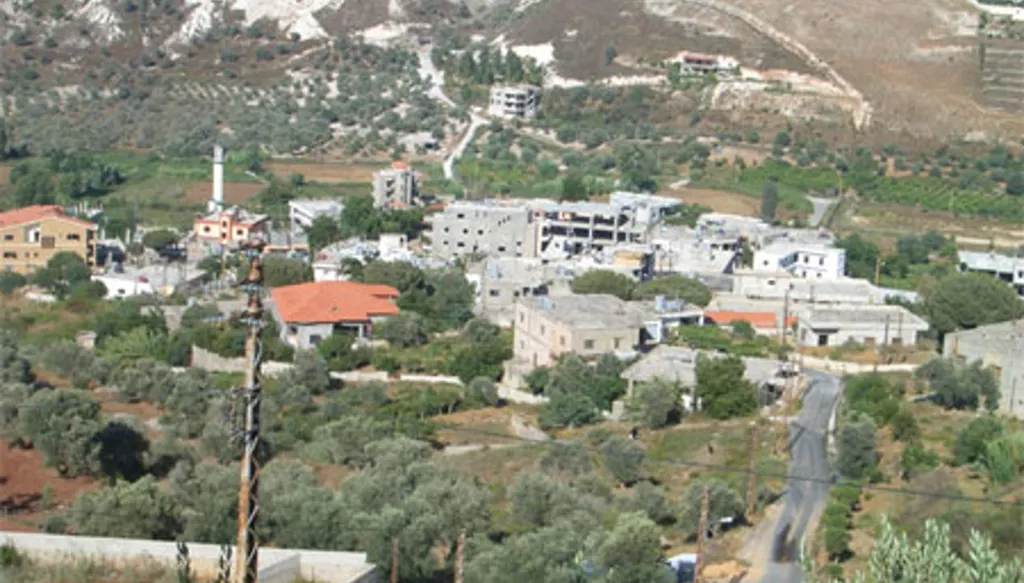
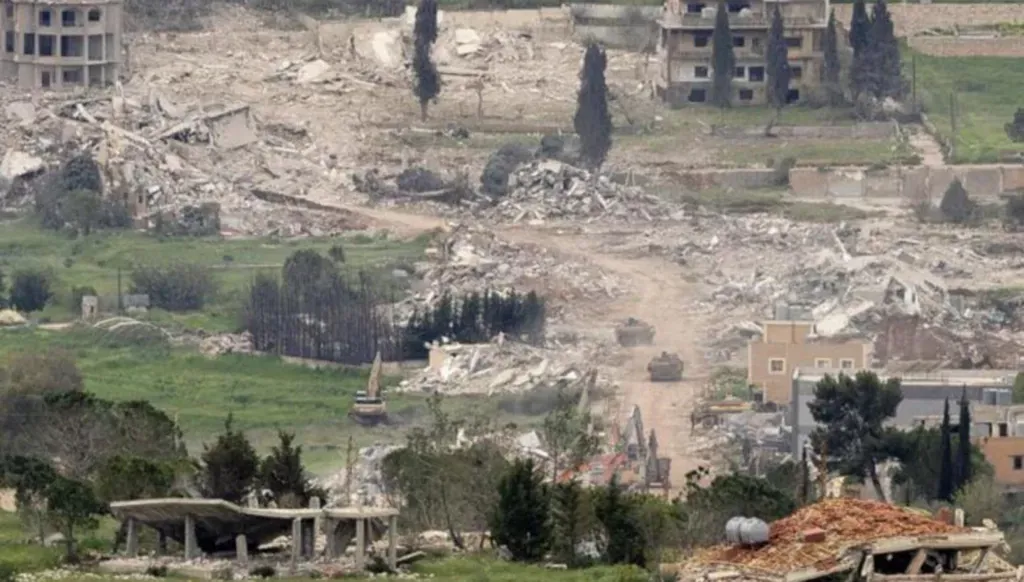


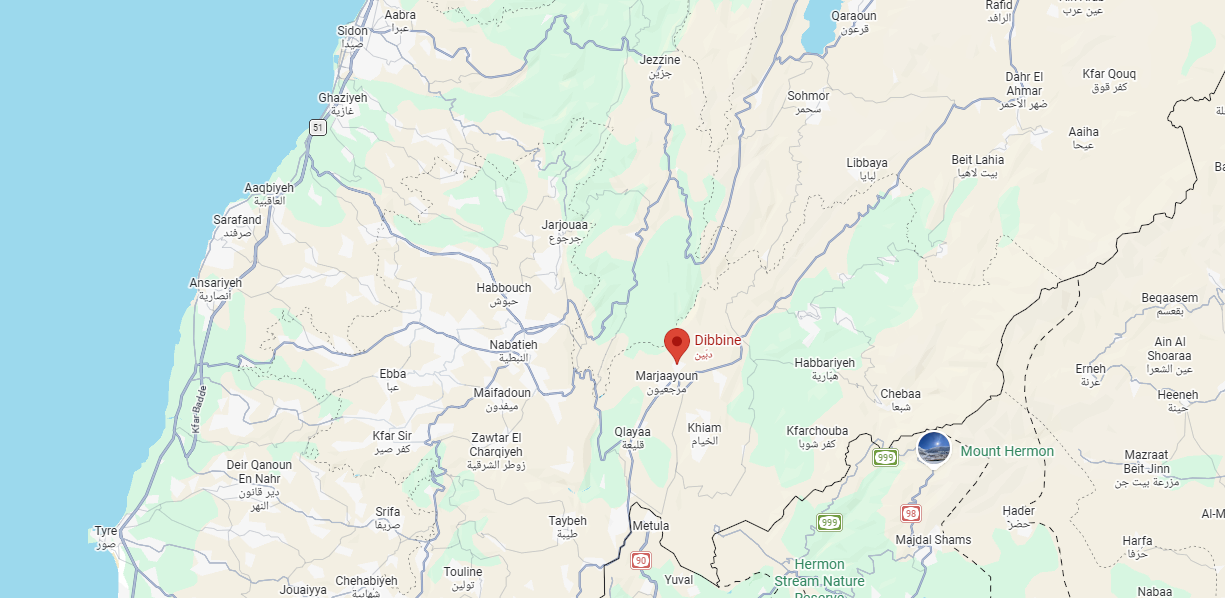
Israel is expanding its military operations north of the Litani River in southern Lebanon, where its forces have begun advancing toward the town of Dibbine in the Marjeyoun district in the Nabatieh Governorate. Israeli forces are moving toward it from the occupied city of Khiam under heavy aerial and artillery fire support.
Reports circulated on Friday morning that the town had fallen into the hands of the Israeli army.
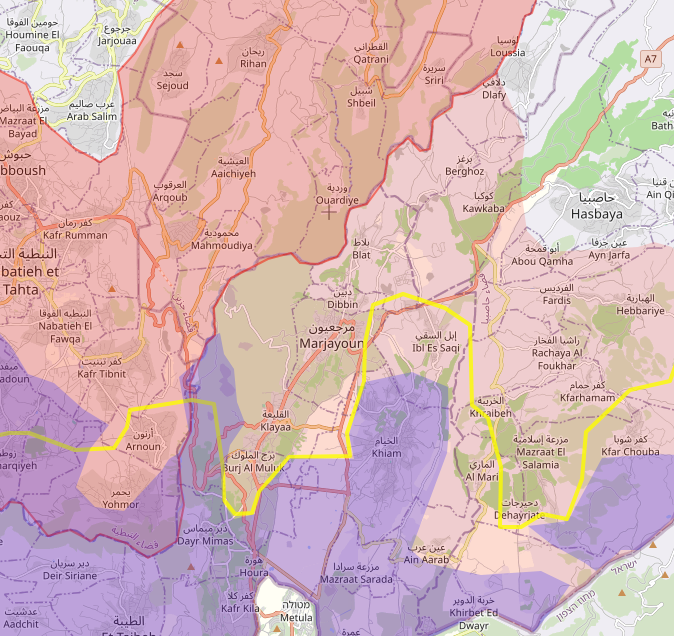
What do we know about the town of Dibbine?
- The town of Dibbine is located at an elevation of approximately 650 meters above sea level.
- It is about 100 km from Beirut, about 31 km from the center of Nabatieh Governorate, and about 1 km from the center of Marjeyoun district.
Why are Israeli forces trying to occupy it?
- The town of Dibbine has a highly sensitive geographic location north of the city of Khiam, north of Marjeyoun, and east of the Litani River.
- It overlooks wide areas and exposes key defensive lines, and taking control of it would break the defensive line that connects the eastern sector of southern Lebanon to the Lebanese interior.
- Its capture would give the Israeli army an advanced position for monitoring and targeting areas in Iqlim al-Tuffah and the mountainous interior.
- An Israeli advance into Dibbine would also facilitate cutting supply routes and isolating areas such as Khiam, Hasbaya, and Marjeyoun.