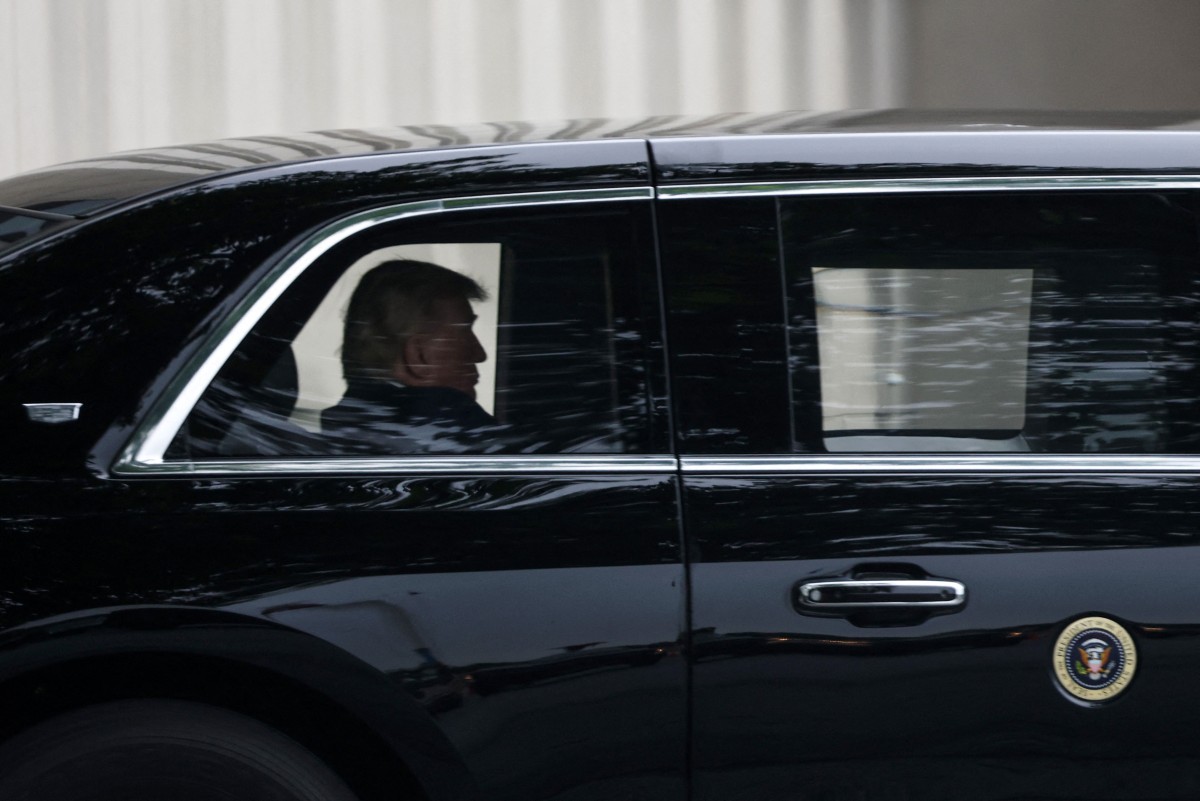
Trump faces high-stakes dilemma as Iran war talks intensify amid political pressure
Diplomatic efforts to extend a fragile ceasefire and reach a temporary understanding with Tehran are colliding with domestic political risks, rising energy concerns, and divisions within Trump’s own party over how far any deal should go.



 Messenger
 Whatsapp
 Threads
 Email
Email
 Print
Print
 X
X
 Facebook
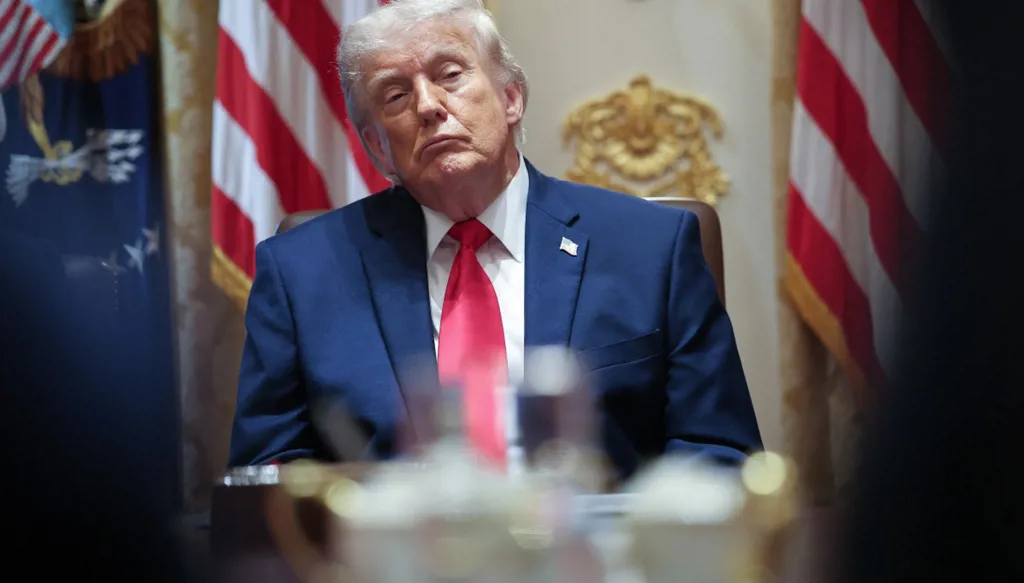


US President Donald Trump finds himself in a dilemma as he seeks to end the war against Iran. He is facing pressure to reopen the Strait of Hormuz and lower gasoline prices in the United States, while at the same time he could face a strong backlash from anti Iran hawks within the Republican Party if he makes any concessions to Tehran.
The outlines of this dilemma became clear during a week of intensive diplomatic efforts. Well informed sources said there is a preliminary agreement that would extend the current ceasefire and reduce Iran’s control over the vital Strait of Hormuz for oil supplies, while postponing discussions on Tehran’s nuclear program.
This temporary agreement, if approved by Trump and Iranian leaders, would be the most significant step toward peace since he joined Israel in the war against the Islamic Republic on February 28. It could also ease the rise in energy prices caused by the conflict.
However, it could also anger a key segment of Trump’s base, influential Republicans who are calling for finishing the job by resuming strikes to prevent Iran from obtaining a nuclear weapon, which is the main reason he stated for going to war.
A few days ago, some of Trump’s hardline anti Iran allies reacted to reports about a possible deal with criticism, saying it would amount to nothing more than what was included in the 2015 nuclear agreement negotiated by former President Barack Obama, from which Trump withdrew during his first term.
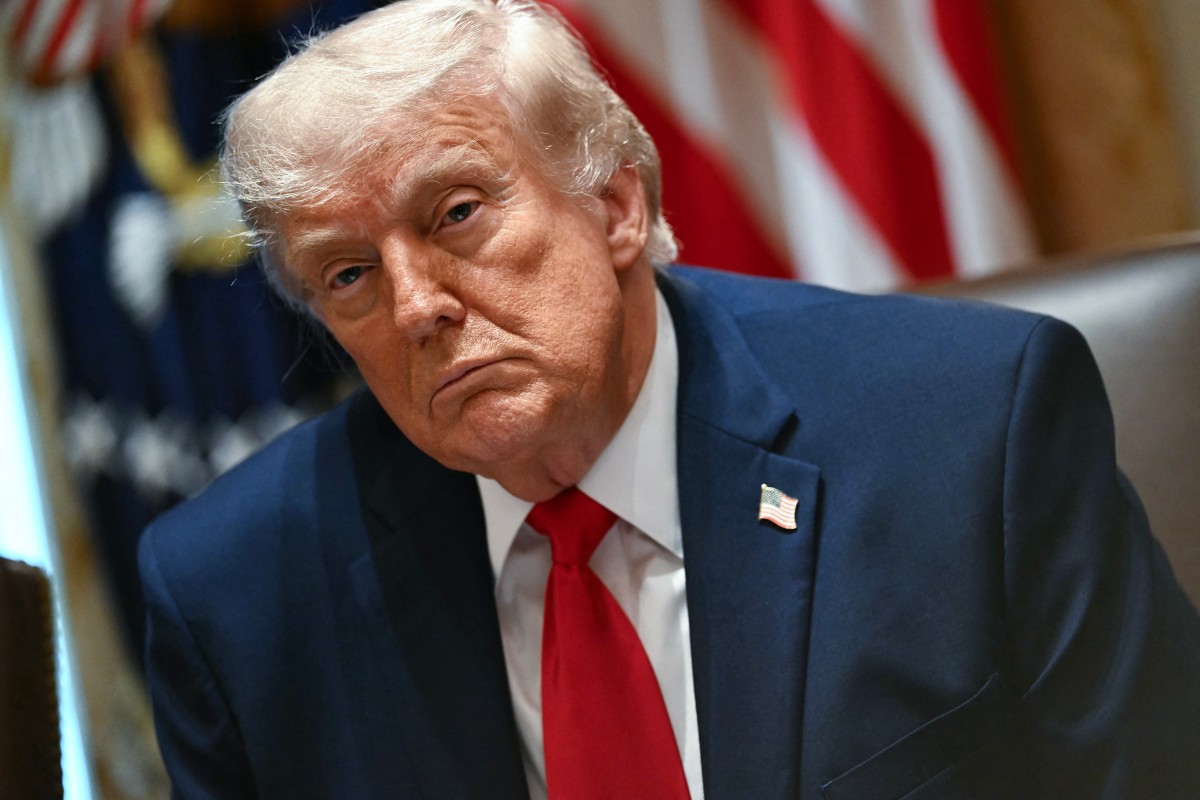
Prominent Republicans who rarely disagree with Trump, including Senators Lindsey Graham, Roger Wicker, and Ted Cruz, urged the president not to make concessions.
However, Trump denied this and insisted that he was “not in a hurry” and would only accept a “great” agreement.
Caught between demands for a quick solution to rising gasoline prices and calls to curb Iran’s nuclear ambitions, the president has very little room for maneuver.
Laura Blumenfeld, a Middle East expert at Johns Hopkins University, said that Trump’s fluctuating rhetoric and sudden shifts in positions over the past week indicate that the president is trying to end a large-scale war in any way possible.
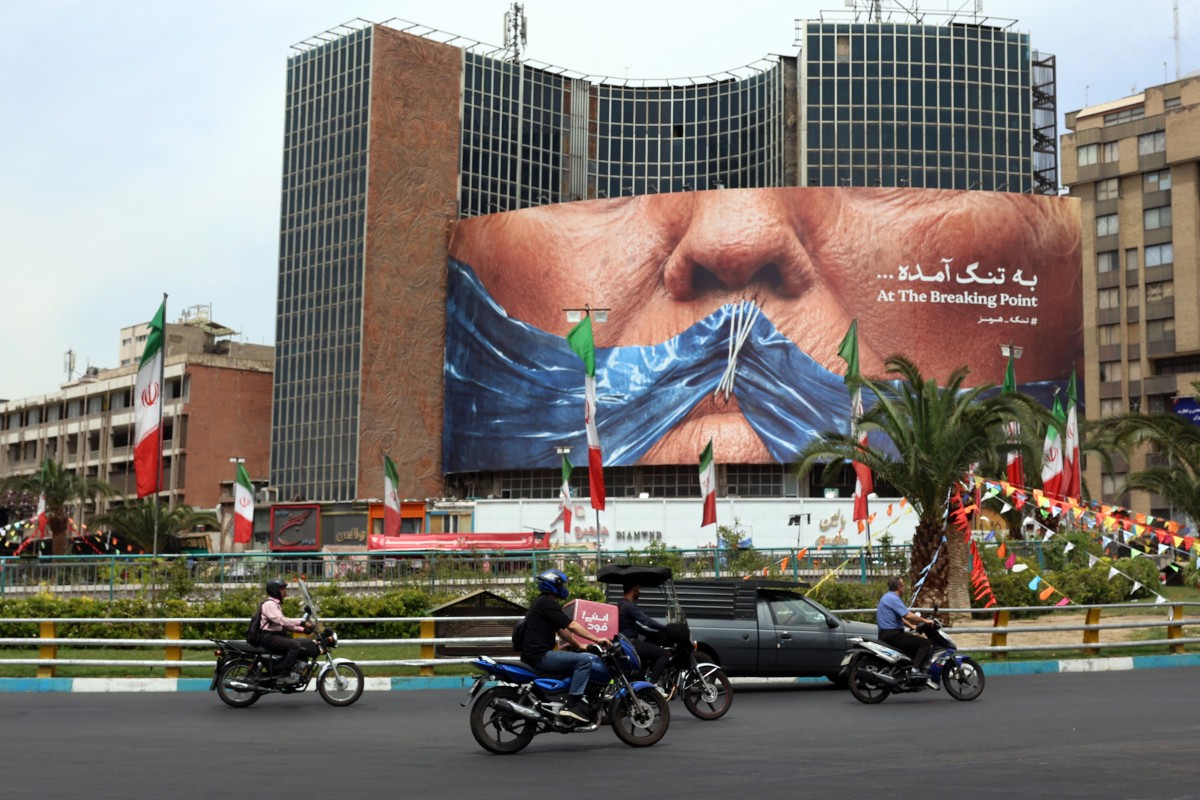
A White House official said: “Negotiations are going well, and the president has made his red lines clear.”
The official, who requested anonymity to discuss sensitive internal matters, added: “President Trump will only conclude a good deal for the American people, one that must ensure Iran can never obtain a nuclear weapon.”
Unanswered questions
Leaks to the media on Thursday regarding the terms of a “memorandum of understanding” indicate that the proposed agreement leaves many difficult questions unresolved.
These include the long term status of the Strait, the fate of Iran’s stockpile of uranium enriched to near weapons grade levels, and the details of any possible easing of sanctions.
This framework, while preventing military escalation, is at this stage still far from Trump’s previous demand for “unconditional surrender” and his pledge to dismantle Iran’s nuclear program. Iran insists that its program is for peaceful purposes only.
Jason Brodsky, policy director at United Against Nuclear Iran, a nonprofit political organization, wrote on X: “If these terms are accurate and a deal is reached, it appears the Islamic Republic would gain more than the United States in the memorandum of understanding... a commitment to further nuclear talks? Be cautious.”
The Iranian news agency Tasnim reported that the final wording of the agreement has not yet been completed. Trump has frequently repeated that a deal is imminent, but there is no guarantee that the latest attempt will succeed where previous efforts have failed.
The wave of diplomatic efforts this week took place against the backdrop of a new but limited exchange of strikes that threatened the fragile ceasefire between the United States and Iran.
Analysts say Trump appears to be trying to strike a balance between pushing Iran to make concessions on key issues and offering limited concessions of his own that would allow him to portray the outcome as a victory.
Reopening the Strait would be welcomed internationally, but Trump would essentially only be restoring the free flow of maritime navigation that had already been in place before he launched the war.
Meanwhile, time is running out for the president, whose approval ratings have fallen to their lowest levels.
Midterm elections are scheduled for November, and his Republican colleagues are struggling to maintain the party’s control of Congress. New assessments warn of deep damage to the global economy if the conflict continues.
Trump ignores the midterm elections
Iran appears to be seeking some preemptive sanctions relief to support its struggling economy, something Trump critics fear he may agree to in pursuit of a deal to end the war.
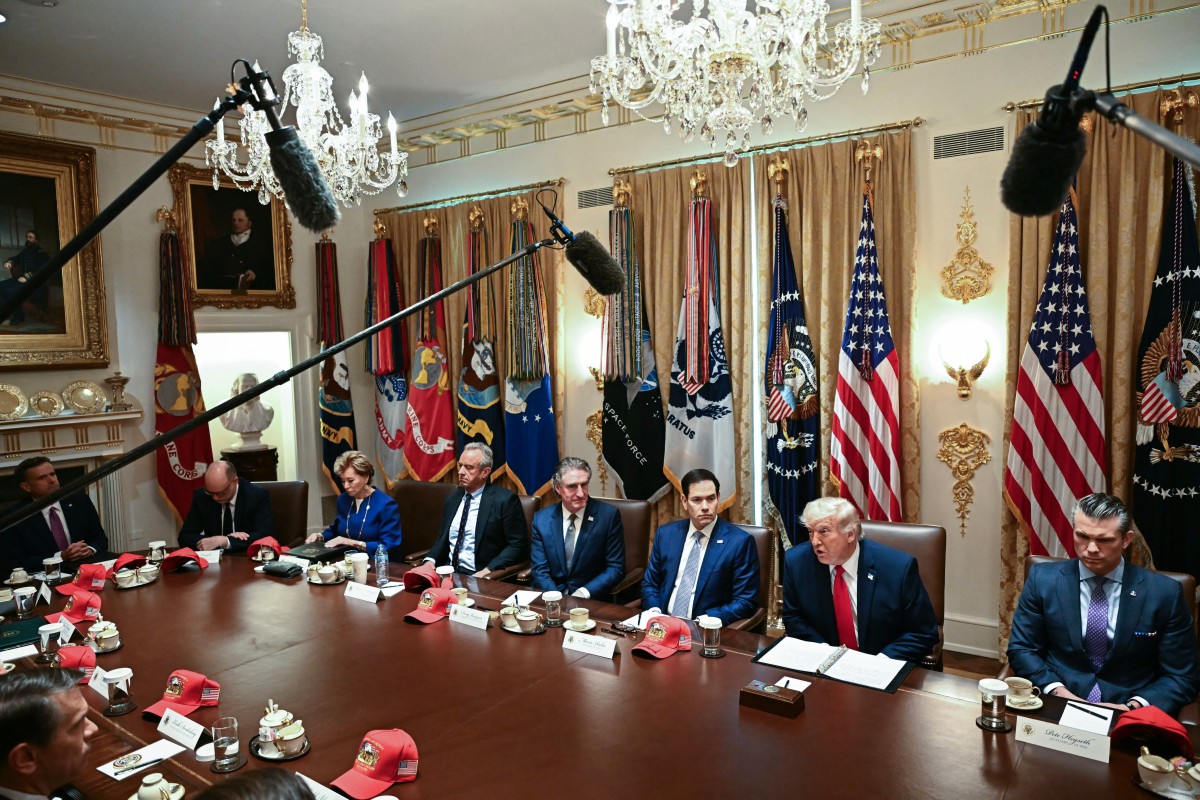
However, during a cabinet meeting on Wednesday, Trump appeared to respond to his critics by reaffirming his hardline positions and insisting he was unconcerned about the midterm elections. His aides, in private conversations, expressed concern that rising gasoline prices could damage the Republicans’ electoral prospects.
Analysts believe Iran has shown confidence that it holds the upper hand after demonstrating its ability to withstand the military attack and deprive the world of one fifth of its oil supply.
John Alterman from the Center for Strategic and International Studies said: “The president is showing every sign of wanting to end this quickly… and that is making the Iranians hold firm.”
The events of recent days are not new for a president who campaigned on avoiding unnecessary wars only to later drag the United States into a war without providing a clear rationale.