

Tyre: A living archive of sea, stone, and memory in southern Lebanon
An integrated reading of Tyre’s archaeological landscape, intangible heritage, and layered religious and cultural history from the Phoenician period to the present.



 Messenger
 Whatsapp
 Threads
 Email
Email
 Print
Print
 X
X
 Facebook


It is one of the most complex cities on the eastern coast of the Mediterranean in terms of the temporal layering between geography, the sea, urban development, and memory. It is the city of Tyre in southern Lebanon.
It is a major Phoenician city whose name, in both ancient and modern narratives, has been associated with purple dye from the sea, long distance trade, and the establishment of the prosperous Mediterranean colony of Carthage.
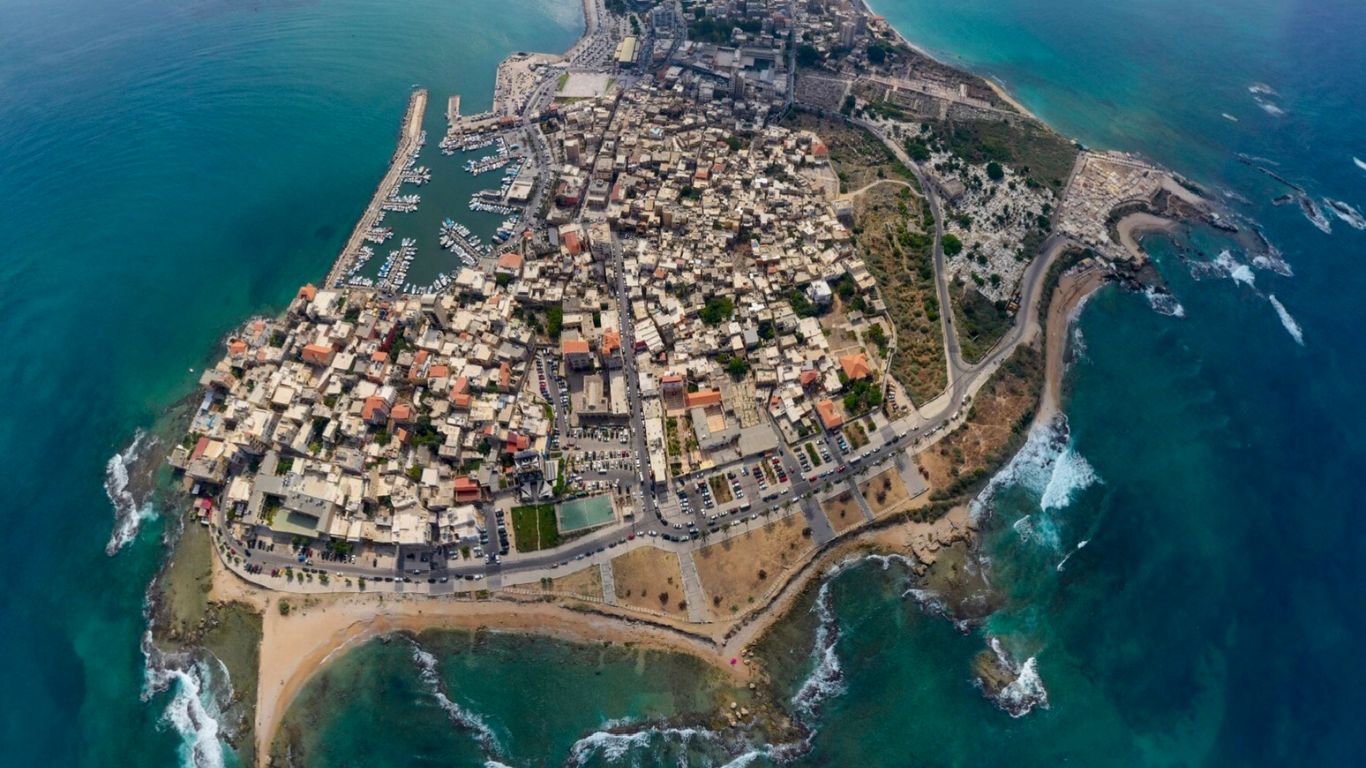
It was later transformed by Alexander’s land reclamation in 332 BC from an island city into a peninsula. This geomorphological transformation changed its urban and economic history without severing its essential connection to the sea.
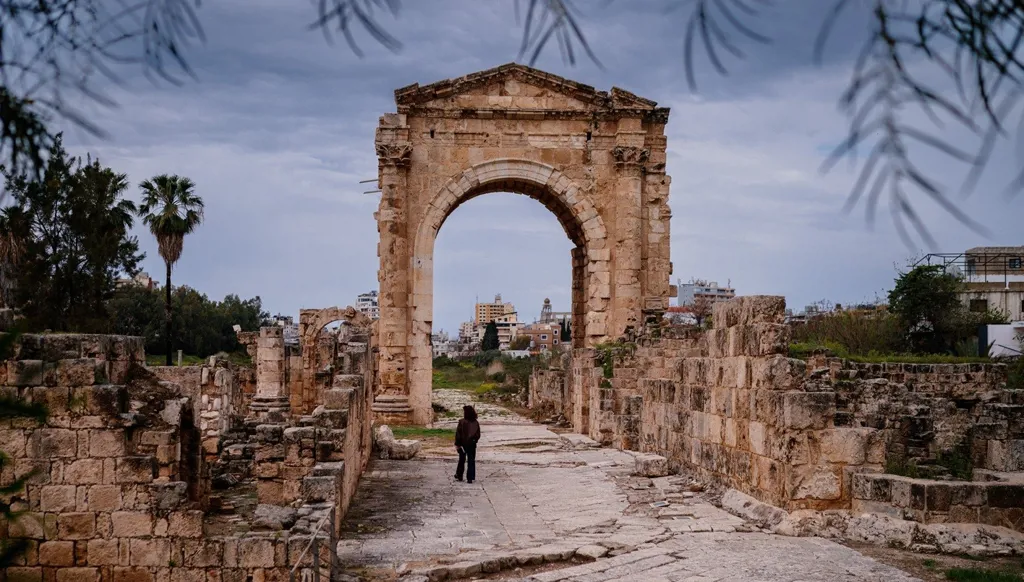
Today, the outstanding universal value of the site, as defined by UNESCO, is based on two main components. The first is the city’s location on the maritime headland. The second is the site of al Bass on the mainland, which includes a necropolis, a triumphal arch, an ancient road, a water channel, and one of the largest Roman hippodromes in the Roman world.
The history of Tyre shows that the city did not change through the transformation of a single ruling power, but through the transformation of the relationship between urban development and its site: from an island to a peninsula; from Phoenician and commercial harbours to a Roman representational landscape; from a Christian city to an Islamic Mediterranean coastal centre; from a fortified Crusader city to a reduced local centre with a diminished role; and then to a modern Lebanese city in which antiquities are read within a dense, living urban fabric.
Archaeological inventory and material landscape
What most distinguishes Tyre archaeologically is that its elements are not read as separate points, but as an integrated system extending from land to sea.
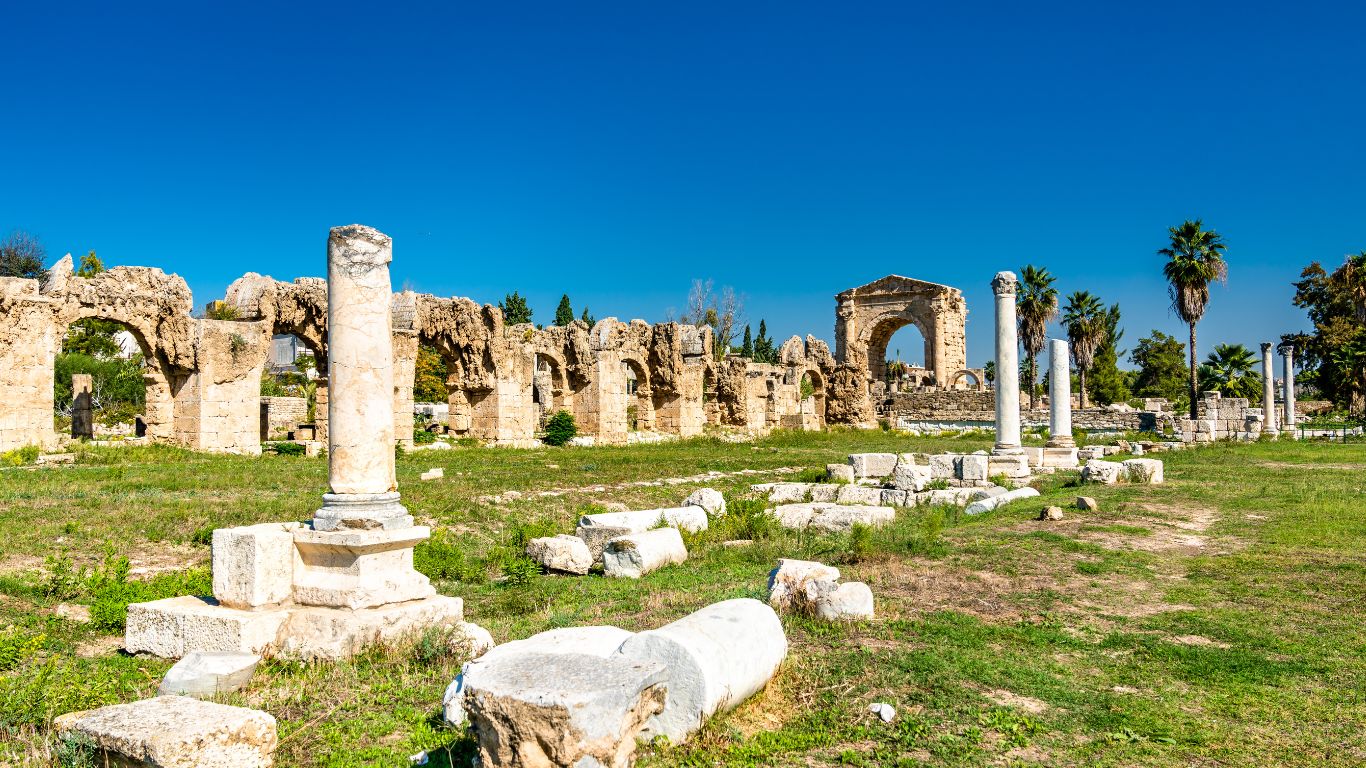
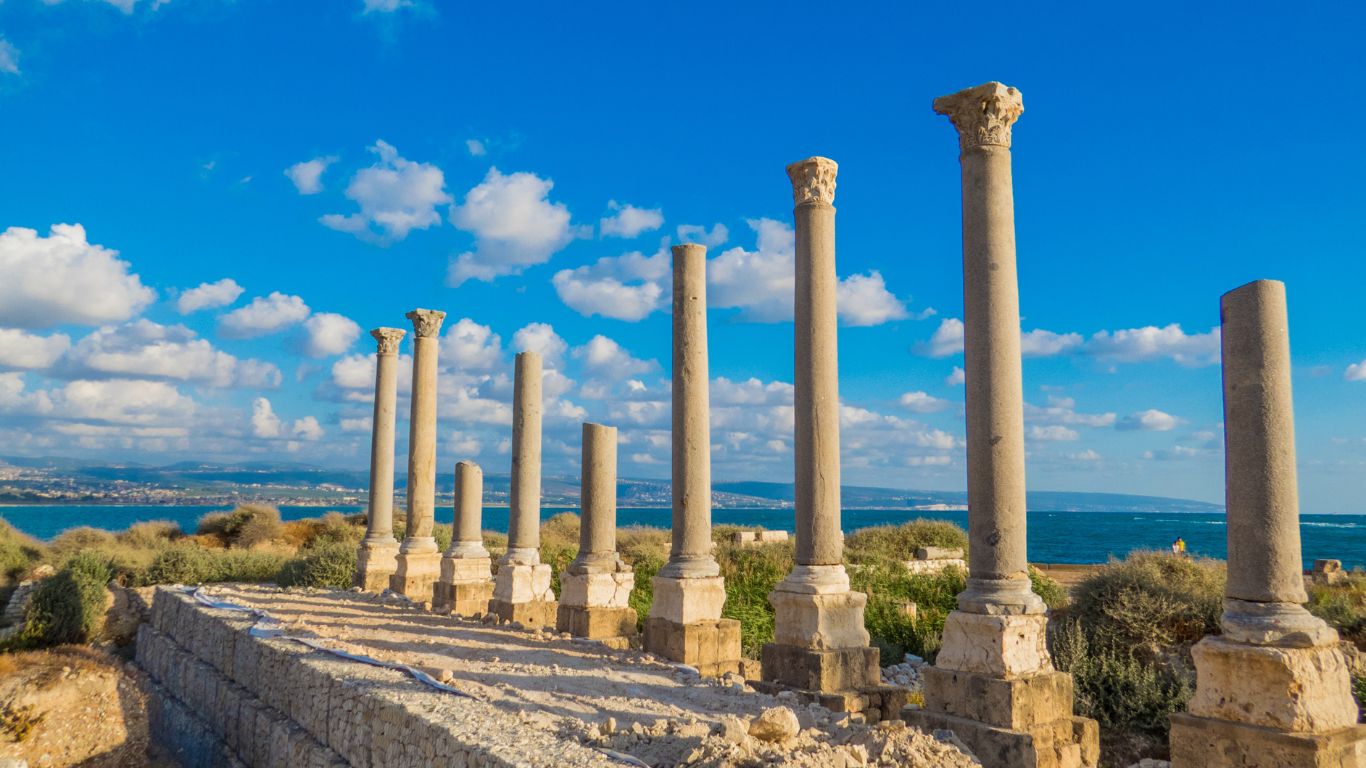
In the city site, which is located on the maritime headland and former island, the main features include the remains of Roman baths, the arena, the Roman street, and the residential quarter, as well as the remains of the Latin cathedral built in 1127 by the Venetians, parts of the Crusader fortress walls, along with the bath complex and basilica, water reservoirs, canals, and decorative marble panels.
Together, these elements expand the understanding of the site from being vast archaeological ruins to being a record of urban, decorative, and symbolic material culture.
As for the Al Bass site, it is the ancient mainland gateway to the city and uniquely combines funerary structures with transversal urban structures. It contains the necropolis extending along both sides of a wide ancient road, above which rises a Roman triumphal arch dating to the second century AD.
Nearby are the water channel coming from Ras Al Ain and the chariot racing track from the same second century, which is one of the largest surviving examples from the Roman world.
The area also includes numerous stone and marble sarcophagi, mosaics, and Greek inscriptions in a funerary and ecclesiastical context, making Al Bass a laboratory for reading the transition from Phoenician burial practices to Roman and Byzantine ritual traditions.
In the southeastern corner of the Al Bass area, a Phoenician cremation cemetery was uncovered in 1997. In modern scholarship, it is considered one of the richest pieces of evidence for Tyrian funerary practice in the Iron Age, with approximately 320 cremation urns documented in the first published excavations, along with a homogeneous ceramic assemblage linked to preparation and consumption rituals, especially drinking and wine in a funerary context.
This cemetery is significant because it provides a direct material link between Tyre as a trading city and Tyre as a ritual city, and it reveals a more egalitarian social structure in Phoenician burial practice compared to the more clearly stratified social display seen in Roman period tombs.
With regard to harbors and underwater remains, modern maritime studies have elevated the maritime dimension of Tyre from a mere geographical backdrop to an independent archaeological component. A 2013 survey in the northern harbor confirmed the existence of a submerged structure associated with the Phoenician harbor, and it is believed that it may represent the largest human made harbour installation from the Iron Age in the eastern Mediterranean, and possibly the oldest archaeologically identified Phoenician harbour in the Mediterranean.
UNESCO itself notes that a significant part of the city site is submerged, and that the full extent of the elements lying both on land and underwater has not yet been definitively determined.
As for the broader Tyrian landscape, extending from Ras al Ain to Shwakir and Al Maashouq, it is gaining increasing importance in research and protection. Recent surveys have revealed lithic tools from very early periods, pottery fragments from the Bronze Age, as well as water installations and built remains at Ras al Ain.
Cultural value and socioeconomic role
The cultural value of Tyre is first expressed in the fact that it is a living local memory. Here, material heritage coexists with the daily use of the sea, the ancient port with the fishermen’s port, the archaeological site with the festival season, and the modern cathedral with late period churches and the old mosque. For this reason, Tyre should be read as a continuous heritage rather than an open-air museum.
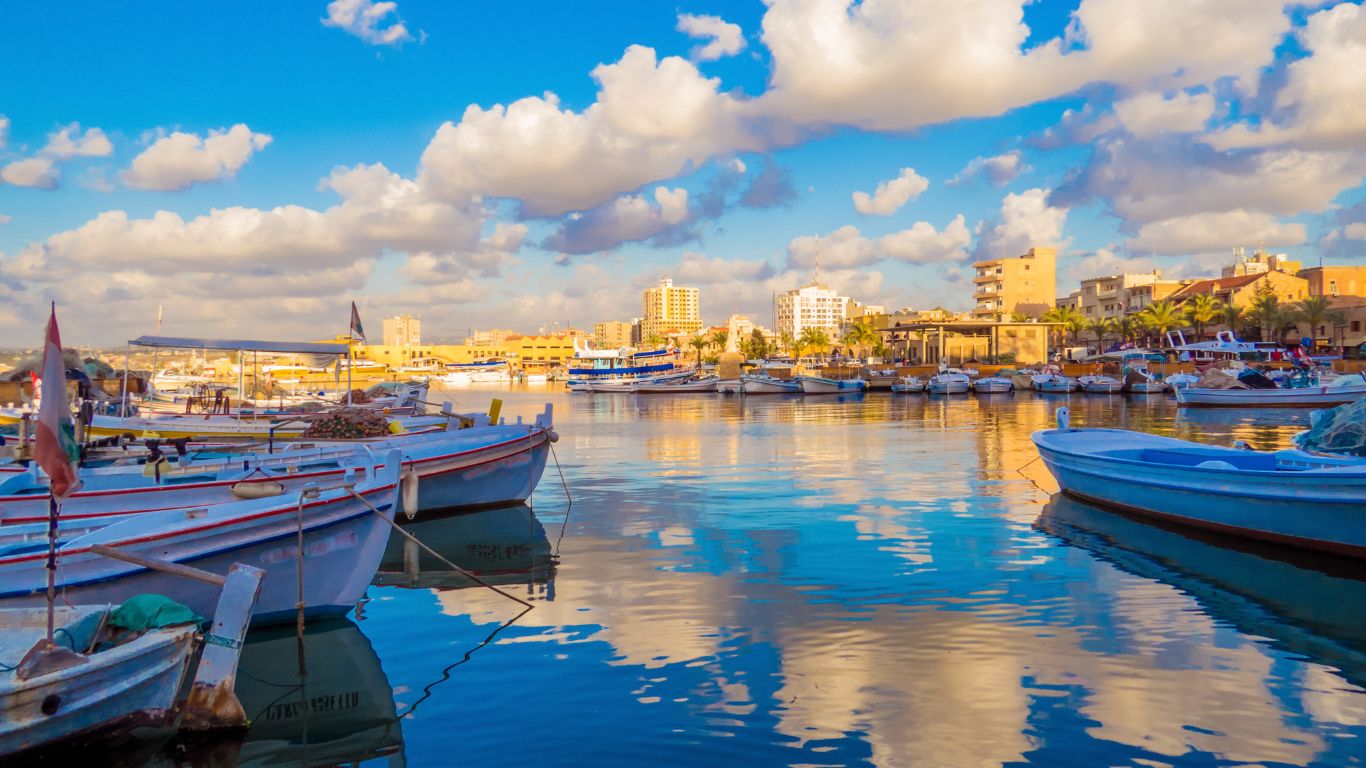
In the field of intangible heritage, the fishing community forms a central element of the city’s identity. Modern studies and ethnographic material show that the fishing way of life in Tyre is not only a profession but a system of relationships, rituals, spatial movements, and inherited skills embedded within the coastal landscape itself.
The stopping of boats due to war does not only harm income, but also breaks a long cultural connection with the sea, the harbour, daily food practices, and the rhythm of the coastal dawn. This means that fishing in Tyre is a social heritage as much as it is an economic sector.
This dimension is also expressed in the local cuisine. Tyre is a city strongly defined by fish, and recent reference materials present dishes such as "sayyadiyeh" and grilled or fried fish as part of the Lebanese coastal memory of the city. Cuisine functions as a mediator between sea, home, market, and seasonal cycles, thereby preserving the city’s professional memory within everyday life.
In religious practices, Tyre carries layered forms of sanctity. In the Phoenician period it was associated with major local cults and representations of Melqart and Heracles, as shown by iconography and specialized studies.
In the Byzantine period, churches, mosaics, and episcopal memory became prominent. In the present day, the Saint Thomas Cathedral remains a place of worship.
The Christian spiritual landscape takes on a different character from the traditional image of Lebanese mountain Christianity. It is an ancient Levantine coastal religious landscape, rooted in the memory of the sea, trade, early churches, and the early spread of Christianity through Phoenician ports.
The city is one of the earliest urban centres in the Levant to receive Christianity, to the extent that the Acts of the Apostles in the Gospel mentions that Saint Paul stopped there in the year 57 AD and spent a week among an emerging Christian community already present in the city at that time.
The early churches of Tyre were subjected to destruction during Roman persecutions and were rebuilt repeatedly, which made the Christian memory of Tyre based on the idea of continuity despite transformation, violence, and wars that the city experienced over the centuries.
Local memory also continues to recall the passage of Jesus in the regions of Tyre and Sidon according to both Gospel and popular traditions, which gave the city a symbolic place in the Eastern Christian imagination.
The Islamic spiritual landscape forms an extension of a long memory in which layers of history, the sea, jurisprudence, Sufism, and southern popular rituals intertwine.
Since the city entered the early Islamic period, Tyre became one of the coastal cities that developed mosques, circles of learning, and systems of judicial authority.
The old mosque, or the heart of this spiritual presence, is central to this history, as sources indicate that the first mosque established in the city dates back to the era of the Rashidun Caliphate, before passing through the Fatimid, Mamluk, and Ottoman periods, bearing witness to the city’s political and religious transformations.
The Islamic spirit in Tyre is expressed through a southern religious sensibility, a blend of popular religiosity, Ashura-based emotional devotion, and a calm Mediterranean coastal atmosphere. In the old neighbourhoods of the city and the towns of the Tyre district, mosques, Hussainiyas, and shrines coexist, and religious occasions, particularly Ashura, Ramadan, and the Prophet’s birthday, become part of the daily social and cultural rhythm.
The shrine and saintly dimension is also evident in the spiritual landscape of Tyre and its surroundings through historical sanctuaries such as the shrine of Shamoun Al Safa in the village of Shamaa. This is an old Shiite shrine linked to local traditions that identify the site as the burial place of Saint Peter, Shamoun Al Safa, and it is believed to have been rebuilt or restored during the Fatimid period.
This overlap between Islamic symbols and Eastern historical narratives gives southern Lebanon a distinctive spiritual character in which religious memory blends with popular history and local legend.
The cultural value of Tyre lies in the fact that it is a city that speaks many historical languages without losing its unity: the language of the sea and harbour, the language of sanctity, the language of the market, and the language of local memory.
The preservation of Tyre, which faces Israeli destruction, does not mean protecting only great ruins, but rather safeguarding an entire system of meanings that connects land and sea, stone and people, and ancient history with the present of Lebanon.