Euphrates floods devastate Deir ez Zor as crisis deepens
Rising river levels overwhelm infrastructure, isolate communities, and trigger emergency response across eastern Syria



 Messenger
 Whatsapp
 Threads
 Email
Email
 Print
Print
 X
X
 Facebook


Damascus, Marwa Al Barghash
Deir ez Zor Governorate in eastern Syria is experiencing one of the most complex waves of flooding in years, after the significant rise in the Euphrates River water level flooded large residential and agricultural areas and isolated entire towns and neighborhoods, amid fears that the crisis will worsen in the coming days as water continues to flow and infrastructure remains incapable of containing the disaster.
The crisis quickly shifted from a seasonal rise in water levels into a state of emergency on the ground and in public services, after floodwaters began sweeping through low lying lands, agricultural roads, and dirt crossings, reaching water stations and populated areas, at a time when the governorate is already suffering from chronic infrastructure and service related problems.
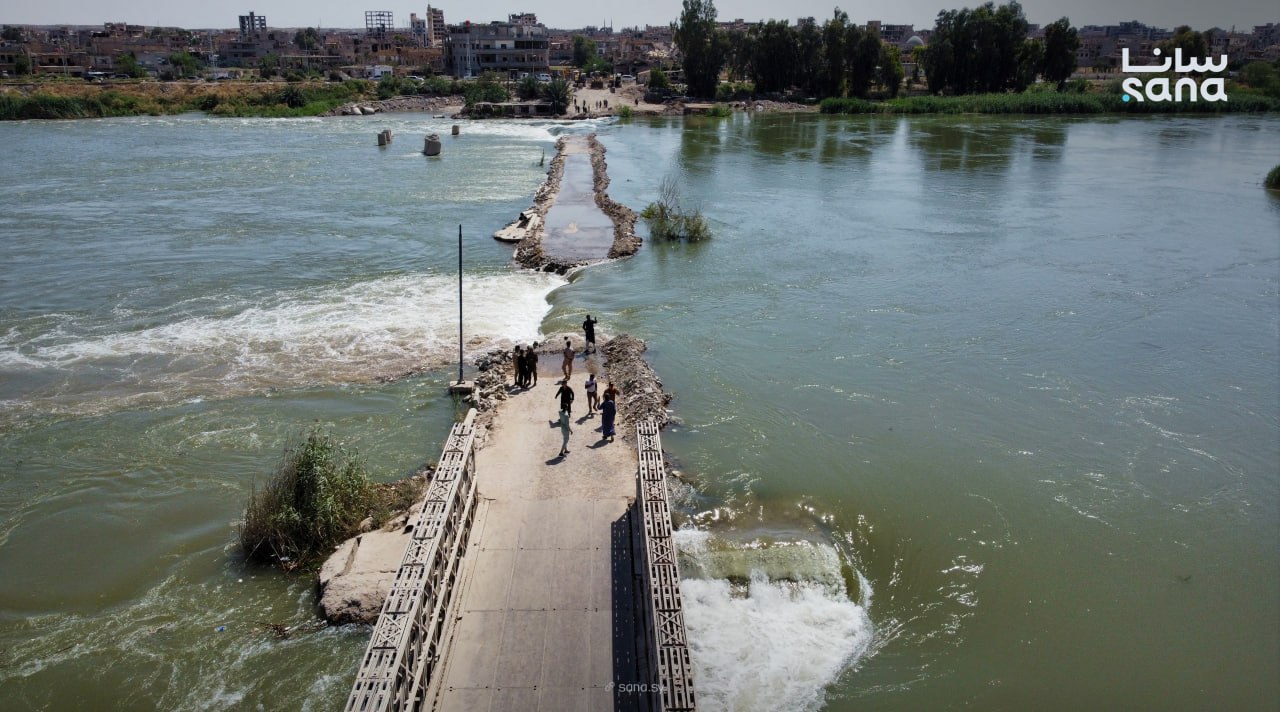
Local sources and field testimonies indicate that a number of areas located on both banks of the Euphrates have become almost completely isolated, with access becoming difficult due to the collapse of temporary crossings and the flooding of main roads, increasing fears that the scale of the damage will expand in the coming hours.
50 water stations out of service
Initial estimates showed that around 50 water stations out of 210 along the Euphrates basin have gone out of service as a result of direct or partial flooding, causing water pumping operations to stop in several villages and towns.
This situation threatens to worsen the drinking water and irrigation crisis for thousands of families, especially in areas that rely almost entirely on these stations as their main water source. Specialists are also warning that breakdowns could spread further if water levels continue to rise or if emergency maintenance operations are delayed.
There are also growing concerns that additional service infrastructure could fail in the coming days, including irrigation networks and local pumping stations, amid limited technical and engineering capabilities available in the region.
How did the flood wave begin?
The crisis began with rising volumes of water flowing through the Euphrates River from the upper parts of the river basin, as a result of increased water releases from dams inside Turkish territory as part of operational measures linked to rising storage levels.
According to estimates circulating among engineers in the water resources sector, water flow reached around 2,000 cubic meters per second, a figure that exceeds the natural carrying capacity of the river inside Syria, estimated at approximately 1,000 cubic meters per second within safe operational limits.
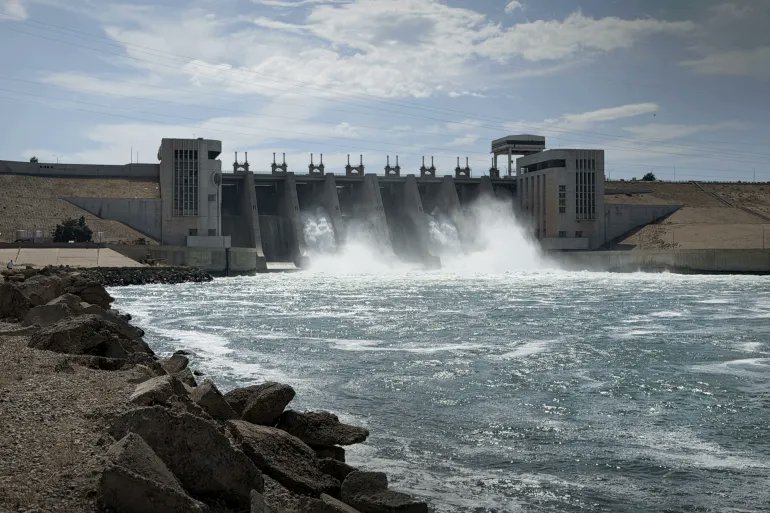
This water pressure directly affected the riverbanks and water facilities, reaching the Euphrates Dam in the city of Al Tabqa, where the lake level rose rapidly, prompting the operating authorities to open the spillways to reduce pressure on the dam structure.
As water releases increased, massive quantities of water surged toward Raqqa and then Deir ez Zor, marking the beginning of widespread flooding across low lying areas and agricultural lands adjacent to the river.
Agricultural losses hit the wheat and barley season
Agriculture is among the sectors most severely affected by the floods, as water has inundated large areas of farmland, including seasonal crops and others that had already reached the post-harvest stage.
Local farmers reported that large quantities of wheat and barley stored in yards or temporary sacks were damaged after floodwaters reached them directly, causing widespread losses that threaten the livelihoods of thousands of families.
Irrigation networks and agricultural pumps also sustained varying levels of damage, in addition to the erosion of parts of the agricultural soil along the riverbanks, a situation that signals long term consequences for the farming season and the cost of rehabilitation.
محاولات بائسة لمزارعين يتسابقون مع نهر #الفرات لإنقاذ محاصيلهم قبل غرقها في منطقة #أبو_حمام في ريف #دير_الزور الشرقي pic.twitter.com/HaBZXGsT8g
— المرصد السوري لحقوق الإنسان (@syriahr) May 28, 2026
Destroyed bridges bring back isolation
The current floods have brought the issue of destroyed bridges in Deir ez Zor back into focus, once again exposing the scale of the structural crisis the governorate has been facing for years.
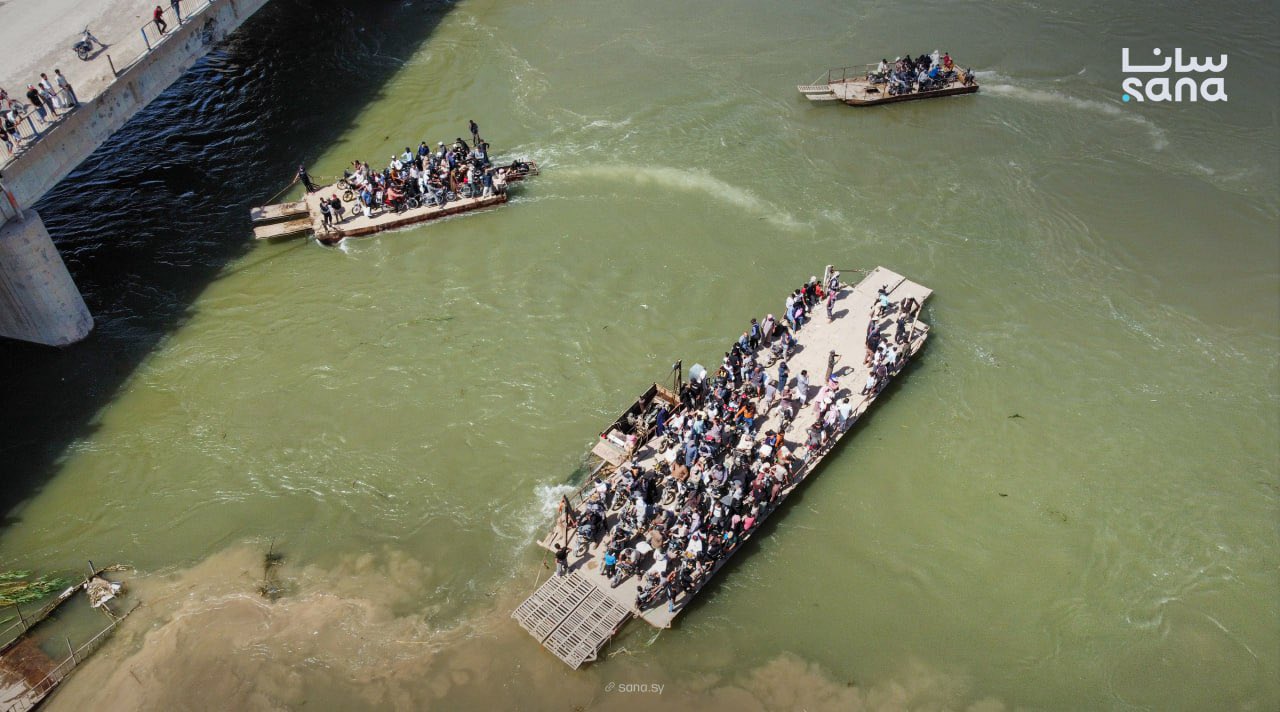
Most of the main bridges over the Euphrates River have remained out of service since the war, creating a complex geographical and service reality between the two banks known locally as al Shamiyah and al Jazira.
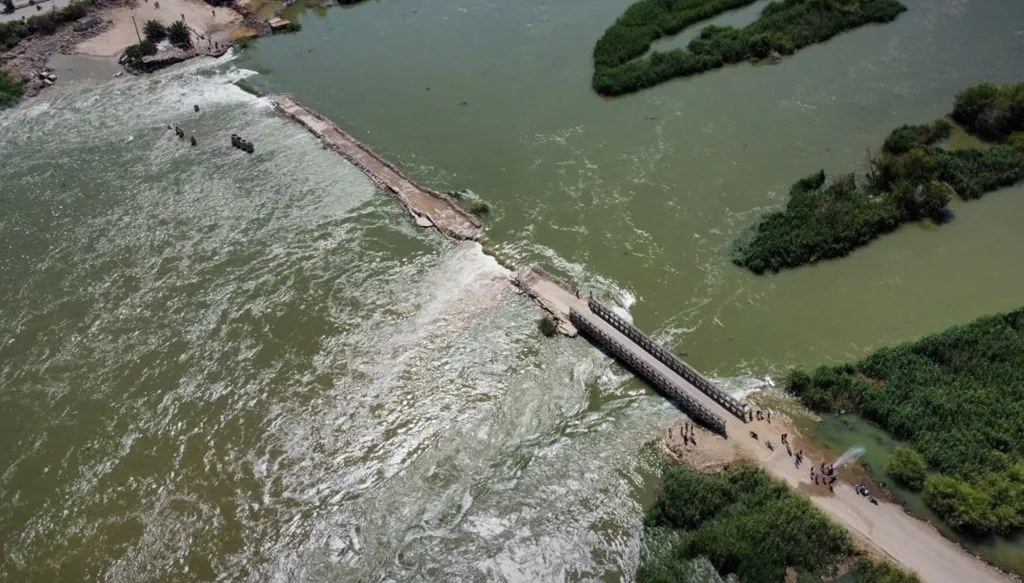
Over the past years, residents resorted to building dirt crossings and temporary bridges through local efforts to maintain a minimum level of mobility. However, the current floods washed away large parts of these crossings within hours, leading to an almost complete disruption of movement at several points.
This has effectively reduced access to markets, health centers, and essential services, at a time when residents’ demands are growing for real infrastructure projects to rebuild the bridges on modern engineering foundations.
فتح بوابات المفيض في تركيا يرفع منسوب نهر #الفرات ويتسبب بانهيار جسر ترابي بين الشامية و الجزيرة في #دير_الزور pic.twitter.com/ExhHPY4A89
— المرصد السوري لحقوق الإنسان (@syriahr) May 28, 2026
“Save Deir ez Zor”… a grassroots campaign
Alongside the field crisis, activists, journalists, and local residents have launched a campaign titled “Save Deir ez Zor” to highlight the scale of the disaster and call for urgent action.
The campaign included the publication of photos and video clips documenting flooded farmland, the collapse of dirt crossings, and rising water levels near residential neighborhoods, in addition to appeals to provide rescue equipment and urgent engineering support.
These efforts reflect growing public concern about the possibility of the floods expanding further, amid fragile infrastructure and limited local resources.