

Iran–US tensions escalate amid ceasefire accusations, nuclear talks, and Strait of Hormuz stakes
Mutual accusations of ceasefire violations, renewed military incidents, and competing signals over nuclear negotiations deepen uncertainty, while global markets react to fears of disruption in the Strait of Hormuz.



 Messenger
 Whatsapp
 Threads
 Email
Email
 Print
Print
 X
X
 Facebook
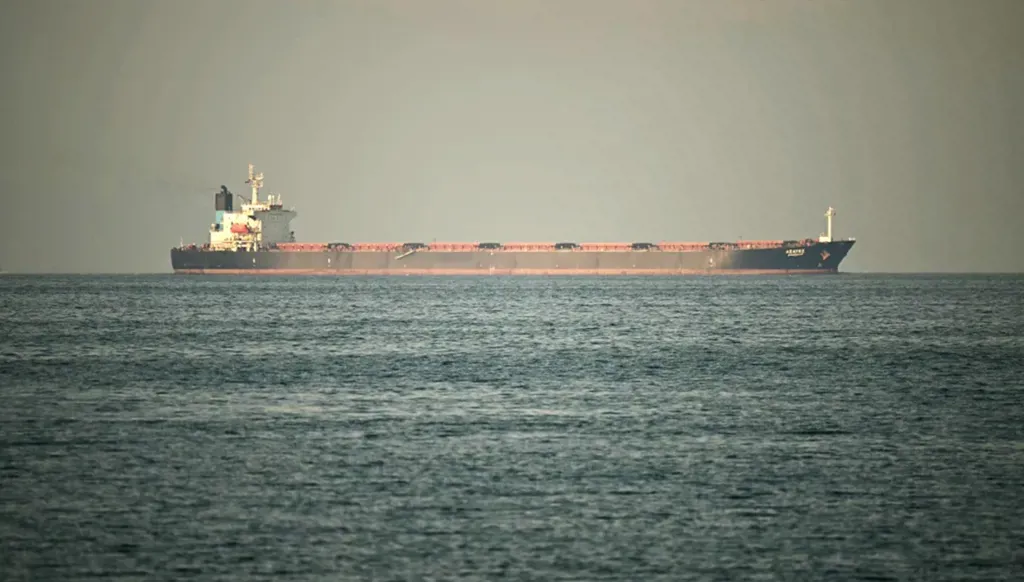
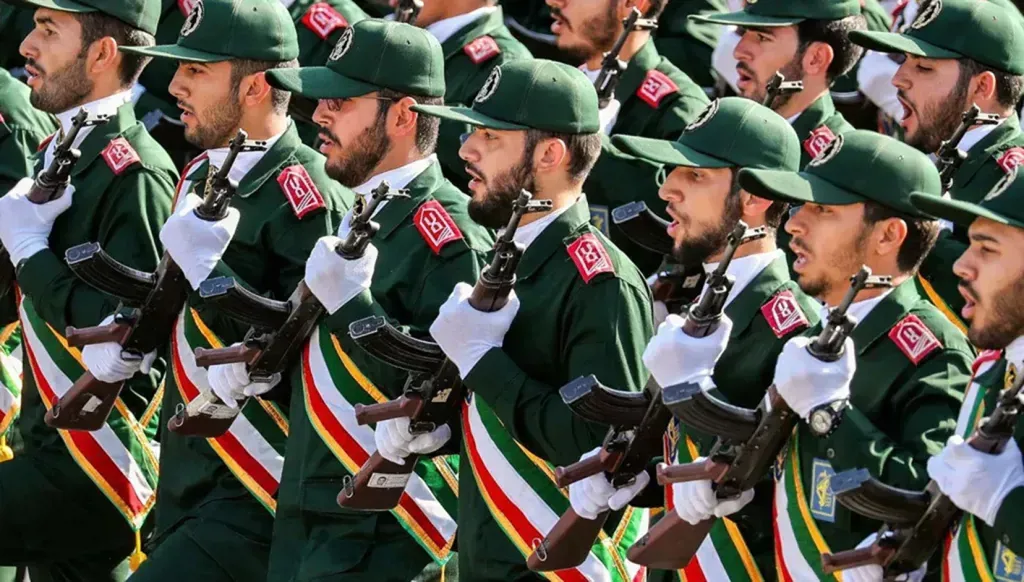
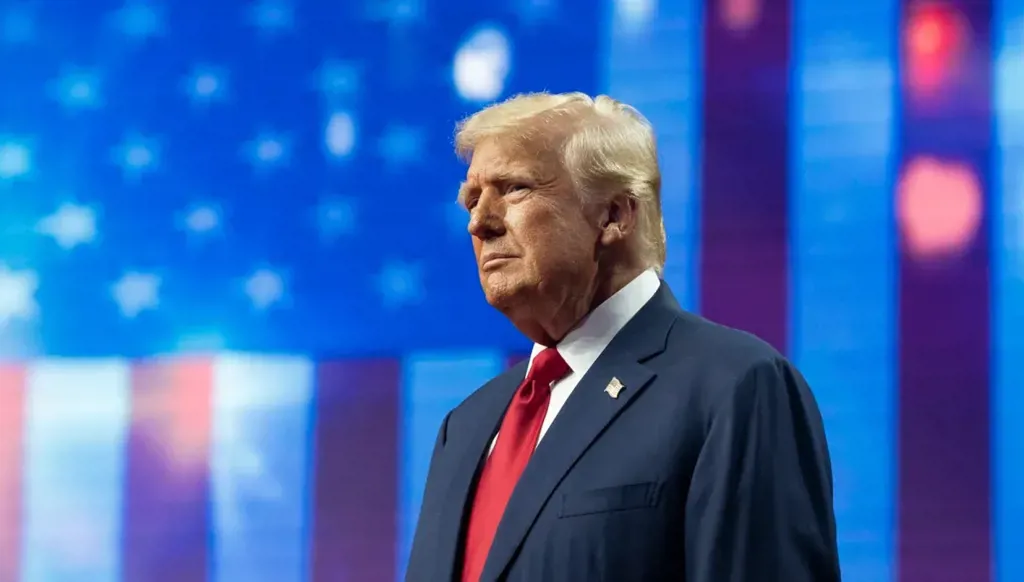


Signs of cautious de-escalation continue between Iran and the United States, despite rising accusations of violating the ceasefire, as a commander in the Iranian Revolutionary Guard considered the possibility of renewed war to be “very low,” while Tehran at the same time affirms its readiness for any escalation and links any potential agreement to guarantees that go beyond signatures, most notably control over the Strait of Hormuz.
A commander in the Iranian Revolutionary Guard said that the likelihood of renewed war with the United States is “very low,” while also stressing that Iranian forces are ready for any possible military developments, at a time when mutual accusations between the two sides over violating the ceasefire are increasing.
Tasnim News Agency reported that the Deputy Head of Political Affairs in the naval forces of the Islamic Revolutionary Guard Corps, Mohammad Akbarzadeh, said that the “possibility of war is very low due to the weakness of the enemy,” noting that the Iranian armed forces are “qualified and equipped with ammunition.”
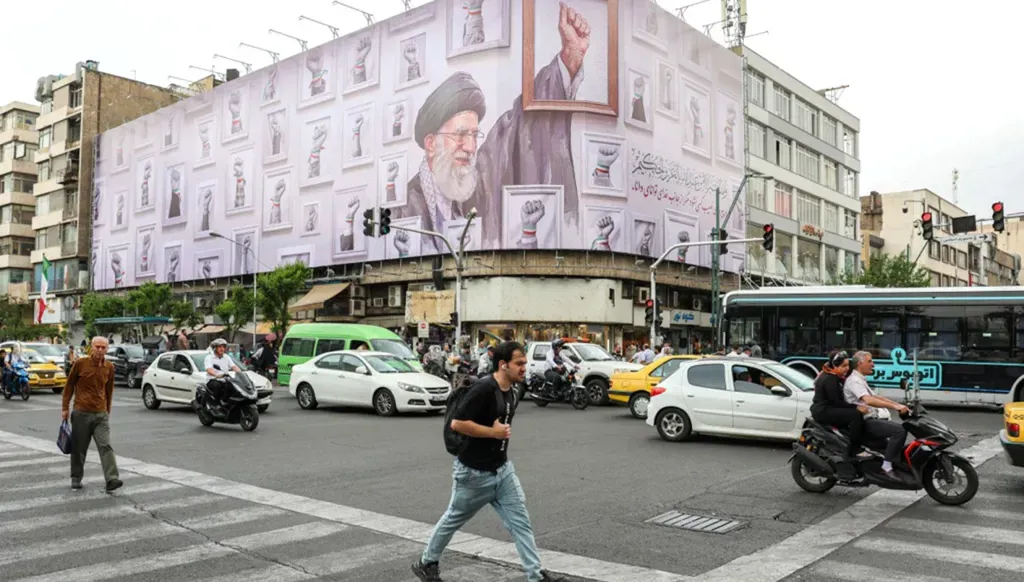
The Strait of Hormuz is the real guarantor of any agreement
In a related context, adviser to the Iranian Supreme Leader, Mohammad Mokhber, said that the “real guarantor of any agreement with the United States is the Strait of Hormuz.”
He added that “papers and signatures alone are not a guarantee for any potential agreement.”
Vance: Optimistic about an agreement with Iran to prevent nuclear weapons development
In turn, NBC News reported that US Vice President J. D. Vance said he is optimistic that “Iran may agree, within any potential deal, not to develop nuclear weapons.”
He added that “the difficult question is whether Iran will agree to mechanisms that ensure the agreement is not violated in the future.”
Mutual accusations of violating the ceasefire
Iran accused the United States on Tuesday of violating the ceasefire after American airstrikes targeted southern parts of the country overnight, saying that this “hinders diplomatic efforts aimed at ending the war in the Middle East.”
The Iranian Foreign Ministry said that “US forces committed a serious violation in the Hormozgan region,” warning that Tehran “will not leave any attack without a response.”
In contrast, the US Central Command announced that it had targeted rocket launch sites in southern Iran, while Iranian media reported explosions in Bandar Abbas and the opening of an investigation to determine their source.
The Revolutionary Guard also spoke about downing a US drone and firing at other aircraft that attempted to enter Iranian airspace, without specifying the timing of those incidents.
Fragile negotiations and escalating economic consequences
Despite ongoing diplomatic activity, including a visit by a high-level Iranian delegation to Doha, the atmosphere of negotiations remains tense amid disputes over the nuclear file and frozen financial assets.
Meanwhile, the escalation has been reflected in global markets, with oil prices rising to around 100 dollars per barrel amid fears that tensions could affect navigation in the Strait of Hormuz, while global stock markets have recorded volatile performance.
Iran has also announced steps to gradually restore internet service after a widespread outage, while reports indicate partial service has returned in some areas.
This escalation comes amid a fragile ceasefire since April, with repeated tensions between Tehran and Washington over regional security and the nuclear issue.