

16 year old Iraqi girl killed in alleged honor crime case sparks outrage and debate over legal protections
The killing of Kawthar in Baghdad’s Nahrawan district has reignited concerns over violence against women, alleged honor crimes, and legal gaps that activists say enable impunity amid limited state action and disputed interpretations of Iraqi law.



 Messenger
 Whatsapp
 Threads
 Email
Email
 Print
Print
 X
X
 Facebook
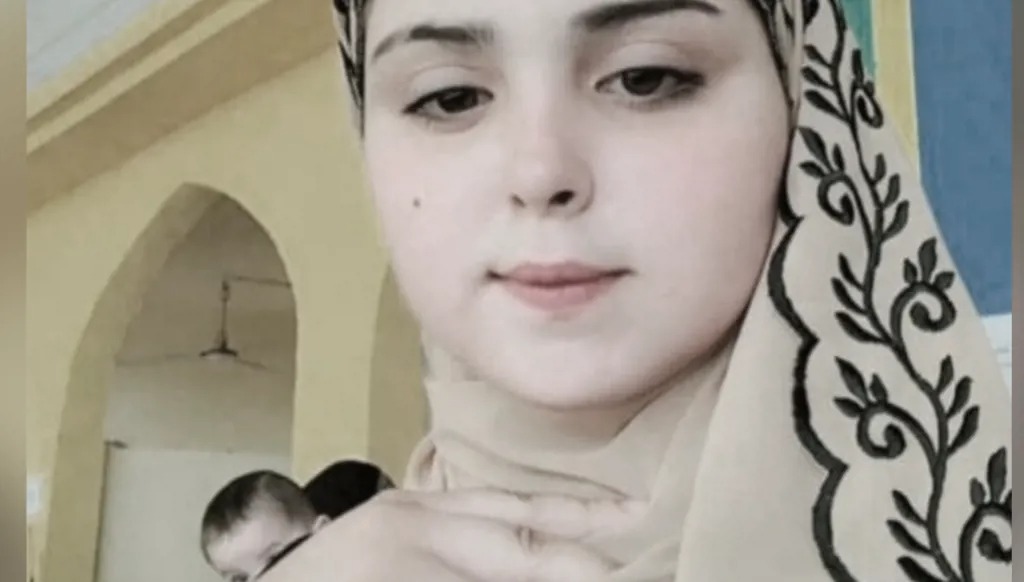


After the story was first circulated in the media for the first time about three weeks ago, the Baghdad Governorate Police Command confirmed on Tuesday that it had arrested a suspect who openly confessed to killing his 16 year old sister Kawthar and burying her under the pretext of what is known as honor crimes, after she refused to marry her cousin. The incident took place in the Nahrawan district in the Iraqi capital, Baghdad.
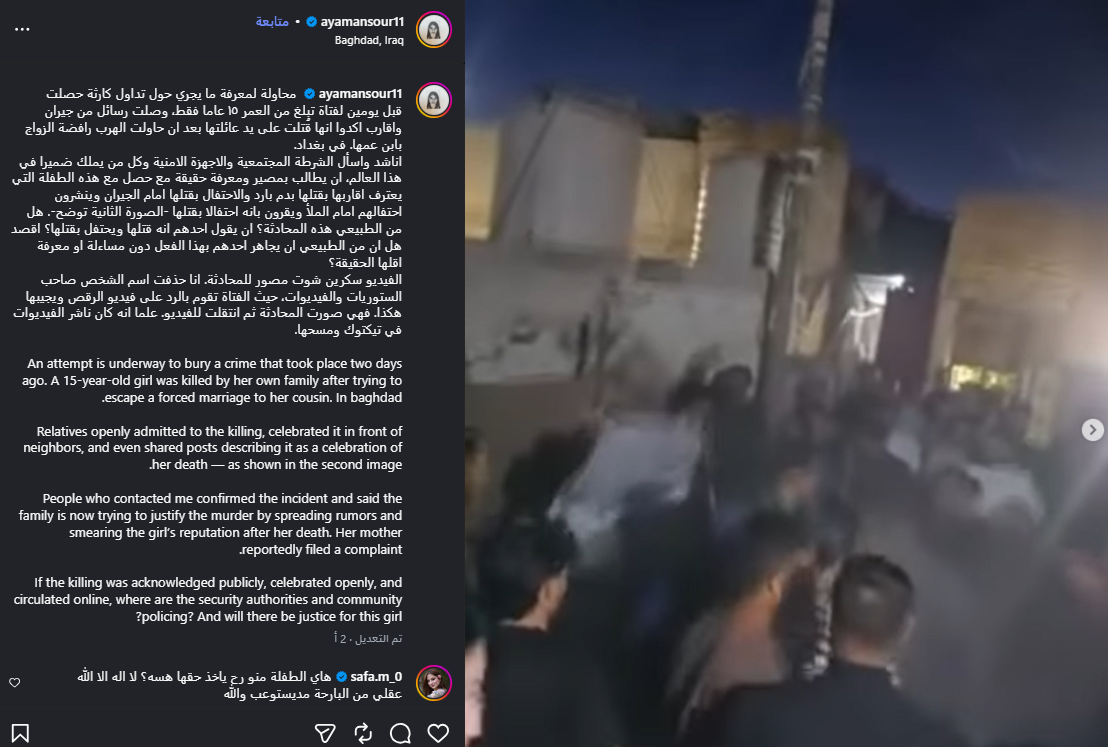
The story began circulating on May 11 of this month after Iraqi journalist and human rights activist Aya Mansour published information reporting that a family had killed their young daughter in Nahrawan. She also shared a video showing a celebration with Iraqi folk chants, allegedly held after the killing, along with a conversation between a young woman and a young man in which he boasts about killing the girl.
Reactions to the case varied, and it was difficult to uncover its details due to its sensitivity and the lack of official statements from the security forces on the matter. This opened the door to doubts about the incident and the circulation of claims that it was a “fabricated story,” or that the image circulated of the girl actually belonged to a “Turkish girl,” and that it was a “conspiracy against the Jaafari law.”
Discussion of the incident remained limited to social media posts, without any governmental updates or clarifications. In fact, public discussion around it gradually decreased due to the lack of sufficient information, until the Baghdad Police Command issued its announcement.
Investigation statements in the crime
Annahar, in cooperation with journalist Aya Mansour, obtained documents from the investigation statements provided by a security source who refused to disclose their identity. The documents indicate that the child Kawthar Bashara Mohammed Al Hasegawi, born in 2009, had six siblings, the eldest of whom is Taysir, the alleged killer, who is 20 years old.
Her cousin Abbas Ziyara Mohammed submitted a marriage proposal for her in April. The proposal process took place on April 30. Kawthar rejected the proposal and left the house because of it at midnight on May 6 of the same month, fleeing what was described as a forced marriage.
Some details were withheld to protect the privacy of the victim’s information.
After two days of leaving the house, she was found by her father, Bashara Mohammed Al Hasegawi, who told her mother on the 9th of this month that Kawthar had been killed and that “we washed away our dishonor,” without specifying who carried it out, who was with him, or the location of the killing and the burial of the body.
The mother of the child explained in her testimony that the report submitted by Kawthar’s father to the security forces about her disappearance was made before he later found her after she had left the house.
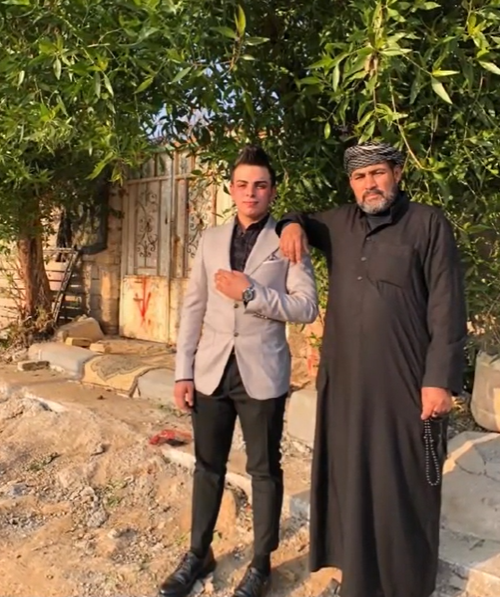
She added that after the issue spread on social media, security forces came to her home and found only her and her daughters there. She indicated that she did not report the killing committed by Kawthar’s father and relatives to the police because their act was honor crimes and that she was not filing any complaint against anyone, and that her statements were given freely without pressure or coercion, according to her testimony.
One of the victim’s relatives also stated that she had learned about Kawthar’s killing.
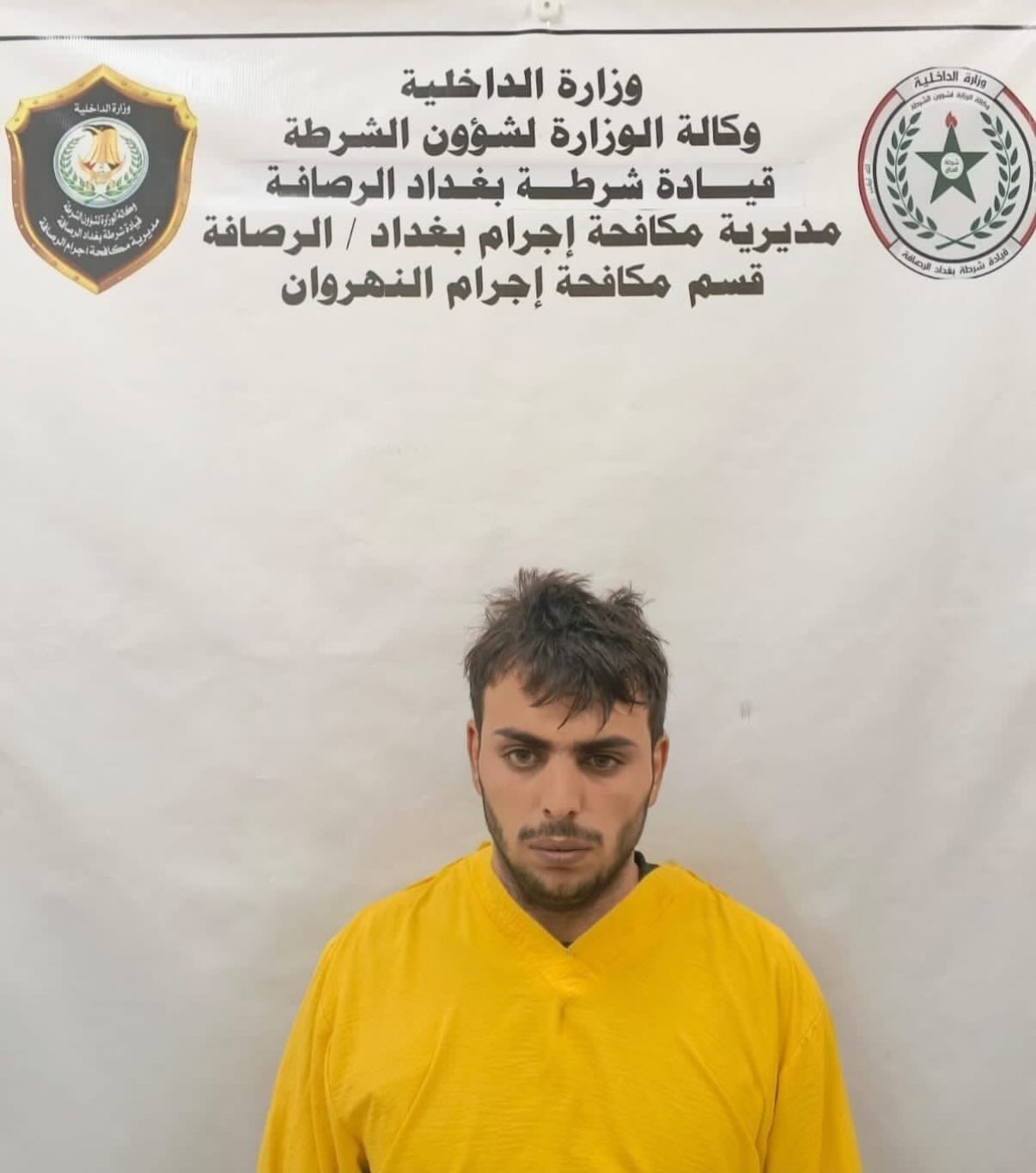
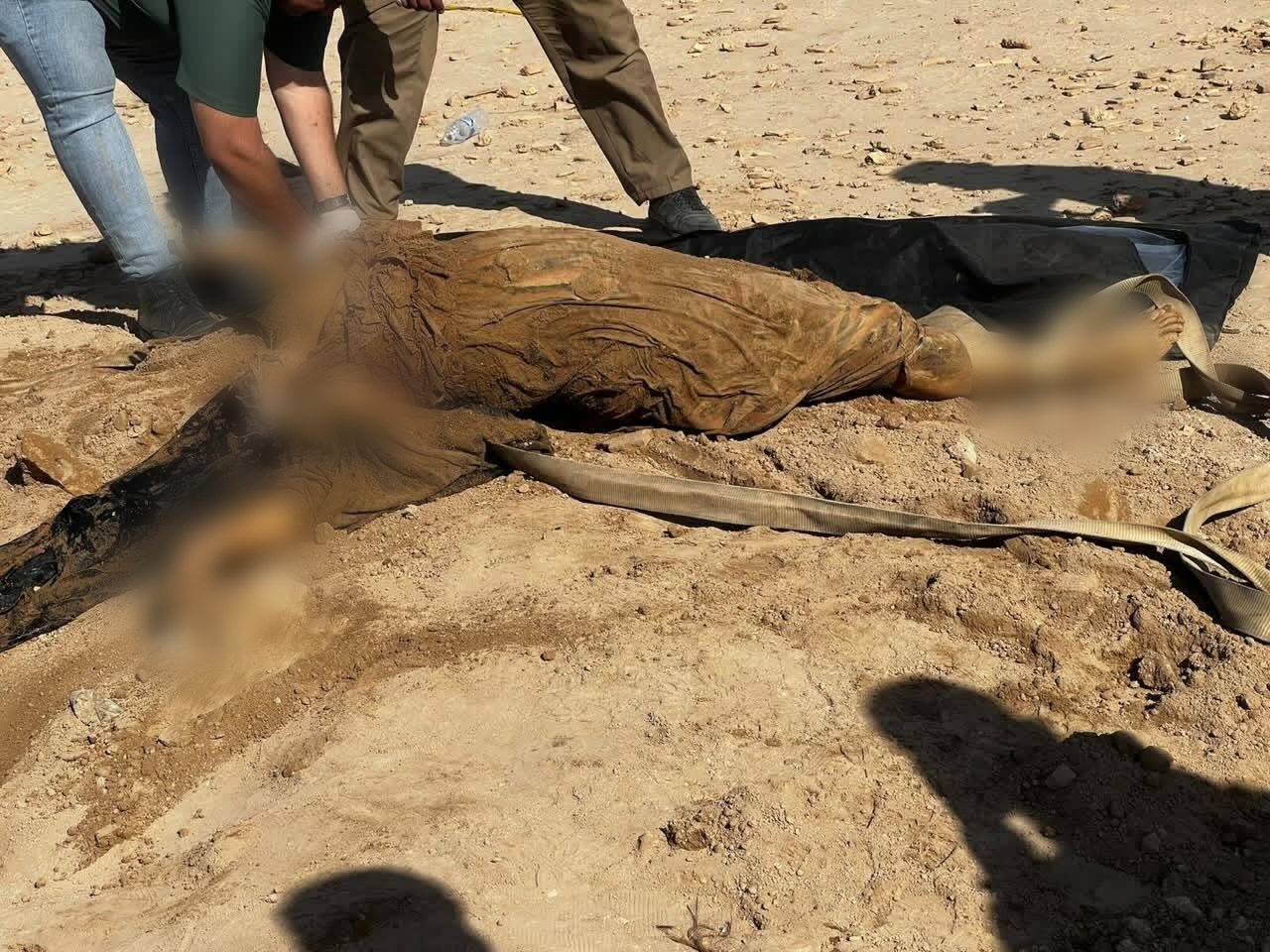
Meanwhile, Iraqi security forces moved to search for the perpetrator and located him yesterday. He is Taysir, Kawthar’s eldest brother, who killed her and buried her body in an abandoned agricultural area. He confessed to committing the crime as an act of “honor crime.”
The body was sent to the Forensic Medicine Department after being exhumed based on information provided by the suspect, who was arrested under Article (406 – intentional murder) of the Iraqi Penal Code, which stipulates the death penalty for the offender.
Concerns about a reduced sentence for the killer
Despite the suspect’s confession to the crime, activists have expressed concerns that he may be subject to Article 409 of the Iraqi Penal Code, which reduces the penalty to “imprisonment for a period not exceeding three years for anyone who surprises his wife or one of his female relatives in the act of adultery or finds her in the same bed with a partner and immediately kills them, or kills or assaults one or both of them in a way that leads to death or permanent disability.”
Among the views on the incident, blogger Ali Aziz wrote on his Facebook account: “We are today in urgent need of repealing Article 409 of the Iraqi Penal Code, which reduces the penalty for women’s killings under the pretext of honor, and we are urgently in need of enacting laws on domestic violence.” He added that “it should not be possible to rely on the waiver of personal legal rights in cases of women’s killings, because many women have lost their rights due to the collusion of one or both parents with the killer, or due to the mother’s waiver under pressure.”
He pointed out that “in the case of the victim Kawthar, her mother waived the personal right, whether under pressure or to protect her son, which will lead to a reduced sentence for her brother the killer, leaving only the public right. This is a recurring phenomenon and not an isolated case.”
In parallel with the incident, the Iraqi Ministry of Interior announced on May 13 the arrest of three individuals who confessed to raping two girls, one aged four and the other five, and throwing them into sewage water to conceal the evidence of their crime, resulting in the death of the first child.