

US-Iran deal nears as Tehran demands $24 Billion release amid rising regional tensions
Qatari-mediated talks between Washington and Tehran appear close to a breakthrough over frozen Iranian funds, while military confrontations, sharp rhetoric from Mojtaba Khamenei, and renewed warnings over the Strait of Hormuz deepen fears of wider instability across the Middle East.



 Messenger
 Whatsapp
 Threads
 Email
Email
 Print
Print
 X
X
 Facebook
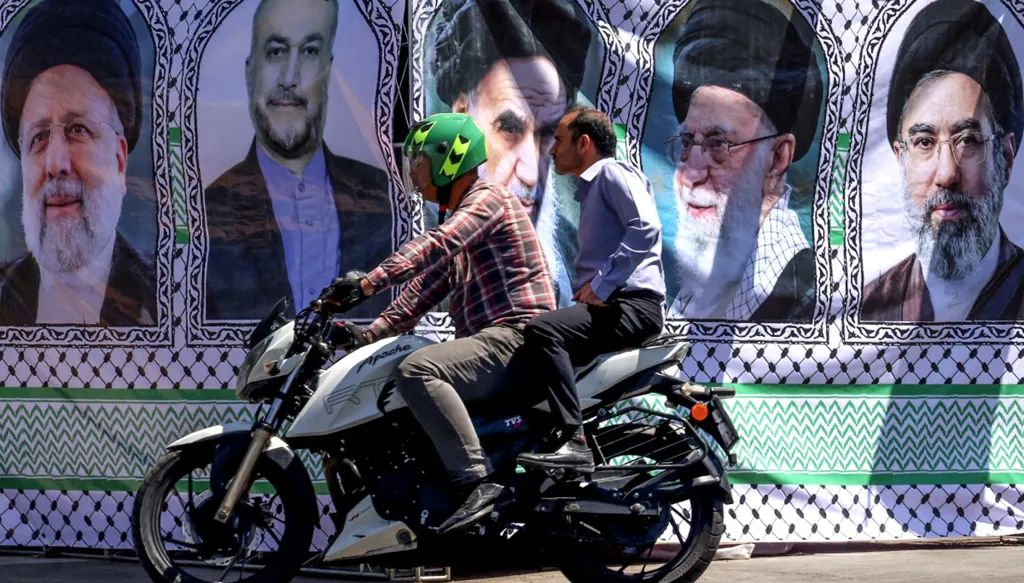


Attention is focused on the understandings between the United States and Iran, following reports about the imminent announcement of an agreement concerning frozen Iranian funds, amid Qatari mediation and rapid diplomatic movements against the backdrop of military escalation and regional tensions.
The Associated Press quoted informed sources as saying that Washington and Tehran reached an understanding yesterday regarding the issue of frozen Iranian funds, noting that Qatari mediation contributed to achieving the breakthrough, with an official announcement of the agreement expected within the coming hours.
Tehran Insists on the Release of 12 Billion Dollars
In this context, the Iranian Tasnim news agency reported that Tehran is insisting on the release of $12 billion at the start of the agreement’s implementation, with an additional $12 billion to be transferred within 60 days. Meanwhile, a source close to the negotiating team spoke of the need to release around $24 billion in frozen Iranian funds during the negotiation phase.
Mojtaba Khamenei
Simultaneously, Iranian rhetoric intensified, as Iran’s Supreme Leader Mojtaba Khamenei said in a message marking Eid al-Adha and the Hajj season that the countries of the region “will no longer serve as shields for American bases,” adding that the United States “will no longer find any safe haven in the region for aggression and the establishment of military bases.”
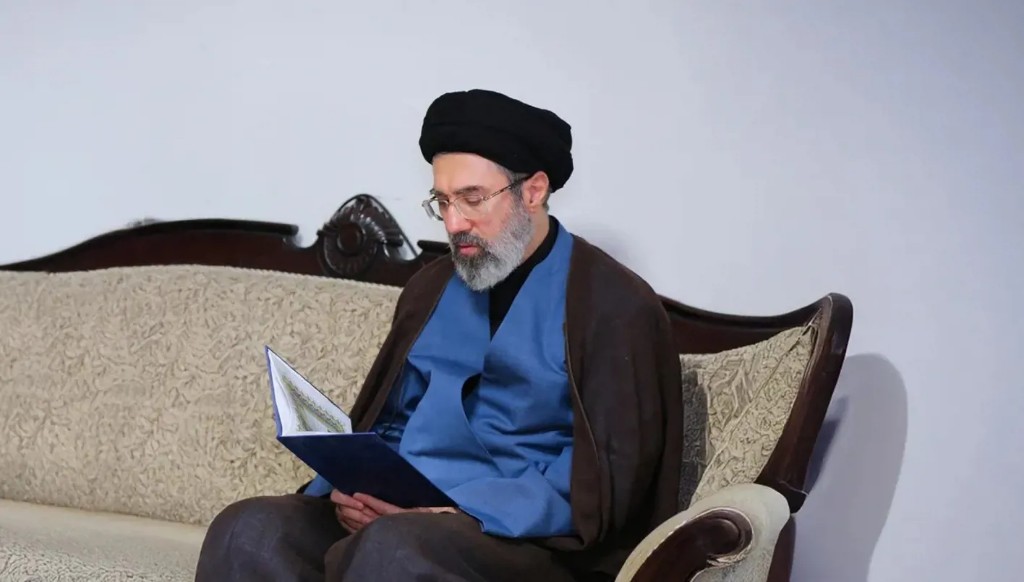
Khamenei added that “Israel is nearing the end of its existence,” while stressing that Washington is “moving further away from its previous status.”
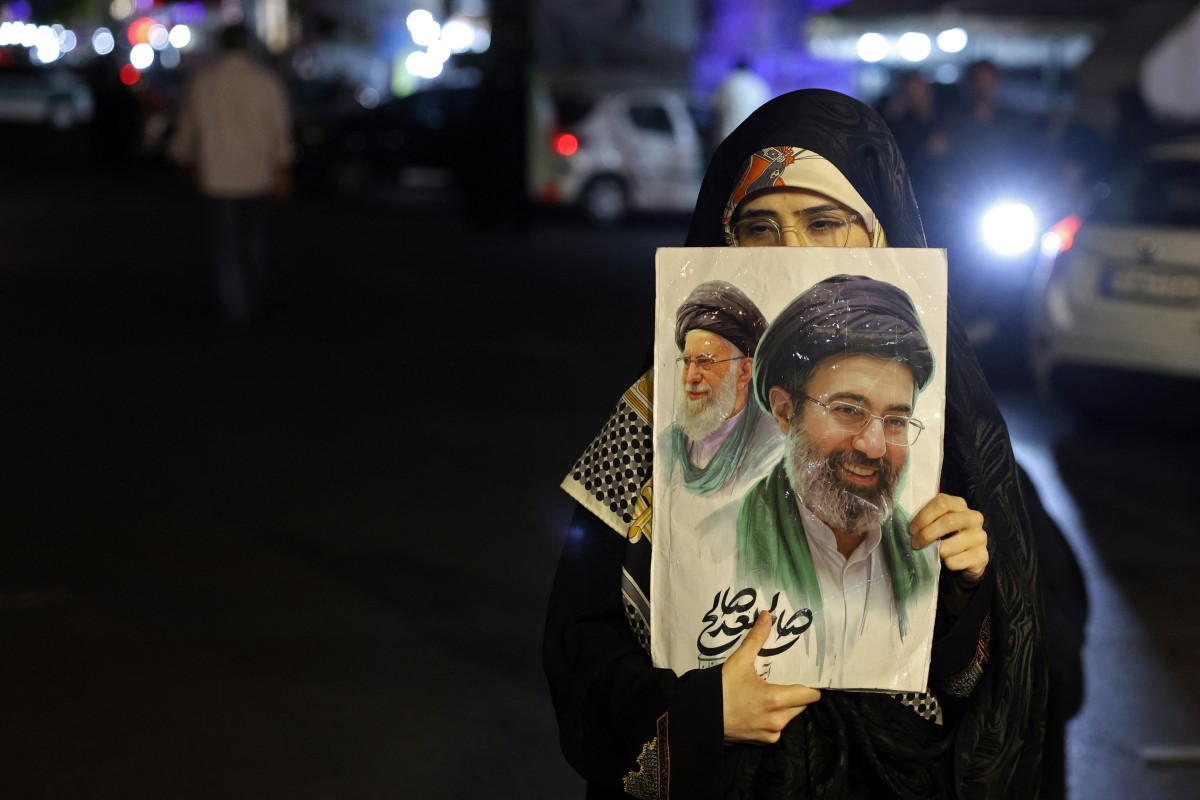
Executions in Iran
In a separate security development, the Iranian Mehr news agency announced the execution of Gholamreza Khani Shokrab, who was described as the head of a network linked to the Israeli intelligence apparatus inside Iran, on charges of “intelligence cooperation with Israel.”
Marco Rubio
For his part, US Secretary of State Marco Rubio confirmed that an agreement with the Iranian side could be reached “within days,” noting that discussions are still ongoing over several unresolved points in the preliminary document, without revealing further details.
Speaking to reporters in the Indian city of Jaipur, Rubio said, “Some talks took place in Qatar, and we will see whether we can make any progress,” adding that “there are many discussions surrounding specific points in the preliminary document, so it will take a few days.”
The US secretary of state also stressed that the recent American strikes do not mean the end of the “fragile” ceasefire reached last month.
European Union
The European Union called for the restoration of freedom of navigation in the Strait of Hormuz amid escalating regional tensions and the ongoing conflict between the United States and Iran, stressing the need to advance diplomatic solutions to halt the escalation in the Middle East.
The European Union said it is calling for “safe and free passage without any fees” through the Strait of Hormuz, in a position that aligns with American demands to reopen the vital maritime corridor for global trade and energy flows.
It also emphasized the importance of diplomacy to end the conflict in the Middle East and restore regional stability, amid growing European concerns over the impact of the escalation on energy markets and global supply chains.