

Inside the proposed US-Iran deal: Ceasefire, Hormuz, nuclear talks and Lebanon’s future
A proposed 60-day truce between the US and Iran could reopen the Strait of Hormuz, ease sanctions, and launch wider negotiations on nuclear tensions and regional conflicts.



 Messenger
 Whatsapp
 Threads
 Email
Email
 Print
Print
 X
X
 Facebook


What do we know about the current potential agreement?
What are the terms of the potential agreement?
According to reports, the agreement includes the following key points:
Extending the ceasefire for 60 days, during which the Strait of Hormuz would be reopened.
The United States would lift its blockade on Iranian ports and grant certain sanctions exemptions, allowing Iran to freely sell oil.
Washington would agree to negotiate the lifting of sanctions and the unfreezing of Iranian funds during the 60-day period.
Under the agreement, the Strait of Hormuz would remain open without transit fees throughout the 60-day period.
The draft memorandum of understanding includes Iranian commitments never to pursue nuclear weapons.
Through intermediaries, Iran has provided the United States with verbal assurances regarding the scope of concessions it is willing to make concerning the suspension of uranium enrichment.
Negotiations on the Iranian nuclear program would take place during the next phase.
American forces deployed in recent months would remain in the region throughout the 60-day period and would not withdraw unless a final agreement is reached.
Washington and its allies would refrain from attacking Tehran or its allies, while Iran would pledge not to launch any preemptive military attack against the United States or its allies.
What is the fate of uranium and enrichment?
The United States is demanding the export of enriched uranium out of Iran, with several countries being considered to host the uranium, including Russia, China, and Pakistan.
Trump has previously insisted that the lifting of U.S. sanctions or the release of frozen Iranian funds would remain conditional on Iran halting uranium enrichment for at least 20 years and committing not to acquire a nuclear weapon.
Other proposals include converting part of the enriched uranium into nuclear fuel.
So far, Iran refuses to offer official concessions related to enriched uranium and future enrichment, postponing this issue to later negotiations.
In this context, a senior Iranian source told Reuters that "Tehran has not agreed to surrender its stock of highly enriched uranium," confirming that "the Iranian nuclear file is not part of the preliminary agreement."
Additionally, Iranian Foreign Ministry spokesman, Esmail Baghaei, emphasized that the nuclear file will not be part of the framework of understanding at this stage.
He clarified that "at this phase, we will not address the details of the nuclear issue. We know that our nuclear file has been previously used as a pretext for two wars against the Iranian people," adding that "we want the nuclear issue and other matters to be discussed later, within thirty or sixty days, or any agreed time-frame, separately. Our absolute priority at the moment is to end the war."
What will become of the Strait of Hormuz?
According to leaks from the potential draft agreement, the Strait of Hormuz would remain open without transit fees during the 60-day period. The United States would also lift its blockade on Iranian ports and grant certain sanctions exemptions to allow Iran to freely sell oil.
Iran is insisting on imposing transit fees on ships passing through the Strait of Hormuz, in what may be viewed as compensation Tehran is seeking as a result of the war.
What is the fate of the frozen funds?
Iran is seeking the release of its frozen funds abroad as part of the deal, while the United States maintains that no full release of the funds will take place unless it is tied to a comprehensive agreement.
The New York Times reported that any final agreement would also include the release of billions of dollars in frozen Iranian assets abroad, though Iran would not gain access to most of these funds unless a comprehensive nuclear agreement is reached.
What about Lebanon?
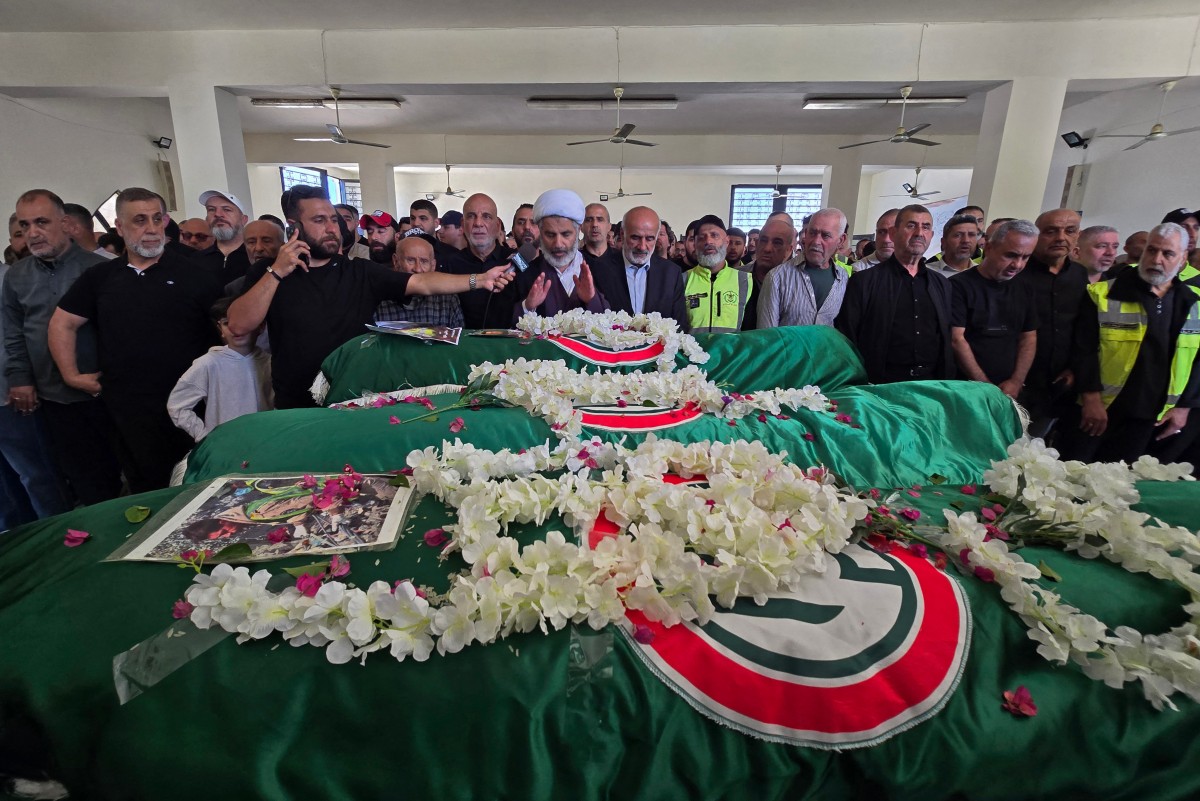
According to an Israeli officer, Israeli Prime Minister Benjamin Netanyahu expressed to Trump his concerns regarding the condition related to ending the war against “Hezbollah.” Reports also quoted an American official as saying that the agreement would allow Israel to take action in Lebanon if “Hezbollah” attempts to rearm itself.
What are the unresolved and deferred negotiation files?
The Iranian nuclear file is expected to be the most prominent unresolved issue, with its details postponed to negotiations that are supposed to take place in Pakistan should the current mediation efforts succeed and an agreement on extending the ceasefire be reached.
In addition, Iran’s support for its regional allies, primarily “Hezbollah,” is also expected to remain a contentious issue. While Israel insists on a complete halt to support for “Hezbollah” and Iranian-aligned factions in the region, the United States stresses that any frozen Iranian funds to be released must not be directed toward Iran’s allies.
For its part, Iran insists on ending the Israeli war against “Hezbollah,” but has not stated whether it intends to continue or halt its support for the group.