Saudi Arabia’s Hajj comeback: How pilgrim numbers rebounded after COVID-19

Business Tech 24-05-2026 | 16:29

Saudi Arabia’s Hajj comeback: How pilgrim numbers rebounded after COVID-19

From fewer than 1,000 pilgrims during the pandemic to more than 1.8 million in just three years, Saudi Arabia’s Hajj recovery reveals how the Kingdom rebuilt one of the world’s largest religious gatherings while expanding services, air travel infrastructure, and the “Makkah Route” initiative.


Saudi Arabia’s Hajj comeback: How pilgrim numbers rebounded after COVID-19
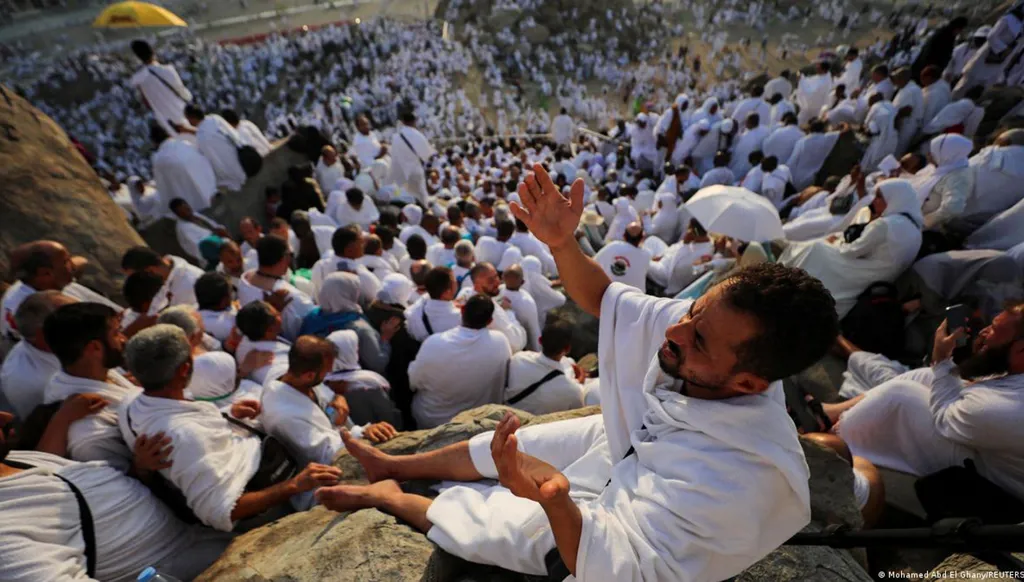
View of pilgrims on the Day of Arafat (Reuters)
Smaller Bigger


After nearly two seasons of a complete halt due to the COVID-19 pandemic, Saudi Arabia fully resumed receiving pilgrims in 2022, with numbers doubling over the following three years to exceed 1.8 million pilgrims. This recovery journey reflects remarkable figures and raises open questions. Saudi Minister of Hajj Tawfiq Al-Rabiah expects the number of pilgrims this year to reach two million, yet returning to pre-pandemic levels remains a significant challenge for the Kingdom.


Return of Hajj: From Pandemic Restrictions to Pre-COVID Numbers 


Before the COVID-19 pandemic disrupted international travel, the 2019 Hajj season welcomed approximately 2,489,406 pilgrims, including 1,855,027 from outside Saudi Arabia, representing 74.5% of the total, according to the Saudi General Authority for Statistics. These figures reflected the normal scale of a season deeply rooted for decades in the memory of Muslims around the world, before numbers collapsed within a single year.


Interruption: 2020 and 2021


In 2020, at the height of the pandemic, the Saudi government took the unprecedented step of restricting the Hajj to local residents, limiting participation to no more than one thousand pilgrims within the Kingdom. The following year, in 2021, the Ministry of Hajj and Umrah reported that the number of pilgrims reached only 58,745, all of whom were citizens and residents, in line with government directives aimed at preventing the spread of COVID-19, with no pilgrims arriving from abroad. Saudi male pilgrims accounted for 50.7% of the total, while 62.9% of non-Saudi resident pilgrims were male.


First Reopening: 2022


As pandemic waves subsided and vaccination rates increased, Saudi Arabia reopened its doors to foreign pilgrims in 2022, albeit with limited capacity. The total number of pilgrims reached 926,062, including 781,409 from abroad (84.4%) and 144,653 domestic pilgrims (15.6%). Among foreign pilgrims, 94.7% arrived by air, 4.5% by land, and 0.8% by sea. The workforce serving pilgrims that season exceeded 236,000 employees across various sectors, while five countries benefited from the “Makkah Route” initiative, accounting for a total of 98,826 pilgrims.


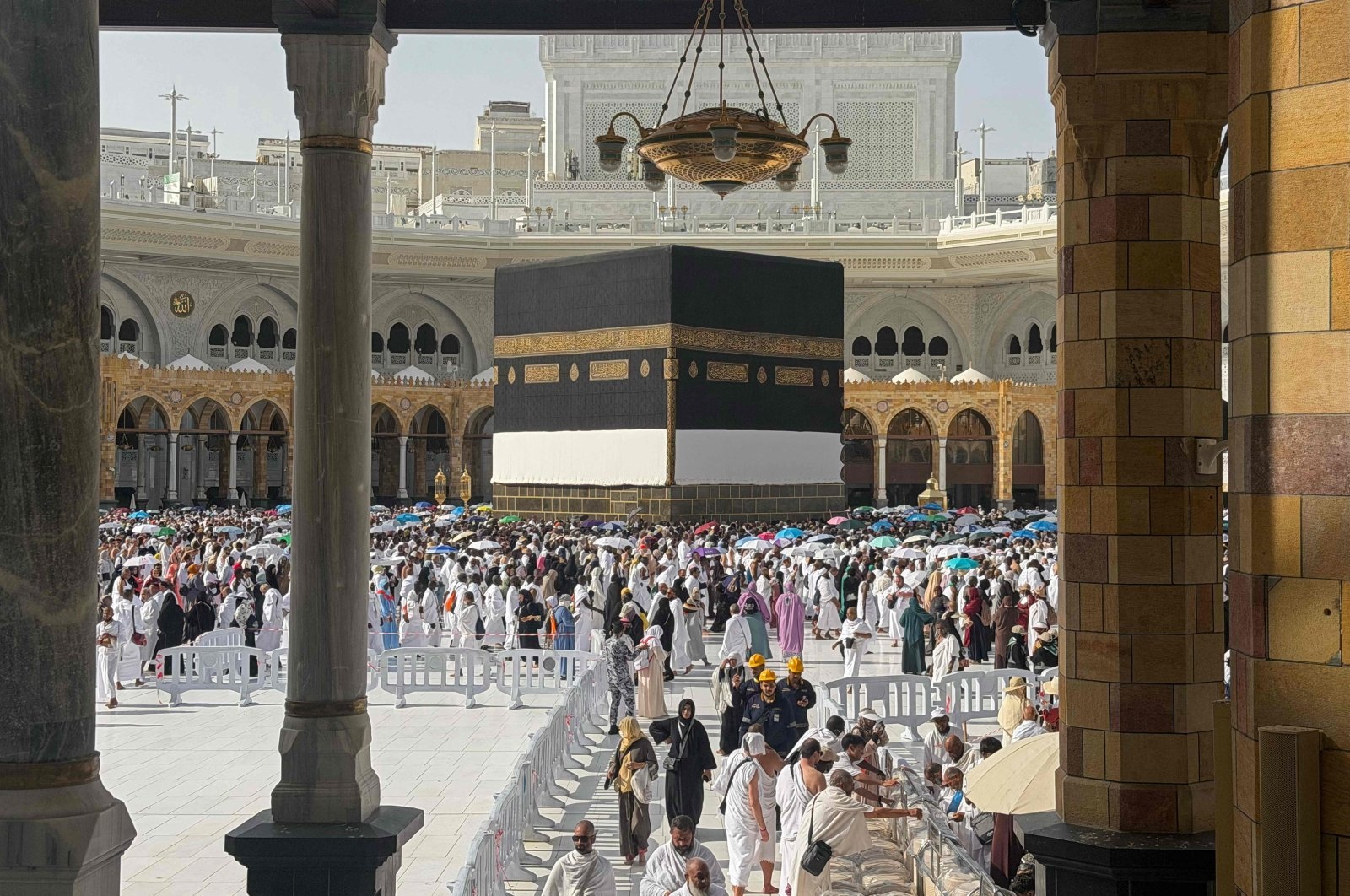
Pilgrims line up for prayer around the Kaaba in the Grand Mosque in Mecca, May 22, 2026. (AFP)


Leap of 2023: Return Above a Million


During the 2023 Hajj season, pilgrim numbers surged past one million, even surpassing pre-pandemic levels, reaching a total of 1,845,045 pilgrims. Of these, 1,660,915 arrived from abroad (90%), while 184,130 were domestic pilgrims (10%). Saudi pilgrims accounted for only 6.6% of the total. The report also noted that foreign pilgrims stayed an average of 31.6 nights, moving between Mecca and Medina. The “Makkah Route” initiative served 242,272 pilgrims from seven countries: Morocco, Indonesia, Malaysia, Pakistan, Bangladesh, Turkey, and Ivory Coast.


Stability in 2024 and Decline in 2025

The 2024 Hajj season recorded a total of 1,833,164 pilgrims, including 1,611,310 from abroad (87.9%) and 221,854 domestic pilgrims (12.1%). Saudi domestic pilgrims represented 8% of the total, while the “Makkah Route” initiative benefited pilgrims from seven countries, serving 322,901 people.

In the 2025 season, the total number of pilgrims declined to 1,673,230, including 1,506,576 from abroad (90%) and 166,654 domestic pilgrims (10%). Eight countries benefited from the “Makkah Route” initiative, which served 314,337 pilgrims, while 420,070 employees worked across different sectors to serve pilgrims, 92% of whom were male.


Five Key Facts


  1. The number of pilgrims fell to fewer than one thousand in 2020, before rising to 58,745 in 2021, compared to 2.49 million just two years earlier.
  2. The 2023 season saw pilgrim numbers rise above pre-pandemic levels, reaching 1.845 million, up from 926,000 in 2022.
  1. The “Makkah Route” initiative, launched in 2017 and suspended in 2020 and 2021 due to the pandemic, gradually expanded from five countries in 2022 to eight countries in 2025.

  2. During the 2025 season, 420,070 employees from the public and private sectors worked to serve pilgrims.

  3. Between 94.7% and 96% of foreign pilgrims arrived by air across different years, reflecting the Kingdom’s heavy reliance on air infrastructure to accommodate the influx of pilgrims.