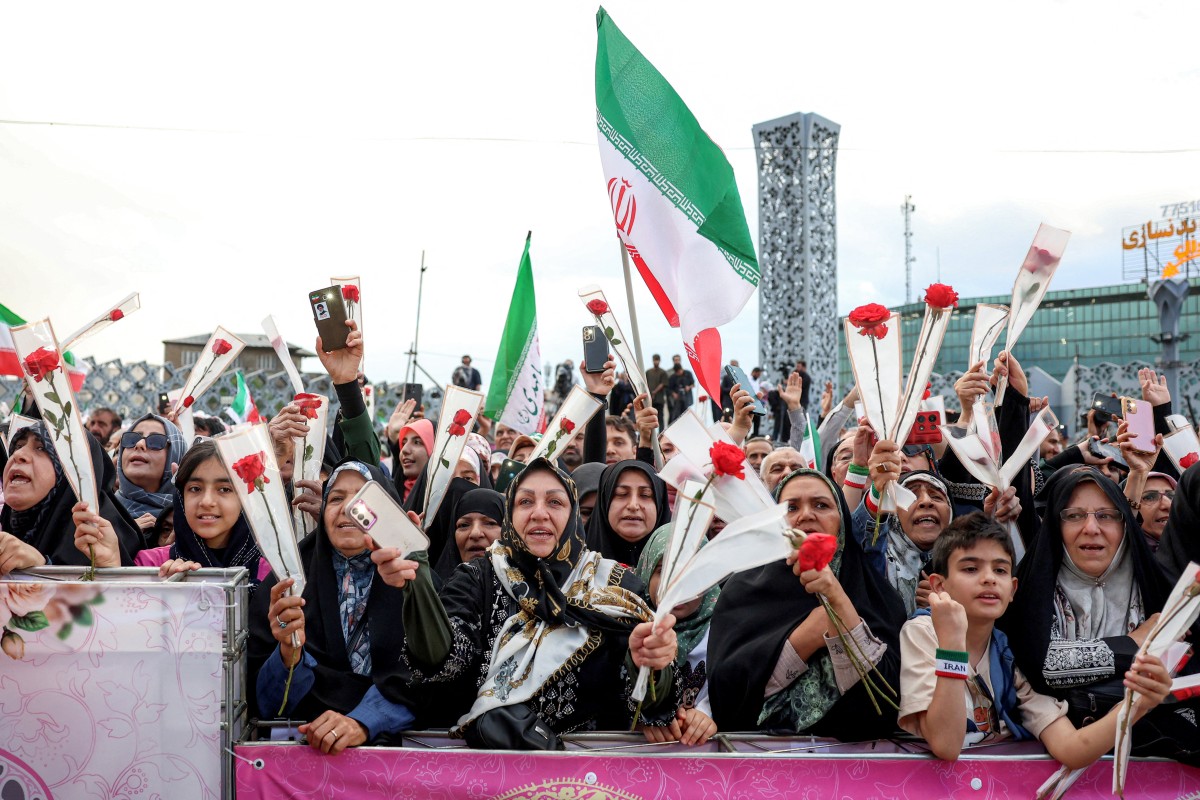
Inside the US-Iran understanding: Hormuz reopening, sanctions relief and Lebanon truce
Behind the scenes, intense diplomacy involving Pakistan, Qatar and Gulf leaders is shaping a proposed 60-day truce between Washington and Tehran.



 Messenger
 Whatsapp
 Threads
 Email
Email
 Print
Print
 X
X
 Facebook


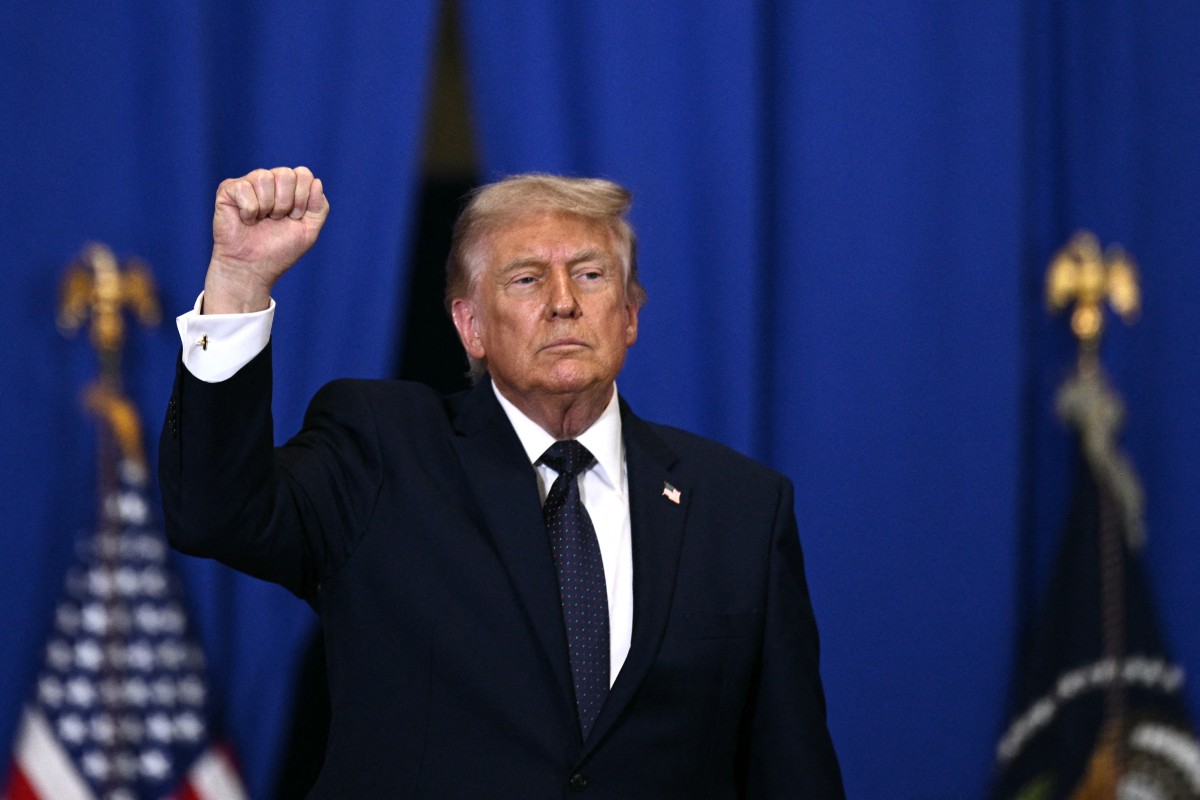
On Saturday, Donald Trump stated that negotiations between Iran and the United States over an agreement to reopen the Strait of Hormuz had made “significant strides,” noting that “a final format has not yet been reached.”
In a post on his platform, Truth Social, Donald Trump said: “An agreement has been largely negotiated, subject to finalization between the United States of America, the Islamic Republic of Iran, and various other countries.”
Meanwhile, Pakistani Prime Minister Shehbaz Sharif expressed hope on Sunday that his country would soon host the next round of peace talks between Iran and the United States.
What are the Key Provisions of the Draft Understanding Between America and Iran?
The website 'Axios' revealed the provisions of the anticipated agreement between the two sides, primarily confirming that "the war between Israel and Hezbollah in Lebanon will end."
Key Provisions Include:
📌 The United States and Iran are reportedly close to signing an extension of a 60-day ceasefire, during which the Strait of Hormuz would be reopened.
📌 Under the proposed agreement, Iran would be allowed to sell oil freely, while negotiations would continue over limiting Tehran’s nuclear program.
📌 During the 60-day period, the Strait of Hormuz would remain open without tolls.
📌 Washington would agree to negotiate the lifting of sanctions and the unfreezing of Iranian funds throughout the ceasefire period.
📌 In return, the United States would ease its blockade on Iranian ports and grant certain sanctions exemptions to allow Iran to resume unrestricted oil sales.
📌 The draft memorandum of understanding reportedly includes Iranian commitments never to pursue nuclear weapons.
📌 Iran had sought the immediate unfreezing of funds and permanent sanctions relief, but the U.S. side insisted such steps would only come after concrete concessions are implemented.
📌 Through intermediaries, Iran reportedly provided Washington with verbal assurances regarding concessions it is prepared to make on suspending uranium enrichment.
📌 U.S. forces deployed to the region in recent months are expected to remain throughout the 60-day period and would withdraw only if a final agreement is reached.
📌 Trump reportedly consulted several Arab and Muslim leaders about the agreement during a conference call on Saturday, with all expressing support for the deal.
Regarding the War in Lebanon, 'Axios' Revealed:
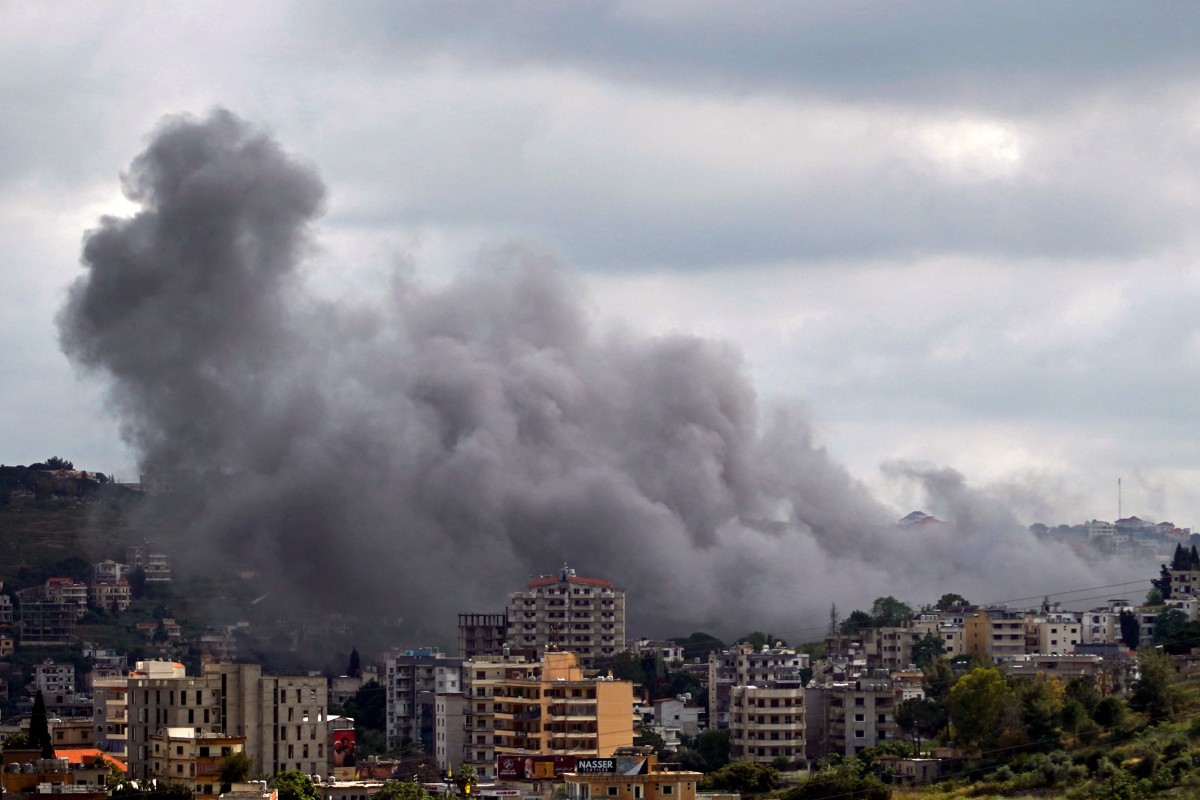
📌The draft memorandum of understanding clarifies that the war between Israel and Hezbollah in Lebanon will end
📌According to an Israeli official, Netanyahu expressed concern to Trump about the condition to end the war against Hezbollah
📌According to an American official: The agreement allows Israel to take actions in Lebanon if Hezbollah attempts to rearm
Does Iran Relinquish Uranium Enrichment?
In American leaks regarding the text of the understanding, The New York Times quoted U.S. officials as saying that Iran had agreed, as part of the agreement announced by Donald Trump, to relinquish its stockpile of highly enriched uranium within the framework of a nuclear understanding currently under development.
The officials explained that the proposal stipulates that Tehran would be required to relinquish its stockpile of highly enriched uranium, but the mechanism for implementing the handover has not yet been determined, with the details left for future negotiations.
The newspaper added that any final agreement would also include the release of billions of dollars in Iranian assets frozen abroad. However, Iran would not gain access to the bulk of those funds unless a comprehensive nuclear agreement is ultimately reached.
The Iranian Foreign Ministry
However, he stressed that the framework would not resolve all outstanding issues, most notably the Tehran nuclear file, which would be postponed to a later stage of negotiations.
Simultaneously, Marco Rubio spoke of a “chance” that Iran could soon agree to a deal with the United States.
What is the Fate of the Nuclear Issue?
In a related context, Baghaei emphasized that the nuclear issue will not be part of the current understanding framework.
He explained: “At this stage, we will not address the details of the nuclear issue. We know that our nuclear file has previously been used as a pretext for two wars against the Iranian people.” He added: “We want the nuclear issue and other matters to be discussed separately at a later stage, within thirty to sixty days, or any mutually agreed timeframe. For now, our absolute priority is ending the war.”
Apart from the nuclear issue, the future of the Strait of Hormuz remains one of the main points of contention in the talks between Tehran and Washington. Iran has effectively closed the strategic waterway — vital for global energy supplies and shipping — since the outbreak of the war on February 28, while Washington responded by imposing a naval blockade on Iranian ports beginning in early April.
Ghalibag threatens
This apparent progress comes after weeks of stalemate and escalating mutual threats.
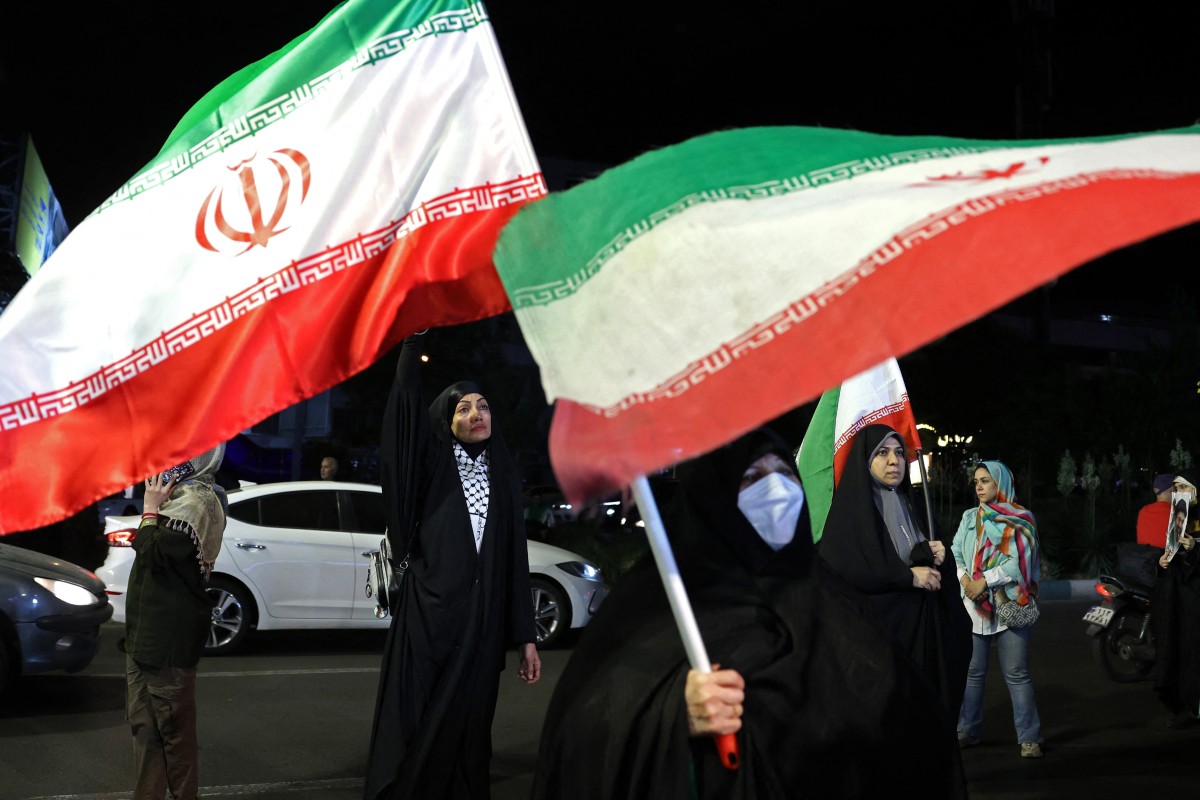
Mohammad Bagher Ghalibaf, who headed the Iranian negotiating delegation, warned on Saturday of a “decisive” response if Washington resumed the war, amid media reports suggesting that Donald Trump is considering new strikes against Iran.
In a statement published on social media, Ghalibaf said: “Our armed forces rebuilt themselves during the ceasefire period. If Trump commits folly and resumes the war, the response for the United States will be more decisive and bitter than on the first day of the attack against Iran.”
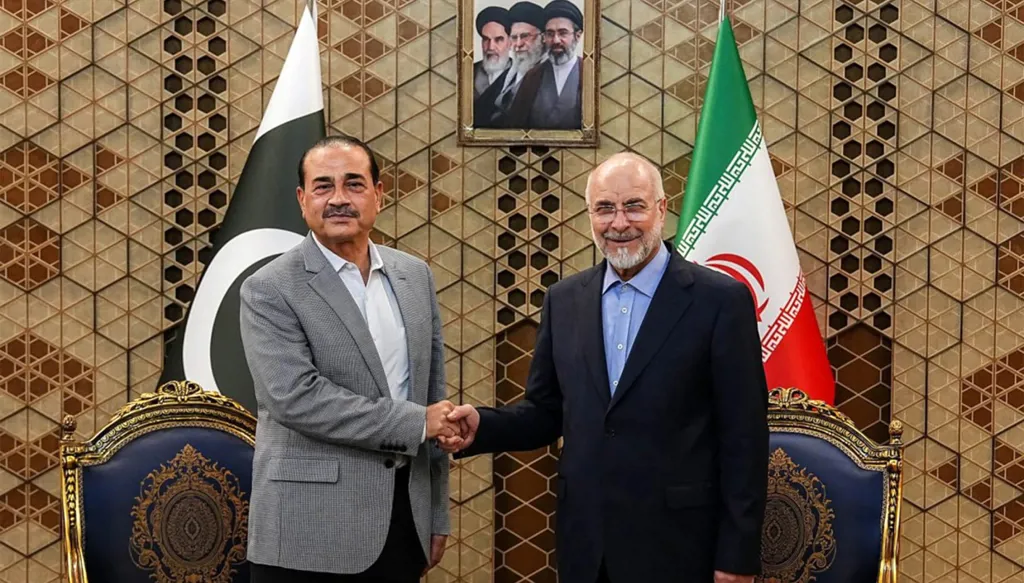
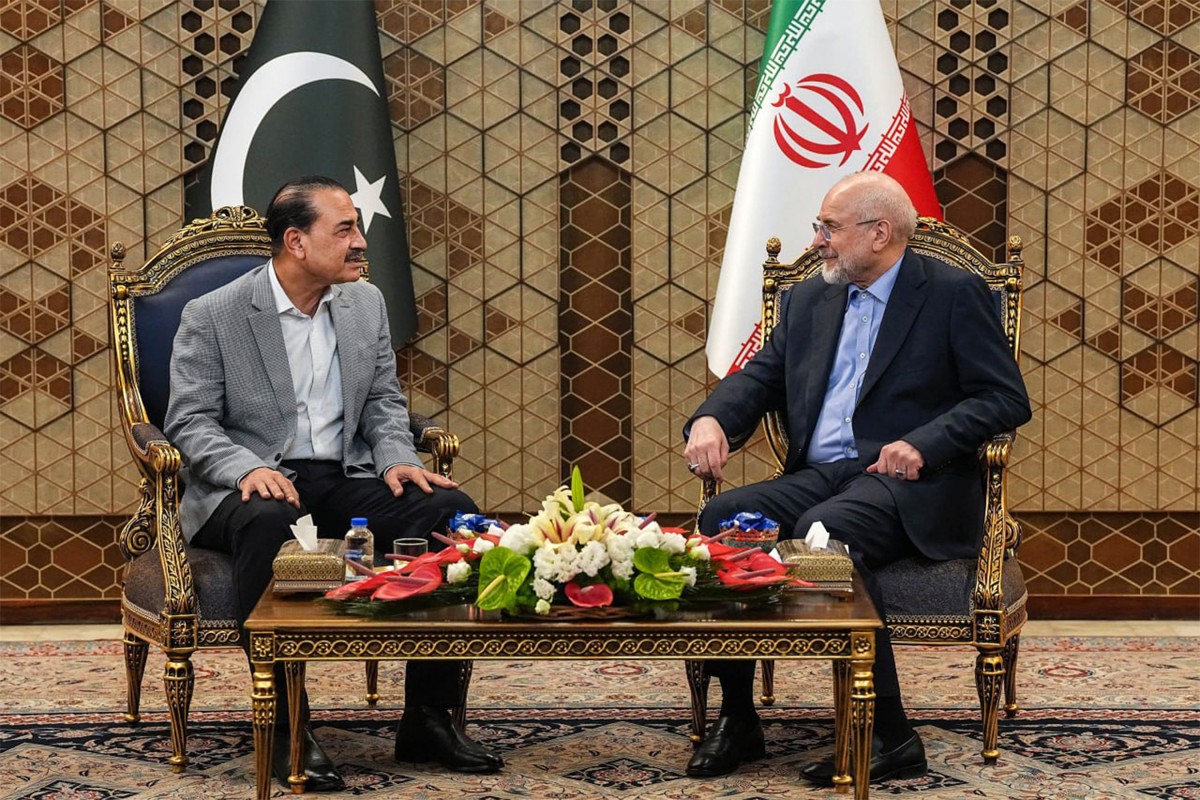
The statement came after a meeting between Ghalibaf and Pakistani army chief Asim Munir before the latter departed Tehran.
Ghalibaf also held phone talks with his counterparts in Turkey, Iraq, Oman, and Qatar, according to Islamic Republic News Agency, as the repercussions of the conflict spread across the Middle East and the Gulf region.
Meanwhile, Tamim bin Hamad Al Thani spoke by phone with Donald Trump on Saturday, calling for “peaceful solutions,” according to the Qatari Amiri Diwan.
The Emir of Qatar also held discussions with the Saudi Crown Prince and the President of the UAE, while Mohammed bin Abdulrahman Al Thani intensified consultations with the foreign ministers of the UAE, Egypt, Jordan, and Turkey.
In Paris, circles close to Emmanuel Macron said he held talks on Saturday with Donald Trump and the leaders of the UAE, Qatar, Saudi Arabia, and Jordan.
Diplomatic sources indicated that “France is pushing for a diplomatic path and a negotiated settlement, giving top priority to fully reopening the Strait of Hormuz without tolls, consolidating the ceasefire, and then resuming negotiations on other outstanding issues.”
At the same time, American media reported that Washington is considering launching new military operations against Iran.
CBS News reported that the U.S. military is preparing for the possibility of carrying out bombing operations over the weekend, while Axios said Trump convened his top advisers on Friday to discuss the war.