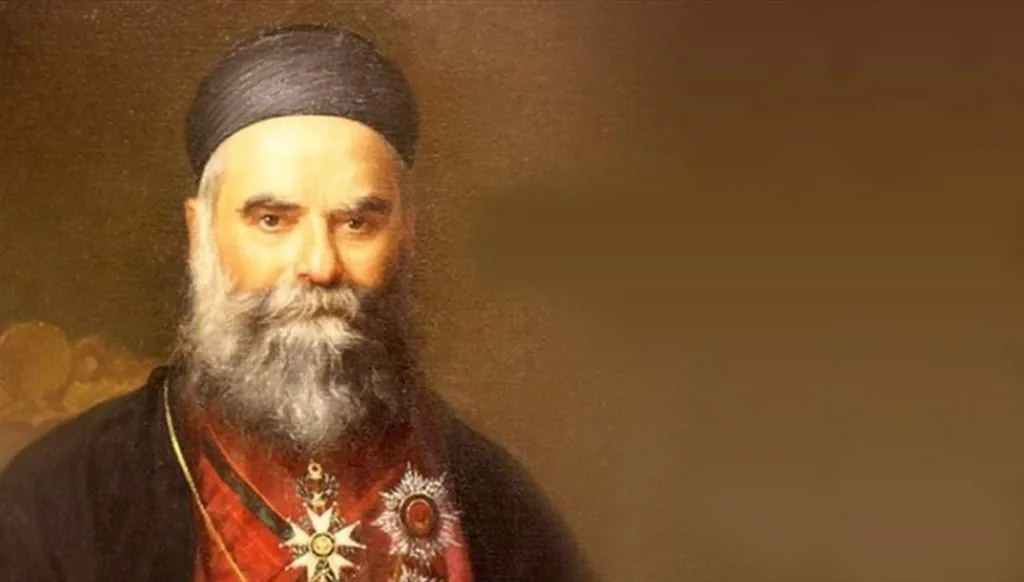
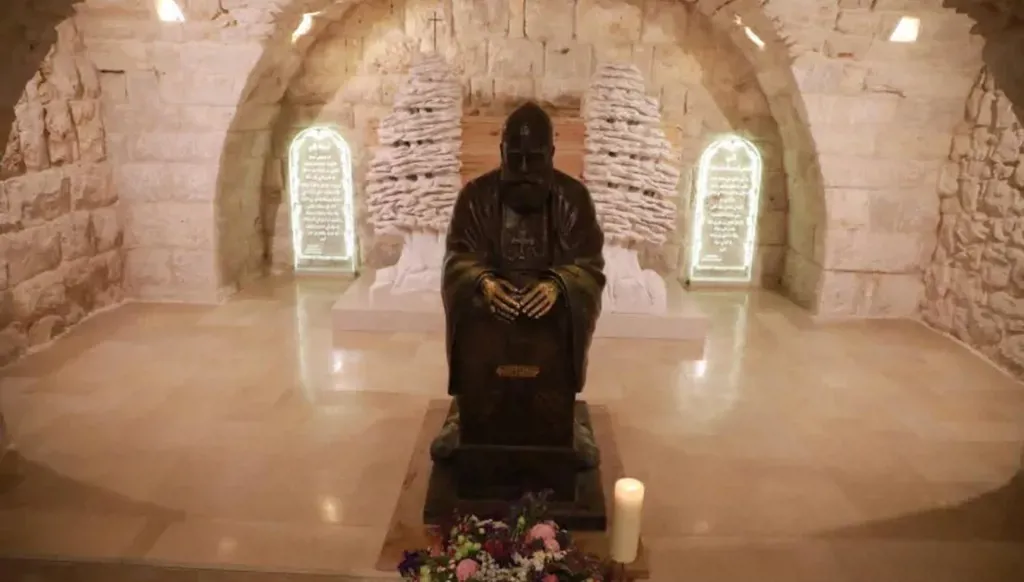
Pope declares beatification of Patriarch Elias Hoayek, founder of Greater Lebanon

Lebanon 23-05-2026 | 11:28

Pope declares beatification of Patriarch Elias Hoayek, founder of Greater Lebanon

Lebanon marks a historic moment as the Maronite Church’s influential patriarch is recognized as blessed, alongside papal decrees honoring other saints and venerable figures.


Pope declares beatification of Patriarch Elias Hoayek, founder of Greater Lebanon
Patriarch Elias Hoayek declared blessed.
Smaller Bigger

The Congregation of the Maronite Sisters of the Holy Family announced the beatification of its founder, Patriarch Elias Hoayek, patron of the family, priests, and Lebanon.


The congregation conveyed the news that His Holiness Pope Leo XIV signed the decree for his declaration as blessed today, Friday, May 22, 2026, to all Lebanese people, both in our beloved homeland and across the diaspora.


Patriarch Hoayek is considered the seventy-second Maronite Patriarch and the founder of “Greater Lebanon.” He is regarded as one of the most prominent ecclesiastical and national figures and was known as the “man of divine providence” and the “holy patriarch,” according to his contemporaries.


The Congregation emphasized that the announcement of his beatification represents a “heavenly blessing” at this time, noting that he “was a zealous shepherd and a spiritual leader who dedicated his life to serving God, the Church, the homeland, and humanity without distinction.”


The congregation concluded with a prayer for his intercession, giving thanks to God for this grace, and repeating: “My God, grant me to live and die in Your good pleasure.”


President Aoun


President of the Republic General Joseph Aoun welcomed the signing by His Holiness Pope Leo XIV of the decree announcing the beatification of the venerable Patriarch Elias Hoayek, founder of Greater Lebanon.


President Aoun, on behalf of Lebanon’s government and people, expressed gratitude to the Holy Father for his continued attention to Lebanon, especially amid the delicate circumstances and major challenges the country is going through.


He considered that this announcement, which coincides with the centenary of the proclamation of Lebanon’s Constitution, represents a “sign of divine providence” that accompanied the newly beatified figure, who worked to consolidate the idea of Greater Lebanon as a “homeland of coexistence among different sects within its historical and civilizational borders.”

The President of the Republic expressed hope that Lebanese people, of all affiliations, would draw inspiration from the spirit of action that distinguished the newly beatified figure, in a way that strengthens Lebanon’s position as a “focus of attention for the Holy See and the world,” and contributes to its resilience in the face of current challenges.


Papal decrees including new martyrs and venerable figures


The Pope authorized the issuance of six decrees from the Dicastery for the Causes of Saints, which included the declaration of the martyrs of Santander and the Lebanese Maronite Patriarch Elias Hoayek as blessed.


Several religious figures were also declared “venerable,” including the Salesian missionary Costantino Vendrami, the Cameroonian Carmelite brother Jean Thierry, the Spanish nun Maria Ana Alberdi Etchazarreta, and the Capuchin friar Nazarino da Pula.


Miracle of healing dating back to 1965


The approved miracle for the beatification of Patriarch Hoayek dates back to 1965 and involves the healing of army officer Naif Abu Assi, a Muslim from the Druze Unitarian sect, from chronic “bilateral spondylolysis,” after he woke up completely healed following a dream in which he saw Patriarch Hoayek.


Biography of the new blessed


Patriarch Elias Hoayek was born on December 4, 1843, in the Lebanese village of Halta. He entered the seminary at the age of sixteen before moving to Rome to study theology, where he was ordained a priest in 1870.


After returning to Lebanon, he founded, in cooperation with Mother Rosalie Nasr in the village of Aabri, the “Congregation of the Maronite Sisters of the Holy Family,” the first female religious congregation with an apostolic life in the Maronite Church.