

Optimism and Architecture: A journey through the Aga Khan award for architecture book
Rethinking heritage as a living system where preservation becomes activation and architecture becomes dialogue.



 Messenger
 Whatsapp
 Threads
 Email
Email
 Print
Print
 X
X
 Facebook


Mohammad Adham Al-Sayyed
After discussing “spectacle architecture” in the previous article, it becomes clear that the book “Optimism and Architecture” does not aim to present a formal alternative but rather proposes a practical approach that calls for a radical shift in the way of thinking. Heritage is one of the most prominent fields where this transformation is evident; it is not viewed as an aesthetic backdrop or material for decoration, but as a living system of knowledge that can be reactivated.
From this perspective, engaging with heritage becomes an act of optimism, as it assumes that the past is still capable of contributing to the shaping of the future, not as a burden but as a possibility. The role of optimism here is reflected in the shift from nostalgia or rigid preservation to reinterpretation and production. Instead of viewing heritage as something that must be protected from change, it can be seen as a dynamic material that is reshaped to meet current needs.
This shift requires confidence that societies are capable of developing their own tools, away from importing ready-made models, which reflects an intellectual optimism in the ability of the local context to generate contemporary solutions rooted in its own foundations
From an architectural perspective, this understanding allows for the reuse of traditional elements such as courtyards, local materials, and natural ventilation systems within modern design approaches that respond to environmental and economic challenges. Socially, preserving heritage is not limited to protecting buildings alone, but extends to safeguarding the ways of life associated with them, thereby strengthening a sense of belonging and continuity. Economically, heritage can serve as a driver of local development by supporting traditional crafts, revitalizing cultural tourism, and creating new job opportunities in restoration and sustainable construction fields.
From preservation to activation
Many urban policies reduce the treatment of historic cities to a preservation logic based on strict regulations, superficial restoration, and the transformation of neighborhoods into mere tourist attractions. This approach often leads to a harsh paradox, where we succeed in preserving the stone, but fail to preserve the community that gave that stone its meaning.
This book proposes a qualitative shift from the concept of “preservation” to “activation,” where optimism does not mean freezing the past, but rather believing in the ability of historical structures to accommodate new functions, and in the idea that architectural traditions contain an environmental and social logic capable of serving the present. In this way, heritage is not seen as a regulatory burden, but as a reservoir of tested solutions.
As discussed in a previous article, the project for revitalizing the historic city of Esna in Egypt serves as a key model that highlights the importance of heritage preservation while involving the local community in the process. The city was not treated as an archaeological site detached from time, but rather as a living organism through a series of precise interventions such as façade restoration, upgrading public spaces, reorganizing community activities, and supporting traditional crafts.
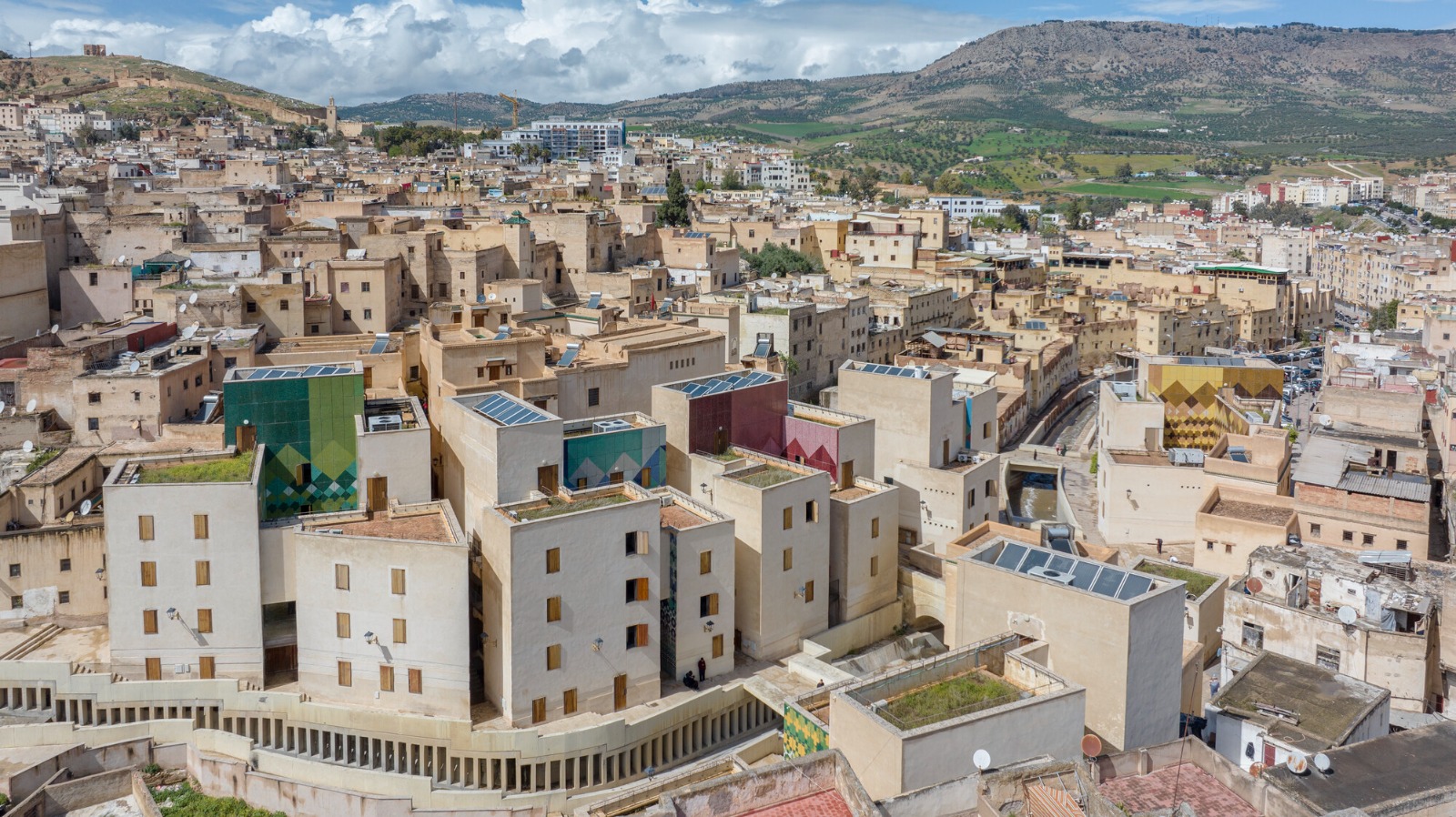
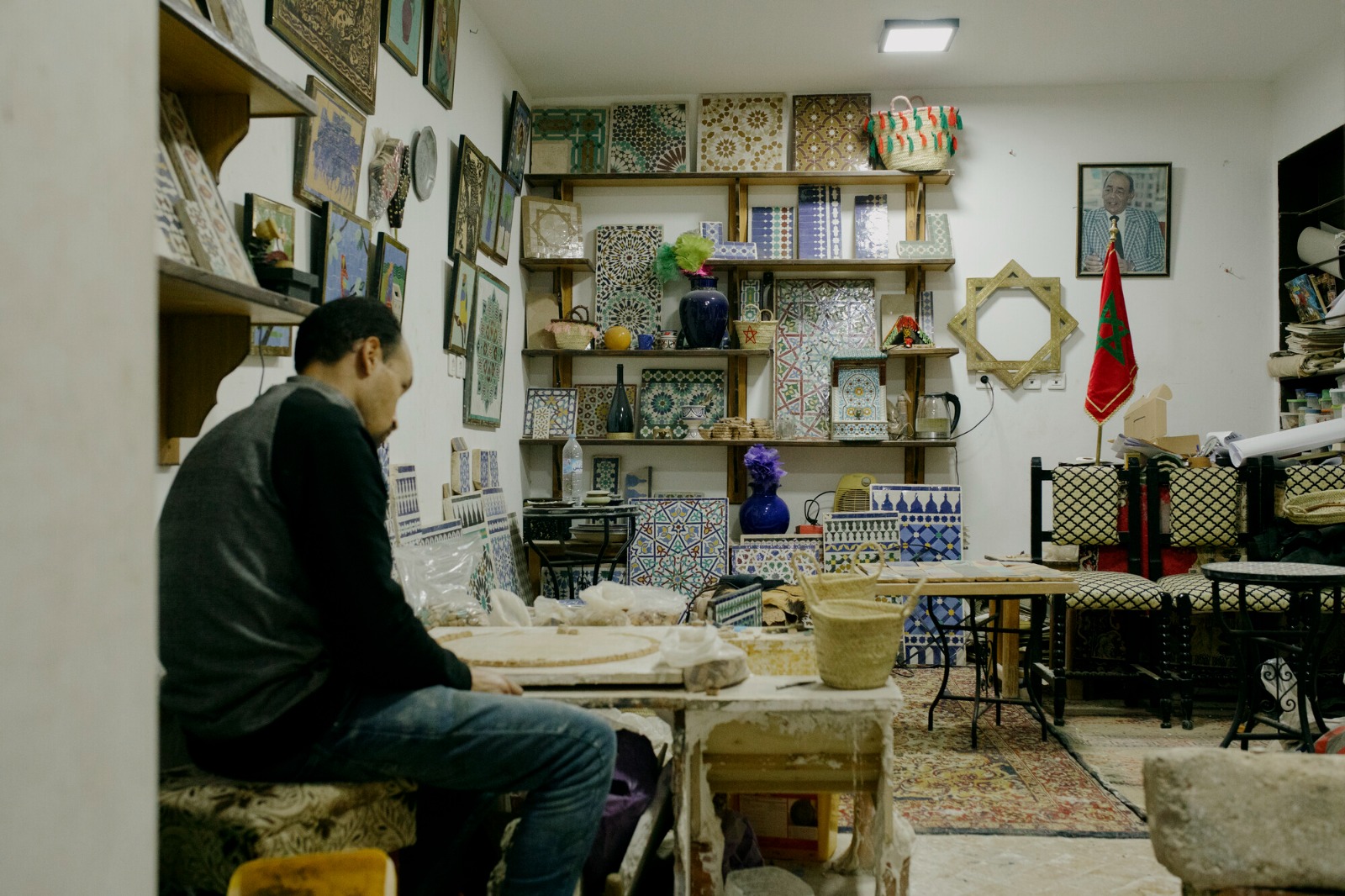
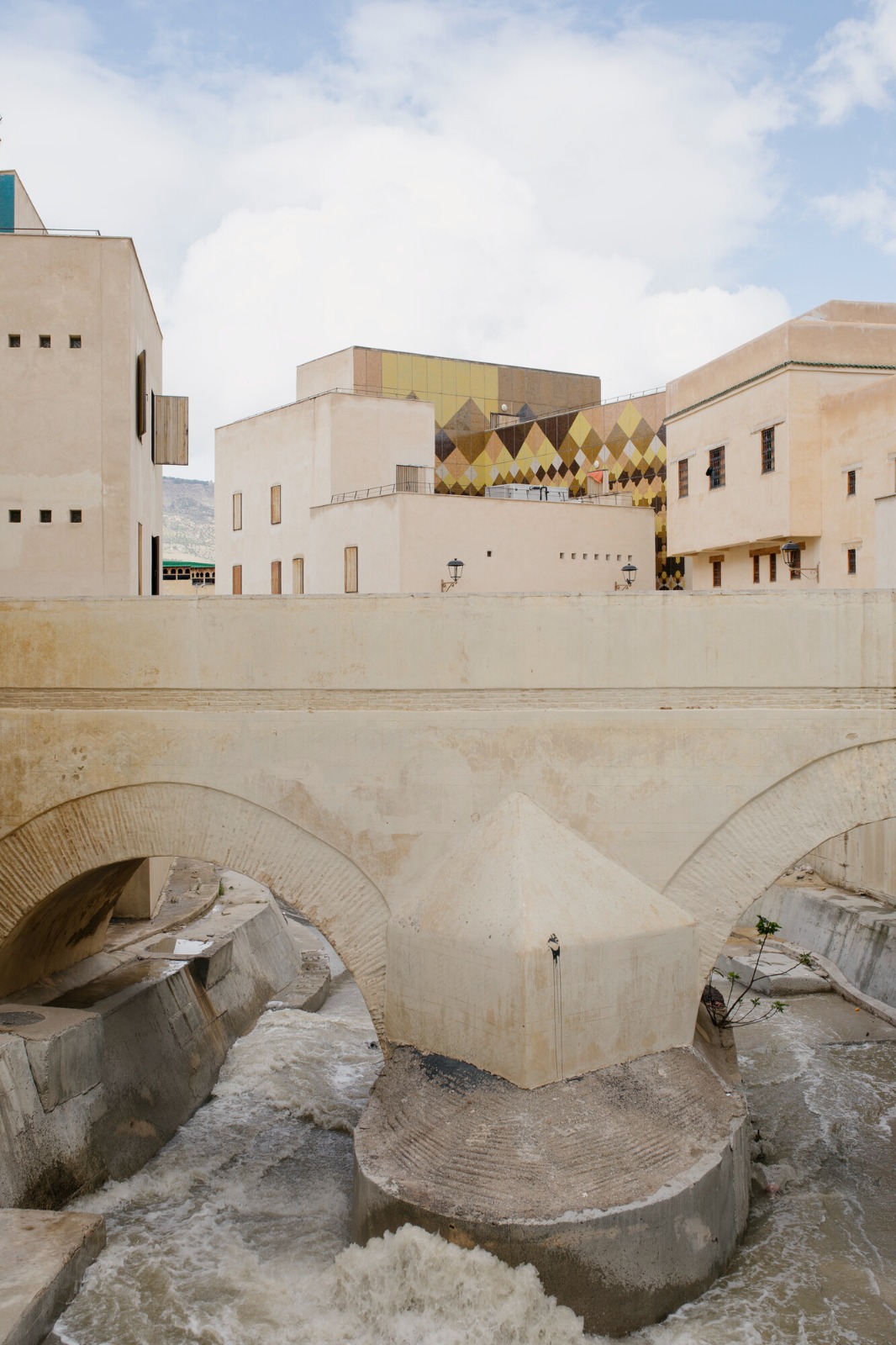
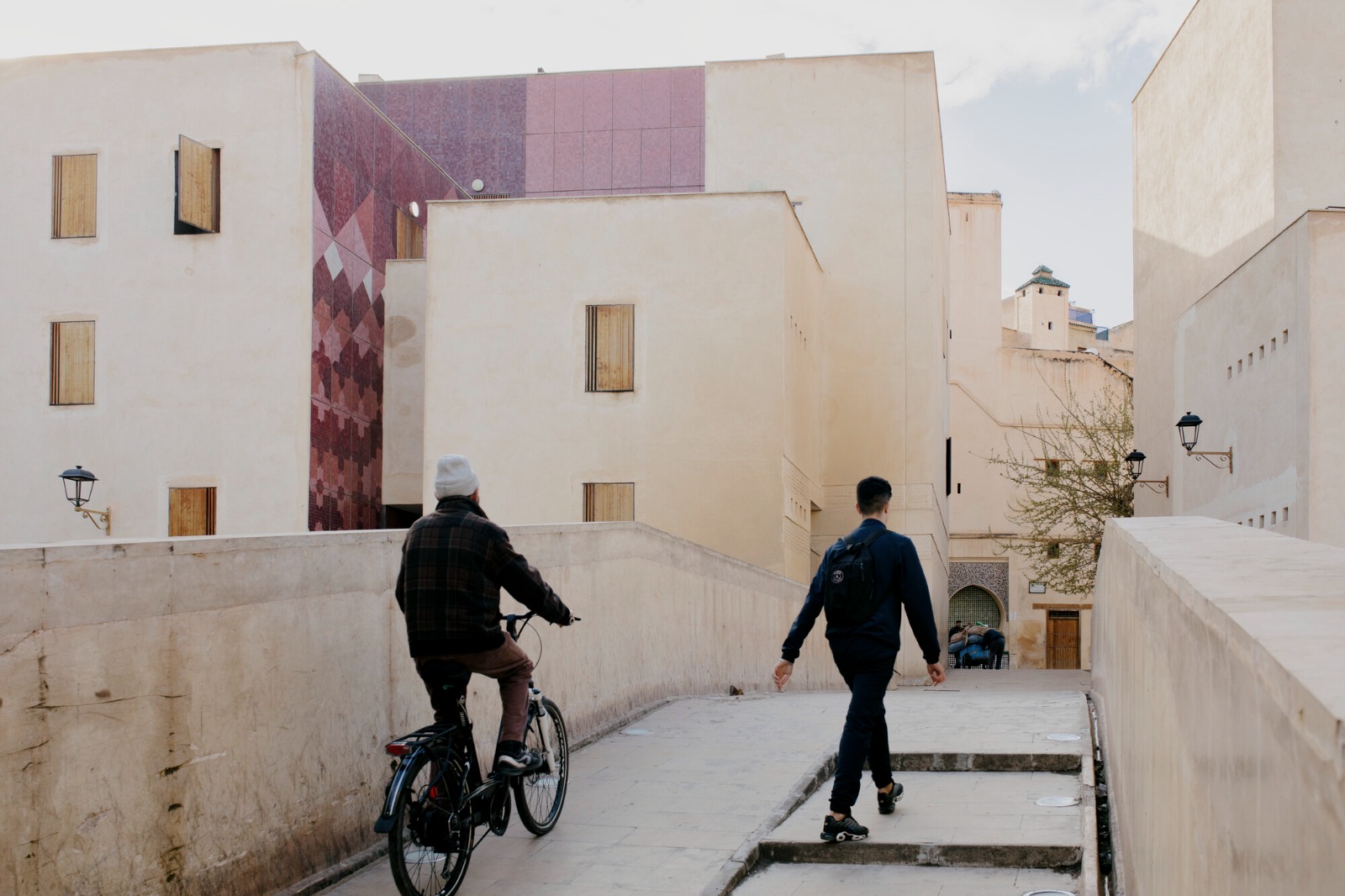
The same approach is evident in the rehabilitation project of Lalla Yeddouna Square in the city of Fes in Morocco. The square, located in the heart of the medina of Fes, was not viewed as a deteriorated urban void, but as a vital element within a network of social and economic relations. The intervention was not intended for cosmetic improvement, but rather formed part of a comprehensive vision aimed at reconnecting the different parts of the city with one another.
One of the most important dimensions of the project is the reorganization of movement, not only traffic flow, but also the movement of people, crafts, and goods. Historically, the square served as a transit point linking artisanal production areas with markets, but this chain was disrupted as it deteriorated. For this reason, the redesign of the paving, the improvement of accessibility, and the clarification of pathways were introduced to restore the square’s function as a connecting link rather than a barrier.
In addition, the project focused on rehabilitating the surrounding buildings, particularly those associated with traditional crafts, not with the aim of turning them into static exhibitions, but to support the continuity of their use. Here, the economic dimension of heritage becomes clear: preserving craft is not merely a cultural act, but a condition for the sustainability of the place itself. Without daily activity, the square would become a silent scene, no matter how high the quality of its restoration.
Optimism here lies in the belief that this cycle can be restored, not by reproducing the past as it was, but by reinterpreting it. Traditional crafts, for example, can adapt to new markets, and tourism can become a resource, provided that it does not turn into a form of consumption that empties the place of its residents.
In short, the book proposes a fundamental shift in the way heritage is approached: from viewing it as a static “scene” to understanding it as a dynamic “process.” While success in the first model is measured by the aesthetic quality of the image, in the second it is measured by the ability of the place to continue existing as a living environment. Within this context, the experiences presented in the book, such as the case of the city of Fes, are not merely successful models, but examples of an alternative methodology. The shift from formal restoration to reintegrating historic spaces into everyday life reveals a deeper understanding of the city as an integrated social and economic system, rather than merely an urban fabric.
Heritage as Environmental Knowledge
When discussing optimism in architecture, heritage emerges as a living source of knowledge rather than a static memory, especially when read from an environmental perspective. The elements that shaped traditional architecture, such as thick walls, courtyards, shading, and the use of local materials, are not merely cultural expressions, but the outcome of long-term experience in adapting to climate and resource constraints. These solutions, refined over centuries, reveal an “environmental rationality” that makes heritage a practical reference for addressing contemporary challenges, foremost among them the climate crisis.
The optimism proposed in the book is not found in the constant pursuit of complex technical solutions detached from context, but in the belief that part of the answer already lies in what past societies have produced. This optimism does not call for replicating the past or turning it into folklore, but rather for reinterpreting it and integrating it into present conditions, generating solutions that are both contemporary and rooted, innovative and grounded at the same time.
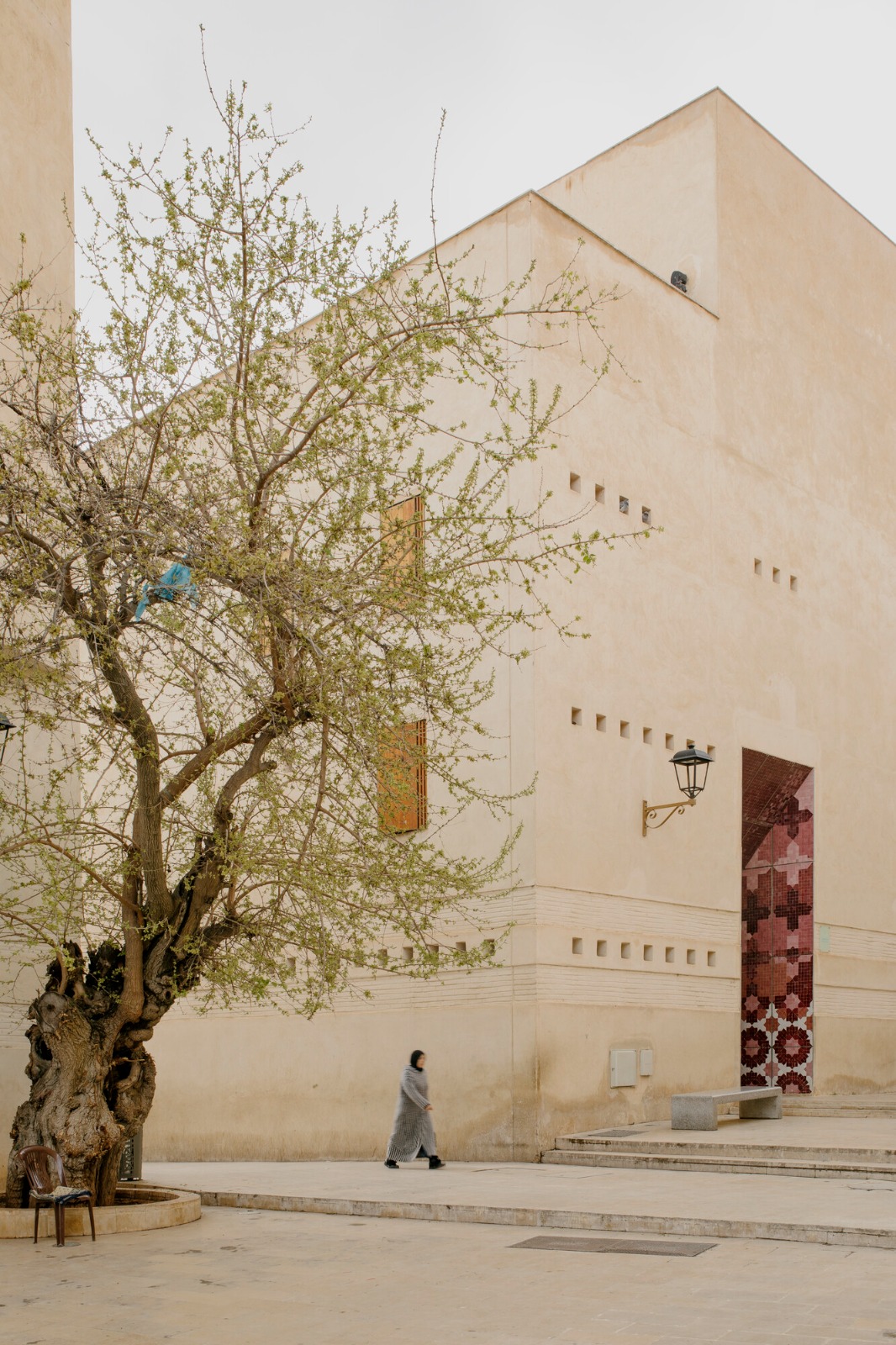
From this perspective, heritage preservation gains a deeper meaning that goes beyond safeguarding buildings to include ensuring the continuity of knowledge and its transmission to future generations as a tool for adaptation and renewal. This is an approach adopted by contemporary projects that move beyond the binary opposition of “preservation or modernization” toward a more comprehensive and integrated understanding.
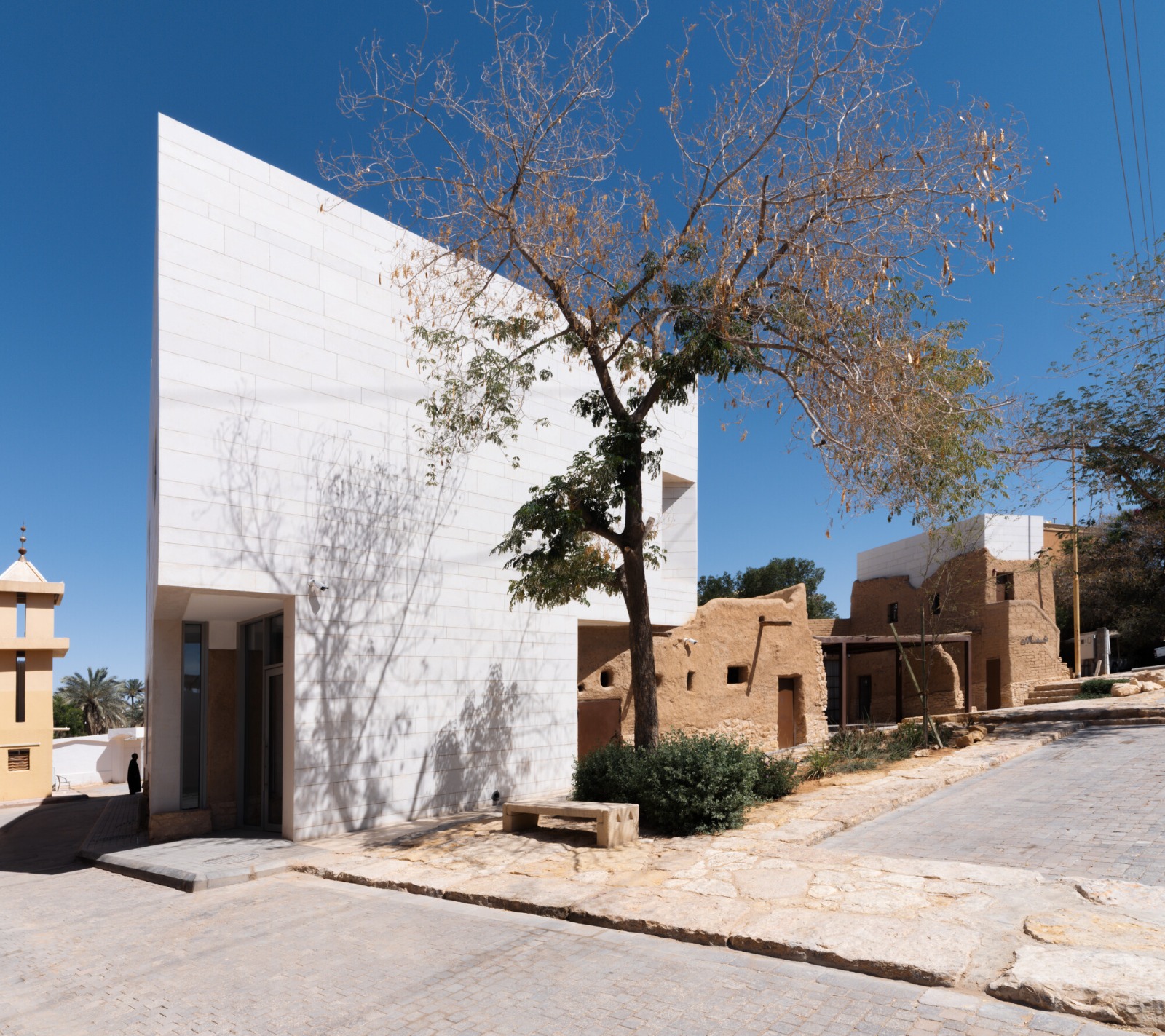
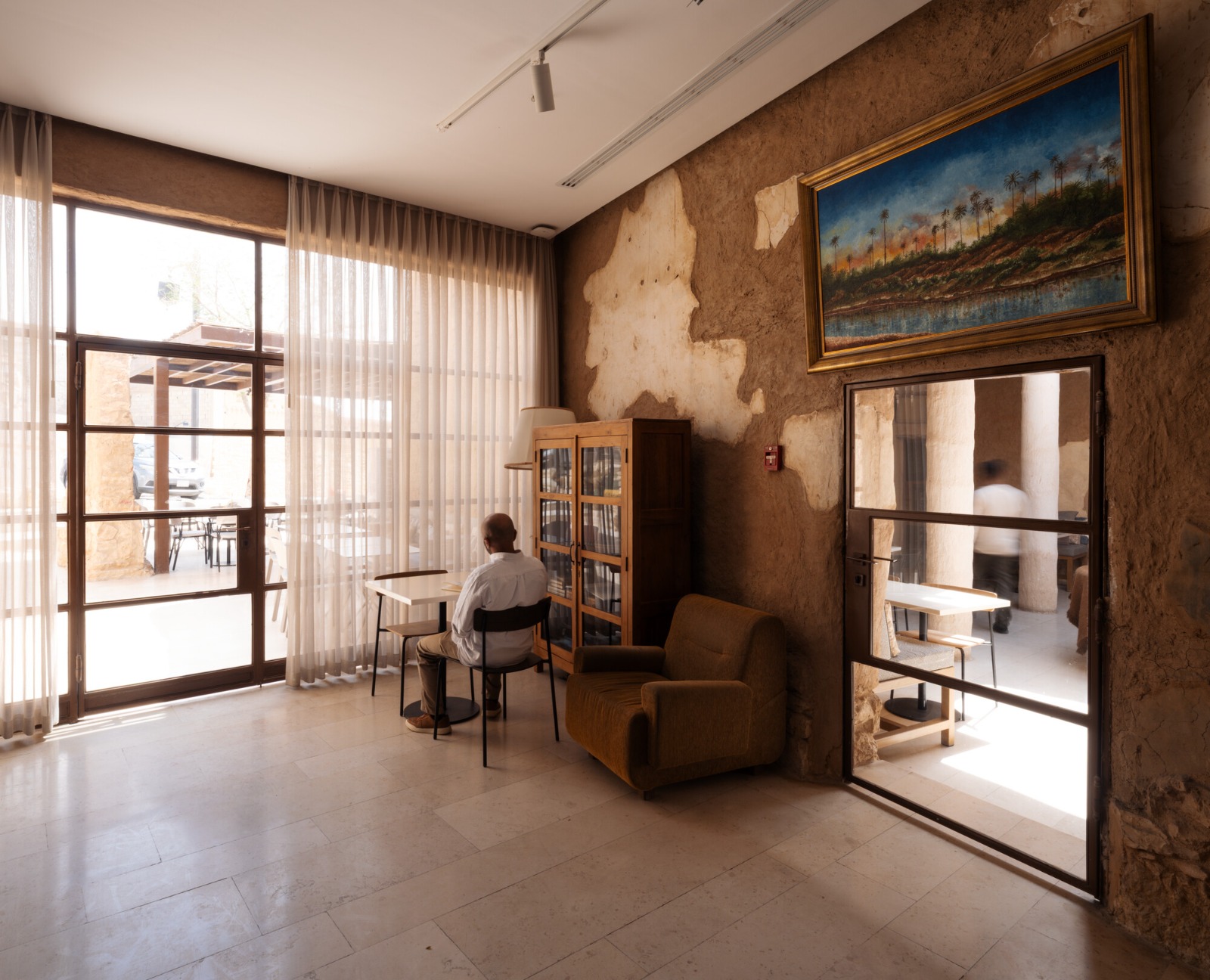
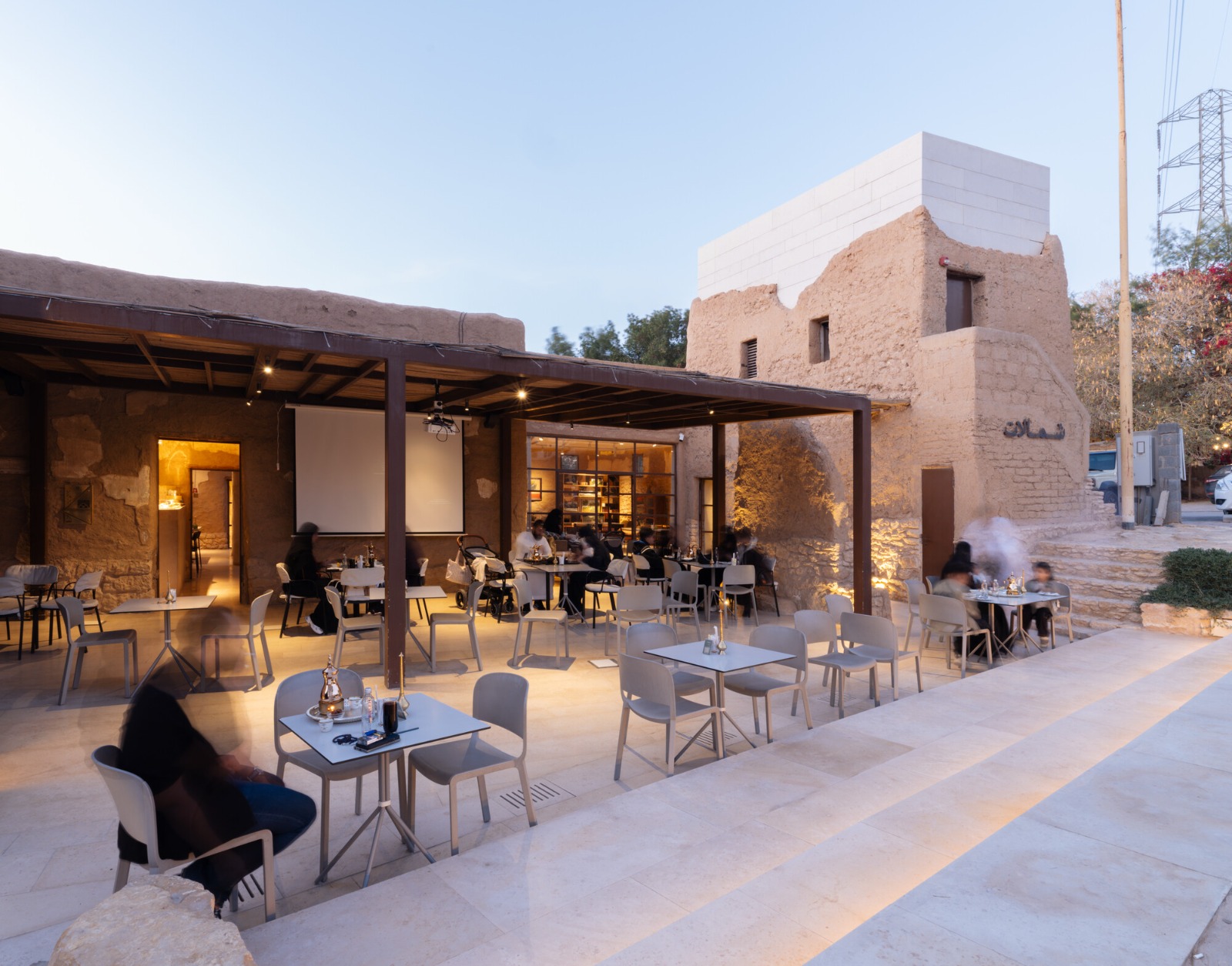
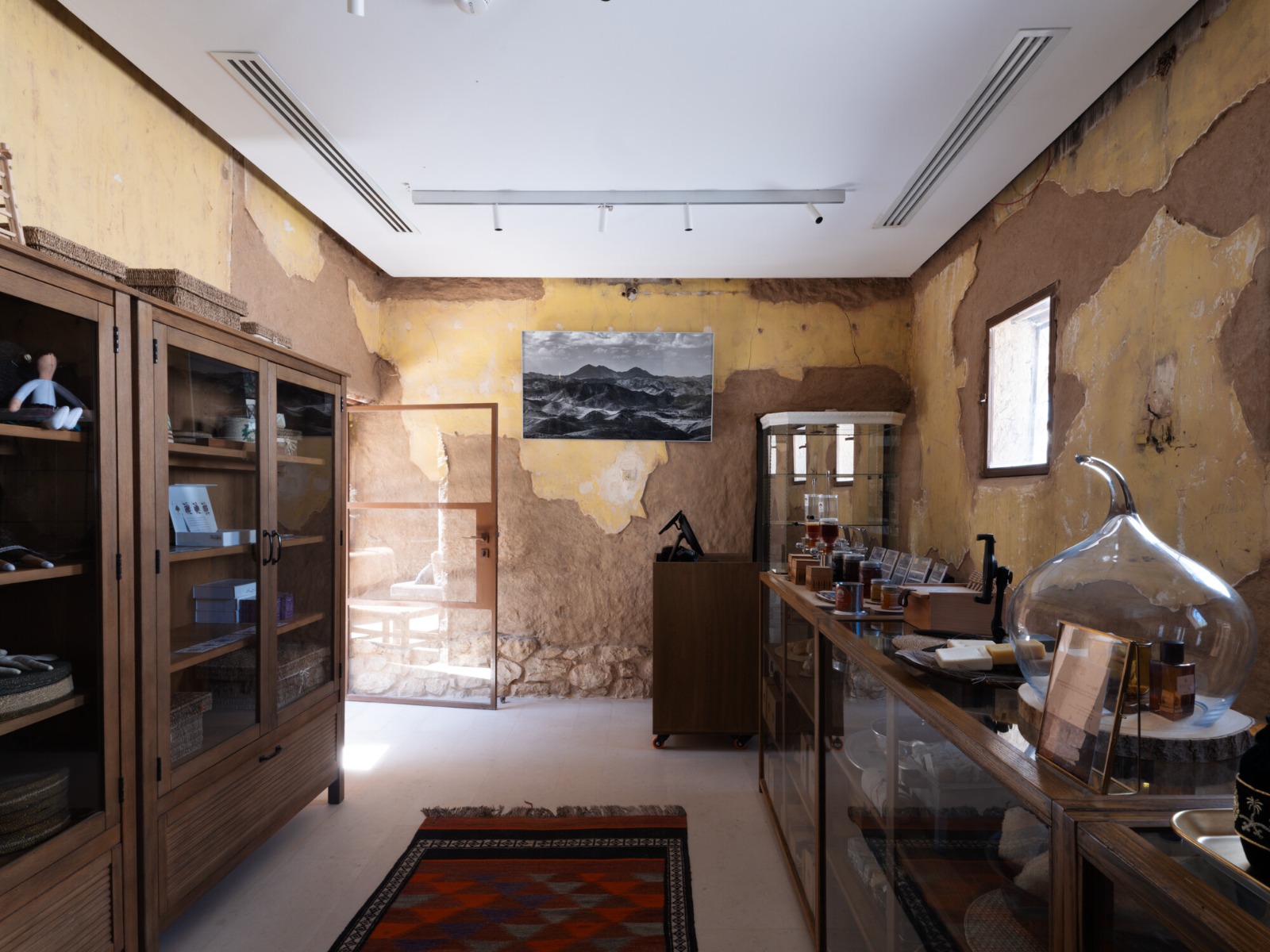
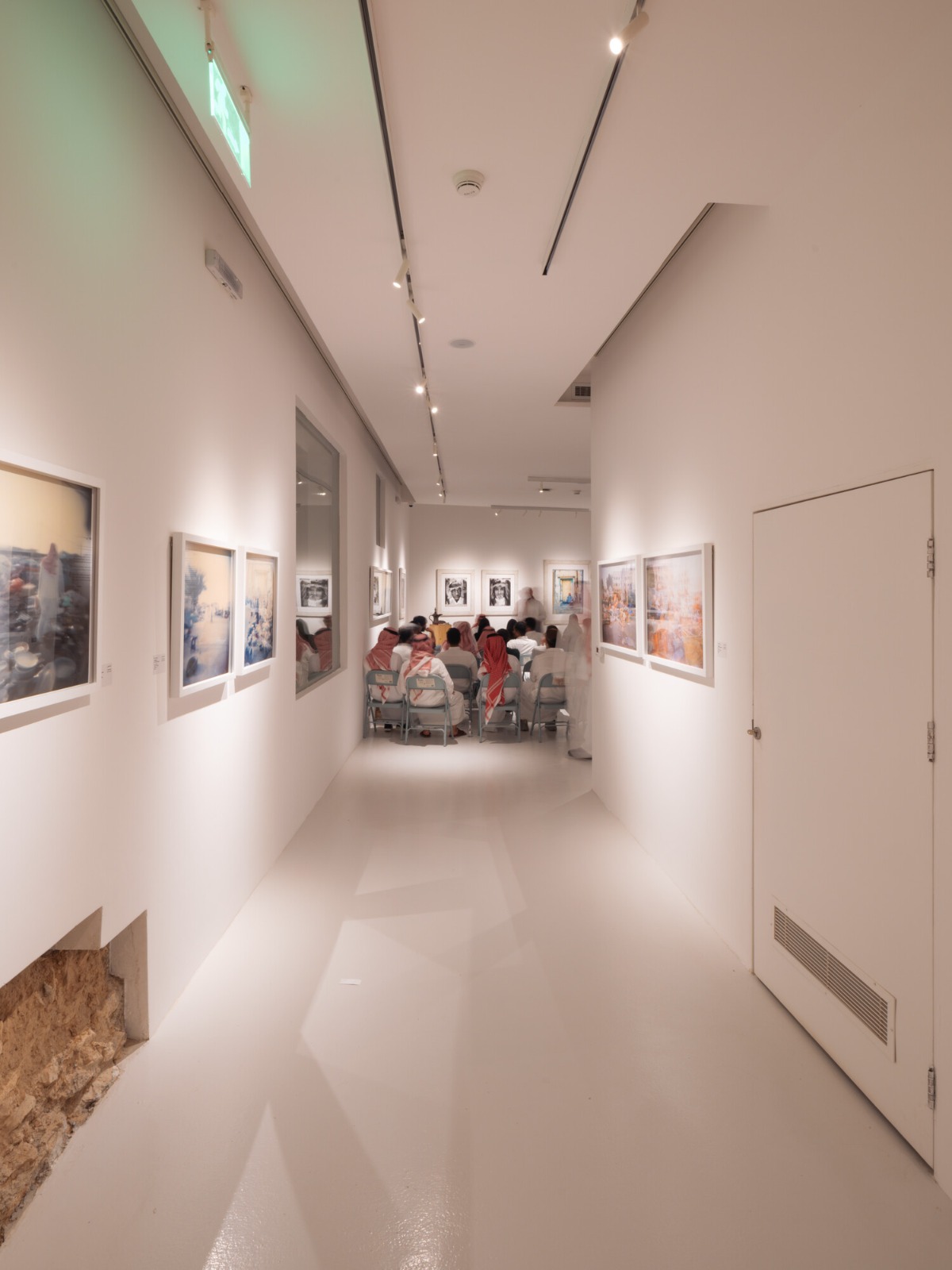
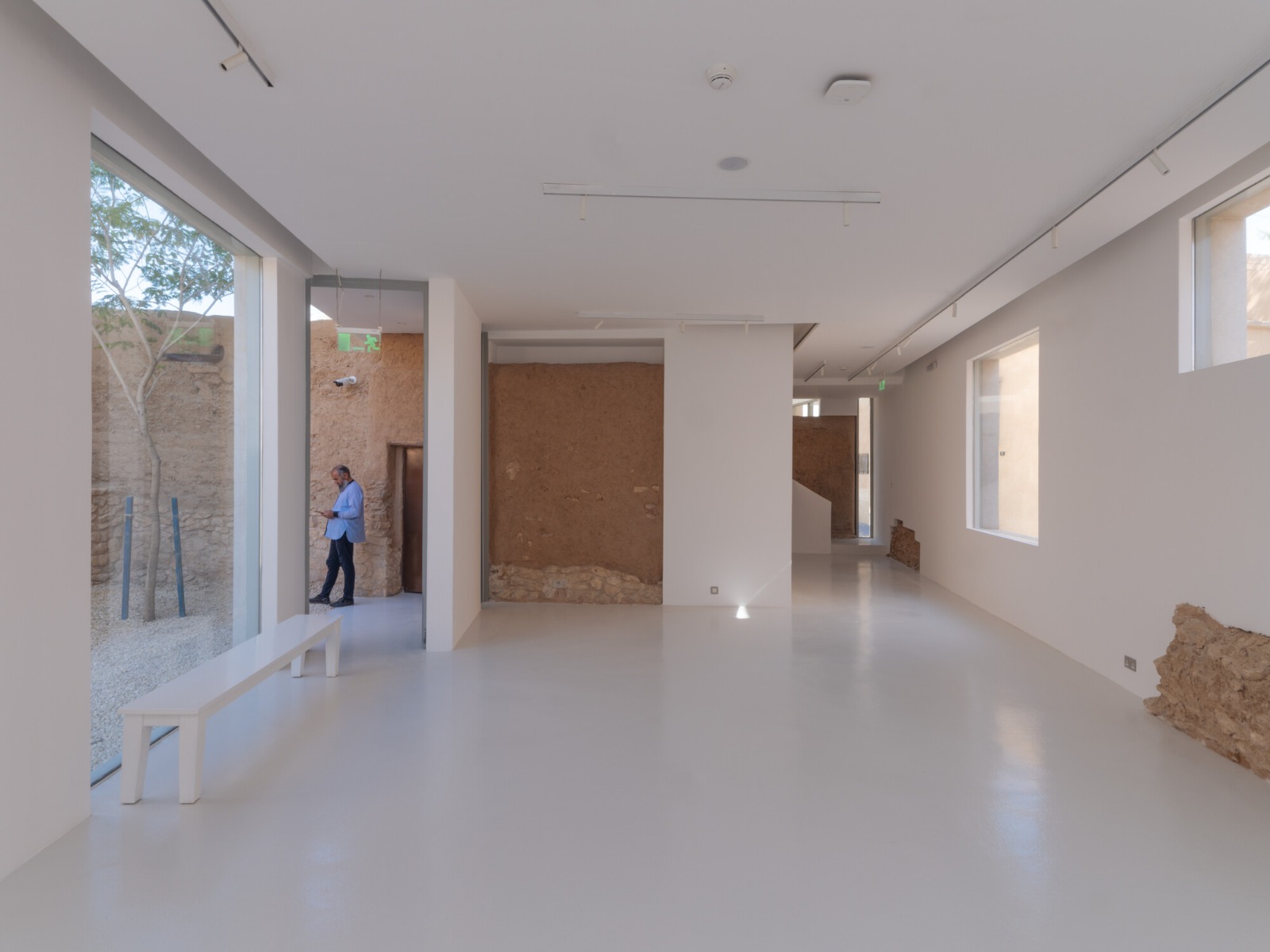
A clear example of this vision is the Shamalat Cultural Center in Diriyah. The project, which originated from a mud house reactivated by the artist Maha Malluh, does not treat the building as a static relic, but as a living entity capable of evolution.
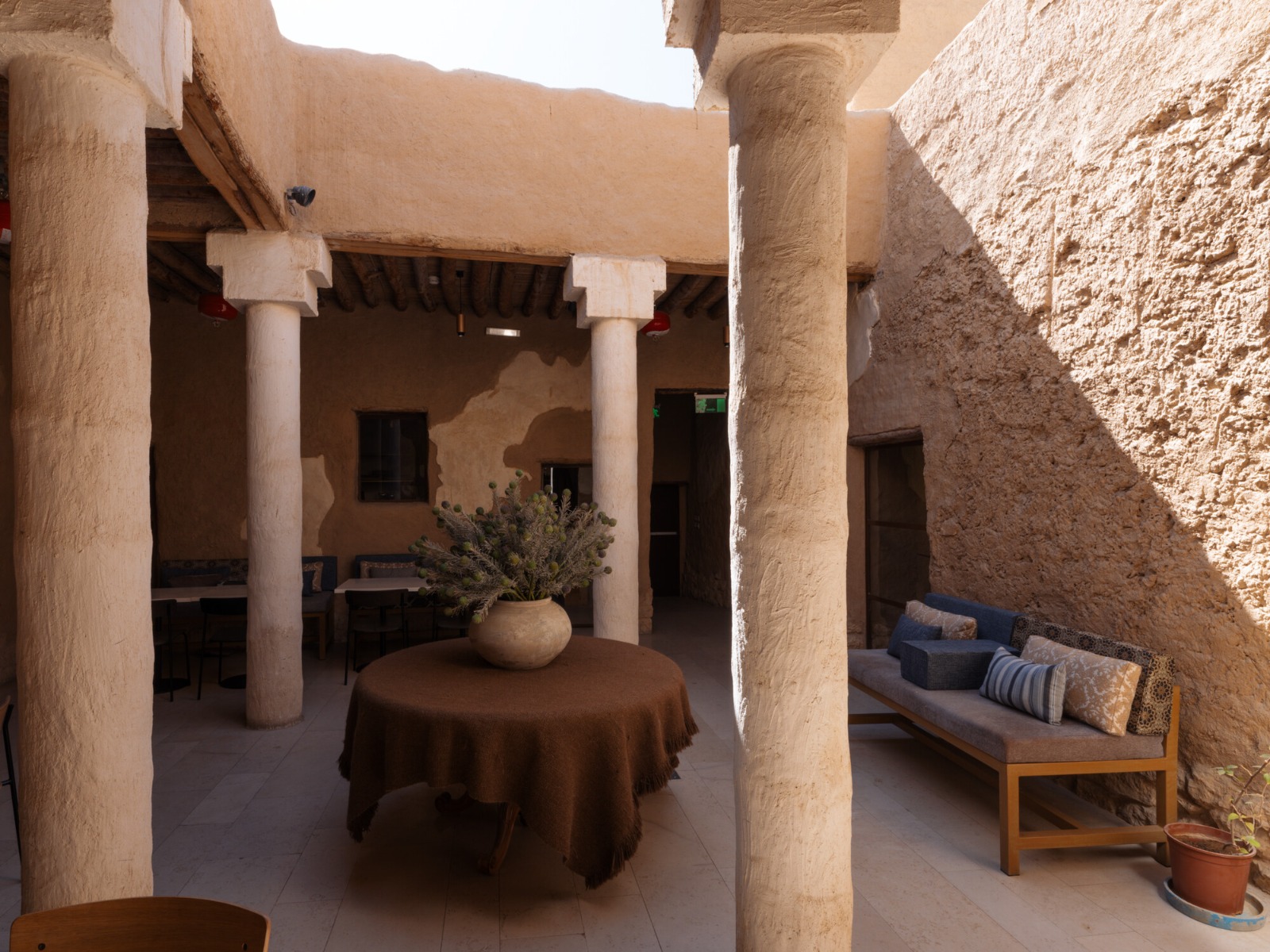
The renovation relied on an experimental approach that combines restoration and addition, preserving the original structural elements such as the mud walls while technically reinforcing them, alongside introducing contemporary interventions that meet the requirements of new use.
This overlap between the old and the new does not conceal the differences between them but rather highlights them in order to create an architectural dialogue that reflects the continuity of time instead of a rupture with it. The extension carried out within the original courtyard using materials such as Riyadh limestone does not erase spatial memory but instead reconfigures it.
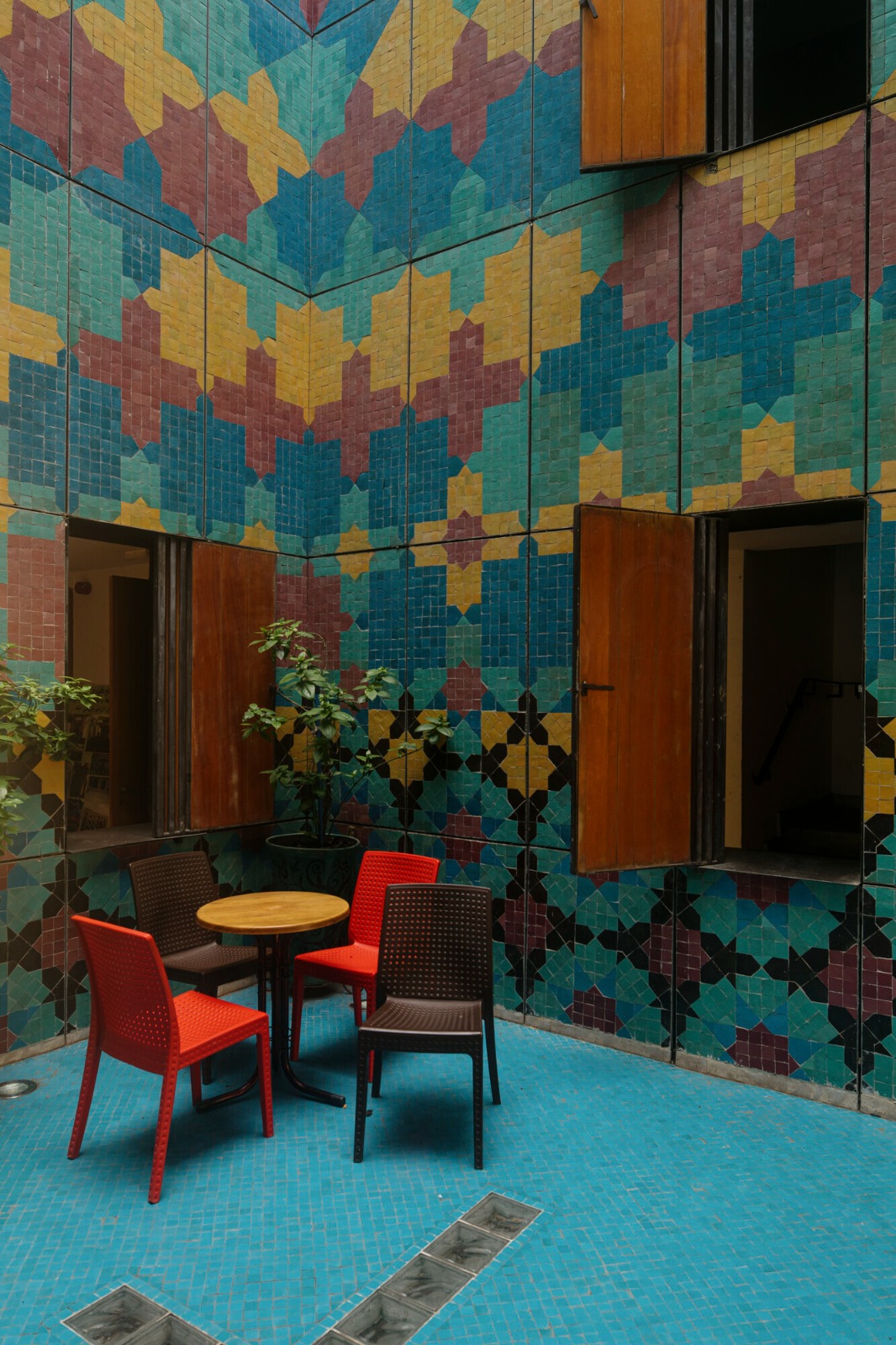
This shift from a “historic building” to a “cultural production platform” embodies the essence of optimism in architecture, which is grounded in the belief that heritage is not merely an inheritance to be preserved, but an energy that can be reactivated to become part of the present. In this sense, heritage is no longer just a regulatory burden or a symbolic value; it becomes a tool for design and knowledge, and a solid foundation for producing an architecture that is more aware of context and better able to respond to the challenges of time. Optimism here is not an abstract idea, but a practice that sees in what already exists the possibility of a different future, one that is more balanced and sustainable.
Between nostalgia and rupture
The relationship with heritage is often reduced to two opposing positions: either a romantic nostalgia that seeks to sanctify the past and preserve it as a finished model, or a modernist rupture that views the old as an obstacle to progress that must be eliminated. Between these two extremes, richer and deeper possibilities are lost.
The book proposes a third path based on the principle of “negotiation,” not as a fragile compromise, but as a conscious process that recognizes that the past is not flawless, and that the present cannot begin from a vacuum. This approach requires an intellectual humility that acknowledges that traditional architecture carries an environmental and social intelligence comparable to modern technologies, and that continuity, with its accumulation and adaptation, may in fact be more sustainable than radical rupture.
In this context, optimism in architecture shifts from a theoretical idea to a practical stance. It is built on confidence in the value of dialogue between different temporalities, where heritage is neither reduced to rigid molds nor erased in the name of modernization, but rather reinterpreted and reactivated. Here, optimism is the belief that balance is possible, and that architecture can become a space for creative dialogue between what was and what will be.
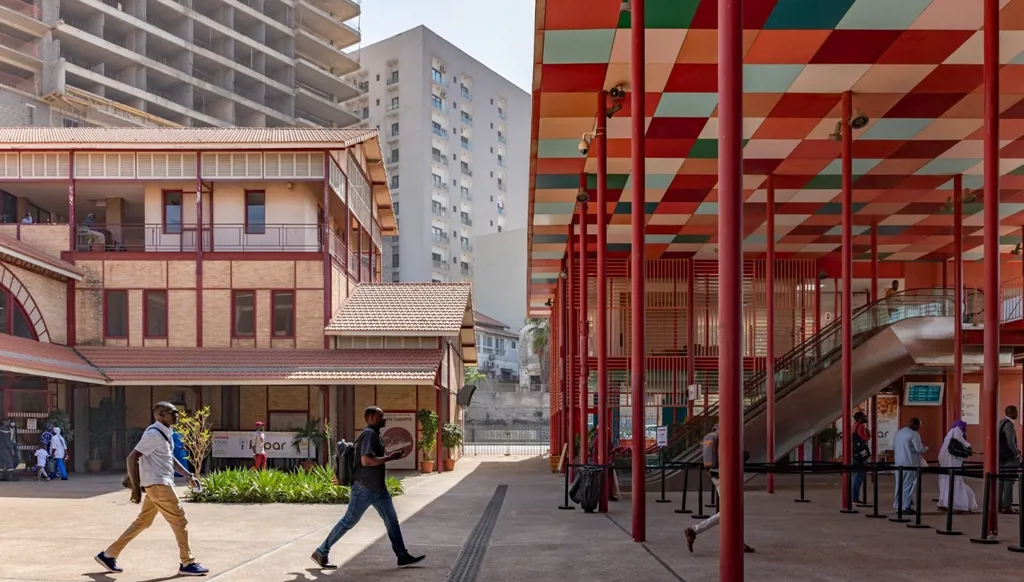
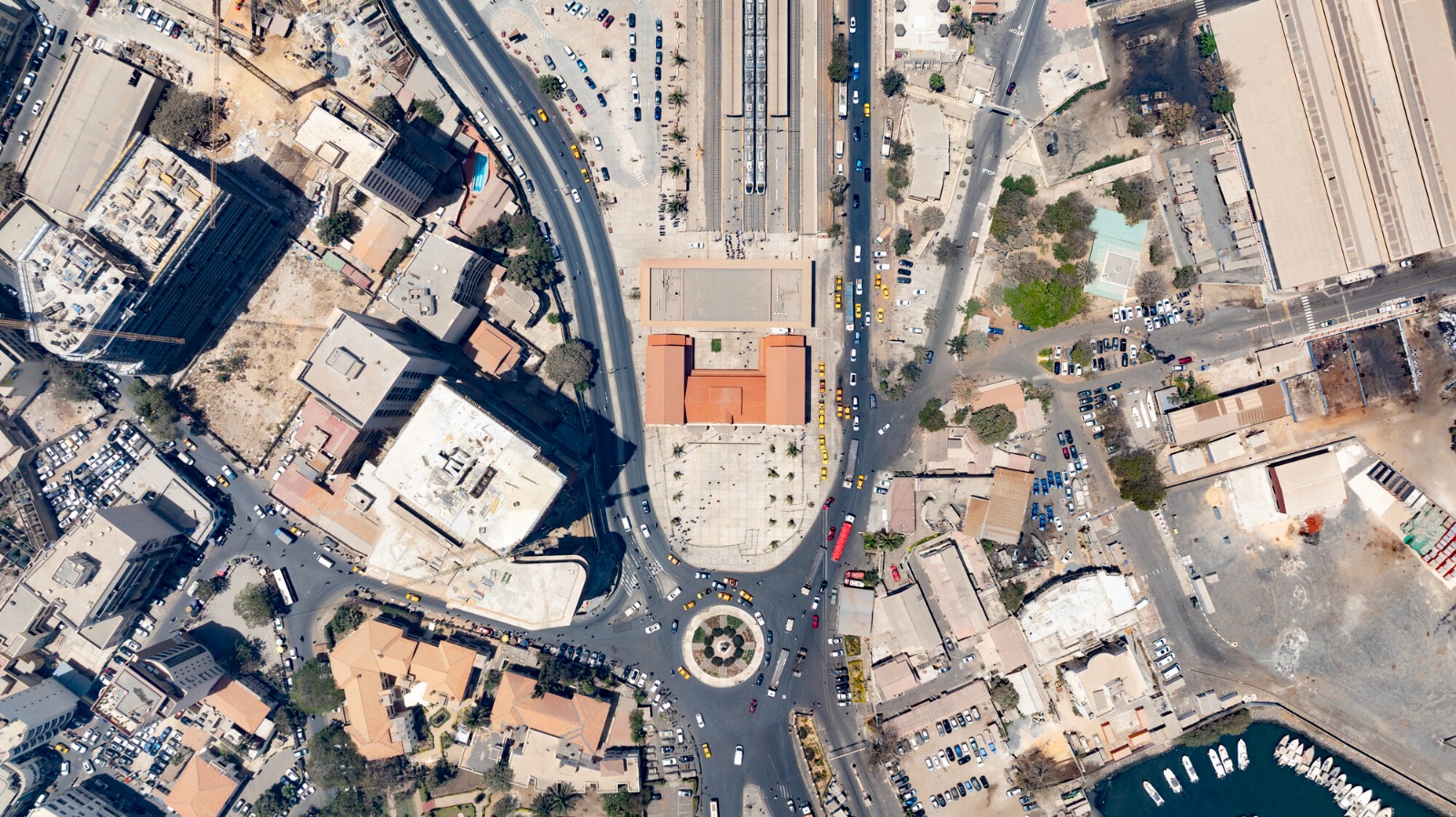
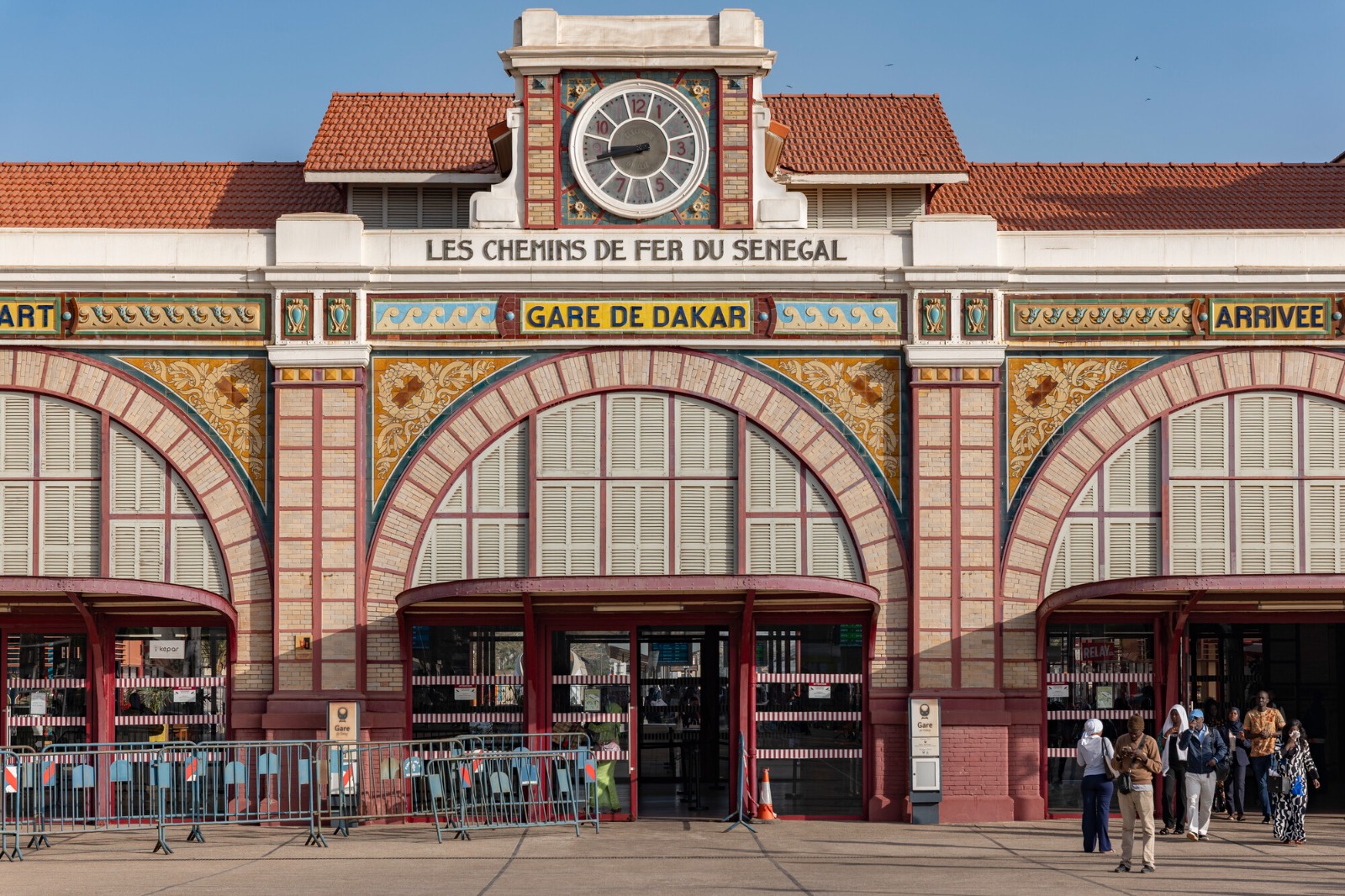
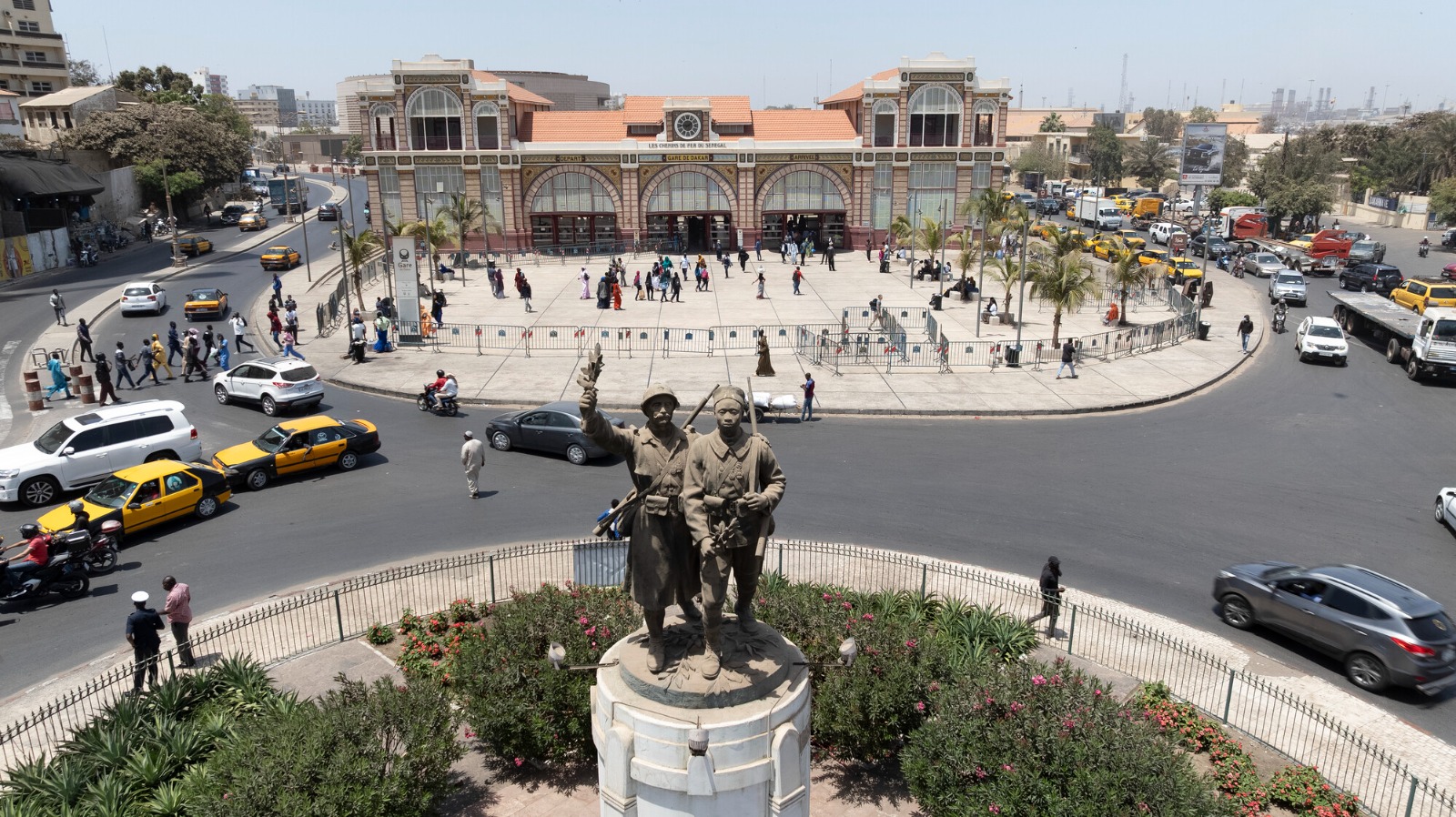
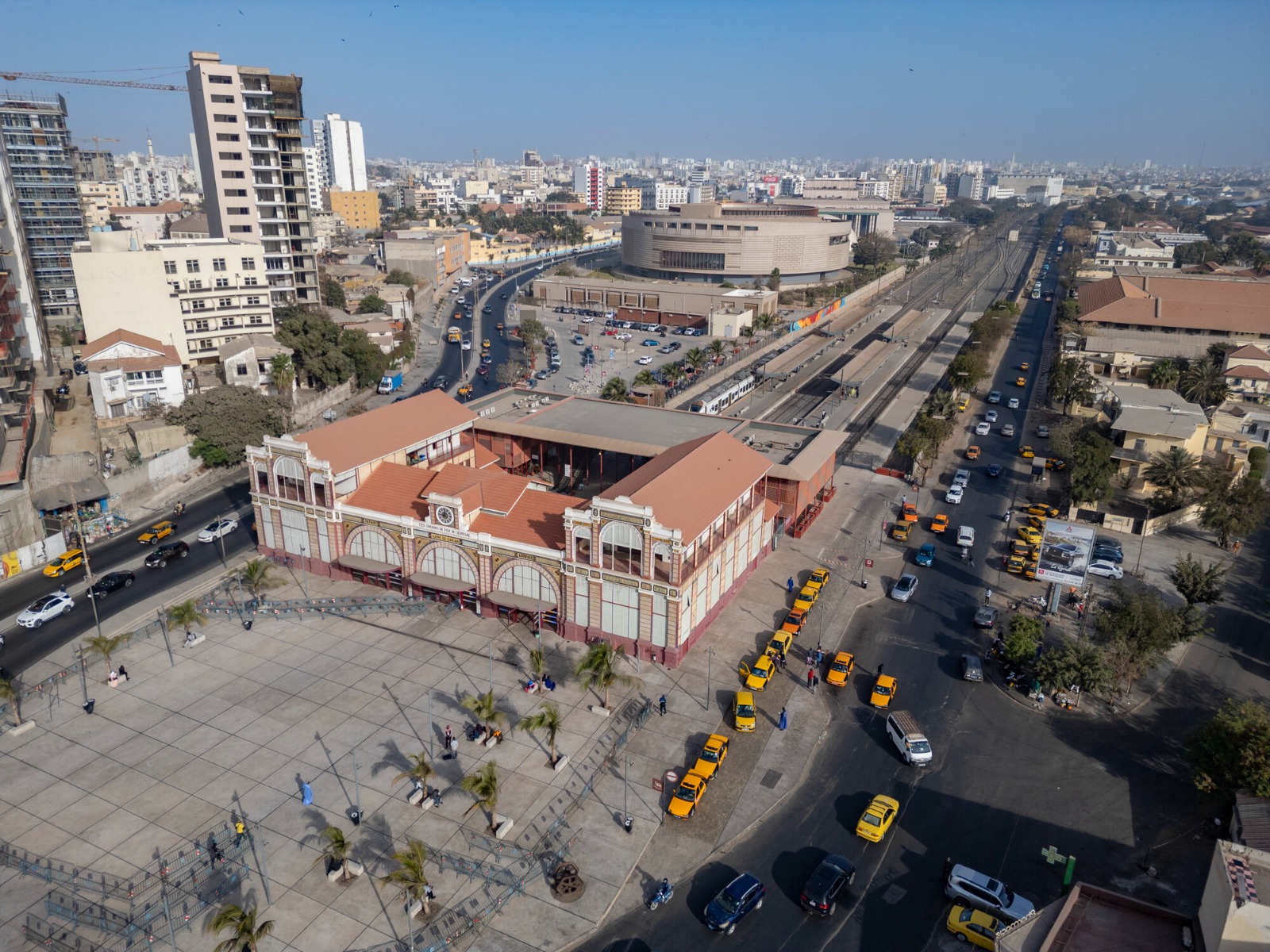
This approach is embodied in the renovation and expansion project of the Dakar railway station in Senegal, where a historic building constructed in 1914 and threatened with demolition after services were halted in 2006 was transformed into a cornerstone of a contemporary urban vision following the launch of a high-speed rail line in 2016. This raised a fundamental question: should this heritage be completely removed, or actively integrated into the contemporary urban context?
The project chose a path of negotiation rather than unilateral resolution. Instead of replacing the deteriorated old metal structure, it was reinforced with a new structural system, where each existing steel support was paired with a new concrete one. This decision was not purely technical but reflected an intellectual stance that acknowledges the value of what already exists while ensuring its continuity. The visual contrast between raw concrete and aged steel was also deliberately used to express the accumulated layers of time within the building.
In a more sensitive dimension, the project addressed the station’s colonial heritage. It did not simply erase it or preserve it without critique, but instead reinterpreted it through contemporary architectural elements in materials, lighting, and detailing, creating a critical distance without severing the connection. The new building also extends alongside the old one, with a deliberate gap between them, an architectural gesture suggesting that the relationship between past and present is neither full integration nor complete separation, but an ongoing dialogue.
At the urban scale, the project redefined the station’s relationship with its surroundings. Redirecting vehicular traffic to the rear allowed the front plaza to be reclaimed for pedestrians, transforming it from a compressed functional space into a vibrant public square. Through the integration of simple elements such as trees, concrete benches, and shaded areas, the station was reinserted into the everyday life of the city, demonstrating the ability of heritage projects to generate contemporary social value rather than merely preserving form.
This example provides a concrete embodiment in the book of the idea of optimism in architecture, not through denying historical, political, or economic complexities, but by working within them. In this sense, heritage does not become an obstacle or merely an instrument of nostalgia, but rather a productive negotiating material that generates new solutions. Optimism here is not a guarantee of success, but a belief that this path, despite its difficulty, remains richer and more sustainable than any singular alternative, whether it is a return to the past or a complete break from it.
Heritage as a Social Stance
The book moves beyond the architectural and aesthetic dimensions to emphasize that the renewal of traditions is closely tied to social responsibility, which forms the core of any optimistic approach to heritage. The challenge is not only about how to preserve buildings, but about the right to remain within them. Historic cities are not merely empty symbolic spaces; they are living environments that host low-income groups who depend on fragile local economies and interconnected social networks.
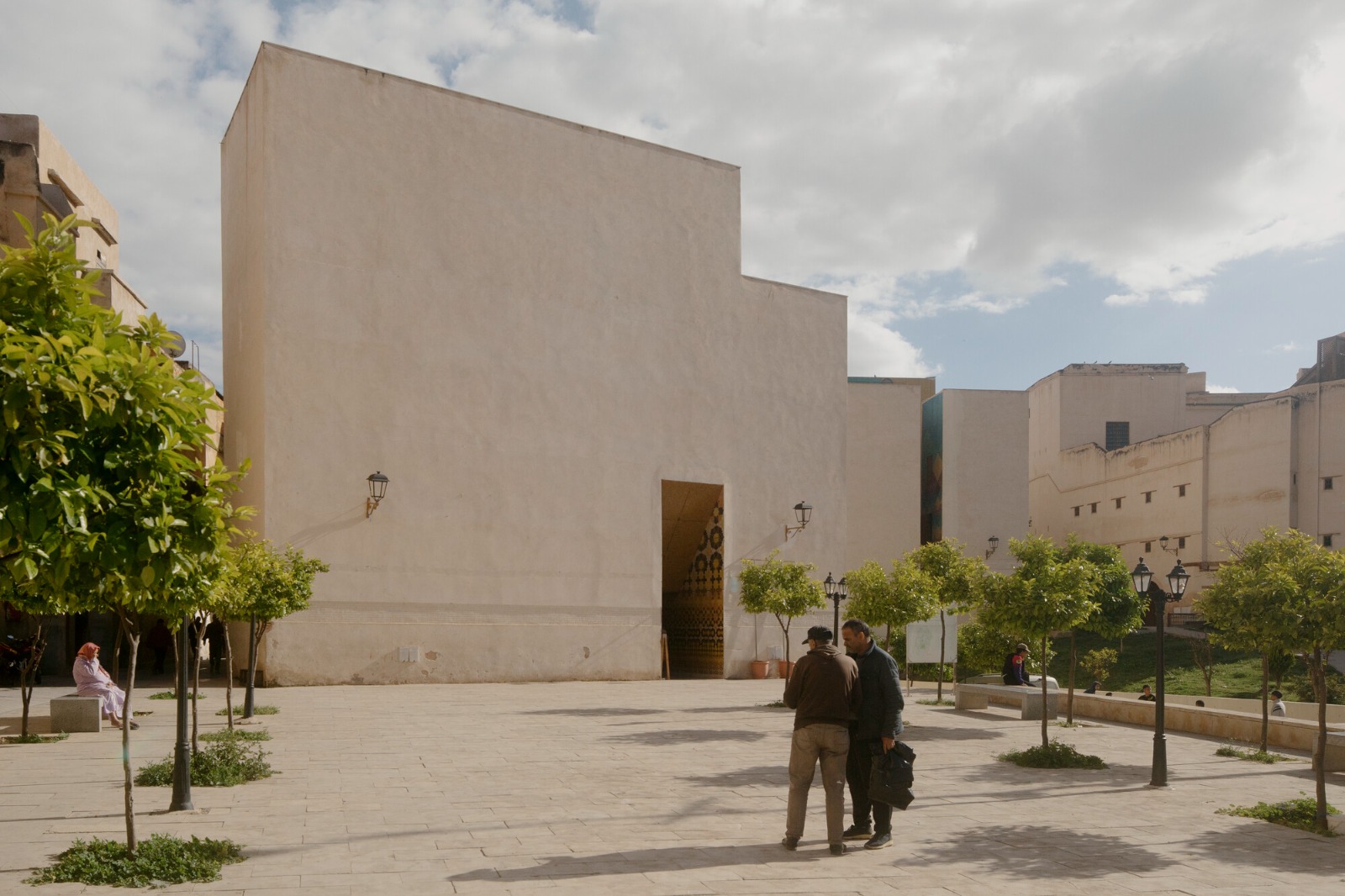
When heritage is reduced to a tourist product, these environments gradually turn into display façades, and their residents are pushed to the margins due to rising costs or changes in patterns of use. As a result, the place loses its soul even if its image remains intact.
The book proposes an integrated understanding of preservation that does not separate the urban dimension from the social one. Heritage as a living environment requires improving housing quality, upgrading infrastructure, and supporting economic activities. Here, optimism is expressed as a practical commitment rather than a rhetorical stance. It is not enough to believe in the value of heritage; conditions must be created that ensure its continuity through its inhabitants.
Optimism is not an celebration of the past, but a wager on its continued vitality through its activation with justice and sensitivity. In this sense, the discussion shifts from the question “how do we preserve buildings?” to a deeper one: “how do we preserve life within them?”
Any heritage project that neglects the social dimension remains incomplete. Preserving heritage is not merely about protecting stone, but about safeguarding the relationships that give it meaning. It thus becomes a political and ethical act that goes beyond technical concerns to address issues of exclusion, justice, and the right to the city.
Within this framework, optimism takes on a more grounded dimension. It is not based on denying economic, investment, or tourism pressures, but on the ability to engage with them and redirect their trajectories. Tourism, for instance, can become a resource that supports local communities rather than marginalizing them, provided it is integrated within a balanced local economy. Likewise, restoration processes can go beyond isolated façade-improvement projects to become opportunities for empowering craftsmen, transferring knowledge, and improving housing.
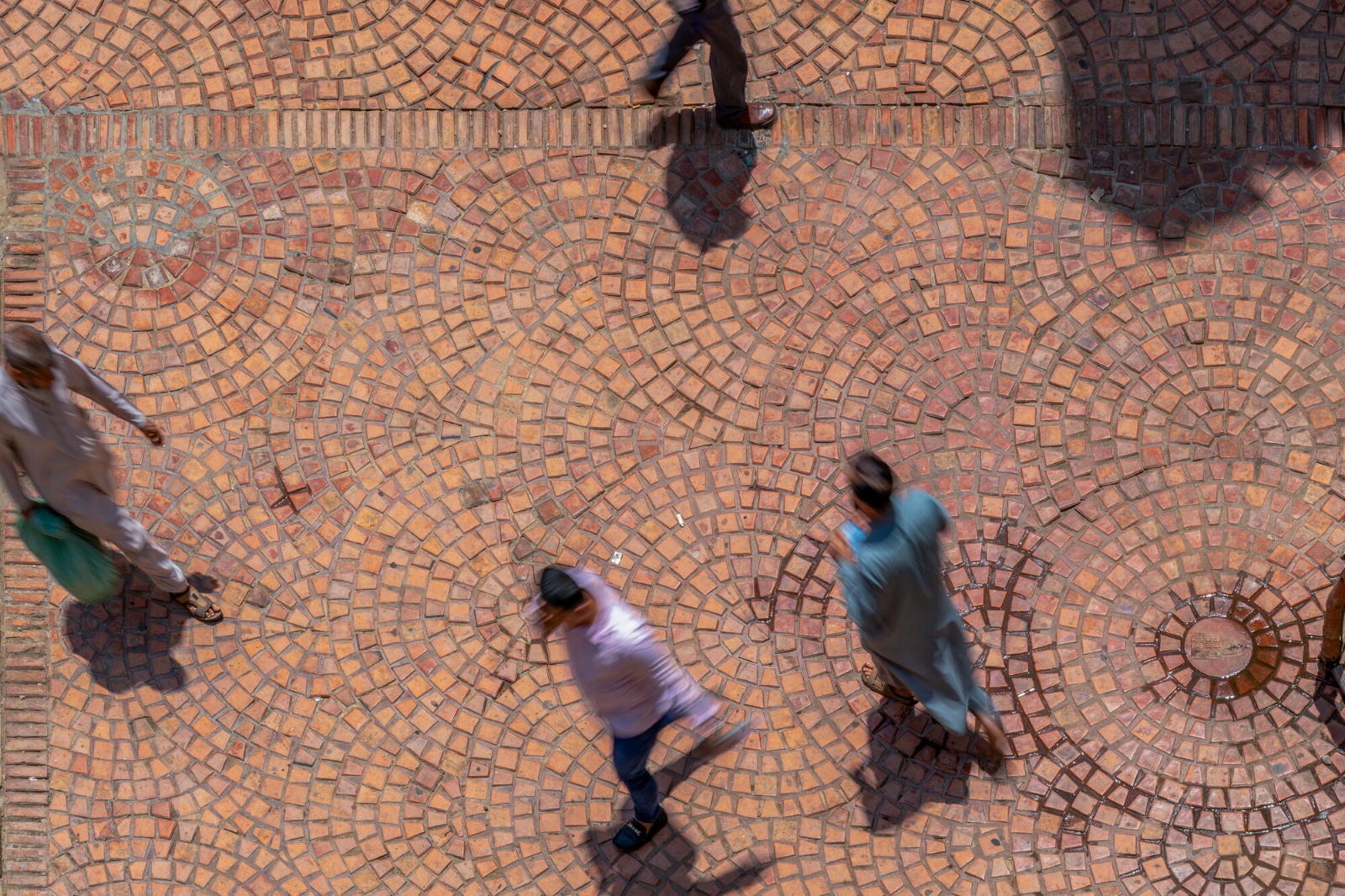
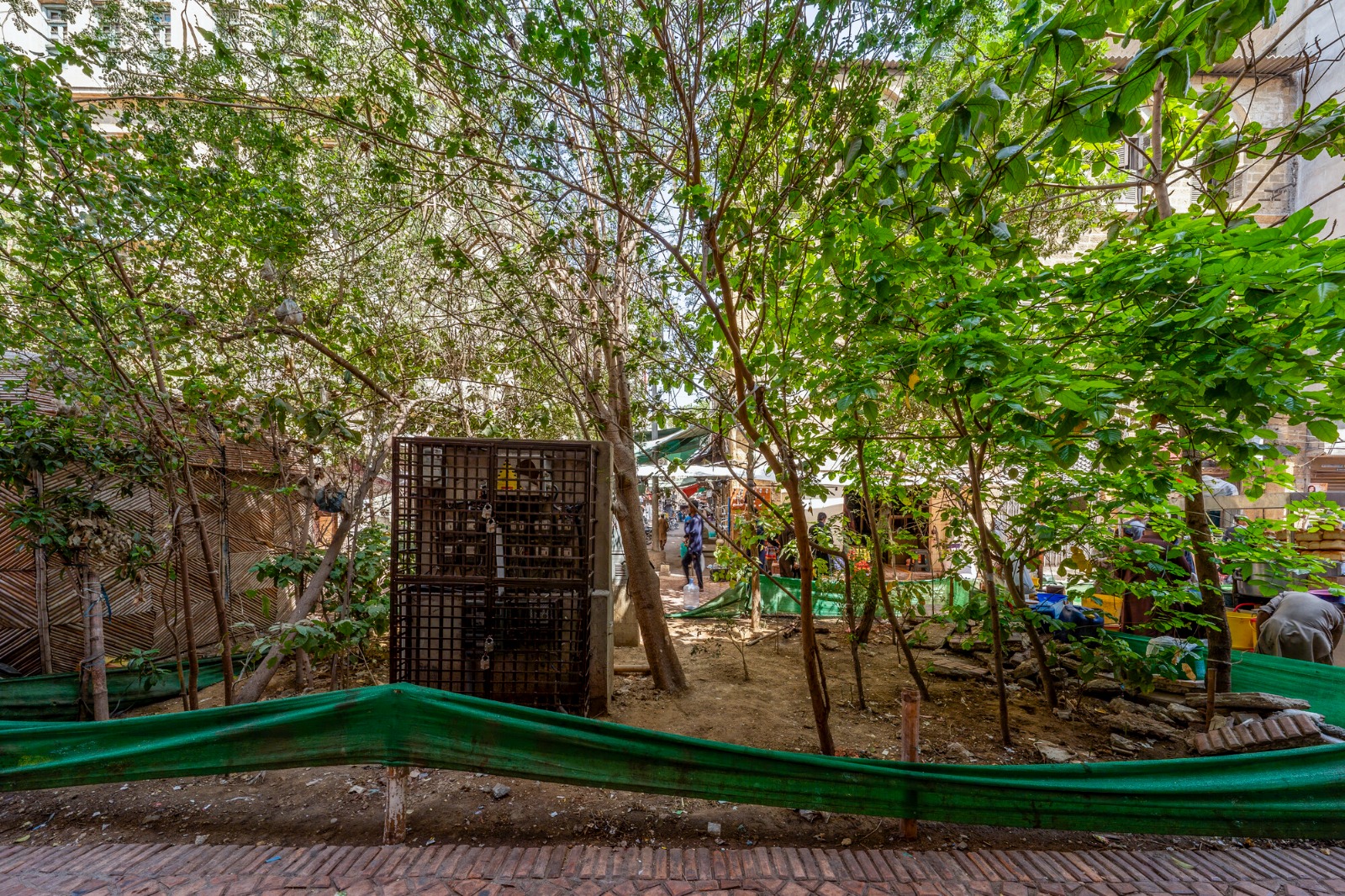
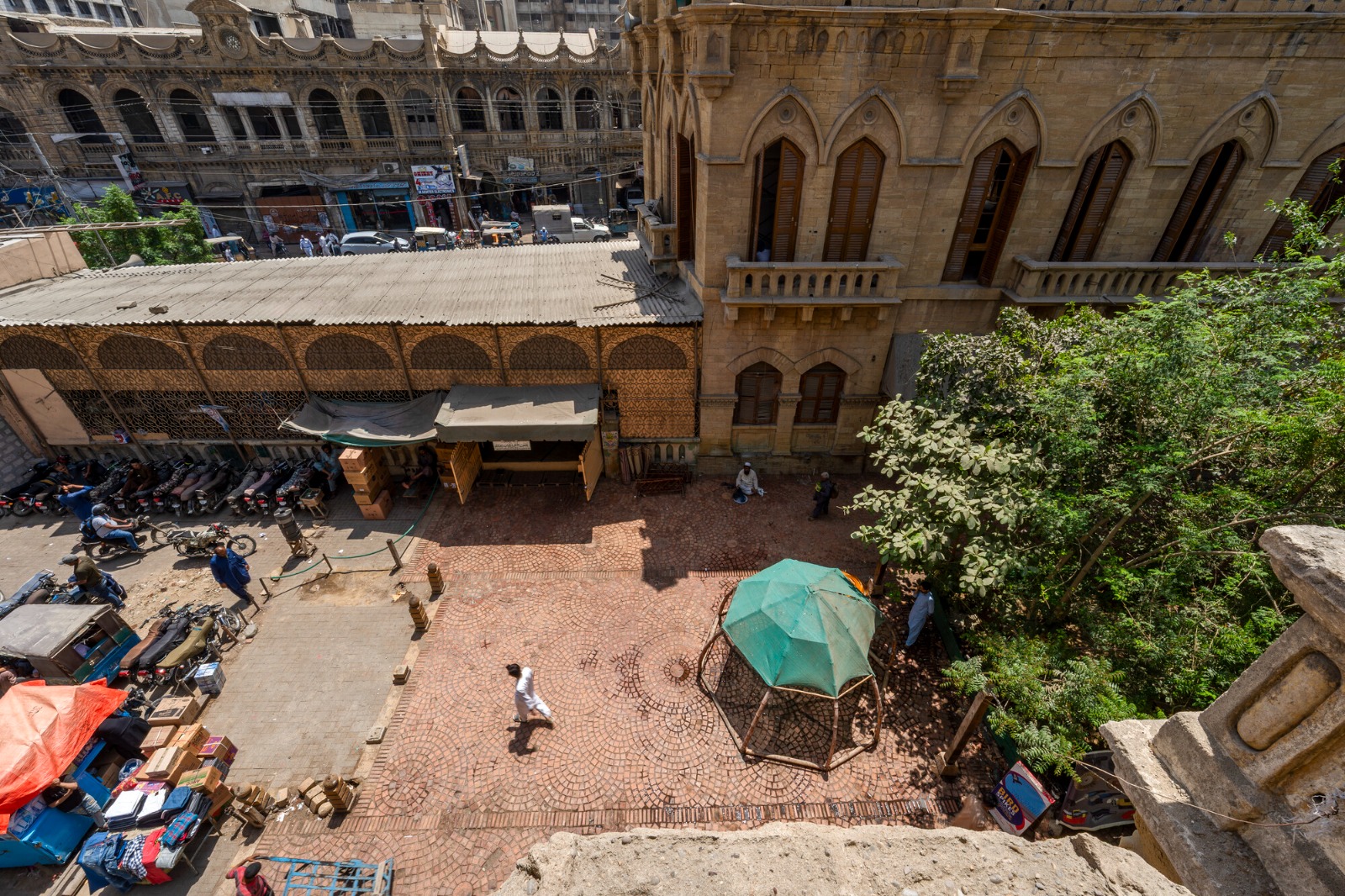
This approach is evident in the “Denso Hall Rahguzar” project in Karachi, Pakistan, presented in the book as one of the nominees for its recent edition. Here, heritage was not treated as mere historic façades, but as a deteriorating urban environment facing multiple challenges, including seasonal flooding, urban heat islands, and environmental pollution, in addition to the shrinking of residential spaces in favor of commercial activities. The street, once vibrant with life, had lost its balance as families moved away and upper floors were converted into storage spaces and offices, while the original architectural character was obscured by tangled cables.
The initiative led by architect Yasmeen Lari went beyond superficial “beautification” to fundamentally redefine the relationship between heritage and everyday life, transforming the site into a flood-resilient urban environment through low-carbon solutions such as the use of local bricks, covering underground channels with bamboo, and employing porous terracotta paving stones to absorb rainwater and facilitate drainage. This intervention does not only address environmental crises, but also revives a traditional logic of climatic adaptation through a contemporary interpretation.
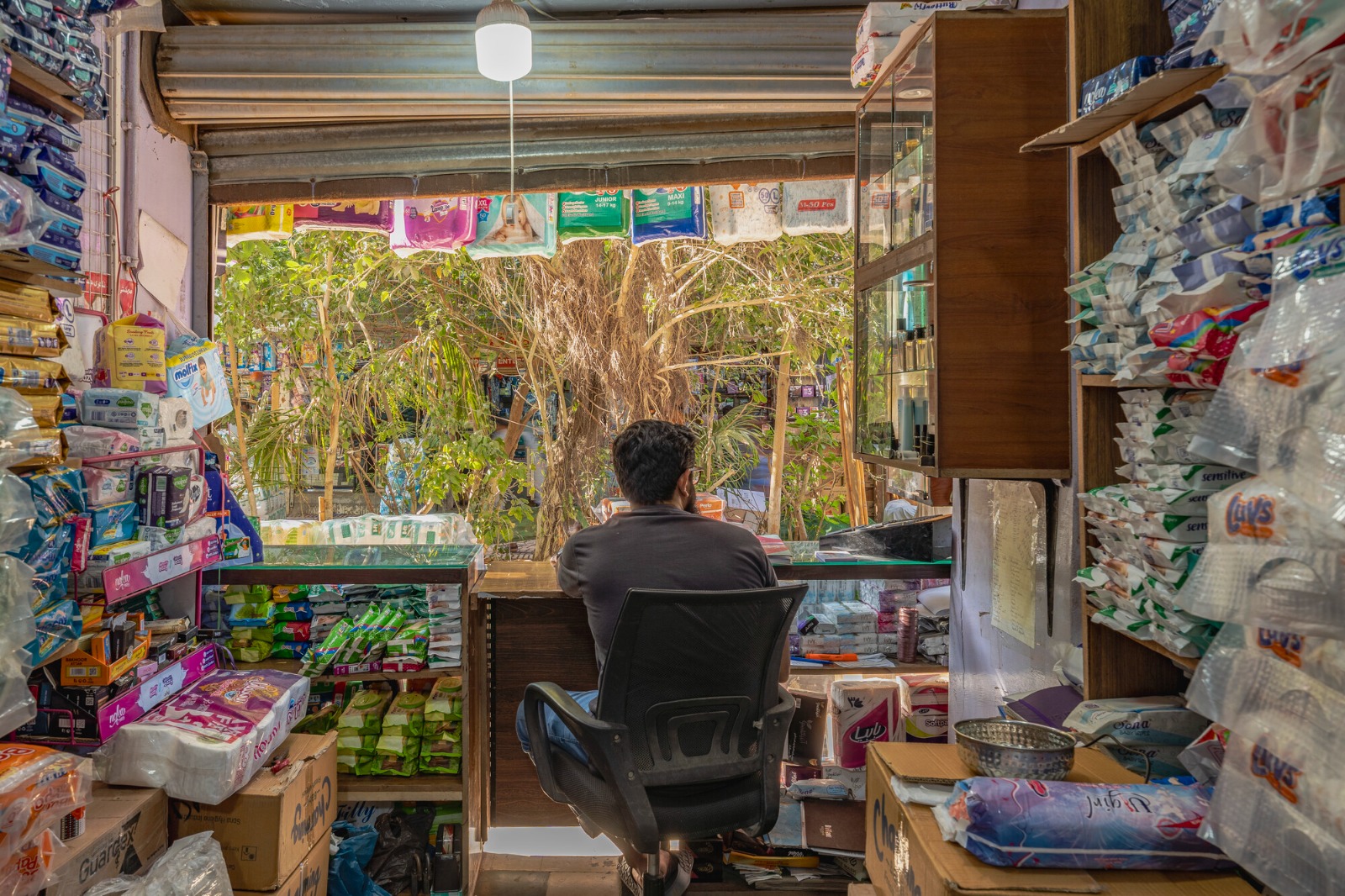
The project was not limited to its technical dimension; it also carried clear social and economic implications. The production of terracotta blocks helped revive local crafts, creating sustainable job opportunities, particularly for women, and contributing to reducing rural-to-urban migration. Moreover, the paving design, inspired by the decorative patterns of Karachi’s heritage buildings, restored a symbolic connection between residents and their environment, thereby strengthening a sense of belonging and local pride.
The climatic intervention, represented by the planting of small “urban forests” along the street, was not merely an aesthetic addition, but part of an integrated system designed to cool and purify the air and integrate nature into the urban fabric. Here, optimism is expressed in its most vivid form: not as a denial of crisis, but as the capacity to transform it into an opportunity for rethinking. Flooding becomes a catalyst for reimagining infrastructure, heat becomes a driver for reintroducing vegetation, and social decline becomes a trigger for reviving the local economy.
This example demonstrates in practical terms that heritage preservation cannot be separated from improving living conditions. Here, heritage was not preserved for its aesthetic value alone, but reactivated as an integrated environment that combines environmental, social, and economic dimensions. This is the essence of the optimism proposed in the book: the belief that architecture, when grounded in people’s needs and lived realities, becomes capable of transforming crises into opportunities, and of turning continuity into a living process that goes beyond the mere formal protection of the past.
If heritage offers a model for working within memory—that is, within time—the next question arises in relation to place: how can architecture, rooted in its local context, acquire universal value?
Here the discussion shifts from the relationship between past and present to the relationship between the local and the global. Instead of understanding “globalism” as an imposed formal template, the book proposes viewing it as a dialogue that begins from specificity rather than overriding it. Local particularity, with its environmental, cultural, and social responses, is not an obstacle to global communication, but a fundamental condition for it.
In this sense, global architecture does not mean uniformity everywhere, but rather the ability to express the identity of place authentically while simultaneously engaging with shared concerns that transcend geographical boundaries. This opens the way, in the next article, to deconstruct the very notion of “globalism” and to explore how architecture can shift from producing repetitive models to enabling a multi-voiced dialogue, where local roots become a starting point rather than an endpoint.
– To be continued –