

Global alarm over attack near UAE’s Barakah Nuclear Plant as UN Security Council urges restraint
World powers condemn the targeting of the UAE’s Barakah nuclear facility, warning of dangerous escalation in the Gulf and rising threats to nuclear safety, maritime security, and regional stability.



 Messenger
 Whatsapp
 Threads
 Email
Email
 Print
Print
 X
X
 Facebook


The Director General of the International Atomic Energy Agency, Rafael Grossi, called during an emergency United Nations Security Council session on Middle East developments on Tuesday for “maximum restraint and the avoidance of targeting any nuclear facilities.”
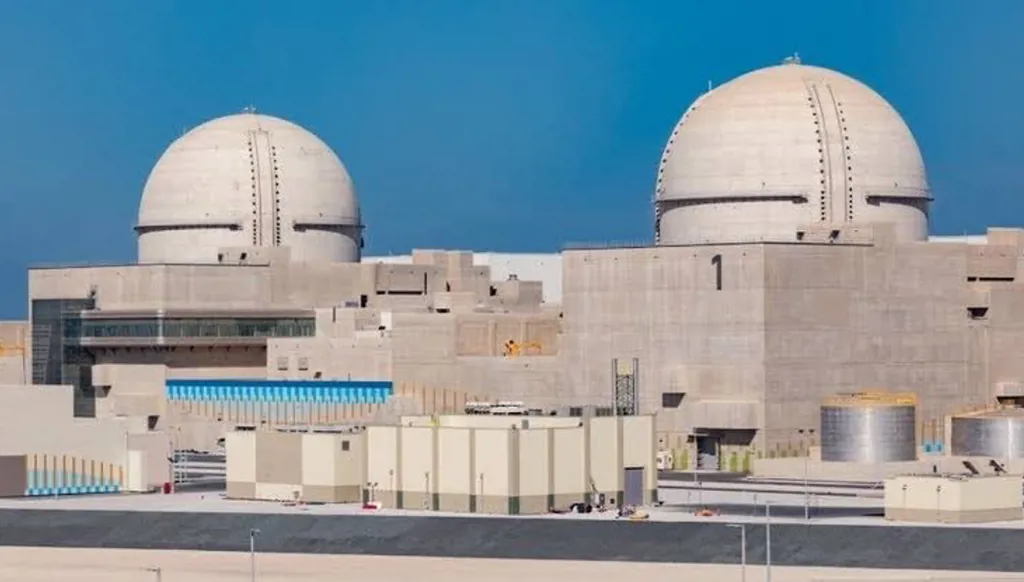
Rafael Grossi stressed the rejection of targeting operational nuclear plants, such as the Barakah Nuclear Power Plant in the United Arab Emirates.
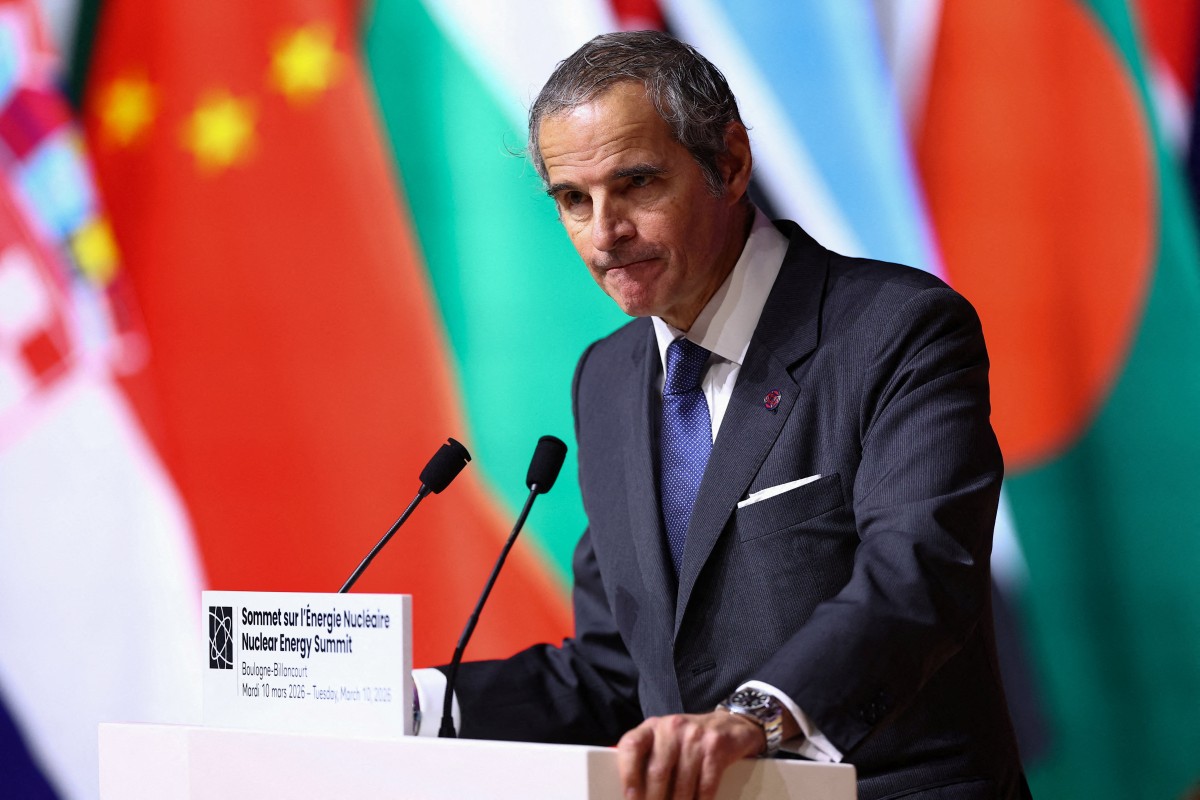
He warned of the serious repercussions of attacks on nuclear facilities in the Middle East, expressing concern and stating that the agency is ready to respond to any emergency in the Gulf countries, while assuring that it is closely monitoring the situation.
Rafael Grossi supported the diplomatic track and stressed the importance of ensuring the agency’s verification of nuclear facilities in Iran.
Return of Power to Barakah Plant
The United Arab Emirates informed the International Atomic Energy Agency that power had been restored on Monday, outside the inner perimeter of the third unit of the Barakah Nuclear Power Plant, following a drone attack on Sunday.
The attack caused a fire in an electricity generator outside the inner perimeter of the plant, while authorities in the United Arab Emirates confirmed that “safety levels were not affected and no radioactive materials leaked.”
Bahrain
The representative of the Kingdom of Bahrain to the United Nations Security Council, Jamal Al-Ruwaie, said his country condemns the targeting of the Barakah Nuclear Power Plant in the United Arab Emirates, considering it an unjustified escalation. He added that Bahrain stands in solidarity with the UAE and that its security is an integral part of Gulf security.
Al-Ruwaie emphasized that Iran’s policy is “reckless and threatens global supply chains,” noting that the repeated attacks reflect a “deliberate approach to undermining stability and shaking confidence in regional security.”
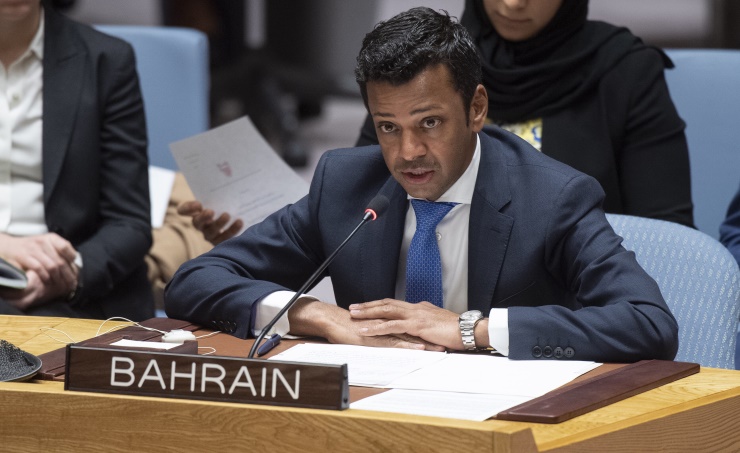
He added that Iran pursues a “systematic policy of aggression against the countries of the region,” warning that Iran’s contradictions undermine trust and necessitate international action, adding that Tehran has chosen escalation and the targeting of infrastructure.
Jamal Al-Ruwaie stressed that the recent attacks place significant responsibilities on the United Nations Security Council.
Greece
The delegate of Greece to the United Nations Security Council, Aglaiya Balta, condemned the attacks on the Barakah Nuclear Power Plant, asserting that “the region cannot endure a wider wave of violence.”
Aglaiya Balta stressed that “violations of nuclear safety are completely unacceptable.” She added that the only solution “lies in dialogue, restraint, and reaching a peaceful settlement,” while highlighting the need to maintain maritime security.
United States
The U.S. representative to the United Nations Security Council, Mike Waltz, stated that “Iran seeks to acquire nuclear weapons,” pointing out that the Barakah Nuclear Power Plant in the United Arab Emirates is a peaceful nuclear plant.
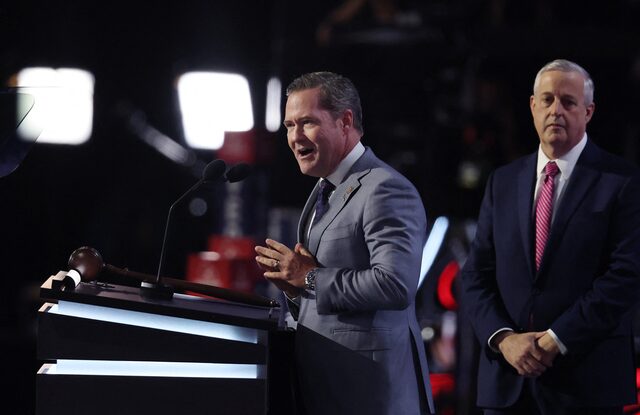
Mike Waltz clarified that the attacks targeting the vicinity of the Barakah Nuclear Power Plant in the United Arab Emirates did not damage the facility, calling on Iran to stop its proxies’ attacks on neighboring countries. He warned that the United States “will not tolerate Iranian violations of nuclear safety.”
Waltz noted that "Iran engages in reckless behavior to acquire nuclear weapons."
Russia
The Russian delegate to the United Nations Security Council, Vassily Nebenzia, strongly condemned the targeting of the Barakah Nuclear Power Plant in the United Arab Emirates.
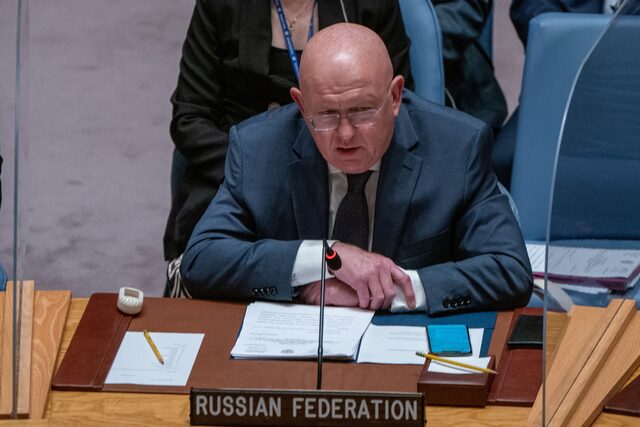
Nebenzia stressed that his country considers targeting facilities in the Gulf Arab region unacceptable.
France
The delegate of France to the Security Council, Jérôme Bonnafont, strongly condemned the drone attack on the vicinity of the Barakah nuclear plant in the United Arab Emirates.
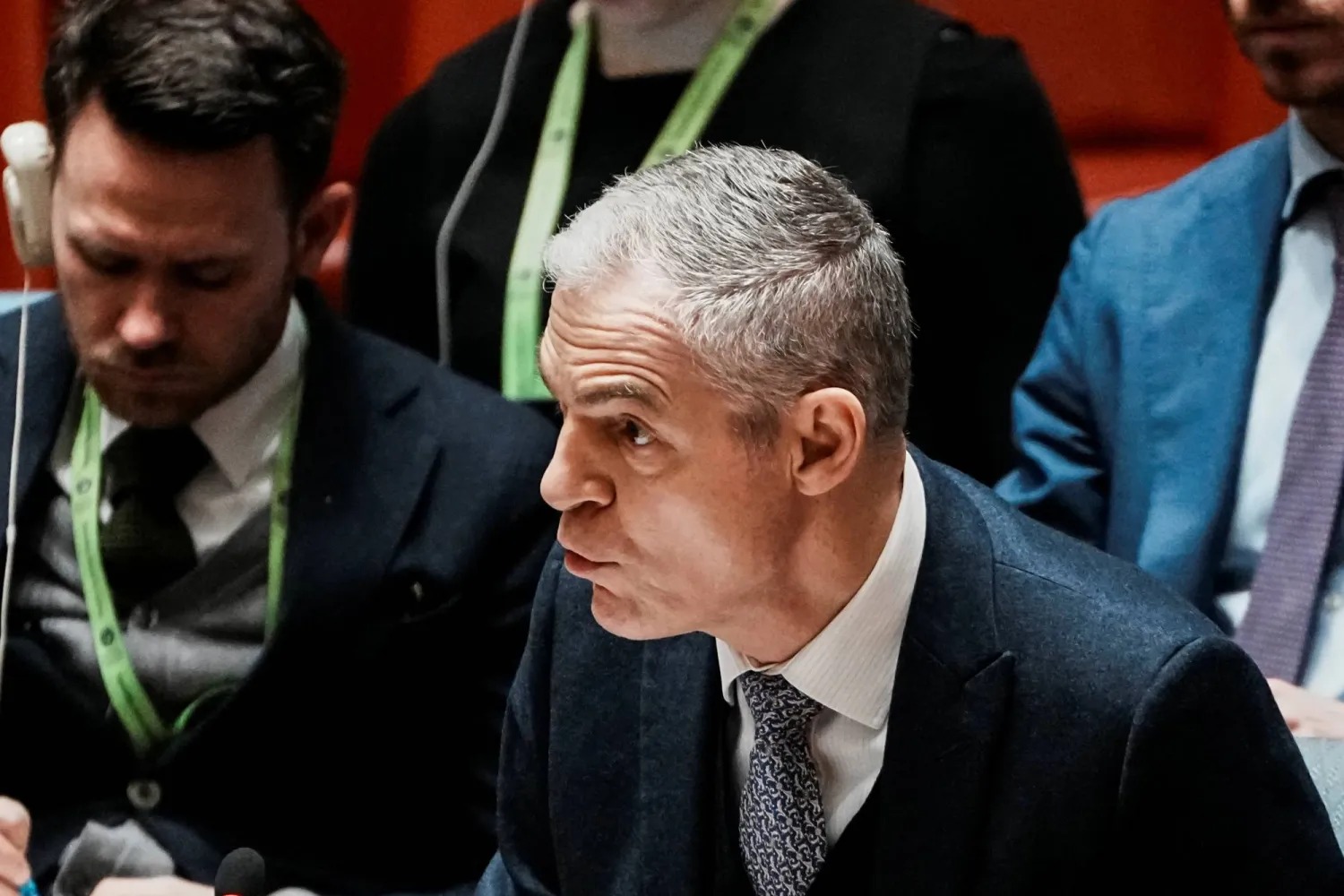
Jérôme Bonnafont affirmed that attacks on facilities threaten nuclear safety in the region, pointing out that “the Middle East is witnessing a dangerous escalation, and sustainable peace and respect for the ceasefire in Iran and Lebanon are required.”
He emphasized the need to protect navigation and open the Strait of Hormuz, adding that a political solution is what ensures Iran does not acquire nuclear weapons.
Pakistan
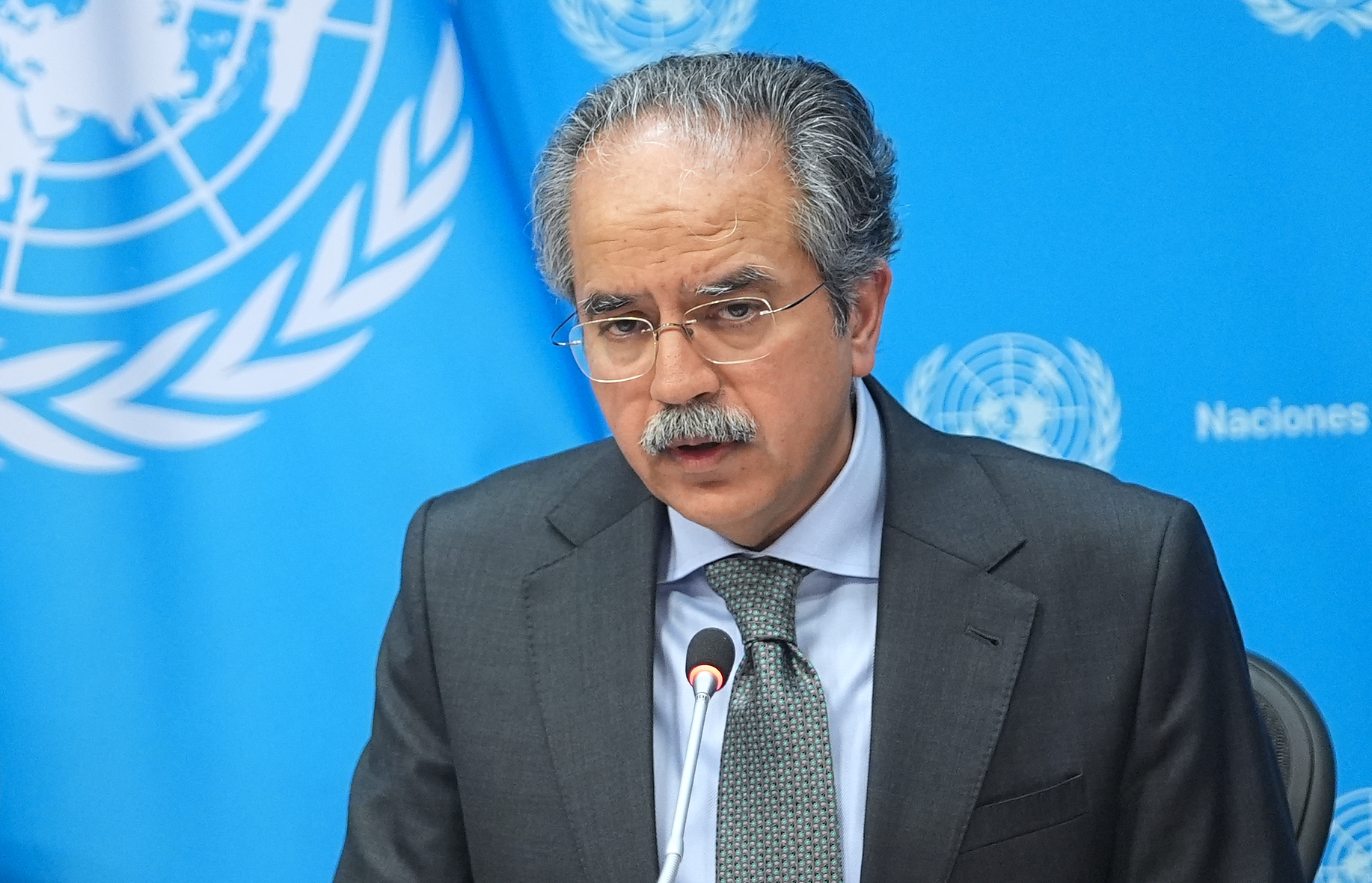
The delegate of Pakistan to the United Nations, Asim Iftikhar Ahmad, announced his country’s “solidarity with the leadership and people of the United Arab Emirates,” while condemning the targeting of the Barakah Nuclear Power Plant.
Britain
For his part, the British delegate to the Security Council, James Kariuki, condemned the attacks near the Barakah nuclear plant in the United Arab Emirates.
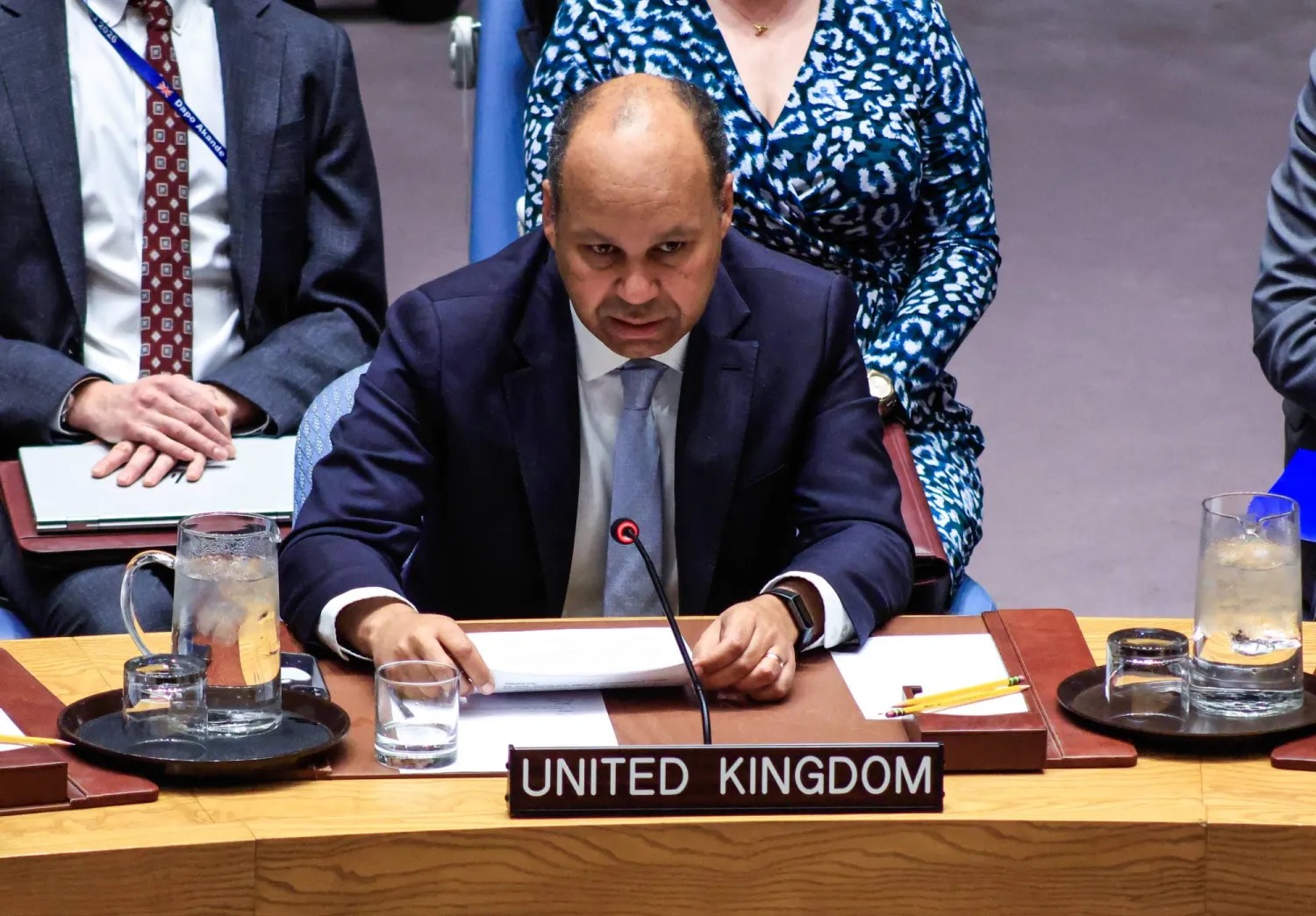
Kariuki confirmed that Iran must "halt all its attacks, including in the Strait of Hormuz," insisting that his country stands with the UAE in protecting its sovereignty.
China
The Chinese delegate to the UN, Fu Cong, stated that "civilian facilities and infrastructure must be protected," emphasizing "the need to end the war as it serves neither Iran nor the United States."
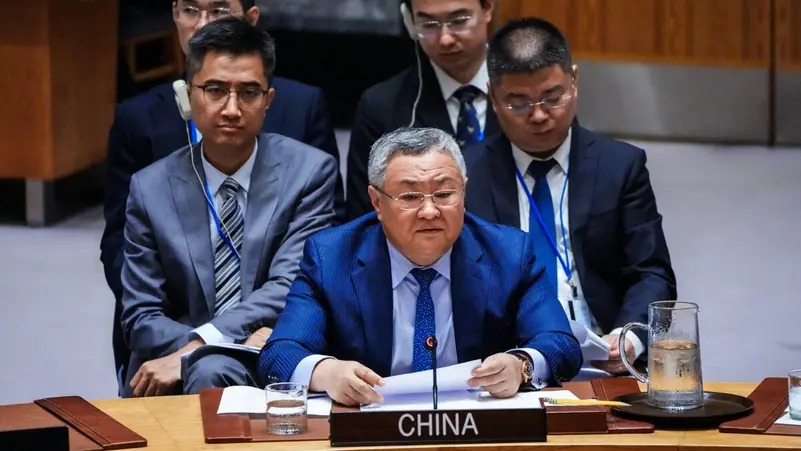
Fu Cong called for the Strait of Hormuz to be opened as quickly as possible.
United Arab Emirates
The UAE delegate to the UN, Mohammed Abu Shihab, strongly condemned "the terrorist attacks targeting the vicinity of the Barakah nuclear plant."
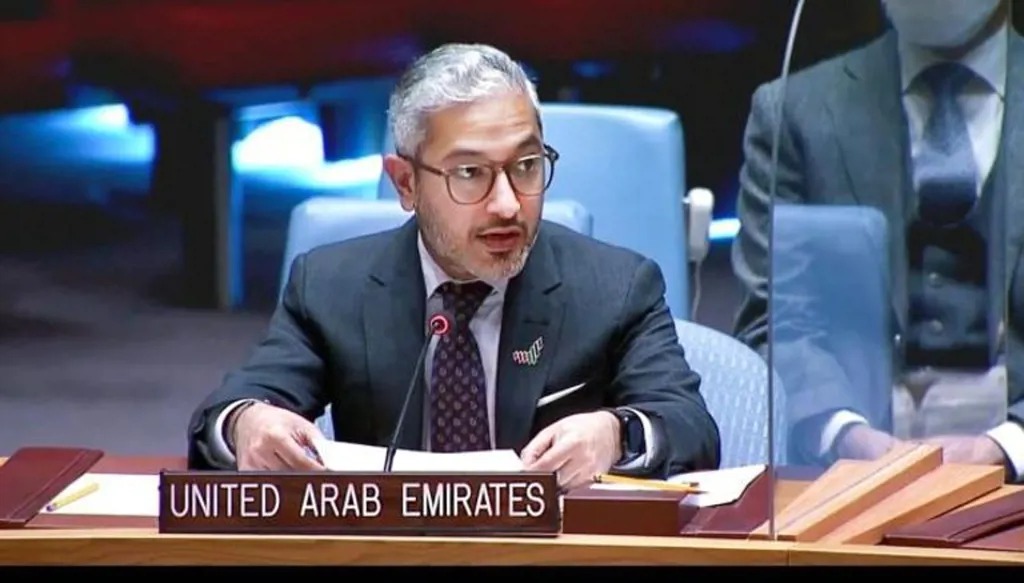
Abu Shihab affirmed that targeting peaceful nuclear facilities is "shameful," noting that his country reserves the right to respond to any threat to its sovereignty.
He stated that protecting international nuclear facilities is a shared international responsibility, revealing that the targeting of the Barakah nuclear plant's vicinity came from Iraq territory.